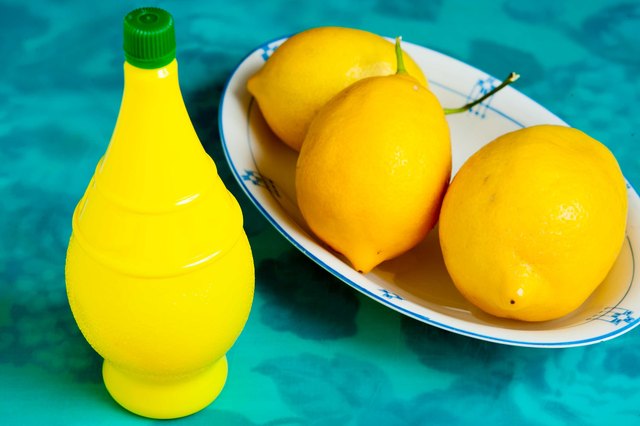

You finally squeezed a whole bag of lemons, your kitchen smells like a spa, and your
wrists are mildly offended. Now you’re staring at a jar of sunshine in your fridge thinking:
“How long will this lemon juice actually keep?”
The short answer: it depends on whether it’s fresh-squeezed or bottled, how it’s stored,
and how picky you are about flavor. Lemon juice is naturally acidic, which helps it last
longer than many other juices, but it’s not immortal. Let’s break down the shelf life,
storage tricks, and real-world tips so you can stop guessing and start squeezing with confidence.
Quick Answer: Lemon Juice Shelf Life at a Glance
Here’s a quick snapshot of how long lemon juice typically keeps under different conditions:
| Type of Lemon Juice | Room Temperature | Refrigerated | Frozen |
|---|---|---|---|
| Fresh-squeezed (homemade) | Up to 1 day | About 3–7 days (sometimes up to 2 weeks with great handling) | Best quality for 3–6 months |
| Bottled lemon juice (unopened) | 12–24 months in a cool pantry (check “best by” date) | Same as pantry if shelf-stable and unopened | Usually not necessary; check label |
| Bottled lemon juice (opened) | Not recommended | About 6–12 months, tightly sealed | Often keeps beyond a year in quality if frozen |
| Freshly squeezed, thawed from frozen | Use within a few hours | 2–3 days after thawing | Safe indefinitely at 0°F, but quality is best within 3–6 months |
These timelines assume good hygiene, clean containers, and proper temperatures.
If anything smells funky or looks off, trust your senses and toss it.
What Affects How Long Lemon Juice Keeps?
Not all lemon juice has the same lifespan. Several factors affect how long it stays fresh:
1. Fresh vs. Processed
Fresh-squeezed lemon juice is just juice and maybe a seed or two you missed.
It hasn’t been pasteurized, so there are still natural enzymes and microbes around.
That’s why it usually lasts only a few days to about a week in the fridge before the flavor
starts to fade or change.
Commercial bottled lemon juice is typically pasteurized and may contain preservatives,
which dramatically extend its shelf life. Even after opening, many brands can last months in
the refrigerator when tightly sealed.
2. Temperature
Lemon juice follows the same food safety rules as other perishable liquids. The “danger zone”
for bacterial growth is between about 40°F and 140°F. Leaving fresh juice on the counter for
hours is a great way to turn it into a science experiment instead of a recipe ingredient.
3. Exposure to Air and Light
Oxygen and light both break down vitamin C and aromatic compounds in lemon juice.
That’s why juice stored in clear, open containers loses its brightness faster
than juice kept in a sealed, opaque or tinted container.
4. Cleanliness of the Container
A squeaky-clean jar or bottle slows down spoilage. Residue from other foods or old juice can
introduce additional microbes and off flavors. If your storage container smells weird before
you pour in the juice, it won’t magically improve once the lemon juice is inside.
How Long Does Fresh-Squeezed Lemon Juice Last?
At Room Temperature
Fresh lemon juice shouldn’t sit out for long. In general, perishable foods shouldn’t stay at
room temperature for more than about two hours. For maximum quality,
use fresh juice immediately or refrigerate it as soon as you’re done squeezing.
You might see estimates that fresh juice can last up to a day at room temp, but that’s about
flavor, not safety. If your kitchen is warm, play it safe and refrigerate promptly.
In the Refrigerator
This is where things get interesting, because experts give slightly different ranges.
Many food and cooking sources suggest:
- 3–4 days for peak flavor and brightness.
- Up to about 5–7 days if kept very cold in a tightly sealed container.
- Some sources note that it can still be usable for up to 2 weeks, though the flavor may dull or turn more bitter over time.
In real life, most home cooks find that fresh lemon juice tastes best in the first few days.
After that, it’s often still fine to use in cooked dishes (like sauces, soups, marinades,
or baking), even if it’s not ideal for bright, fresh-tasting lemonade or salad dressings.
In the Freezer
Freezing is your best friend if you like squeezing once and using for weeks.
Fresh lemon juice can be frozen for 3–6 months for best quality. After that,
it’s generally still safe to use if it’s been kept at 0°F, but the flavor and aroma gradually fade.
The most convenient method is the classic ice cube tray trick:
- Pour freshly squeezed juice into an ice cube tray.
- Freeze until solid.
- Pop out the cubes and transfer them to a labeled freezer bag.
- Use 1–2 cubes at a time for recipes, water, or tea.
This way, you’re only defrosting what you actually need and you avoid the “giant frozen lemon brick” situation.
How Long Does Bottled Lemon Juice Keep?
Unopened Bottles
Shelf-stable bottled lemon juice has serious staying power. Thanks to pasteurization and
preservatives, many brands can last about 12–24 months unopened when stored in a
cool, dark pantry. Always check the “best by” or “use by” date on the label; the manufacturer
knows their product best.
Even after that date, the juice might still be safe, but the flavor and vitamin C content
may decline. If it smells or tastes flat, metallic, or just “off,” it’s time to replace it.
After Opening
Once opened, bottled lemon juice belongs in the refrigerator. Most guidance suggests it will
stay good for about 6–12 months if:
- It’s kept tightly capped.
- It’s stored in the fridge at or below 40°F.
- You don’t double-dip or pour back leftover juice into the bottle.
Over time, even refrigerated bottled juice will slowly lose vibrancy. For drinks and fresh
dishes, you might prefer a newer bottle. For marinades or cooked recipes, slightly older
bottled juice is usually still perfectly serviceable if it passes the smell and taste test.
How to Store Lemon Juice So It Lasts Longer
Best Practices for Fresh-Squeezed Juice
- Use a clean container. Glass jars or bottles with tight-fitting lids are ideal.
- Fill it up. Leave as little headspace as possible to minimize contact with air.
- Refrigerate right away. Don’t let the juice linger on the counter.
- Label it. A piece of masking tape with the date will save you from guessing games later.
- Plan ahead. If you know you won’t use it within a few days, freeze a portion from the start.
Smart Freezer Storage
Freezing isn’t just for big batches of juice. Even a single lemon’s worth can be frozen:
- Freeze in ice cube trays for small, recipe-ready portions.
- Freeze in small labeled containers for larger amounts.
- Consider freezing lemon zest separately; it keeps flavor for months.
When you’re ready to use your frozen juice, thaw it in the refrigerator, not on the counter,
for best safety and quality.
Storing Bottled Lemon Juice
- Keep unopened bottles in a cool, dry pantry away from direct sunlight and heat.
- After opening, refrigerate and recap tightly immediately after pouring.
- Don’t drink straight from the bottle or pour used juice back inboth habits introduce extra bacteria.
How to Tell If Lemon Juice Has Gone Bad
Lemon juice doesn’t always go from “perfect” to “poison” overnight. Often, it simply loses
brightness or tastes dull. But there are signs that your juice is too far gone:
- Strange smell: Sour in a bad way, musty, or fermented.
- Odd color: Darkened, brownish, or noticeably cloudier than usual.
- Visible mold: Any fuzzy growth or floating particles that clearly aren’t pulp.
- Bubbles or fizz: Unintended carbonation can mean fermentation or microbial activity.
- Off taste: Bitter, metallic, or just wrongspit it out and discard it.
If you see or smell anything suspicious, don’t overthink it. Lemon juice is cheap.
Foodborne illness is not.
Is Old Lemon Juice Still Safe to Use?
A slightly older lemon juice that has simply lost some flavor is different from truly spoiled juice.
If your refrigerated fresh juice is a few days past its “best flavor” window but smells and tastes
normal, it’s usually fine for:
- Baking (cakes, muffins, quick breads)
- Cooked sauces and pan juices
- Marinades that will be discarded before serving
For recipes where the lemon flavor is front and centerlike lemonade, vinaigrettes, or no-cook desserts
you’ll want the freshest juice you can get.
But if there’s any sign of spoilagesmell, color, mold, odd texturedon’t try to salvage it.
When in doubt, throw it out.
FAQs About Lemon Juice Storage
Can I drink lemon juice that’s been in the fridge for two weeks?
Maybe, but check carefully. If it’s fresh-squeezed, two weeks is the upper end of
what many sources consider acceptable even with good storage. Smell it, look at it, and taste a tiny
amount. If anything seems off, use it in the compost instead of your glass.
Does lemon juice actually “go bad,” or just lose flavor?
Both can happen. First, it slowly loses its bright, fresh taste. Over time, especially if stored
poorly, microbes can grow and cause spoilage. Always use your senses, not just the calendar.
Is bottled lemon juice as good as fresh?
In terms of shelf life, bottled lemon juice is the clear winner. In terms of flavor,
fresh-squeezed usually tastes brighter and more complex. A lot of home cooks keep both:
bottled for backup, fresh for when flavor really matters.
Is freezing lemon juice better than storing whole lemons?
They solve different problems. Whole lemons stored properly in the fridge can last weeks,
and you can use the zest plus juice. Frozen juice gives you portioned, ready-to-go acidity
without worrying about shriveled lemons in your crisper drawer. If you juice a big bag at once,
freezing is ideal.
Real-Life Lemon Juice Lessons: Practical Experiences from the Kitchen
Food safety guidelines and charts are helpful, but everyday kitchen life is where your lemon
juice habits are truly born. Here’s what often happens in real homes and test kitchensand what
you can learn from those experiences.
The “Jar in the Back of the Fridge” Phenomenon
Almost everyone has discovered a mystery jar of yellow liquid lurking behind the pickles at
some point. If you squeeze lemons frequently, you might think, “This has to be recent.”
Then you realize you made that big batch for a dinner party three weeks ago.
This is where labels save you. Even a simple “Lemon juice – Nov 2” scribbled on masking tape
makes a big difference. Once you get into the habit, you’ll notice that you actually use
your lemon juice within a weekor deliberately toss itrather than letting it fade into
fridge limbo.
The Meal-Prep Advantage
Many home cooks have discovered that squeezing lemon juice once a week is a game changer for
meal prep. Sunday becomes “lemon day”: juice 4–6 lemons, strain out the seeds, pour the juice
into a small glass bottle, and stash it in the fridge.
For the next few days, you have instant access to fresh-tasting lemon juice for:
- Quick salad dressings
- Finishing roasted vegetables
- Brightening up leftovers
- Adding to tea or water
By midweek, if you see you’re not going to use it all, you can freeze the remaining juice in
an ice cube tray. That small habit alone keeps waste down and flavor up.
The “I’ll Just Use the Bottle” Backup Plan
There’s also the practical reality: sometimes you’re tired, busy, or just out of lemons.
This is where keeping a bottle of shelf-stable lemon juice in the pantry is a lifesaver.
Many experienced cooks treat bottled lemon juice like a pantry staple: they rely on it for
marinades, quick pan sauces, and big-batch recipes where small flavor differences are less
noticeable. Fresh lemons are reserved for when you really want that bright, just-squeezed aroma:
drinks, desserts, and finishing touches.
Learning Your Own “Flavor Window”
Over time, you’ll notice your own personal “lemon juice flavor window.”
Some people are very sensitive to flavor changes and prefer fresh juice only within
the first 2–3 days. Others are perfectly happy using week-old refrigerated juice in
anything that’s going to be cooked.
The key is to pay attention:
- How does day-1 juice taste in your vinaigrette?
- How about day-4 juice in your sautéed chicken?
- Does week-old juice still taste pleasant if you dilute it in water or tea?
Once you notice the point where the flavor no longer makes you happy, you’ve found your
personal cutoffusually earlier than the actual “safety limit.”
Small Habits That Make a Big Difference
What experienced home cooks and food pros tend to share is a set of small, repeatable habits:
- They store lemons properly (in the fridge, often in bags or containers).
- They refrigerate or freeze juice immediately after squeezing.
- They use glass containers for fresh juice whenever possible.
- They label everything with a date.
- They trust their sensesif it smells wrong, it’s gone.
None of this takes more than a minute or two, but it transforms lemon juice from a “use it now
or lose it” ingredient into a flexible staple that fits your cooking style.
Bottom Line: How Long Will Lemon Juice Keep?
For everyday home use, a simple rule of thumb works well:
- Fresh-squeezed: Use within 3–5 days for best flavor; freeze if you need longer.
- Bottled, opened: Use within several months, following the label and your senses.
- Frozen: Enjoy best quality within a few months, even though it may stay safe longer.
Respect these timeframes, store your juice well, and you’ll always have bright lemony flavor
on handwithout any surprise science projects in the back of the fridge.