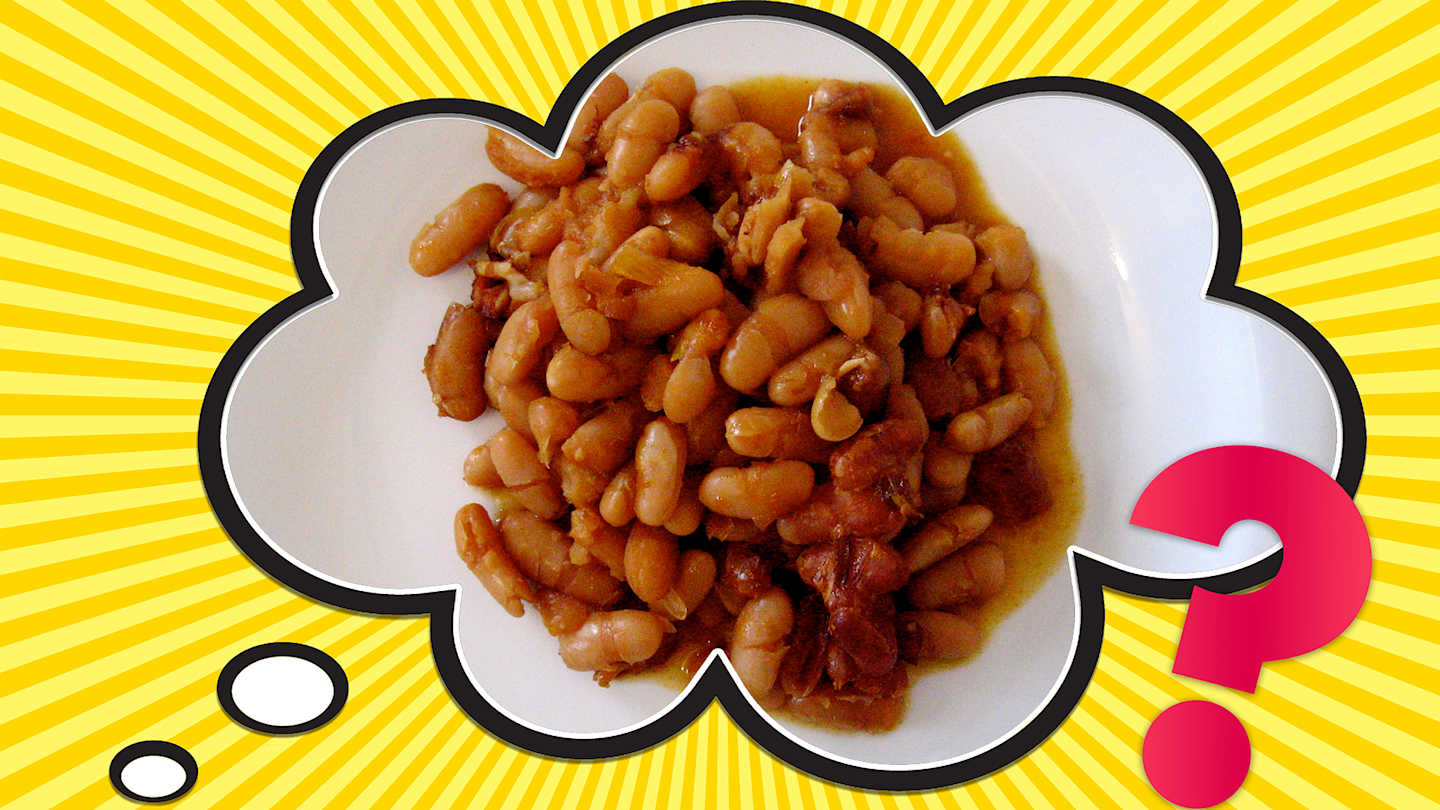

“Boston baked beans” sounds like the kind of name a city earns after doing something so often that the rest of the country just shrugs and goes,
“Yep, that’s their thing now.” And honestly? That’s basically what happenedonly with more molasses, more Saturday-night planning, and a lot more
history than you’d expect from a humble bean.
The short version is this: Boston didn’t invent beans. Boston didn’t even invent baking them. What Boston did dovery loudly, very famously
was make a particular style of slow-baked beans (sweetened with molasses and usually flavored with salt pork) so common and so associated with the city
that the dish became culinary shorthand for “Boston.” That’s how the name stuck.
The “Boston” in Boston baked beans is about a style, not a patent
In American food naming, a city name often works like a “this version is known for…” label. Think: New York-style pizza, Buffalo wings, Nashville hot chicken.
“Boston baked beans” is the New England baked-bean style that became most closely tied to Bostonespecially because Boston was a major port city where the
signature sweetener (molasses) was widely available.
What makes them “Boston” baked beans?
- Navy beans (aka pea beans) for that classic small, tender bite
- Molasses for deep, dark sweetness (more “toasty caramel” than “cupcake frosting”)
- Salt pork or bacon for savory balance
- Slow cookinghistorically in a beanpot or ovenuntil the beans and sauce become inseparable best friends
If you’ve ever had baked beans that taste like they got a tiny scholarship to culinary school (richer, darker, more complex), you’ve met the Boston style.
So where did the recipe come from in the first place?
Boston baked beans didn’t pop into existence fully formed like a colonial-era Pokémon evolution. The dish is a mash-up of influences: Indigenous bean cookery,
European bean stews, and the practical needs of early New England households. Native peoples in the Northeast cooked beans long before English settlers arrived,
often sweetening with local ingredients like maple. Colonists recognized the idea, adapted it to their own tastes and pantry, and over time the “New England”
version took on its signature ingredients.
Meanwhile, settlers also brought traditions of hearty bean-and-meat dishes from Europe. In other words: the concept of “slow beans + comfort + winter survival”
is older than Boston. The Boston part is the local twist that became famous.
The molasses clue: why Boston, specifically?
If there’s one ingredient that explains the “Boston” label, it’s molasses.
Boston had molasseslots of it
By the 1700s, Boston was deeply tied to Atlantic trade networks, and molasses flowed into New England ports as part of a larger economic system that included
sugar production in the Caribbean and rum-making in New England. Molasses wasn’t just a sweetener; it was an everyday staple in many kitchens and a key input
for rum. When molasses is abundant and affordable, people don’t just drizzle itthey cook with it. Beans were a perfect match for slow, sweet heat.
Swap maple sweetness for molasses sweetness, add salt pork, and you’re on your way to a dish that tastes unmistakably like New England: sturdy, practical,
and quietly deliciouslike a wool blanket you can eat.
The Saturday-night strategy: beans that behave on Sunday
Now we add the secret ingredient that isn’t in your pantry: scheduling.
In many colonial New England communities, Sunday was treated as a day of rest and religious observance. That meant households often tried to avoid cooking
labor on the Sabbath. Baked beans solved the problem beautifully. Families could prepare the pot on Saturday, let it bake slowly overnight in a hearth or oven,
and then eat a hot meal on Sunday without needing to “work” in the kitchen.
This traditionbeans as the do-ahead comfort food of the weekendhelped spread baked beans as a regional staple. The more a dish becomes a ritual, the more it
becomes identity. And once a dish becomes identity, it starts collecting nicknames, stories, and eventually… branding.
How the name “Boston baked beans” got cemented
A dish can be popular for a long time and still not have a fixed, famous name. What locks a name in place is usually a combination of repetition, reputation,
and a little public storytelling.
1) Boston became “the beans city” in popular imagination
Boston’s association with baked beans grew so strong that it influenced the city’s nicknames and cultural references. “Beantown” became a widely recognized
nickname (locals may side-eye it, but it exists), and “Beaneaters” even appeared historically as a label for Boston sports teamsproof that the bean identity
escaped the dinner table and wandered into everyday language.
2) Cookbooks and standard recipes spread the “Boston” label
As American cooking became more documented and standardized in the 19th and early 20th centuries, regional recipes were increasingly recorded with clear labels.
The moment writers and cookbook authors start consistently calling something “Boston baked beans,” that phrase becomes a map pin in people’s brains:
“That’s the Boston version.”
3) Restaurants, tourism, and souvenirs helped
Boston’s famous beanpotthose classic ceramic pots designed for long, slow bean cookingbecame part of the story, and even souvenir culture reinforced the link
between city and dish. When a food becomes something you can buy “Boston-themed” on your trip, the name stops being merely descriptive and becomes iconic.
Is the “Boston” part literally about being invented in Boston?
Not necessarily. It’s more accurate to say Boston baked beans are the style most associated with Boston because of:
- Ingredient availability: molasses in a major port city connected to trade and rum-making
- Cooking tradition: slow-baking as a practical Sabbath workaround
- Cultural repetition: the dish became a regional staple tied to Boston’s public identity
- Public storytelling: nicknames, cookbooks, and later commercial branding reinforced the connection
So, Boston didn’t “own” baked beans. Boston just became the place everyone thought of when you said “molasses-baked beans,” and eventually the name followed.
A quick detour: “Boston Baked Beans” is also a candy
Here’s where it gets funny: “Boston Baked Beans” can also mean a candypeanuts coated in a crunchy red shell that resembles (you guessed it) baked beans.
The candy name is basically a joke that got successful. Someone looked at a red, shiny, bean-shaped snack and said, “This looks like Boston baked beans,” and
the label stuck in the candy world too.
The candy became popular in the early 20th century and is closely associated with the Ferrara company’s “Boston Baked Beans” product. It’s a great example
of a food name doing what it does best: traveling. First it labeled a dish, then it labeled a city nickname, then it labeled a candy that isn’t beans at all.
Language is wild.
What the name tells you (before you even take a bite)
Food names are tiny history lessons. “Boston baked beans” quietly signals:
- New England flavor logic: sweet + smoky + slow-cooked comfort
- Colonial-era practicality: cooking once, eating twice (or three times, if you’re lucky)
- Trade and ingredients: molasses turning up everywhere it possibly can
- Regional identity: a dish famous enough to become a nickname
And yesif you’re the kind of person who likes culinary trivia, it also tells you Boston managed to brand itself with a legume. That’s either deeply charming
or deeply suspicious, depending on how you feel about beans.
Common myths (and what’s actually going on)
Myth: Boston baked beans were invented on one specific day by one specific person
Reality: Like most traditional foods, the dish evolved over time. The “Boston” name reflects regional association and a signature ingredient (molasses),
not a single inventor with a dramatic backstory and a quill pen.
Myth: “Beantown” proves everyone in Boston eats baked beans constantly
Reality: The nickname is real, but locals don’t always embrace it. Food nicknames often outlive daily habits. A city can be famous for a dish even if
residents aren’t eating it every Tuesday like clockwork.
Myth: The beans are sweet because New Englanders just love sugar
Reality: Molasses was a practical sweeteneravailable, cheap, shelf-stable, and flavorful. The sweetness is partly economics and supply chains,
not just a regional sweet tooth.
If you want to “taste the name,” here’s the classic flavor profile
If you’re trying to understand why the dish became famous, focus on what molasses does in a long bake:
- Deepens into a darker, almost smoky sweetness
- Clings to beans in a thick, glossy sauce
- Balances salty pork and mustardy tang
- Builds a rich aroma that makes your kitchen smell like historical reenactment (in a good way)
It’s comforting without being boring. It’s sweet without being dessert. It’s the kind of dish that makes sense in a cold climate, in a busy household,
and in a city that had a front-row seat to the molasses supply.
of “experience” around Boston baked beans (the very human side of the name)
Even if you’ve never set foot in Massachusetts, the name “Boston baked beans” can feel oddly familiarlike something you’ve heard in a movie, a school lesson,
or a joke your uncle tells when the barbecue sides show up. That’s part of the name’s power: it’s not just a label for a recipe; it’s a little cultural
time capsule.
Imagine a chilly weekend afternoon when the daylight fades early and the house feels like it wants to hibernate. This is exactly the kind of weather that
makes slow-baked food feel like a smart life choice. Someone starts soaking beans. A pot goes into the oven. Hours pass. The kitchen slowly transforms into
a warm, sweet-smoky cloud. You don’t need a history book to understand why a dish like this became a traditionyou can smell the reason.
In lots of families, baked beans show up as a “background hero.” They’re not the flashy main character. They’re the supporting actor who somehow steals the
scene by being reliable. They sit next to hot dogs, cornbread, or a simple roast. They show up at summer cookouts, but they’re also one of the rare side
dishes that makes total sense in winter. And because they reheat well, they create a second wave of comfort the next daysometimes even better than the first,
because the sauce has had time to settle into the beans like it signed a long-term lease.
The “Boston” part of the name can also spark a certain kind of curiosity: “Is this actually a Boston thing?” People ask it the way they ask about accents,
sports rivalries, or whether a city really eats what the stereotype says it eats. That question is an experience too. Food names invite debate at the table:
someone insists the original must be older than the city; someone else claims their grandmother’s version is the real one; a third person says, “Waitaren’t
Boston Baked Beans those red peanut candies?” Suddenly you’re not just eating beansyou’re telling stories.
And then there’s the travel experience. Visitors see “Beantown” on souvenirs, hear a tour guide mention old New England food traditions, or spot a beanpot in
a shop window and realize that, yes, a cooking vessel can be part of a city’s identity. The name becomes a souvenir in your mind even if you never buy one.
You might leave Boston thinking more about the Freedom Trail than beans, but the bean story sticks around because it’s so unexpectedly specific. A city famous
for revolutionary history and higher education also got branded by a slow-cooked side dish? That contrast is memorable.
Ultimately, the “experience” of Boston baked beans is the same experience behind many classic foods: people making practical choices with the ingredients they
had, repeating those choices until they became tradition, and then watching tradition harden into a name that outlasts the original circumstances. Every time
someone says “Boston baked beans,” they’re tasting a little bit of that repetitionhistory served warm, ideally with something starchy on the side.
Conclusion: So, how did Boston baked beans get their name?
Boston baked beans got their name because Boston became the place most strongly associated with a specific New England baked-beans styleespecially beans
sweetened with molasses and cooked slowly, tied to regional traditions and Boston’s historic access to molasses. Over time, that association became so strong
it influenced nicknames (“Beantown”), cultural references, and even a candy name. The dish didn’t need a single inventor to earn the label; it needed a city
with the right ingredients, the right habits, and enough fame for the rest of the country to remember.