
Some hotels try very hard to impress you. They arrive with velvet ropes, giant flower arrangements, and a lobby scent so expensive it practically has its own LinkedIn profile. Hotel Âme in Rotterdam takes the opposite route. It lowers its voice, lets the light in, puts beautiful ceramics in your hands, and quietly proves that less can absolutely do more. A lot more.
This boutique hotel in Rotterdam is the kind of place that understands the difference between empty minimalism and meaningful restraint. Hotel Âme is not sparse for the sake of being stylish. It is thoughtful, tactile, and deeply calm. Housed inside a monumental 1867 building in central Rotterdam, the hotel blends historic character with Japanese and Scandinavian influences, creating a stay that feels both curated and unfussy. In other words, it looks terrific without screaming about it.
More than just a place to sleep, Hotel Âme combines a small hotel, a café, and a concept store into one design-forward experience. That mix matters. It turns the property into a living extension of Rotterdam’s creative identity: practical, modern, aesthetically sharp, and unafraid of quiet confidence. For travelers who prefer warm wood, clean lines, excellent coffee, and rooms with actual personality over copy-and-paste chain hotel sameness, Hotel Âme is a strong argument for booking the boutique option every time.
What Makes Hotel Âme Stand Out in Rotterdam?
Hotel Âme works because it understands its own lane. It is not trying to be a grand palace hotel, a buzzy nightlife hub, or a business-travel machine with carpets that have seen too much. It is a small-scale, design-led boutique hotel with 14 rooms, a central location, and an atmosphere built around calm, craftsmanship, and intentional living. That clear identity is one of its biggest strengths.
The hotel sits on Eendrachtsweg, close to Witte de Withstraat, Museumpark, and several of Rotterdam’s best-known cultural spots. That makes it a smart base for people who want to explore the city on foot without sacrificing a sense of retreat. Rotterdam itself is famous for modern architecture, bold urban reinvention, and a creative energy that feels more experimental than polished. Hotel Âme fits right into that context, but in a softer register. If the city is a confident modernist statement, Hotel Âme is the warm neutral throw blanket draped over it.
Its appeal also comes from the fact that it feels personal. This is not a generic boutique concept built by committee after twelve presentations and a mood board emergency. The hotel has a family-run spirit, and that shows up in the details: handmade ceramics, carefully chosen materials, room-by-room variation, and a café that feels connected to the stay instead of bolted on as an afterthought. The result is intimate without being precious, stylish without becoming sterile, and memorable without resorting to gimmicks. No neon slogans on the walls. No inflatable swans in the bathtub. Civilization survives.
A Historic Rotterdam Building with a Very Modern Soul
One of the most compelling things about Hotel Âme is the building itself. The property occupies a five-floor neoclassical structure dating back to 1867. That architectural backbone gives the hotel a sense of permanence and depth before you even get to the interior styling. High ceilings, restored details, fireplaces, paneling, and an impressive staircase create a historical framework that makes the modern design choices feel richer, not flatter.
That balance between old and new is where the hotel becomes more than “pretty.” Plenty of minimalist hotels can look polished in photos. Fewer manage to feel grounded. Hotel Âme succeeds because it preserves the building’s character rather than wiping it out in the name of sleekness. The original spirit of the townhouse still matters here, and that decision gives the hotel texture in the truest sense. It has history, proportions, and architectural rhythm that newer design hotels often spend a fortune trying to fake.
The building has also had multiple past lives, including use as a residence, a bridge club, and several restaurants. That layered history adds another dimension to the stay. Hotel Âme does not feel like a blank slate; it feels like a place that has evolved. In a city known for rebuilding and reinvention, that makes it especially resonant. Rotterdam is full of striking architecture, but Hotel Âme reminds guests that beauty is not only about what is new. Sometimes it is about what is carefully kept.
The Design Language: Japandi, Warm Minimalism, and Real-Life Comfort
The hotel’s aesthetic is often described as Japanese-Scandinavian, or Japandi, and that label fits. But here, Japandi is not just an internet buzzword attached to a beige chair. It is visible in the way Hotel Âme combines natural materials, quiet colors, functional design, and a deliberate sense of calm. Think wood, linen, soft neutrals, tactile surfaces, simple silhouettes, and an overall feeling that the room is meant to lower your blood pressure, not compete for your attention.
What makes Japandi work so well in a hotel setting is the way it merges two compatible philosophies: Japanese restraint and Scandinavian comfort. One side contributes simplicity, respect for materials, and the beauty of understatement. The other brings warmth, ease, light, and livability. Hotel Âme uses that combination intelligently. The rooms are uncluttered, but they do not feel bare. The palette is subdued, but not dull. The furniture is refined, but still welcoming. It is minimalism with a pulse.
There is also a strong sense of craftsmanship throughout. The hotel leans into bespoke furniture, handmade ceramic tableware, curated objects, and a restrained material palette that rewards close attention. That matters because true luxury today often looks less like excess and more like intention. A heavy curtain, a good bedside lamp, a satisfying mug, a bed that feels genuinely restorative: these details can transform a room from photogenic to emotionally convincing. Hotel Âme seems to understand that instinctively.
Another smart choice is that the design remains warm instead of icy. Minimalist spaces can easily drift into “beautiful but emotionally unavailable.” Hotel Âme avoids that trap by layering texture and softness into the experience. The rooms and common areas feel serene, not clinical. It is the kind of design that suggests the owners wanted guests to exhale, not just post an Instagram Story and leave.
The Rooms: Small Collection, Distinct Personality
Hotel Âme has only 14 rooms, and that limited room count is a big part of the charm. Smaller boutique hotels often offer what larger properties struggle to deliver: a sense that each room matters. At Hotel Âme, no two rooms are alike, and the categories range from compact Petite rooms to larger options such as Garden, Sense, Monumental, and Monumental+.
The Petite rooms are tiny by design, built for ultra-light travelers who care more about atmosphere and efficiency than square footage. At the opposite end, the Garden room offers more space, a bathtub, a walk-in shower, and a private garden, which sounds like the kind of detail that can instantly justify your travel budget. In between are rooms with features such as street or garden views, in-room baths, high ceilings, desks, wardrobes, and stocked minibars. Several rooms include Coco-Mat natural beds, Le Labo toiletries, and pillow menus, which is an excellent combination if your vacation plans involve sleeping like a well-cared-for design editor.
What stands out most is that the rooms seem to be shaped around mood as much as function. Terms like Cosy, Sense, and Monumental are not random marketing fluff here; they reflect different spatial experiences. Slanted roofs, wooden beams, private outdoor space, baths with city views, and open or semi-open bathroom concepts help create variation. That makes Hotel Âme feel less like a standardized lodging product and more like a small collection of carefully tuned environments.
For travelers comparing boutique hotels in Rotterdam, this room variety is a real advantage. Instead of one generic room plan repeated fourteen times, Hotel Âme offers choice without chaos. It is a subtle but important distinction. The hotel respects individuality while maintaining a coherent aesthetic throughout.
The Café and Concept Store Are Not Side Projects
One of the best things about Hotel Âme is that the café and concept store feel essential to the experience, not decorative add-ons. The café serves coffee from Rotterdam roastery Shokunin, along with pastries, and the presentation matters just as much as the menu. Everything is served on handmade ceramic tableware created by Angel, a co-founder of the hotel. That single detail tells you almost everything about the place: it values craftsmanship, coherence, and small pleasures that do not need a dramatic press release.
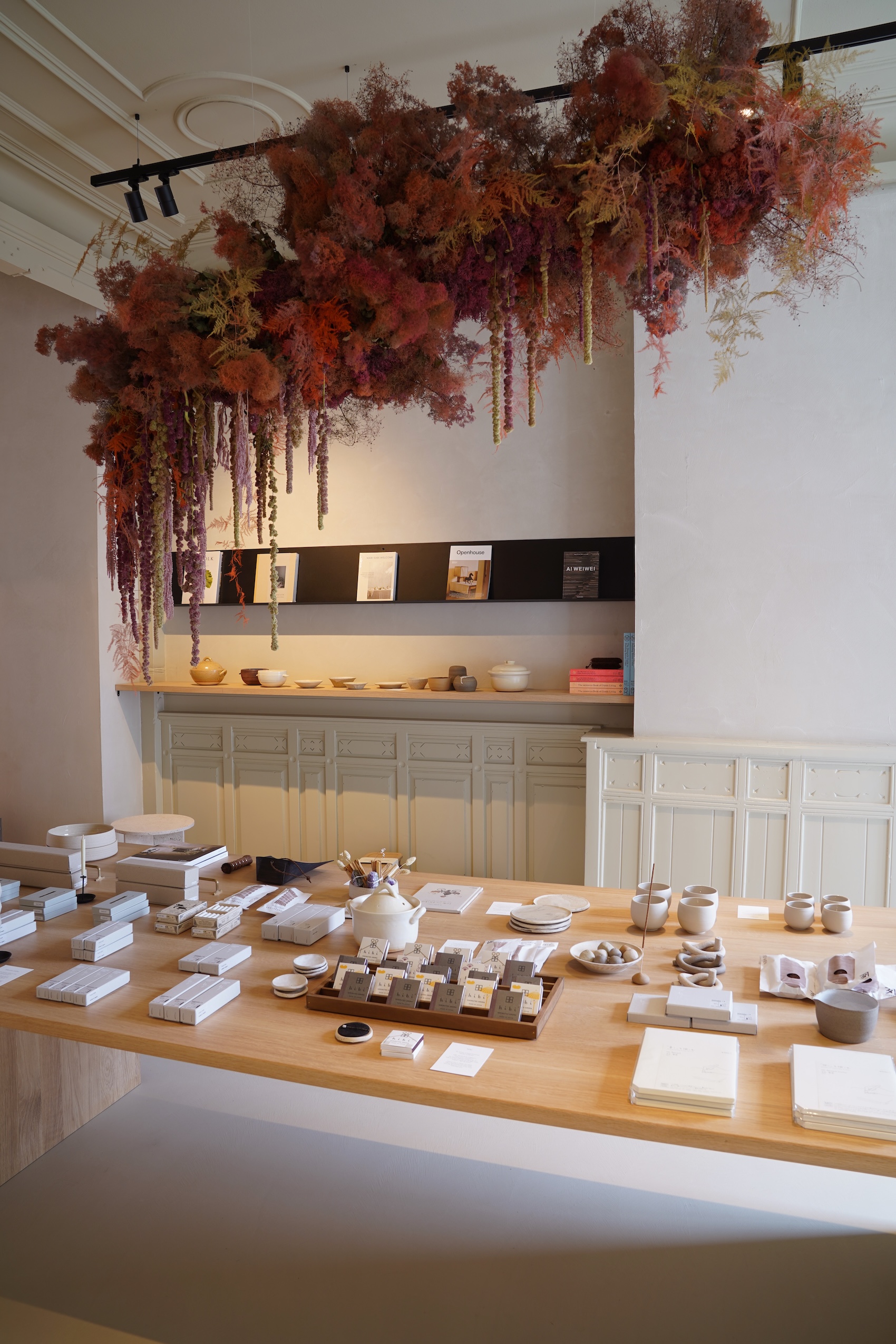
The concept store extends that same philosophy. Many of the objects used in the hotel and café are available for purchase, which is clever for two reasons. First, it allows guests to bring a piece of the hotel’s aesthetic home without buying something random that merely says “I went somewhere.” Second, it reinforces the idea that Hotel Âme is built around a lifestyle point of view, not just a hospitality product. The store, café, and hotel all speak the same visual language.
This matters more than it may seem. Travelers increasingly want boutique hotels to feel rooted in a neighborhood and in a real creative vision. Hotel cafés can sometimes feel performative, as if they exist mainly to create a laptop-friendly backdrop. Hotel Âme’s café appears more grounded than that. It functions as a local-facing space, a design statement, and an extension of the hotel’s personality. That makes the entire property feel alive during the day, not just active at check-in and breakfast.
Why Rotterdam Is the Right City for a Hotel Like This
Hotel Âme would probably be attractive in almost any city, but Rotterdam is especially good soil for it. Unlike Amsterdam, which often leans into postcard beauty and historic romance, Rotterdam has long embraced reinvention. The city is widely associated with contemporary architecture, urban experimentation, cultural institutions, and a forward-looking spirit shaped by decades of rebuilding and regeneration.
That wider city narrative helps explain why Hotel Âme feels so natural here. The hotel occupies a historical building, yes, but it speaks to the modern Rotterdam mindset: keep what matters, redesign what does not, and make the result useful as well as beautiful. Nearby attractions and neighborhoods add to the appeal. Witte de Withstraat brings energy, food, and nightlife. Museumpark offers cultural depth. The Boijmans area, the Erasmus Bridge, and central transit links all make the location practical for short city breaks or longer design-minded stays.
Rotterdam is also a city where good coffee, contemporary retail, art, and hospitality intersect in everyday life. That makes Hotel Âme’s hybrid identity especially compelling. It does not feel isolated from the city’s rhythm; it feels plugged into it. The hotel’s own city guide and way-of-life approach reinforce that connection by pointing guests toward restaurants, shops, museums, and cafés with a shared appreciation for aesthetics, craftsmanship, and atmosphere.
Who Should Book Hotel Âme?
Hotel Âme is an excellent fit for travelers who value design, calm, and a sense of place. It is ideal for couples on a stylish weekend break, solo travelers who want a peaceful but central base, architecture lovers exploring Rotterdam, and anyone who would rather have one beautifully made cup of coffee than a breakfast buffet featuring tired scrambled eggs and mysterious melon cubes.
It is also a good match for people who appreciate boutique hotels that feel lived-in rather than over-programmed. If you want personal scale, neighborhood access, and rooms with distinct character, Hotel Âme has obvious appeal. Travelers seeking big-brand amenities, extensive on-site facilities, or a large-service luxury setup may find it too restrained. But for guests who understand that true hospitality can be quiet, tactile, and deeply intentional, this hotel makes a very persuasive case.
The Experience of Staying at Hotel Âme: 500 Extra Words of Real Atmosphere
Staying at Hotel Âme is less like checking into a hotel and more like slipping into a beautifully edited version of city life. The experience begins before you even get to your room. The entrance sets the tone with a kind of low-key confidence that says, “Yes, we know this looks good, but we are not going to make a whole speech about it.” The mood is immediate: soft light, natural materials, clean lines, and a sense that every object has been chosen because it deserves to exist there. It is a relief, honestly. So many modern hotels try to impress guests with visual noise. Hotel Âme does the opposite and wins.
Morning is arguably when the place shines brightest. You wake up in a room that feels restful rather than merely photogenic. The bed is substantial, the palette is calm, and the details do not fight each other for attention. Instead of being jolted into the day by visual clutter, you get a softer start. Maybe that sounds dramatic for a hotel review, but good design really does alter the texture of a morning. At Hotel Âme, the atmosphere encourages a slower pace without ever feeling sleepy or dull.
Then there is the café, which changes the emotional rhythm of the stay. Rather than treating coffee as a functional necessity, Hotel Âme turns it into part of the experience. Guests can ease into the day with a pastry and a carefully made drink served on handmade ceramics that actually feel pleasant in the hand. That matters more than it should, and yet it absolutely does. Great hospitality often lives in these micro-moments: the weight of a cup, the comfort of a chair, the way daylight lands on a tabletop. Hotel Âme appears built around exactly that level of attention.
There is also something refreshing about how the hotel encourages you to interact with Rotterdam as a city, not just consume it as a backdrop. Because the location is central, you can step outside and move quickly between museums, cafés, design shops, and lively streets, then come back to a room that feels like a palate cleanser. That contrast is part of the pleasure. Rotterdam can be energetic, architectural, and sharp-edged. Hotel Âme gives you a place to reset between adventures without dropping the aesthetic ball.
By evening, the hotel’s design starts to read differently. In daylight, the interiors feel airy and precise. At night, they feel intimate. Lamps, shadows, textures, and warm tones become more noticeable, and the whole place leans into a kind of understated coziness that many minimalist spaces never achieve. This is where Hotel Âme separates itself from design concepts that look impressive online but feel cold in person. Here, the minimalism has warmth. It has softness. It has enough soul to justify the name.
And that may be the best way to sum up the stay. Hotel Âme is not trying to entertain you with spectacle. It offers something rarer: a sense of calm that feels genuine, a design identity that feels coherent, and a hospitality style that feels personal. In a travel landscape crowded with sameness and noise, that is not just attractive. It is memorable.
Final Verdict
Hotel Âme is one of those rare boutique hotels that understands beauty as a full experience, not just a visual trick. It combines a restored 19th-century Rotterdam building with warm minimalist design, distinctive rooms, a café worth visiting even if you are not staying overnight, and a concept store that extends the hotel’s personality beyond the guest room. The result is elegant, intimate, and quietly persuasive.
For travelers searching for a minimalist boutique hotel in Rotterdam, a design hotel with a café, or simply a stay that feels more personal than polished-to-death, Hotel Âme is an easy standout. It does not rely on excess. It relies on clarity, craft, and atmosphere. And in hospitality, that kind of confidence tends to age very well.