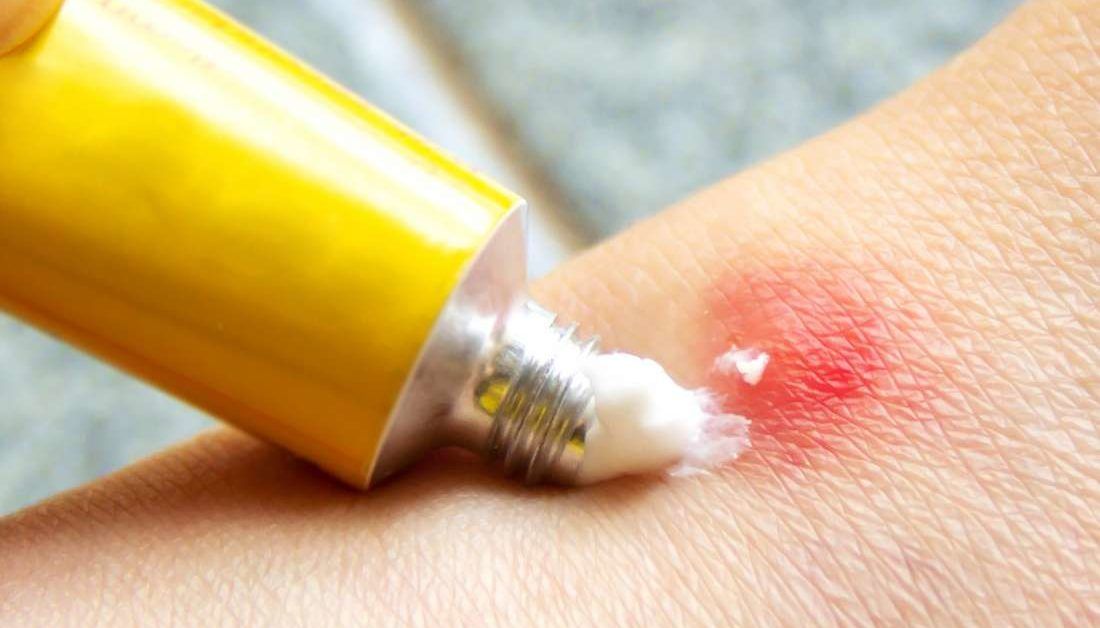

Few things ruin a perfectly good evening faster than the high-pitched whine of a mosquito and the
itchy bump it leaves behind. One minute you’re enjoying the backyard, the next you’re on a
mission to scratch your leg off. The good news? You probably have several effective home remedies for
mosquito bites sitting in your kitchen or bathroom right now.
In this guide, we’ll break down 6 home remedies for mosquito bites that actually work, why
they help, and when it’s time to stop DIY-ing and call a doctor instead. We’ll also touch on
prevention, because the best mosquito bite is the one that never lands on you in the first place.
Why mosquito bites itch so much
When a mosquito bites, it isn’t just rudely stealing your blood. It also injects a little bit of
saliva into your skin. That saliva contains proteins that stop your blood from clotting and help
the mosquito feed. Your immune system recognizes those proteins as “uh, absolutely not” and
releases histamine, which causes itching, swelling, and redness.
For most people, a mosquito bite is a small itchy bump that fades in a few days. But some folks
have a stronger reaction, known as skeeter syndrome, where bites become very large, warm,
and swollensometimes resembling an infection.
While this article focuses on itch relief, keep in mind that mosquitoes can also transmit diseases
like West Nile virus, dengue, or malaria in many parts of the world. If you feel sick after a bite
(fever, headache, fatigue, rash), a medical check-in is always wise.
First-aid basics for any mosquito bite
Before we dive into home remedies, start with these simple steps recommended by major health agencies:
- Wash the bite with soap and water to remove dirt and reduce the risk of infection.
-
Cool it down with an ice pack or cold compress for about 10 minutes to calm swelling and
itching. -
Try not to scratch (yes, easier said than done). Scratching can break the skin, invite
bacteria in, and lead to infection. -
If needed, you can use over-the-counter (OTC) hydrocortisone cream or an oral antihistamine for
stronger itch relief, as organizations like the American Academy of Dermatology and Mayo Clinic
recommend.
Once you’ve done the basics, you can reach for home remediesmany of which science and dermatology
experts say can genuinely help calm the itch.
6 home remedies for mosquito bites that actually work
1. Cold compress or ice: Fast, simple, and effective
If you want immediately noticeable relief, cold is your best friend. Crushed ice or a cold pack
numbs the skin, reduces blood flow to the area, and helps bring down swelling.
The CDC and dermatology groups commonly recommend applying an ice pack wrapped in a cloth for
about 10 minutes at a time to decrease itch and puffiness.
How to use it:
- Wrap a few ice cubes in a clean washcloth or use a cold gel pack.
- Apply it to the bite for 10 minutes, then remove for at least 10 minutes.
- Repeat as needed throughout the day.
Pro tip: Don’t apply ice directly on bare skinyour goal is “ahh,” not freezer burn.
2. Baking soda paste: A classic home remedy
Baking soda (sodium bicarbonate) is an old-school favorite for bug bitesand it’s not just folklore.
The CDC notes that a baking soda paste can help reduce the itch response from mosquito bites.
Its mild alkalinity may help neutralize local pH changes in the skin and calm irritation. It’s not a
cure-all, but for many people it takes the edge off that “must scratch now” feeling.
How to use it:
- Mix about 1 tablespoon of baking soda with just enough water to make a thick paste.
- Apply a thin layer over the bite.
- Leave it on for about 10 minutes, then rinse off gently.
Safety note: If you notice burning, stinging, or a rash, rinse it off and skip this
remedyyour skin may be too sensitive for baking soda.
3. Oatmeal: Not just for breakfast
Oatmeal is a superstar in soothing irritated skin and is commonly used in products for eczema and
rashes. Colloidal oatmeal, in particular, has anti-inflammatory and anti-irritant properties that
can calm redness and itching.
How to use it as a paste:
- Mix equal parts ground oats and water to create a paste.
- Apply directly to the bite and leave it on for 10–15 minutes.
- Rinse off with cool water and pat dry.
How to use it in a bath:
- Grind a cup of plain oats into a fine powder.
- Sprinkle into a tub of lukewarm (not hot) water and stir well.
- Soak for about 15–20 minutes, then gently pat your skin dry.
This is especially helpful if you’ve turned into a full mosquito buffet and have many bites at once.
4. Aloe vera gel: Cooling relief with bonus skin benefits
Aloe vera is famous for helping with sunburns, but it’s also a solid pick for soothing bug bites.
It has natural anti-inflammatory and cooling properties that can help calm itching and redness, and
it may even help skin heal a bit faster.
How to use it:
- Use pure aloe vera gel (from the plant or a store-bought product with minimal additives).
- Apply a small amount directly to the bite.
- Reapply a few times a day as needed.
Shopping tip: Look for aloe gel with as few added fragrances and alcohols as possible,
since those can irritate sensitive or already-inflamed skin.
5. Honey: Sticky, but surprisingly soothing
Honey isn’t just great on toastit’s been used for centuries to help with minor wounds and skin
irritation. It has natural anti-inflammatory and antimicrobial properties, which may help control
itch and reduce the risk of infection if you’ve scratched a bite a little too enthusiastically.
How to use it:
- Place a tiny dab of honey directly on the mosquito bite.
- Cover with a small bandage if you’re worried about making everything you touch sticky.
Important: Don’t use honey on open, deeply scratched, or obviously infected skin, and
do not use honey as a topical remedy on infants under 1 year old.
6. Witch hazel: A gentle, plant-based astringent
Witch hazel is a natural astringent that dermatology sources and home-remedy guides frequently
recommend for bites. It contains tannins and other compounds that help reduce inflammation,
calm irritation, and slightly tighten the skin’s surface.
How to use it:
- Soak a cotton ball or pad with witch hazel.
- Dab gently over the bite area.
- Let it air-dry; reapply a few times a day if needed.
Many people find this especially helpful when bites are in awkward places that are hard to treat
with thick creams or sticky products.
When mosquito bites are more than “just itchy”
Most bites can be treated at home and will settle down within a few days.
But some symptoms are red flags that you should get medical help instead of piling on more home
remedies.
Call a doctor or seek urgent care if you notice:
- Very large swelling around the bite, especially if it’s hot and painful.
- Signs of infection – spreading redness, warmth, pus, or streaks extending from the bite.
- Fever, chills, fatigue, headache, or body aches after multiple mosquito bites.
- Swelling of the face, lips, tongue, or throat; trouble breathing; or feeling faint (possible severe allergic reaction).
- Symptoms that last more than a week or keep getting worse.
For people with skeeter syndrome or a history of strong allergic reactions to bites, your
healthcare provider may recommend prescription treatments or specific prevention strategies.
Don’t forget prevention: The best “remedy” is no bite at all
Once you’ve spent an evening turning yourself into a walking buffet, you’ll probably be more
motivated to prevent bites next time. Major organizations like the CDC and Mayo Clinic recommend a
combination of protective clothing and proven insect repellents.
-
Use an EPA-registered insect repellent with active ingredients such as DEET, picaridin,
IR3535, oil of lemon eucalyptus (OLE), or para-menthane-diol (PMD), following the label
directions carefully. -
Wear protective clothing: long sleeves, long pants, socks, and closed shoesespecially
at dawn and dusk when many mosquitoes are most active. - Use physical barriers like window screens, bed nets, and stroller netting for infants.
-
Eliminate standing water around your home (flower pots, buckets, old tires), which are
prime mosquito breeding spots.
Think of it this way: the fewer bites you get, the less you’ll need to experiment with paste,
plants, and pantry items later.
Real-life experiences with home remedies for mosquito bites
Home remedies sound good on paper, but how do they play out in real life? Here are some
experience-based scenarios that illustrate what actually tends to work, what doesn’t, and how to
combine remedies smartly.
The camping trip that turned into a chemistry experiment
Imagine a long weekend camping trip where everyone remembers the marshmallows but forgets the bug
spray. By night two, half the group is doing the mosquito dancescratching ankles, slapping arms,
and muttering threats against all flying creatures.
One person starts with the simplest fix: cold compresses using a zip-top bag of ice from the
cooler. Within a few minutes, the intense itch eases enough to stop constant scratching. Another
camper remembers they packed instant oats. Mixed with a splash of water, the oatmeal paste becomes
the group’s go-to for the worst bites. People report the paste feels cooling and makes the bumps
less angry-looking once rinsed off.
Later that night, someone pulls out a travel-size aloe vera gel meant for sunburns. It ends up
being surprisingly useful for the cluster of bites around ankles and wrists where socks and
watchbands rubbed. The combination of ice first, then aloe, seems to give longer-lasting relief
than either alone.
The “I scratched too much” situation
At home, the story is often different. You don’t notice the mosquito bite until you’re already in
bed scrolling on your phone. You absentmindedly scratch, and by morning the area is red, raised,
and slightly tender. This is where gentle, layered care really matters.
First, you wash the area with mild soap and water to lower infection risk. Then you apply a
baking soda paste for 10 minutes to quiet the itch. Once that’s rinsed off and the skin is
patted dry, you dab on a bit of witch hazel with a cotton pad to calm the surrounding redness.
Before bed, you choose a non-greasy approach that won’t stick to your sheets: a thin layer of
aloe vera and a cool compress for 5–10 minutes. By morning, the bite still existsbut you’re not
tempted to scratch it raw, and the skin looks calmer. Over a couple of days, the bump fades without
leaving a scab or scar.
Parents, kids, and the “don’t scratch!” battle
For parents, mosquito bites can turn into a nightly negotiation: “Please don’t scratch, you’ll make
it worse!” Kids, of course, translate this to: “Scratch harder when no one is looking.”
Many families find that using oatmeal baths for multiple bites can be a game-changer. When a child
comes in dotted with bites after playing outside, a quick lukewarm oatmeal soak helps reduce the
overall itch level. After the bath, dabbing a tiny amount of honey or aloe gel on the worst
spots and covering them with small bandages gives kids both comfort and a visible reminder not to
scratch.
Some parents also keep pre-made ice packs or cold gel sleeves in the freezer and present them as a
“superpower cooler” for bites. Turning relief into a mini ritualfive minutes of ice, a funny story,
and then a stickercan make kids more cooperative and less focused on itching.
When DIY hits its limit
Of course, experiences also show where home remedies stop being enough. People with very intense
reactions (big, hot, swollen welts) often find that ice, baking soda, and aloe only partly help.
In those cases, a quick telehealth visit or clinic trip for advice, and sometimes a stronger
antihistamine or a short course of prescription cream, makes a world of difference.
The bottom line from real-world experience: home remedies work best when you use them early,
gently, and consistently. And they’re most effective when combined with smart preventionusing
repellent, covering up, and making your home less mosquito-friendlyso you’re not battling new bites
every day.
Final thoughts
Mosquito bites are annoying, but they don’t have to hijack your whole week. Simple home remedies like
cold compresses, baking soda paste, oatmeal, aloe vera, honey, and witch hazel can all help take
the itch and drama down several notches. Pair those with basic first aid, smart prevention, and a
little common sense about when to call a doctor, and you’re well on your way to a less itchy life.
Think of your mosquito-bite toolkit as a small mix of science-backed tricks and practical comfort:
cool it, calm it, don’t scratch it, and try not to invite mosquitoes over in the first place.
see a doctor.
sapo:
Mosquito bites are tiny, but the itching can feel huge. The good news: You don’t need a pharmacy
run every time a mosquito sneaks a snack. From ice and baking soda paste to oatmeal, aloe vera,
honey, and witch hazel, several science-backed home remedies can help calm swelling, cool the burn,
and keep you from scratching your skin raw. In this in-depth guide, you’ll learn exactly how to use
each remedy, how to combine them safely, when a bite needs medical attention, and simple prevention
tricks so you can spend more time enjoying the outdoorsand less time attacking your ankles.