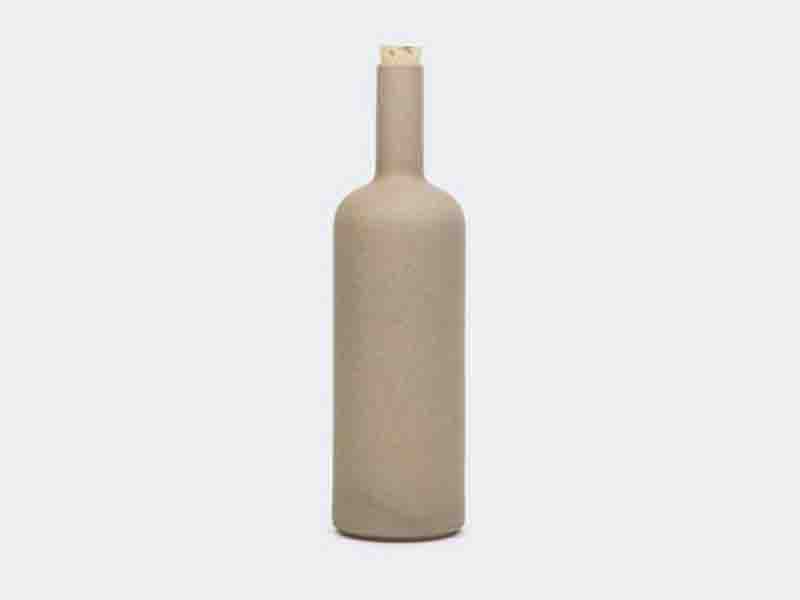

The Hasami Porcelain Bottle is one of those rare home objects that looks like it has never raised its voice in its life. It is quiet, cylindrical, beautifully proportioned, and somehow more confident than half the furniture in the room. Designed with the calm precision of Japanese tableware and the casual usefulness of modern living, this bottle is not just a container for water, sake, tea, cold brew, or a single dramatic flower stem. It is a small lesson in restraint.
At first glance, it may seem simple: a tall porcelain bottle with a cork stopper, available in understated finishes such as Natural, Black, and Gloss Gray. But the charm of Hasami Porcelain is that “simple” does not mean “plain.” It means considered. Every curve, edge, surface, and proportion has a purpose. The result is a bottle that can sit on a dining table, kitchen shelf, bedside tray, or open cabinet and instantly make the area look like an adult lives thereeven if the junk drawer is still hosting three expired batteries and a mystery key.
In this guide, we will explore what makes the Hasami Porcelain Bottle special, how it fits into the larger Hasami Porcelain collection, why design lovers keep talking about it, and how to use and care for it in real life.
What Is the Hasami Porcelain Bottle?
The Hasami Porcelain Bottle is a tall, cylindrical ceramic bottle made in Hasami, a historic pottery town in Nagasaki Prefecture, Japan. The bottle is part of the broader Hasami Porcelain collection, a modern tableware line known for modular shapes, muted colors, stackable forms, and a distinctive semi-porcelain material that feels both refined and organic.
Most versions of the bottle measure approximately 3 3/8 inches in diameter and 12 inches tall, or about 85 mm by 300 mm. Capacity is commonly listed around 1 liter to 1.1 liters, roughly 38 fluid ounces. That makes it practical for serving water at dinner, storing chilled tea, presenting sake, holding a batch of cold brew, or standing in as a minimalist vase when flowers are in the mood to be architectural.
The design is intentionally spare. The body is straight and vertical, the base is stable, the mouth is narrow, and the cork stopper adds a warm natural accent. There are no decorative swirls, no fussy handles, no logo shouting from across the room. The bottle succeeds because it knows exactly what it is. If kitchenware had a meditation practice, this would be the instructor.
The Story Behind Hasami Porcelain
To understand the bottle, it helps to understand the place behind it. Hasami has been associated with ceramic production for roughly 400 years, with roots reaching back to the Edo period. Unlike some luxury ceramics that were historically reserved for elites, Hasami ware became known for producing everyday porcelain at scale while maintaining consistency, function, and beauty.
That history matters because Hasami Porcelain does not feel like a nostalgic replica. Instead, it feels like a modern continuation of a long craft tradition. The line was created by designer Takuhiro Shinomoto, founder of Tortoise General Store in Venice Beach, California. His design approach combines Japanese craft heritage with a modern, almost architectural sensibility. The result is tableware that looks equally comfortable in a Japanese kitchen, a California bungalow, a Scandinavian-inspired apartment, or a very ambitious studio apartment with one excellent shelf.
Material: Why Semi-Porcelain Feels Different
One of the most important features of the Hasami Porcelain Bottle is its material. Hasami Porcelain is often described as semi-porcelain, made from a blend that includes porcelain stone and clay. This gives the bottle a character that sits somewhere between traditional porcelain and earthenware.
Regular porcelain can look elegant but sometimes feels cold, shiny, and a little too perfectlike it has never eaten leftovers directly from the fridge. Earthenware, on the other hand, often feels warmer and more rustic but may lack the crispness of porcelain. Hasami Porcelain finds a pleasing middle ground. It is firmer and sharper than common pottery, yet softer and more organic in the hand than glossy white porcelain.
The Natural finish has a subtle texture and earthy tone, while Black and Gloss Gray bring a smoother, moodier presence. Each finish changes the personality of the bottle. Natural feels quiet and warm. Black feels dramatic without becoming theatrical. Gloss Gray feels polished but not flashy. In all three, the shape remains beautifully controlled.
Design Details That Make It Stand Out
1. A Pure Cylindrical Shape
The Hasami Porcelain Bottle is based on clean geometry: circles, straight lines, and balanced proportions. This is part of the larger Hasami Porcelain design language. Plates, bowls, mugs, trays, planters, and bottles all share a modular approach, which is why the collection looks cohesive without becoming matchy-matchy.
The bottle’s cylindrical body gives it visual strength. It does not taper dramatically, bulge unnecessarily, or pretend to be a sculpture. Yet somehow, by refusing to show off, it becomes sculptural.
2. A Cork Stopper That Adds Warmth
The cork stopper is a small but important detail. It softens the minimal ceramic form and makes the bottle feel more tactile. Cork also adds a natural contrast to the cool surface of porcelain. It is the design equivalent of wearing linen with a good watch: relaxed, but clearly intentional.
Because cork is a natural material, it should be handled with care. The ceramic bottle may be dishwasher safe according to many retailers, but the cork is best washed by hand and dried thoroughly. Nobody wants a fancy bottle with a sad, soggy cork. That is not the minimalist dream.
3. A Neutral Color Palette
Hasami Porcelain is famous for its muted tones. The bottle does not rely on trendy colors that will look dated next season. Instead, it uses earthy, neutral finishes that pair naturally with wood, linen, stone, glass, stainless steel, and other ceramics.
This makes the Hasami Porcelain Bottle easy to style. Place it beside a walnut cutting board, and it looks warm. Put it on a marble countertop, and it looks refined. Set it next to a stack of Hasami mugs and plates, and suddenly your shelf looks curated instead of “I panic-bought dishes during a sale.”
How to Use the Hasami Porcelain Bottle
As a Water Bottle for the Table
The most obvious use is also one of the best. Fill the Hasami Porcelain Bottle with chilled water and place it on the dining table. It instantly upgrades dinner, even if dinner is pasta with jarred sauce and a heroic amount of Parmesan. The bottle keeps the table looking clean and intentional, and its tall shape saves space compared with wider pitchers.
For Cold Brew, Iced Tea, or Infused Water
The bottle is a strong candidate for cold drinks. Use it for cold brew coffee, barley tea, green tea, lemon water, cucumber mint water, or any drink that makes you feel like you have your life together. Because the mouth is relatively narrow, it is best for liquids rather than chunky infusions. Thin citrus slices, herbs, and tea work well; an entire fruit salad does not.
For Sake or Wine Service
The Hasami Porcelain Bottle also works beautifully for serving sake or small-format wine at the table. The clean silhouette feels ceremonial without being stiff. It respects the drink but does not turn your dinner into a museum tour.
As a Minimalist Vase
When not used for beverages, the bottle can double as a vase. A single branch, eucalyptus stem, dried grass, or tall seasonal flower looks excellent in it. The narrow opening encourages restraint, which is helpful because floral arranging can quickly become a wrestling match with stems.
Hasami Porcelain Bottle vs. Regular Ceramic Bottles
Compared with ordinary ceramic bottles, the Hasami Porcelain Bottle stands out for its disciplined proportions, tactile material, and design continuity. Many ceramic bottles are decorative first and useful second. Hasami flips that order. It is useful first, which is exactly why it becomes decorative.
The bottle is not covered in patterns. It does not use bright colors to attract attention. It is not trying to be the quirky guest at the table. Instead, it supports the atmosphere around it. This is especially valuable in modern interiors, where too many statement pieces can make a room feel like twelve tabs are open in your brain.
Care and Maintenance
Care instructions can vary slightly by retailer and finish, so it is wise to check the guidance that comes with your specific bottle. In general, Hasami Porcelain pieces are often described as microwave and dishwasher safe, though the bottle’s cork stopper should be hand washed. The bottle should not be used in an oven or over an open flame.
For daily use, gentle hand washing is the safest routine, especially if you want to preserve the surface finish over time. Use warm water, mild dish soap, and a bottle brush for the interior. Avoid abrasive scrubbers, especially on matte surfaces. If you use the bottle for coffee or tea, rinse it soon after use to reduce staining. If you use it for flowers, clean it regularly so the inside does not turn into a tiny swamp with excellent design taste.
Who Should Buy the Hasami Porcelain Bottle?
The Hasami Porcelain Bottle is ideal for people who appreciate functional design, Japanese ceramics, minimalist tableware, and objects that improve everyday rituals. It is a strong choice for home cooks, design enthusiasts, coffee lovers, tea drinkers, hosts, and anyone trying to create a calmer kitchen or dining area.
It is also a thoughtful gift. Unlike some decorative gifts that require the recipient to pretend they love a ceramic owl, this bottle is practical and versatile. It can serve drinks, hold flowers, or simply live on a shelf looking serene. That is a lot of emotional labor for one bottle, but it handles the job gracefully.
Buying Tips
Before buying a Hasami Porcelain Bottle, consider the finish. Natural is the most earthy and tactile. Black is bold and modern. Gloss Gray is smooth, subtle, and elegant. If you already own Hasami Porcelain plates, mugs, or bowls, choose a finish that complements your current pieces. Mixing finishes can look beautiful because the collection is designed around shared forms and proportions.
Also consider how you plan to use it. If it will be used mainly for drinks, make sure you are comfortable cleaning a tall narrow vessel. If it will serve as a vase, think about where it will sit and what stems you usually buy. If it will be displayed on open shelving, congratulationsyou are officially the kind of person who thinks about shelf composition, and honestly, good for you.
Why the Hasami Porcelain Bottle Works So Well in Modern Homes
The popularity of the Hasami Porcelain Bottle comes from more than looks. Modern homes often need objects that do several jobs without creating visual noise. This bottle fits that need perfectly. It is useful enough for daily routines and attractive enough to leave out. That matters because the best home objects are not the ones hidden in cabinets. They are the ones that earn their place in plain sight.
The bottle also taps into a larger desire for slower, more intentional living. Pouring water from a beautiful bottle will not solve your inbox, your laundry, or your habit of buying herbs and forgetting them in the refrigerator. But it can make a small daily moment feel more deliberate. Sometimes that is enough. Sometimes the path to a better day begins with a nice bottle and the decision not to drink directly from the carton.
Experience Notes: Living With a Hasami Porcelain Bottle
Using a Hasami Porcelain Bottle changes the rhythm of a table in a subtle way. It is not a loud object, but it has presence. When placed at the center of a meal, it makes the table feel calmer and more complete. There is something satisfying about reaching for a ceramic bottle instead of a plastic pitcher or a branded container from the refrigerator. The movement feels slower, almost ceremonial, but not in a fussy way. It simply makes serving water, tea, or sake feel like part of the meal rather than an afterthought.
The weight is one of the first things people notice. It feels sturdy without feeling clumsy. The tall form is easy to grip around the body, though people with smaller hands may prefer to hold it with both hands when full. The cork stopper fits the mood of the piece beautifully. Pulling it out makes a soft, natural gesture that suits the bottle’s quiet personality. It is not airtight in the way a modern screw-top bottle might be, so it is better for serving and short-term storage than for shaking drinks, transporting liquids, or tossing into a backpack. This is not a gym bottle. It is far too dignified for that chaos.
On a dining table, the Natural finish pairs especially well with linen napkins, wooden trays, handmade bowls, and simple glassware. The Black finish creates a sharper look and works beautifully in modern kitchens with stainless steel, dark stone, or open shelving. Gloss Gray is perhaps the easiest to blend into different settings because it feels polished but still understated. It does not demand a matching table setting, which is a relief for anyone whose plates came from three different eras of adulthood.
Cleaning the bottle is straightforward, but it benefits from a little care. A bottle brush is useful because the shape is narrow and tall. After using it for tea, coffee, or infused water, rinsing promptly helps keep the interior fresh. The cork should be washed separately by hand and allowed to dry completely before being placed back in the bottle. That one small habit makes the bottle easier to maintain over time.
The most enjoyable part of owning a Hasami Porcelain Bottle is how naturally it moves between uses. In the morning, it can hold cold water on a desk. At lunch, it can serve iced tea. At dinner, it can sit beside a simple meal and make everything feel slightly more composed. The next day, it can hold a single branch by a window and look as if that was its true purpose all along. That flexibility is the real beauty of the design. It does not need to be dramatic to be memorable. It just needs to be used.
Conclusion
The Hasami Porcelain Bottle is a refined example of everyday design done right. It combines Japanese ceramic heritage, modern California-influenced minimalism, practical proportions, and a warm tactile material into one quietly impressive object. Whether used for water, tea, sake, cold brew, or flowers, it brings calm structure to the table and beauty to daily routines.
Its appeal is not about decoration for decoration’s sake. It is about usefulness, proportion, texture, and restraint. The Hasami Porcelain Bottle proves that an object does not have to be complicated to feel special. Sometimes all it needs is a perfect cylinder, a thoughtful material, a cork stopper, and the confidence to stay quiet while making everything around it look better.