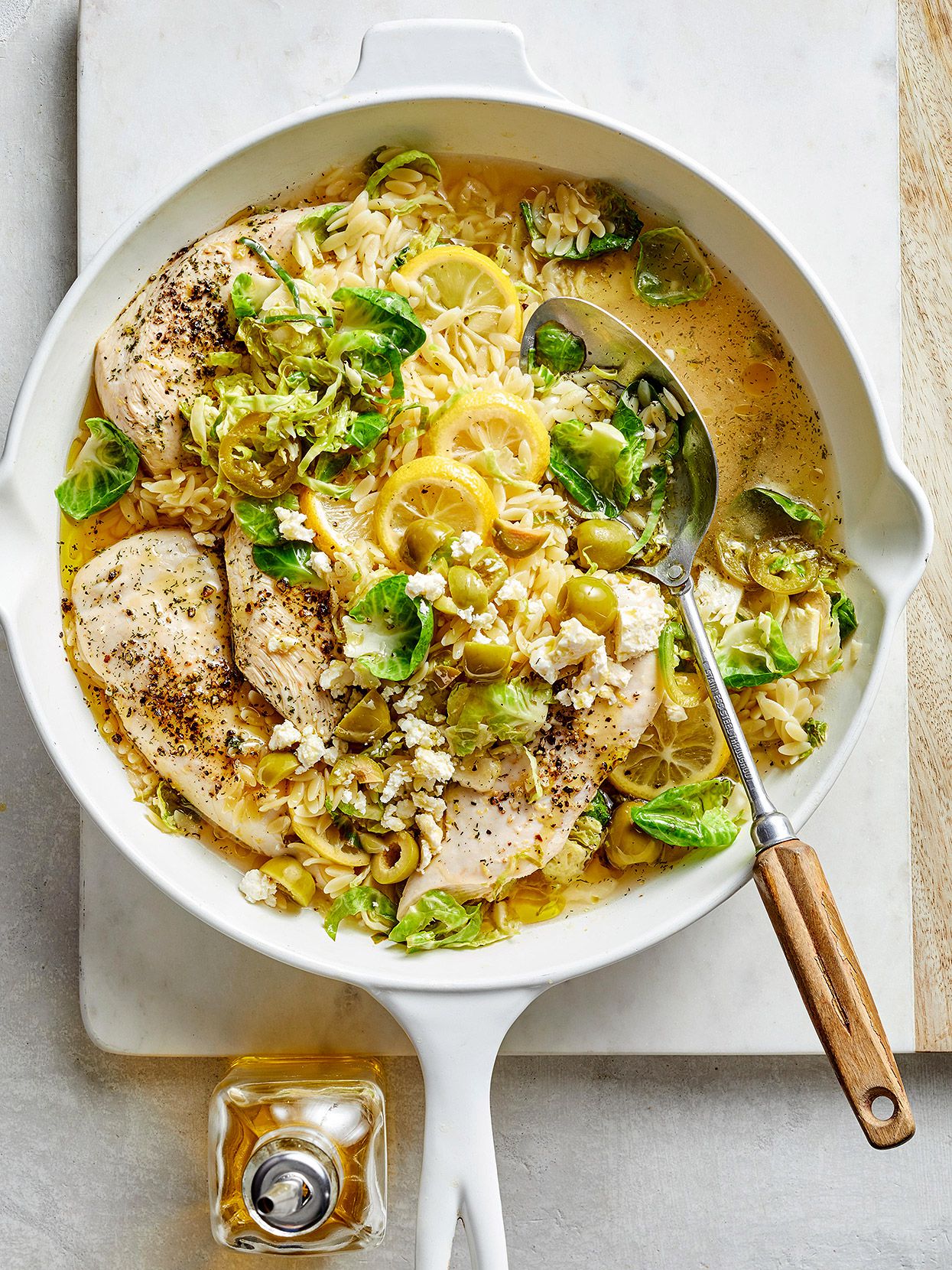

If your weeknight dinner routine is stuck in a “chicken… again?” loop, this Greek chicken skillet is your escape hatch.
It’s bright with lemon, cozy with garlic and oregano, and just fancy enough to feel like you put on real pants to cook it.
Best part: it’s a one-pan situation (aka the dish fairy won’t be filing a complaint).
This recipe leans into classic Greek-inspired flavorsolive oil, lemon, oregano, tomatoes, briny olives, and fetathen uses
smart skillet technique to keep the chicken juicy and the sauce punchy. It’s fast, flexible, and built to work whether you’re
feeding a crowd or just trying to feed Future You with leftovers.
Why This Greek Chicken Skillet Works
- One pan, big flavor: Sear the chicken, then build a quick sauce in the same skillet for maximum taste (and minimum cleanup).
- Greek-inspired balance: Lemon + oregano bring brightness, tomatoes add sweetness, and feta/olives deliver that salty, tangy “wow.”
- Weeknight-proof: A short marinate is optional, and the whole thing can be on the table in about 30–40 minutes.
- Customizable: Make it low-carb, add orzo, toss in spinach, or go heavy on the veggiesno culinary police will show up.
Ingredients
This is a “simple pantry meets fresh produce” recipe. If you cook even occasionally, you probably have most of this already.
For the chicken
- 1.5 pounds boneless, skinless chicken thighs (or chicken breastssee notes below)
- 2 tablespoons olive oil (plus more as needed for the pan)
- 1 tablespoon lemon juice
- 1 teaspoon lemon zest (optional, but highly recommended for big lemon flavor without extra acid)
- 2 teaspoons dried oregano
- 1 teaspoon garlic powder (or swap in 2 cloves fresh garlic later)
- 1/2 teaspoon smoked paprika (optional, adds warmth)
- 3/4 teaspoon kosher salt (use less if your olives/feta are very salty)
- 1/2 teaspoon black pepper
For the skillet sauce + veggies
- 1/2 red onion, thinly sliced
- 3 cloves garlic, minced
- 1 bell pepper, sliced (optional but great)
- 1 pint cherry or grape tomatoes, halved
- 1/2 cup Kalamata olives, pitted and halved
- 1/2 cup chicken broth (or water in a pinch)
- 1 tablespoon red wine vinegar (or another squeeze of lemon)
- 2 cups baby spinach (optional, wilts down fast)
- 1/2 cup crumbled feta (add more if you like living deliciously)
- 2 tablespoons chopped fresh parsley or dill (or both)
Optional serving ideas
- Warm pita or flatbread
- Rice, quinoa, or couscous
- Orzo (see variation below)
- Simple Greek salad (cucumber + tomato + red onion + olives + feta)
Step-by-Step: How to Make Greek Chicken in a Skillet
This method is built around a simple principle: get color on the chicken first, then let the pan drippings do the heavy lifting
for your sauce. That’s how you get restaurant vibes without restaurant effort.
-
Season (and optionally “quick-marinate”) the chicken.
In a bowl, toss chicken with olive oil, lemon juice, zest, oregano, garlic powder, paprika, salt, and pepper.
If you have time, let it sit 15–30 minutes while you chop veggies. If you’re using a lemon-heavy marinade,
don’t let it go for too longacids can mess with texture if left for hours and hours. For many acidic marinades,
a few hours is plenty. -
Heat the skillet.
Place a large skillet (cast iron or heavy stainless steel works great) over medium-high heat. Add a small drizzle of olive oil.
You want it hot enough that the chicken sizzles immediately. -
Sear the chicken.
Add chicken in a single layer (work in batches if neededcrowding = steaming).
Sear thighs about 4–6 minutes per side, until nicely browned. If using breasts, sear 4–5 minutes per side depending on thickness.
Transfer to a plate. -
Sauté the aromatics.
Reduce heat to medium. Add onion (and bell pepper if using). Cook 3–4 minutes until softened.
Add garlic and cook 30 seconds, just until fragrant (garlic burns fast and holds grudges). -
Build the sauce.
Add tomatoes, olives, chicken broth, and red wine vinegar. Scrape the bottom of the pan to release the browned bits
(that’s flavor you already paid for). Simmer 3–5 minutes until tomatoes begin to soften. -
Return chicken + finish cooking.
Nestle chicken back into the skillet and spoon some sauce over the top. Cover and cook 5–10 minutes,
until chicken reaches 165°F internal temperature at the thickest part.
(A thermometer removes guesswork and saves you from “is it done?” panic.) -
Add spinach and feta at the end.
Stir spinach into the sauce (if using) and let it wilt 1–2 minutes.
Turn off heat and sprinkle feta over everything. Top with parsley/dill and serve.
Pro Tips for the Best Flavor
1) Choose thighs for maximum forgiveness
Chicken thighs are naturally juicier and more forgiving if you cook a minute too long. Chicken breasts work too,
but they benefit from being pounded to an even thickness so they cook evenly (no dry “outer edge” while the middle catches up).
2) Don’t over-marinate when lemon is involved
Lemon is amazinguntil it “cooks” your chicken on a molecular level and makes the texture weird.
If your marinade is acidic (lemon, vinegar, wine), think 15 minutes to a few hours, not days.
Want overnight? Use mostly olive oil, herbs, garlic, and zest, and add lemon juice closer to cooking time.
3) Salt strategically
Kalamata olives and feta are already salty. Season the chicken, but keep the sauce’s salt light until you taste it.
If it needs more at the end, add a pinch. If it’s already salty, add more tomatoes, a splash of broth, or extra lemon.
4) Finish with feta off the heat
Feta is best when it stays creamy and tangy. Sprinkle it in at the end so it softens a bit without disappearing into the sauce.
(We’re going for “feta confetti,” not “mysterious salty fog.”)
Easy Variations
Greek Chicken Skillet with Orzo (one-pan comfort)
Want this to feel extra cozy? Orzo turns your skillet into a full meal.
After sautéing onion/pepper and garlic, stir in 1 cup dry orzo and add 2 to 2 1/2 cups broth or water.
Simmer, stirring often, until orzo is tender (about 10–12 minutes). Then add tomatoes/olives and return the chicken to finish.
Top with feta and herbs. This approach gives you a creamy, tomato-y, feta-flecked base that’s dangerously easy to keep “taste-testing.”
Low-carb Greek chicken skillet
Skip pasta or grains and double down on veggies: add zucchini ribbons, chopped cucumber (off heat), extra spinach,
or even cauliflower rice on the side. The sauce is flavorful enough to make vegetables feel like the main character.
Dairy-free version
Skip feta and finish with a drizzle of good olive oil, extra herbs, and a handful of toasted pine nuts.
You still get richnessjust with a different vibe.
Spicy version
Add crushed red pepper flakes with the garlic, or finish with a spoonful of harissa. Greek-ish? Sure. Delicious? Absolutely.
What to Serve with Greek Chicken Skillet
This dish plays well with others. Here are a few favorites:
- Greek salad: cucumber, tomato, red onion, olives, feta, olive oil, and a splash of vinegar or lemon.
- Warm pita: perfect for scooping up saucy tomatoes and melty feta.
- Rice or quinoa: great if you want something neutral to soak up all that lemony, garlicky goodness.
- Roasted vegetables: especially potatoes, zucchini, or green beans.
Make-Ahead, Storage, and Reheating
Make-ahead moves
- Chop your onion, garlic, and tomatoes earlier in the day.
- Mix your seasoning blend in advance (oregano + garlic powder + paprika + pepper).
- If marinating, keep it refrigerated and avoid overly long marinating with lots of acid.
Storage
Cool leftovers quickly and refrigerate within 2 hours. Keep refrigerated and enjoy within a few days for best quality.
If you live somewhere very warm, remember food safety rules tighten up when temperatures rise.
Reheating
- Stovetop: reheat gently with a splash of broth to loosen the sauce.
- Microwave: cover and heat in short bursts so the chicken doesn’t overcook.
- Pro tip: add a fresh sprinkle of feta and herbs after reheating to “wake up” the flavor.
Common Mistakes (and How to Avoid Them)
“Why is my chicken pale and sad?”
The pan wasn’t hot enough, or the chicken was crowded. Sear in batches and leave the chicken alone long enough to brown.
Browning isn’t just prettyit’s flavor chemistry.
“My sauce tastes too salty.”
Olives + feta + salted broth can stack up fast. Fix it with more tomatoes, a splash of water/broth, or a squeeze of lemon.
Serve over rice or orzo to mellow it out.
“My chicken is dry.”
Breasts can overcook quickly, especially if they’re uneven in thickness. Pound them to even thickness, cover to finish gently,
and use a thermometer so you’re not guessing.
Nutrition Notes (Quick, Practical, Not Judgy)
This skillet is protein-forward, loaded with vegetables, and uses heart-healthy fats like olive oil.
If you want to lighten it, use a bit less feta and add extra veggies.
If you want it more filling, serve with whole grains or add the orzo variation.
Kitchen Experiences: The Real-Life Side of a Greek Chicken Skillet (Extra Notes)
Here’s something people don’t tell you about skillet dinners: the first time you make one, you learn more from the pan than from the recipe.
Greek chicken skillet is a perfect example because it’s simple enough to improvise, but flavorful enough that tiny tweaks feel dramatic.
In many home kitchens, the “aha” moment comes when you realize the sauce isn’t a separate thingit’s the skillet itself doing overtime.
Those browned bits stuck to the pan after searing? That’s not a mess. That’s a flavor savings account, and you cash it in the second you add broth
and scrape with a wooden spoon.
Another common experience: the salt surprise. People often season like they’re making plain chicken, then add olives and feta and wonder why the
final bite tastes like it just got back from a swim in the Aegean. The fix is simpleseason the chicken confidently, but treat the sauce like a
“taste as you go” project. If your feta is especially salty, you can even hold some back and sprinkle it on individual servings, letting everyone
choose their own level of tang. It’s basically dinner customization, without turning your kitchen into a build-your-own-burrito bar.
Then there’s the lemon learning curve. A lot of cooks start with the idea that “more lemon equals more Greek,” andflavor-wisethat’s not wrong.
But texture-wise, lemon juice can be bossy if you marinate too long. A great trick many cooks end up adopting is using lemon zest early (huge aroma,
no extra acid), and saving lemon juice for the sauce right at the end. That way the dish tastes bright and fresh without risking chicken that feels
oddly firm or “pre-cooked.” It’s also why finishing with a final squeeze of lemon at the table feels so good: it’s sharp, lively, and totally under
your control.
People also notice how this recipe behaves differently depending on the chicken cut. Thighs tend to turn out juicy even if you get distracted by a text
message or a “quick scroll” that becomes a full episode of your favorite show. Breasts can still be great, but they reward a little strategyflattening
them to even thickness, cooking them gently at the end, and pulling them as soon as they’re done. If you’ve ever had a dry chicken breast and thought,
“Well, I guess this is my personality now,” this is your redemption arc: a thermometer, a lid, and a little patience.
Finally, a fun dinner-table experience: this skillet is a bridge recipe. It’s familiar enough for picky eaters (it’s chicken, it’s saucy, it’s not weird),
but interesting enough for adventurous eaters who want bold flavors. Some people scoop it with pita, some pile it over rice, and some go straight from pan
to plate like they’re auditioning for a cooking show called “No One Has Time.” And when leftovers happen, they often taste even better the next day,
because the oregano, garlic, and lemon have had time to settle in like they pay rent. If you want a dinner that feels both easy and special, this one-pan
Greek chicken skillet is exactly that sweet spot.
Conclusion
Greek chicken skillet is the kind of recipe that makes weeknights feel less like a chore and more like a win.
You get juicy chicken, a bright tomato-olive sauce, tangy feta, and the flexibility to serve it however your life demands
over grains, with pita, or straight out of the pan (no judgment, only admiration).
Once you make it once, it’s hard not to keep the ingredients on standby for the next “what’s for dinner?” emergency.