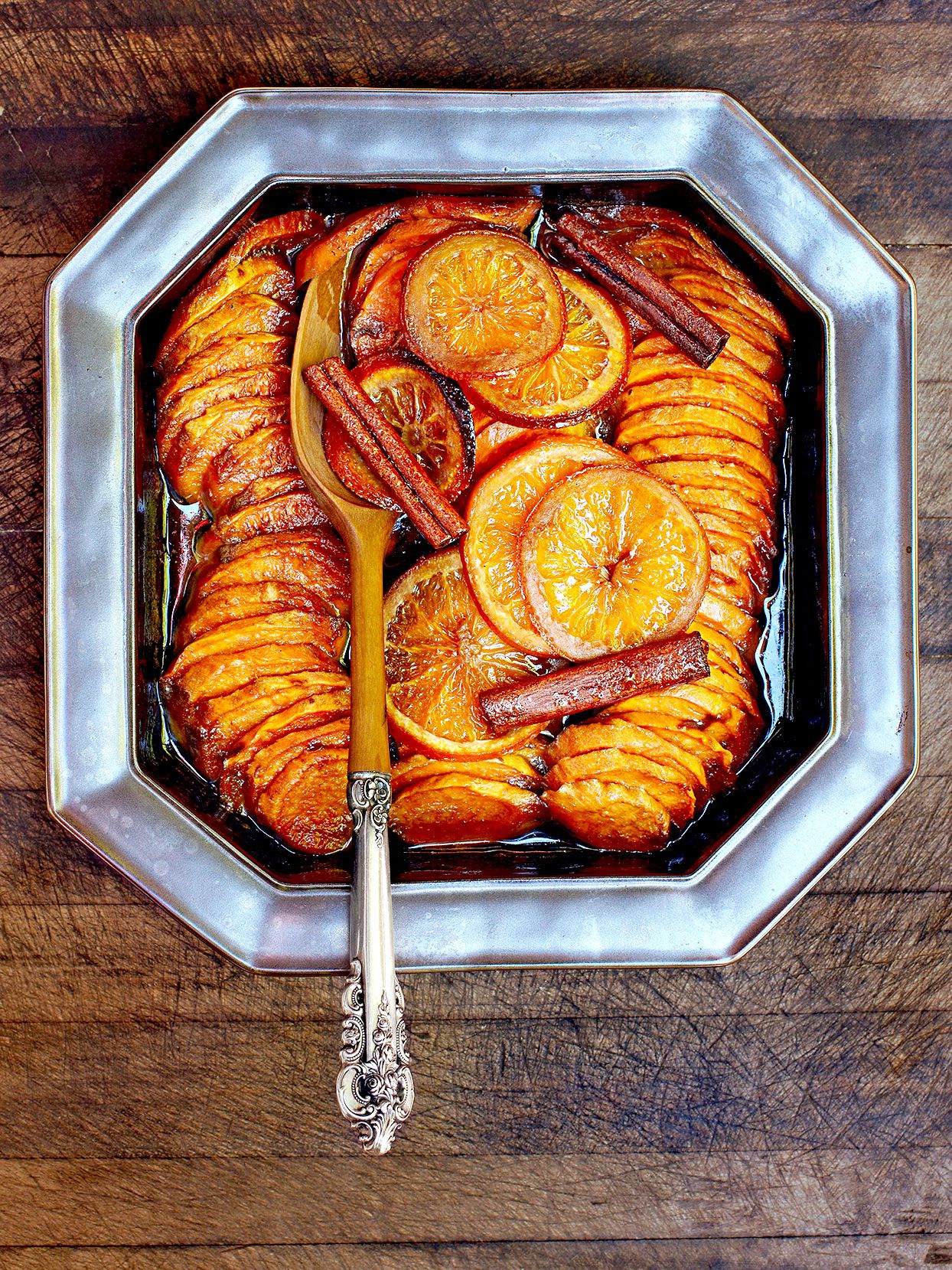

There are side dishes, and then there are holiday table celebrities. Grandma’s candied yam recipe belongs in the second category. It arrives glossy, sweet, buttery, and smelling like cinnamon had a very successful day. One spoonful tastes like Thanksgiving, Sunday supper, and that one aunt who says, “I just made a little something,” before setting down a casserole dish heavy enough to alter gravity.
Even better, this classic is not difficult. Despite its legendary reputation, candied yams are basically tender slices of sweet potato baked in a rich syrup made with butter, brown sugar, warm spices, and a little flavor magic. In many American kitchens, the dish is still called “candied yams,” even though it’s usually made with orange-fleshed sweet potatoes. Whatever your family calls it, the goal is the same: soft centers, caramelized edges, and a sauce so good people start dragging dinner rolls through it when they think no one is looking.
This version keeps the old-school charm but skips the guesswork. It gives you the classic flavor, explains why it works, and points out the mistakes that turn a glorious holiday side into sugary orange mush. Nobody needs that kind of drama next to the turkey.
What Makes Grandma’s Candied Yam Recipe So Good?
The best old-fashioned candied yam recipe is not trying to be trendy. It is not topped with edible glitter, hiding under twelve unnecessary ingredients, or calling itself “deconstructed.” It is simple, rich, and deeply comforting.
Grandma-style candied yams usually work because they hit four notes at once:
1. Sweet, but not one-note sweet
Brown sugar brings molasses depth, while a little granulated sugar helps the glaze shine. Warm spices keep the sweetness from tasting flat.
2. Soft, silky texture
The sweet potatoes should be fork-tender but still hold their shape. You want slices, not orange pudding pretending to be slices.
3. A buttery glaze
Butter turns sugar and juices into a glossy sauce that clings to every piece. This is the part that makes the dish feel like a proper holiday side and not just roasted vegetables with commitment issues.
4. A little balance
Vanilla, salt, and a splash of orange juice help keep the flavor from becoming cloying. Some cooks use pineapple juice, maple syrup, or bourbon, but the underlying idea is the same: sweetness needs contrast.
Yams vs. Sweet Potatoes: The Truth Behind the Name
Here is the kitchen plot twist: most American candied yam recipes are actually made with sweet potatoes. True yams are starchier, drier, rougher on the outside, and much less common in U.S. grocery stores. The orange-fleshed tubers labeled as “yams” in supermarkets are usually just sweet potato varieties marketed with a familiar nickname.
So for the best Grandma’s candied yam recipe, buy firm orange sweet potatoes with smooth skin. They bake up soft, naturally sweet, and beautifully caramelized. In other words, they understood the assignment.
Ingredients for Grandma’s Candied Yam Recipe
This recipe serves 8 and fits comfortably in a standard 9×13-inch baking dish.
- 4 pounds orange-fleshed sweet potatoes, peeled and cut into 1/2-inch rounds
- 1/2 cup unsalted butter, cut into pieces
- 3/4 cup packed light brown sugar
- 1/4 cup granulated sugar
- 1/2 cup orange juice
- 1 tablespoon pure vanilla extract
- 1 teaspoon ground cinnamon
- 1/4 teaspoon ground nutmeg
- 1/4 teaspoon ground ginger
- 1/2 teaspoon kosher salt
- Optional: 1/2 cup chopped pecans
- Optional: 1 to 1 1/2 cups mini marshmallows for the last few minutes of baking
How to Make Grandma’s Candied Yams
Step 1: Prep the sweet potatoes
Preheat your oven to 375°F. Peel the sweet potatoes and slice them into even rounds about 1/2 inch thick. Try to keep the pieces uniform so they cook at the same rate. Random thick-and-thin slicing is how some pieces end up perfect while others remain suspiciously crunchy.
Step 2: Build the dish
Arrange the sweet potato slices in a greased 9×13-inch baking dish. Overlap them slightly, like neat little shingles. This helps them cook evenly and gives the finished dish that classic holiday look.
Step 3: Make the glaze
In a saucepan over medium heat, melt the butter. Stir in the brown sugar, granulated sugar, orange juice, vanilla, cinnamon, nutmeg, ginger, and salt. Heat just until the sugar starts dissolving and the mixture looks smooth and glossy. You do not need to cook it into candy. This is candied yams, not a chemistry final.
Step 4: Pour and bake
Pour the glaze evenly over the sweet potatoes. Cover the dish with foil and bake for 30 minutes. Remove the foil, spoon some of the syrup over the top, and bake uncovered for another 25 to 35 minutes, until the potatoes are tender and the sauce has thickened.
Step 5: Finish strong
If using pecans, sprinkle them on in the last 10 minutes. If you are team marshmallow, add them during the last 5 minutes and return the dish to the oven just until puffed and lightly toasted. Watch closely here. Marshmallows go from golden and glorious to “who set dessert on fire?” in record time.
Step 6: Let it rest
Rest the dish for 10 to 15 minutes before serving. The glaze thickens as it cools slightly, which makes the texture much better and the flavor more intense.
Why This Recipe Works
The sweet potatoes release moisture as they bake, which mingles with butter, sugar, and orange juice to create a syrupy glaze. Covering the dish first traps steam and softens the slices. Uncovering it later lets the sauce reduce and caramelize. That two-stage method is the difference between a watery pan and a glossy, spoon-coating finish.
The orange juice does more than add flavor. Its acidity brightens the dish and keeps it from tasting heavy. Vanilla softens the sharper sugar notes, and salt keeps the whole thing from veering into candy-shop territory. It is sweet, yes, but it still tastes like a side dish rather than a pie filling having an identity crisis.
Common Mistakes People Make With Candied Yams
Using the wrong potatoes
Use orange sweet potatoes for the most classic texture and flavor. White sweet potatoes and true yams can work, but they do not give the same creamy, rich result most people expect from candied yams.
Slicing them too thin
Very thin slices fall apart before the glaze has time to thicken. Keep them around 1/2 inch thick so they stay tender without collapsing.
Skipping the salt
This is a sugary dish, but it still needs salt. Without it, the flavor tastes flat and overly sweet.
Not covering the pan at first
If you bake everything uncovered from the start, the sauce can reduce too quickly while the potatoes remain undercooked. The foil stage is your friend.
Drowning the dish in marshmallows
Marshmallows are optional, not mandatory. A light layer can be fun. An avalanche turns the whole thing into dessert wearing a fake mustache.
Serving it immediately from the oven
Resting time matters. Fresh out of the oven, the syrup is loose. Give it a few minutes, and it becomes thick, buttery, and worthy of applause.
Easy Variations on Grandma’s Candied Yam Recipe
Classic Southern style
Stick with butter, brown sugar, cinnamon, nutmeg, and vanilla. This is the version that tastes most like tradition.
Citrus-forward version
Add orange zest or swap part of the orange juice with pineapple juice for a brighter, fruitier glaze.
Bourbon candied yams
Add 1 to 2 tablespoons of bourbon to the glaze for warmth and depth. It is subtle, grown-up, and very holiday-party approved.
Pecan topping
Chopped pecans bring crunch to a dish that is otherwise soft and silky. They also make the top look extra special with almost no effort.
Marshmallow finish
For families who consider marshmallows non-negotiable, add them at the end. They are not traditional in every household, but they are beloved in many.
Make-Ahead, Storage, and Reheating Tips
This is one of the best holiday side dishes to make ahead. You can assemble the sweet potatoes and glaze in the baking dish up to one day in advance, cover, and refrigerate. When ready to bake, let the dish sit at room temperature for about 20 to 30 minutes first so it warms up slightly.
Leftovers keep well in the refrigerator for 3 to 4 days. Reheat covered in a 325°F oven until warmed through, or microwave individual portions if you are simply trying to enjoy a quiet, secret plate before everyone else discovers the leftovers exist.
Freezing is possible, though the texture may soften a little after thawing. For best results, freeze without marshmallows and add any topping fresh after reheating.
What to Serve With Candied Yams
Grandma’s candied yam recipe naturally fits on a Thanksgiving menu, but it also works with roast chicken, baked ham, pork tenderloin, or fried turkey. Because it is rich and sweet, it pairs especially well with savory, salty mains and sharper side dishes.
Good companions include green beans, collard greens, roasted Brussels sprouts, cornbread dressing, or a bright cranberry relish. In other words, candied yams like having responsible friends around.
Final Thoughts on Grandma’s Candied Yam Recipe
The reason this dish keeps showing up year after year is simple: it tastes like care. It is humble, familiar, and just indulgent enough to feel special. The ingredients are ordinary, but the result is memorable. That is the secret of many old family recipes. They do not need to be flashy. They just need to be good enough that people start hovering near the serving spoon.
If you want your candied yams tender, glossy, warmly spiced, and worthy of a second helping, this version gets you there. It respects the classics, leaves room for family preferences, and delivers the kind of comfort food that makes people close their eyes after the first bite. That is usually the highest compliment a holiday dish can get.
Experiences and Memories Around Grandma’s Candied Yam Recipe
Part of the charm of Grandma’s candied yam recipe is that nobody remembers it as just a recipe. People remember the smell first. Before the turkey hit the table or the rolls came out of the oven, there was usually a sweet, buttery, cinnamon-rich scent floating through the house like an announcement that something good was about to happen. Even people who claimed they were “just here for the ham” somehow ended up sneaking a spoonful of candied yams straight from the baking dish.
For a lot of families, this dish carries a funny kind of emotional authority. Mac and cheese may be negotiable. The salad may come and go. But candied yams? Those are sacred. Change too much, and someone over the age of sixty will narrow their eyes and ask why you felt the need to “get creative.” That is how powerful food memory can be. The dish is not only sweet potatoes, butter, and sugar. It is history with a serving spoon.
There is also something wonderfully theatrical about making it. The peeling, the slicing, the saucepan of bubbling sugar and butter, the final glossy pour over the pan of bright orange roundsit all feels like a holiday performance. Then comes the oven transformation, when the potatoes soften, the syrup thickens, and the edges start caramelizing. You open the oven door and think, yes, this is exactly the kind of drama I support.
Many home cooks also learn the recipe through observation rather than measurements. Grandma did not always say, “Add one teaspoon of cinnamon.” She said things like, “That’s enough,” while tossing it in with the confidence of a kitchen wizard. Recreating the dish later becomes an act of detective work: a little more vanilla, a little less juice, maybe pecans this time, maybe not. In that way, candied yams become personal. Every family version is close cousins with the others, but no two are exactly alike.
And then there is the moment at the table. Someone always takes a cautious first scoop, pretending to be measured and restrained. Ten minutes later, the serving dish looks suspiciously shallow. Children treat it like dessert. Adults insist it is a vegetable. Everyone wins. The leftovers, when they exist, are somehow even better the next day, once the glaze has settled in and the flavors have had time to deepen.
That is why Grandma’s candied yam recipe lasts. It is delicious, yes, but it is also tied to real moments: crowded kitchens, holiday laughter, second helpings, handwritten recipe cards, and the quiet pride of putting a beloved dish on the table and watching it disappear. Good recipes feed people. Great recipes become part of the family language. Candied yams, at their best, do both.