
Winter has a special talent: it finds the one gap in your sleeve cuff, sneaks in like a cartoon villain, and turns your fingers into tiny,
uncooperative popsicles. Meanwhile, your torso is doing its best impression of a space heater… set to “barely.”
If you’ve ever tried to text while shivering (and accidentally ordered 40 pounds of cat food), you already understand the appeal of heated gear.
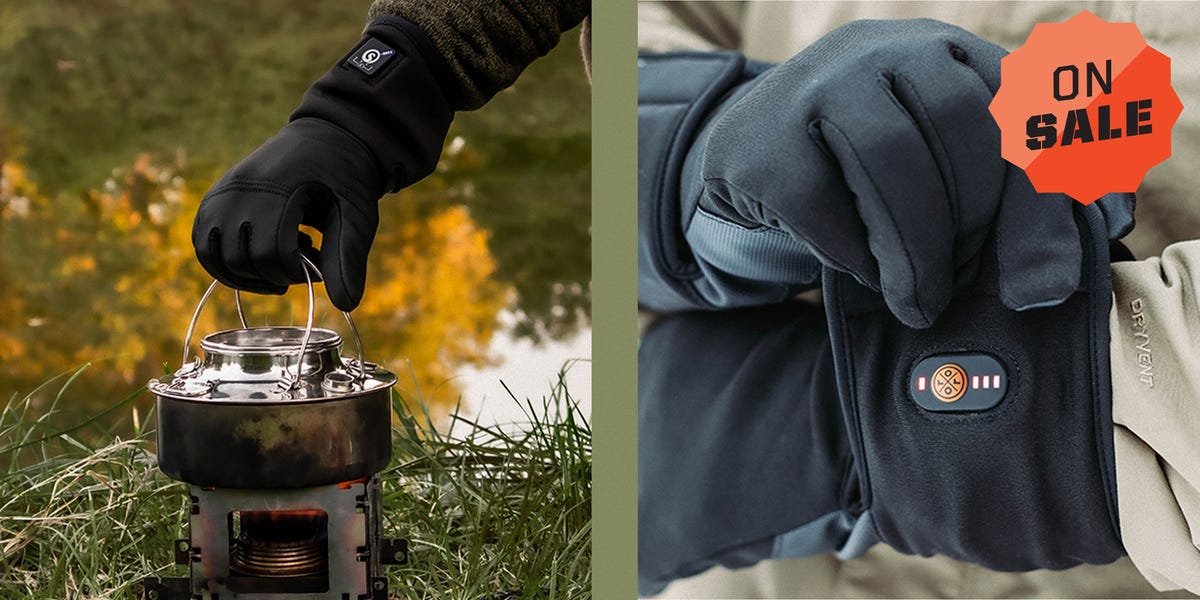
Heated gloves and heated jackets aren’t “fashion statements” as much as they are portable comfort systemsbattery-powered warmth placed right where
the cold hits hardest. And when you can score up to 30% off during seasonal promos, clearance events, and retailer sales,
the math gets even toastier.
Why Heated Gear Feels Like Cheating (In a Good Way)
Your body prioritizes keeping your core warm, which often means less warm blood flow to hands and feet when temperatures drop. That’s why you can
feel “fine” in a thick coat while your fingers start negotiating a resignation letter. Heated gloves and jackets help by adding targeted warmth
back into the places that usually lose the battle firsthands, pockets, chest, and back.
Heated apparel also plays nicely with layering: instead of wearing five bulky sweaters and waddling like a bundled-up penguin, you can build a
sensible base + insulation + shell system and let the heating elements handle the “extra credit” warmth.
How to Actually Get Up to 30% Off (Without Becoming a Full-Time Coupon Detective)
1) Shop the “predictable sale windows”
Heated gear discounts tend to spike around big retail moments (holiday weekends, end-of-season clearance) and during brand-wide promotions.
The exact timing changes, but the pattern doesn’t: when winter gear rotates out, discounts rotate in.
2) Stack the easy wins: email sign-ups, bundles, and “extra battery” promos
Many heated-gear brands offer first-time buyer discounts via newsletter sign-ups, and some retailers run bundle deals (jacket + spare battery,
or gloves + charger). A spare battery can matter more than you thinkbecause “warmth” is great, but “warmth that lasts through the whole football game”
is the real flex.
3) Compare the full cost, not just the percent off
- Battery included? Some products ship as “shell only,” while others include battery and charger.
- Return policy: Fit and glove dexterity are personaleasy returns reduce risk.
- Warranty + certifications: A reputable battery pack with proper safety certifications is worth prioritizing.
4) Use retailer filters like a pro
On big marketplaces, search terms like “heated jacket 7.4V,” “heated gloves 7V,” “heated work jacket,” “heated glove liners” help narrow
results quickly. Then filter by rating, return policy, and shipping speed (because cold weather rarely gives two-day notice).
Heated Gloves: What Matters Most (Because Hands Are Drama Queens)
Heat placement: fingertips or bust
Some heated gloves focus warmth across the back of the hand; better designs push heat into the fingers and thumbexactly where you feel cold first.
If you deal with chronically cold fingers (or Raynaud’s-style sensitivity), fingertip heating is the feature that separates “nice” from “life-changing.”
Dexterity: the eternal trade-off
Here’s the reality: adding insulation, wiring, and a battery tends to make gloves bulkier. That can reduce fine motor controlzippers, phone screens,
tiny keyholes, and anything else designed by someone who clearly lives in a tropical climate.
If you need nimble hands, consider heated liners under a roomier shell glove, or choose a “work glove” style that emphasizes grip and movement.
Battery and runtime: what to expect in real life
Most battery-heated gloves use rechargeable lithium packs and offer 3 heat levels (low/medium/high). Real-world runtime depends on battery size,
outside temperature, wind, and how much insulation the glove has without the heat on.
- High heat is often best as a “boost” to warm up fastthen drop to medium/low to extend runtime.
- Low heat is usually the “all-day” settingespecially when paired with good insulation and a windproof outer layer.
- Spare battery turns a short commute glove into an all-afternoon glove.
If you want numbers, many brands publish ranges like “about 2 hours on high and up to ~8 hours on low,” which is a helpful benchmark when you’re comparing models.
Just remember: the colder and windier it gets, the harder your batteries work.
Waterproofing and wind protection: heat escapes faster than you think
Heated gloves shine when they’re also good gloves. Look for weather-resistant shells, sealed seams, and (for snow sports) a waterproof/breathable membrane.
If wind cuts through the fabric, your heat fights a losing battlelike trying to warm soup in a bowl with a hole in it.
Best-use scenarios for heated gloves
- Commuting: Great for waiting on platforms, walking from parking lots, and scraping ice without feeling your soul leave your body.
- Outdoor work: Ideal for stop-and-go movement where your hands cool quickly between tasks.
- Skiing/hiking: Helpful for chairlift rides and breaksespecially if your circulation runs cold.
- Motorcycling: Consider whether you need battery-powered gloves or a higher-power wired system for longer rides.
Heated Jackets: The Sweet Spot Between “Layer Up” and “I Can’t Move My Arms”
Heating zones: core warmth is the main event
Most heated jackets focus on the back and chest, sometimes adding heated pockets (a feature that feels oddly luxurious when your hands are freezing).
Jackets with multiple zones can distribute warmth more evenlyespecially helpful if you’re standing still outdoors (sports events, outdoor markets, job sites).
Voltage platforms: 5V vs. 7.4V vs. 12V (what it means for you)
You’ll commonly see a few power setups:
- 5V USB-style systems: Convenient, often compatible with power banks, generally milder heat output.
- 7.4V systems: Very common in consumer heated jackets and vestsquick warm-up, solid performance, and often good battery efficiency.
- 12V systems: More common in motorcycle-oriented gear or higher-output setups; can deliver stronger heat but may trade off portability.
For many people, 7.4V hits the practical sweet spot: fast warm-up, noticeable heat, and battery packs designed for apparel (often with safety certifications and garment-specific connectors).
Fit and layering: heated gear isn’t a magic force field
Heated jackets work best when the warmth stays close to your body. Too loose, and heat dissipates; too tight, and you compress insulation and reduce warmth.
A good rule: choose a fit that allows a base layer underneath and (if needed) a shell over top.
A classic layering system still wins: a moisture-wicking base layer, an insulating middle layer, and a wind/rain shell when conditions demand it.
A heated jacket can act as your insulating layer or your outer layer, depending on how windy and wet it is.
What to Buy: Quick “Match the Gear to the Mission” Guide
If you want everyday warmth (commuting, errands, dog walks)
Look for a heated jacket with simple controls (3 heat settings), core-zone heating (chest/back), and a battery rated for “workday-ish” runtime on low.
Heated pockets are a surprisingly big quality-of-life upgrade when you’re outdoors for short bursts all day.
If you work outside (construction, deliveries, warehouse yards)
Prioritize durability, wind resistance, and compatibility with gloves that still allow grip and tool handling.
Work-focused heated jackets often integrate with tool-battery platformsgreat if you already own the batteries.
Just remember: higher heat output can drain packs faster, so plan your battery strategy.
If you ski, snowboard, hunt, or spend hours in snow
You’ll want insulation that works even when the heat is off, plus weather protection.
For gloves, choose a model built like a real ski glove: waterproofing, gauntlet cuffs, and insulation that doesn’t rely entirely on the heating element.
If you want the “smart budget” move
Consider heated glove liners paired with quality outer shells, or a heated vest under an existing winter coat.
This approach lets you reuse your favorite outerwear while upgrading the warmth where it counts.
Safety and Care: Stay Warm Without Doing Anything Weird to Lithium Batteries
Cold-weather safety still matters
Heated gear helps, but it doesn’t make you invincible. If you’re outside in extreme cold, watch for early signs of cold-related injury.
If skin turns numb, waxy, or discoloredor if shivering becomes intense and confusion kicks inget to warmth fast.
Also: wet clothing is the cold’s best friend. Change out of damp layers promptly.
Battery safety 101 (the boring part that prevents exciting problems)
- Use the charger and battery designed for the garment whenever possible.
- Don’t wash the battery (yes, people do this; no, it doesn’t end well).
- Avoid crushing, puncturing, or “testing” the battery with random chargers you found in a drawer from 2013.
- If you store gear for the off-season, follow the manufacturer’s storage guidance (especially for lithium batteries).
Washing and maintenance
Many heated jackets and vests are designed to be machine washable after removing the battery and sealing the connector.
Gloves vary moresome are hand-wash only. Always follow the care label because “waterproof membrane + wiring + heat” is not the ideal place for DIY laundry experiments.
FAQ: The Questions Everyone Asks While Standing Next to the Snow Shovel
Do heated gloves and jackets really work?
Yeswhen you choose the right style for your conditions. The best heated gear adds targeted warmth quickly, and the comfort difference is obvious,
especially when you’re standing still or dealing with windchill.
How long does the heat last?
Expect shorter runtime on high and longer runtime on low. Many people use high briefly to warm up, then switch down.
Battery size, temperature, and garment insulation all affect duration.
Should I buy heated gloves or a heated jacket first?
If your hands go numb first, start with gloves. If you feel chilled everywhere, a jacket or vest will improve overall comfortand warm pockets can help hands too.
Plenty of people end up with both, because winter is persistent and also kind of rude.
Bottom Line: Warm Smarter, Not Bulkier
If you’ve been fighting winter with “more layers” alone, heated gloves and heated jackets are the upgrade that makes cold feel manageable again.
The best strategy is simple: buy gear that’s already high-quality without power, then let the heating system handle the extra warmth on demand.
And if you’re deal-hunting, aim for the combo of up to 30% off + strong return policy + the right feature set for your day-to-day cold exposure.
That’s how you end up with gear you’ll actually wearnot something that lives in the closet next to the treadmill.
Field Notes: of Real-Life Heated Gear Experience
The first time you wear heated gloves on a truly bitter morning, you notice something surprising: you’re calmer. Not “I’ve achieved inner peace” calm,
but “I’m not angry at the concept of weather” calm. The difference isn’t just comfortit’s how much easier everything becomes when your hands cooperate.
Zippers don’t feel like puzzle boxes. Keys stop playing hide-and-seek. You can actually hold your phone without your fingers going stiff like little breadsticks.
On a typical winter commute, the magic moment happens at the worst part of the routine: waiting. Standing at a bus stop or train platform is when your body
quietly leaks heat while doing absolutely nothing useful. Heated gloves let you keep circulation feeling normal, especially if you start on high for a few minutes,
then drop to low once your fingers wake up. That “boost-then-cruise” habit mattersboth for battery life and for avoiding that slightly-toasty, slightly-sweaty
feeling you get when you leave the heat cranked up for too long.
Heated jackets are the unsung heroes of in-between weatherthose gray days that aren’t a blizzard but still feel like winter is tapping you on the shoulder.
The nicest part isn’t even the heat on your chest or back (though that’s great). It’s how the warmth changes your layering decisions. Instead of throwing on
a bulky coat for a quick errand, you can wear a heated jacket under a windproof shell, stay warm, and keep your range of motion. You’ll notice it when you’re
hauling groceries, walking the dog, or chasing a kid who suddenly discovers a deep love of running the moment it’s 20 degrees outside.
Outdoorsy days make the benefits even clearer. At a ski hill, you’re moving and generating heatuntil you get on the lift. That’s where heated gloves shine.
Even a modest setting can keep hands comfortable through long chair rides, especially when wind and snow are doing their best to bully your knuckles.
A heated jacket adds a cozy buffer when you stop for photos, help someone adjust bindings, or just stand around deciding whether you’re “one more run” tired
or “hot chocolate” tired. (These are different. Both are valid.)
The funniest lesson is how quickly heated gear becomes “normal.” You start off thinking, “This is a special item for extreme cold,” and within a week you’re
wearing it to take out the trash. Not because you’re fragilebut because comfort is addictive. The key is being realistic: heated gear doesn’t replace good
gloves and a good jacket. It upgrades them. When you buy pieces that are already warm, wind-resistant, and well-fitting, the heating system feels like
a cheat code you can turn on when winter gets smug. And honestly, winter has been smug long enough.