
Fungal skin infections are incredibly common, annoyingly persistent, and masters of showing up exactly where you do not want extra drama: between the toes, in the groin, under skin folds, across the trunk, or even on the scalp. The good news is that most of these infections are treatable. The less-fun news is that they are easy to miss, easy to mix up with eczema or psoriasis, and very good at making a comeback if moisture, friction, or the wrong treatment keeps giving them an all-access pass.
If you have ever wondered whether that itchy ring-shaped rash is actually ringworm, why athlete’s foot seems to love gym bags more than any living creature should, or why pale or darker patches on the chest keep reappearing every summer, this guide breaks it all down. Below, you will find the main types of fungal skin infections, how they usually look, what raises your risk, how they are treated, and when it makes sense to stop playing home dermatologist and see a real one.
What Are Fungal Skin Infections?
Fungal skin infections are infections caused by fungi that grow on the skin, hair, nails, or in warm, moist body areas. Many are superficial, which means they stay in the outer layers of skin rather than burrowing deep into the body. That is why they are usually more irritating than dangerous, although they can become stubborn, widespread, or complicated in people with diabetes, weakened immune systems, or repeated exposure to heat and moisture.
Most everyday fungal skin problems fall into three big buckets:
- Dermatophyte infections, often called tinea or ringworm
- Yeast infections, including cutaneous candidiasis
- Tinea versicolor, a yeast-related condition that causes scaly light or dark patches
Despite the name, ringworm is not caused by a worm. It is a fungal infection. That name has confused generations of perfectly intelligent people, so you are in good company if it fooled you too.
Common Types of Fungal Skin Infections
1. Tinea Corporis (Ringworm of the Body)
This is the classic version most people picture: a round or oval rash with a scaly, slightly raised border and clearer skin toward the center. It often appears on the arms, legs, neck, or trunk. It can itch, spread outward, and sometimes appear in multiple spots at once.
Ringworm of the body can spread through skin-to-skin contact, shared towels or clothing, infected pets, or contaminated surfaces. Wrestlers, children, and households with pets often get an unwanted front-row seat to this one.
2. Tinea Pedis (Athlete’s Foot)
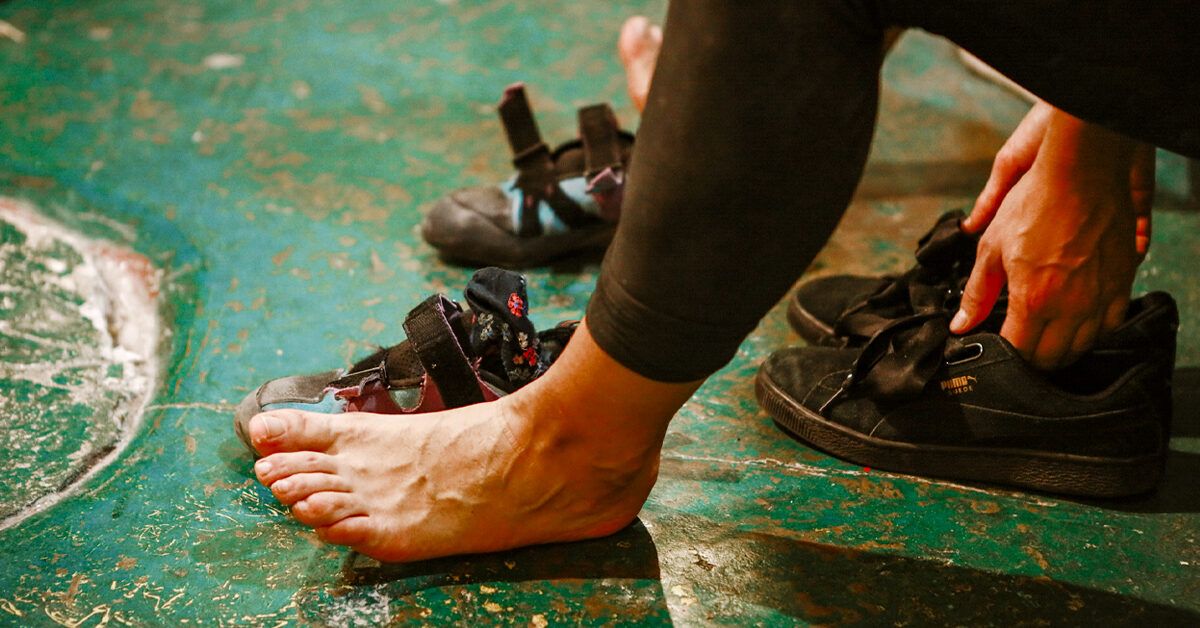
Athlete’s foot is one of the most common fungal skin infections. It usually starts between the toes, where warmth, sweat, and friction create the fungal equivalent of a luxury resort. Symptoms may include itching, burning, peeling, scaling, cracks, or soggy-looking skin. In some people, the infection spreads to the soles or sides of the feet and can cause thick, dry scaling or blisters.
Walking barefoot in locker rooms, pool areas, or shared showers can increase the risk, but closed shoes, sweaty feet, and not drying between the toes are just as important.
3. Tinea Cruris (Jock Itch)
Jock itch affects the groin and inner thighs. It tends to show up as an itchy, red, ring-like rash in warm, moist areas. It is more common in men, athletes, and anyone dealing with friction, sweating, tight clothing, or prolonged moisture. If athlete’s foot and jock itch seem to travel as a duo, that is not your imagination. Fungi can spread from the feet to the groin through hands, towels, or clothing.
4. Tinea Capitis (Scalp Ringworm)
This fungal infection affects the scalp and hair shafts and is especially common in children. It may cause scaling, itching, patches of hair loss, broken hairs, or swollen, inflamed areas. Unlike many mild body rashes, scalp ringworm usually needs prescription oral antifungal treatment. Cream alone generally is not enough because the fungus involves the hair follicle.
5. Tinea Unguium or Onychomycosis (Fungal Nail Infection)
Nail fungus can make nails thick, crumbly, brittle, yellowish, or distorted. Toenails are more commonly affected than fingernails. Nail infections often take months to clear and may require prescription treatment. They are not always painful at first, but they can become cosmetically bothersome and frustratingly persistent.
6. Tinea Versicolor
Tinea versicolor is caused by an overgrowth of yeast that normally lives on the skin. It often causes fine, scaly patches that may look lighter, darker, pinker, or browner than surrounding skin. The chest, back, shoulders, and neck are common sites. It can become more noticeable in warm weather or after sun exposure because the affected skin may not tan evenly.
This condition is not the same as classic ringworm, and it usually is not considered highly contagious. It often comes back, especially in hot, humid conditions.
7. Cutaneous Candidiasis
Cutaneous candidiasis is a yeast infection of the skin caused by Candida. It often shows up in skin folds where moisture gets trapped, such as under the breasts, in the armpits, around the groin, under the belly fold, or between fingers. The rash is usually red, irritated, and sometimes accompanied by small “satellite” spots around the main area.
This infection often overlaps with intertrigo, which is inflammation caused by friction and moisture in skin folds. Once the skin barrier is irritated, yeast has a much easier time moving in like an unwanted roommate who never pays rent.
Symptoms to Watch For
Symptoms vary by infection type and location, but common signs of a fungal rash include:
- Itching or burning
- Scaly, peeling, or cracking skin
- Ring-shaped or expanding rash
- Redness or irritation in warm, moist areas
- White, brown, tan, or pink patches that do not match nearby skin tone
- Skin breakdown between the toes or in folds
- Thickened, brittle, or discolored nails
- Scalp flaking or hair loss in patches
One important caveat: not every itchy rash is fungal. Eczema, psoriasis, seborrheic dermatitis, contact dermatitis, and bacterial skin problems can imitate fungal infections surprisingly well. That is why repeated treatment failures are a clue that the diagnosis may need a second look.
What Causes Fungal Skin Infections?
Fungi thrive in environments that are warm, damp, and low on ventilation. Skin folds, sweaty socks, tight shoes, shared athletic gear, and humid climates are basically a welcome mat.
Common triggers and transmission routes include:
- Skin-to-skin contact with an infected person
- Contact with infected animals, especially cats, dogs, and livestock
- Shared towels, clothing, bedding, combs, or sports equipment
- Walking barefoot in damp public places
- Trapped moisture from sweating, tight clothing, or skin folds
- Poorly ventilated footwear
Risk Factors
Anyone can get a fungal skin infection, but some people have better odds than others, and not in a fun lottery way.
Personal and Health-Related Risk Factors
- Hot, humid climate
- Heavy sweating
- Tight shoes or tight-fitting clothing
- Obesity or deep skin folds
- Diabetes
- Weakened immune system
- Recent antibiotics in some yeast-related conditions
- History of athlete’s foot or nail fungus
- Shared locker rooms, gyms, and pool decks
- Close-contact sports such as wrestling
Who Is More Likely to Get Specific Types?
Children are more likely to develop tinea capitis, while adolescents and adults more often get tinea cruris, tinea pedis, and nail fungus. Tinea versicolor commonly flares during adolescence and young adulthood when oil production is more active. Yeast infections of skin folds are more common where moisture and friction stick around for long stretches of time.
How Fungal Skin Infections Are Diagnosed
Some fungal infections are diagnosed based on appearance, but looks can be deceptive. A clinician may gently scrape the skin and examine it with a potassium hydroxide, or KOH, preparation to look for fungal elements. In some cases, a fungal culture or other testing is used, especially if the rash is unusual, recurrent, severe, or not responding to treatment.
This matters because the right diagnosis saves time. Treating eczema like fungus or fungus like eczema is one of the fastest ways to end up with a longer, grumpier rash.
Treatment Options
Topical Antifungal Treatments
Many mild fungal skin infections respond well to topical antifungals. Common options include creams, sprays, powders, lotions, or shampoos containing ingredients such as:
- Terbinafine
- Clotrimazole
- Miconazole
- Tolnaftate
- Ketoconazole
- Selenium sulfide for some cases of tinea versicolor
Topicals are commonly used for ringworm of the body, jock itch, athlete’s foot, mild candidiasis of the skin, and tinea versicolor. The exact duration depends on the infection site and medication. Feet usually take longer than groin or body skin, and stopping treatment the second the rash looks better can set you up for a sequel nobody asked for.
Oral Antifungal Medications
Prescription oral antifungals may be needed for:
- Scalp ringworm
- Nail fungus
- Extensive or widespread infection
- Infections that fail topical treatment
- Cases in people with immune compromise
Depending on the diagnosis, doctors may prescribe medications such as oral terbinafine, itraconazole, fluconazole, or griseofulvin. The best choice depends on the infection type, patient age, medical history, drug interactions, and whether hair or nails are involved.
Home Care That Actually Helps
- Keep the affected area clean and dry
- Dry carefully between toes and in skin folds
- Change socks and underwear daily
- Wear breathable fabrics and shoes
- Do not share towels, razors, hats, or combs
- Wash workout gear and bedding regularly
- Use shower shoes in public locker rooms and pool areas
How to Prevent Recurrence
Prevention is not glamorous, but it works. Fungal organisms love repeat business, so the goal is to make your skin a less attractive vacation destination.
- Shower after sweating heavily or sports
- Change out of damp clothing quickly
- Rotate shoes so they can dry fully
- Use antifungal powder if your feet sweat a lot
- Treat athlete’s foot promptly so it does not spread elsewhere
- Check pets if ringworm keeps circulating in the household
- Manage blood sugar and skin-fold moisture when relevant
When to See a Doctor
You should seek medical care if:
- The rash is on the scalp, beard area, nails, or face
- The infection is painful, swollen, draining, or spreading quickly
- You have diabetes or a weakened immune system
- The rash keeps coming back
- Over-the-counter treatment is not helping after a reasonable trial
- You are not sure the rash is fungal in the first place
Scalp infections and nail infections especially deserve professional evaluation because they often need prescription treatment and can linger for months if ignored.
Experiences People Commonly Report With Fungal Skin Infections
One of the most common experiences people describe is delay. Not because they are careless, but because fungal skin infections rarely announce themselves with a giant neon sign saying, “Hello, I am tinea.” Instead, the rash starts as a mild itch, a flaky patch, a spot that looks like dry skin, or a little peeling between the toes that seems too boring to be a real medical problem. A lot of people try moisturizer first. Then a random cream from the bathroom cabinet. Then denial. Denial, to be fair, is wildly popular.
Another frequent experience is embarrassment. Athlete’s foot can make people feel self-conscious at the gym. Jock itch can be uncomfortable to talk about, even though it is extremely common. Yeast infections in skin folds may feel frustrating because they often show up in areas already prone to irritation. Parents may feel alarmed when a child develops scalp ringworm and patchy hair loss. People with tinea versicolor often say they notice it most in summer, when the surrounding skin tans and the affected patches suddenly become much more obvious in photos, swimsuits, or tank tops.
Many people also report confusion because fungal infections can look different on different skin tones. On some people, the rash looks bright red. On others, it may appear darker, lighter, violet-brown, or just unusually scaly. That can make self-diagnosis unreliable. A person may think they are dealing with eczema, heat rash, or irritation from shaving, only to learn later that fungus was the real culprit all along.
Then there is the cycle of “it got better, so I stopped treatment,” followed by “why is it back?” This is practically a classic. Symptoms often improve before the infection is fully cleared. People stop the cream, go back to sweaty shoes or tight workout clothes, and the fungus returns like a bad houseguest who still knows the Wi-Fi password.
Recurrence is especially common with athlete’s foot, nail fungus, and tinea versicolor. People often describe feeling like they beat the infection once, only for it to reappear during humid weather, sports season, or travel. That does not always mean treatment failed completely. Sometimes it means the environment that allowed the fungus to grow never really changed.
There is also relief when the diagnosis is finally clear. Once people learn what they are actually dealing with, treatment becomes far more straightforward. Dry the area well. Use the right antifungal. Stick with it for the full course. Clean shared items. Avoid spreading it to other body parts. Simple does not mean effortless, but it is much better than throwing mystery creams at mystery rashes and hoping for the best.
The biggest takeaway from these real-world experiences is this: fungal skin infections are common, treatable, and nothing to be ashamed of. But they do reward consistency. If you give them warmth, moisture, friction, and half-finished treatment, they tend to stay. If you give them a correct diagnosis, the right medication, and a drier environment, they usually lose their grip.
Conclusion
Fungal skin infections cover a wide range of conditions, from athlete’s foot and jock itch to ringworm, tinea versicolor, and cutaneous candidiasis. Most are superficial and treatable, but the best treatment depends on the location, the organism involved, and whether hair or nails are affected. In many cases, topical antifungals and careful skin care do the job. In tougher cases, prescription oral medication is the smarter route.
The trick is not just killing the fungus. It is also changing the conditions that helped it settle in: sweat, trapped moisture, friction, shared items, and unfinished treatment. If a rash keeps returning, spreads quickly, or involves the scalp or nails, get it checked. Your skin is trying to tell you something, and ideally, that something is not “please stop buying random creams at midnight.”