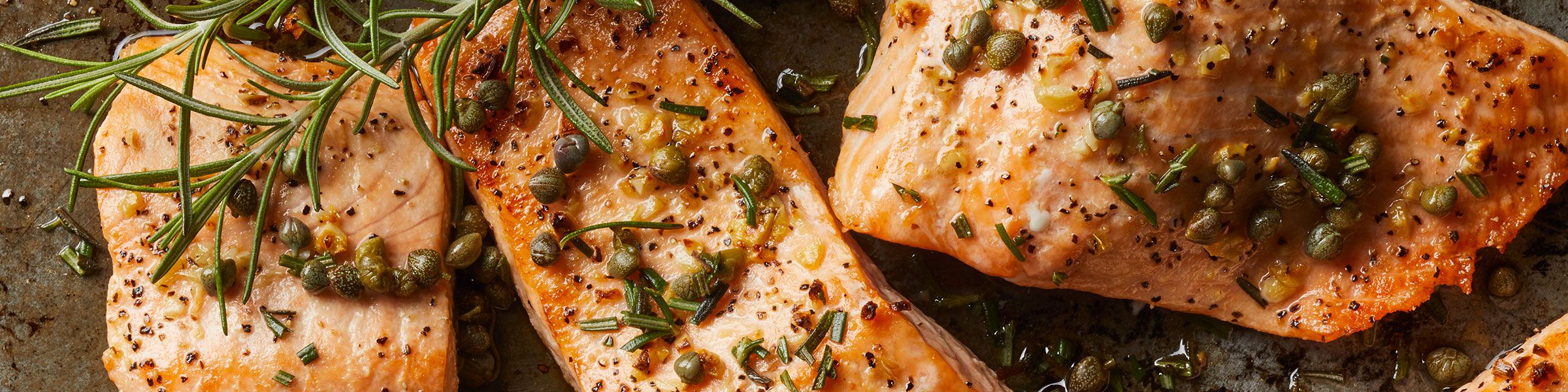

Fish is one of the quickest ways to put a “real dinner” on the tablehigh-protein, fast-cooking, and fancy enough
to make Tuesday feel like it owns a linen napkin. But fish also has a reputation for being… dramatic. One minute
it’s tender and flaky; the next minute it’s dry enough to sand a deck.
This guide covers the fundamentals: what fish is (and isn’t), how to choose it at the store, how to store it safely,
and how to cook it without turning your kitchen into a cautionary tale. Think of it as Fish 101minus the pop quiz,
plus a little humor to keep things from getting too… stale.
What “Fish” Means in the Kitchen
In everyday cooking, “fish” usually means finfish (salmon, cod, tuna, trout) rather than shellfish
(shrimp, crab, oysters). Finfish can be sold whole, as steaks (cross-cut pieces), or as fillets (boneless sides).
You’ll also hear fish described by:
- Habitat: freshwater (trout, catfish) vs. saltwater (snapper, cod)
- How it’s raised: wild-caught vs. farm-raised
- Fat level: lean (cod, pollock) vs. fatty (salmon, sardines)
- Texture: delicate/flaky vs. firm/meaty
Those labels aren’t just trivia. They help you predict flavor, cooking time, and the best methodbecause a delicate
flounder and a thick salmon fillet behave about as similarly as a paper airplane and a pickup truck.
Nutrition Basics: Why Fish Earns a Spot on the Plate
Most fish brings a lot to the table: complete protein, minerals like selenium and iodine (varies by species),
andespecially in fatty fishomega-3 fats (EPA and DHA). If you’re trying to eat in a heart-smart way,
fish is a popular recommendation because omega-3-rich seafood (like salmon, sardines, and trout) fits nicely into
many “eat more of this” lists.
A practical takeaway: if you want maximum omega-3s, choose fatty fish a couple times a week. If you want a
mild flavor and super-lean protein, lean white fish is your friend.
Lean vs. Fatty Fish (and What It Means for Cooking)
-
Lean fish (cod, haddock, pollock, sole) cooks fast and can dry out if overcookedgreat for breading,
tacos, and quick sautés. -
Fatty fish (salmon, sardines, trout, mackerel) has richer flavor and stays moist more easilygreat for roasting,
grilling, and bold sauces.
Know Your Fish by Texture (So You Can Swap Like a Pro)
When recipes call for “any white fish,” they’re usually begging you to pick based on texture. Here are three
helpful categories that make substitutions easier:
1) Delicate & flaky
Think: sole, flounder, tilapia. These fillets are thinner and cook quickly. They’re best with gentle methods
(baking, light pan-sauté, steaming) and simple flavors (lemon, herbs, butter).
Example swap: If a recipe calls for sole meunière, flounder or tilapia usually works well.
2) Lean & sturdy (still flaky, but more forgiving)
Think: cod, haddock, pollock, hake. These are classic for fish and chips, chowders, and tacos because they hold up
to breading and stronger seasonings.
Example swap: Cod in tacos can often be replaced with pollock or haddock with similar results.
3) Firm & meaty
Think: tuna (often served seared), mahi-mahi, swordfish (higher mercury; not for everyone), halibut. Firm fish is great
for grilling and skewers because it doesn’t fall apart the second it meets heat.
Example swap: If you can’t find mahi-mahi for grilling, halibut can be a good stand-in (adjust cook time for thickness).
Buying Fish: The “Freshness” Clues That Actually Matter
The best fish-buying skill isn’t memorizing fancy species names. It’s learning how to spot freshness and qualityespecially
at the seafood counter.
Fresh fish should not smell “fishy”
This is the most surprising truth for beginners: fresh fish should smell clean and mild (like the ocean), not like ammonia
or an aggressive locker room. If you’re unsure, ask the seller to rinse the fish and let you smell it again.
Look for firm flesh and a moist (not slimy) surface
For fillets, the flesh should look moist and glossy. It shouldn’t appear dried out at the edges. If you lightly press it,
it should spring back rather than leaving a fingerprint crater.
If you’re buying whole fish, check eyes and gills
- Eyes: clear and slightly bulging (not cloudy or sunken)
- Gills: red or pink and not slimy
- Skin/scales: shiny with scales that cling tightly
Don’t fear frozen fish
Frozen fish can be excellentsometimes better than “fresh” fish that has quietly traveled for days. Look for packages
that are solidly frozen with minimal ice crystals and no big frost patches (which can suggest temperature swings).
Many seafood counters also sell fish that was previously frozen and thawed; that can still be good quality, but it’s
a reason to cook it soon rather than letting it linger in your fridge.
Storage & Food Safety: Keep It Cold, Keep It Simple
Fish is perishable. That’s not a personality flawit’s biology. The trick is to keep seafood cold and use it quickly.
Refrigerator rules
- Timing: Use raw fish within 1–2 days, or freeze it.
- Temperature: Keep your fridge at 40°F (4°C) or below.
- Placement: Store fish on a plate or tray (to catch drips), tightly wrapped, on the coldest shelf.
If you’re bringing seafood home from the store, treat it like ice cream on a summer day: don’t run five errands first.
Get it into the fridge or freezer promptly.
Freezer basics
Freezing keeps fish safe, but quality depends on packaging. Wrap fish tightly (or vacuum-seal it if you can). Press out
extra air to reduce freezer burn. Label it with the date so you don’t discover a mystery fillet in July that you bought
during your “new year, new me” phase.
How to thaw fish safely
- Best: Thaw overnight in the refrigerator.
- Fast: Seal in a bag and submerge in cold water, changing water as needed.
- Microwave: Only if you’ll cook immediately (it can start cooking the edges).
Avoid thawing fish on the counter. Room temperature is basically an invitation for bacteria to throw a partyand fish
does not need more social events.
Cooking Fish Without Overthinking It
Fish cooks quickly because it has less connective tissue than many meats. That’s great for weeknightsbut it also means
it can go from perfect to overdone in a narrow time window.
The safety anchor: internal temperature
A widely used safety guideline is to cook fish to an internal temperature of 145°F (62.8°C). If you don’t have
a thermometer, look for flesh that turns opaque and flakes easily with a fork. (A thermometer is still the less stressful option.)
Five foolproof methods (pick your vibe)
1) Pan-searing (crispy edges, fast results)
Pat fish dry, season it, and cook in a hot pan with a thin layer of oil. Start skin-side down for skin-on fillets and
don’t move it too soonlet the crust form. Finish with lemon and a little butter if you want restaurant energy.
2) Baking/roasting (hands-off and forgiving)
Great for thicker fillets like salmon or cod. Put fish on a sheet pan, add olive oil and seasoning, and bake until it flakes.
Add vegetables on the same pan for a one-tray dinner that feels like you planned ahead (even if you didn’t).
3) Grilling (smoky flavor, summer bragging rights)
Use firm fish or grill in foil packets for delicate fish. Oil the grates and the fish. If your fish sticks, it’s usually
telling you it’s not ready to flip yet.
4) Poaching (gentle heat, tender fish)
Simmer fish gently in broth, wine, coconut milk, or tomato sauce. This is the “I want guaranteed tenderness” method.
It’s also fantastic for meal prep because poached fish can be flaked into salads or grain bowls.
5) Air-frying (crispy, minimal mess)
Air fryers excel at salmon bites, breaded fish, and quick filletsespecially when you want crispiness without deep frying.
Keep an eye on time; air fryers can go from “perfect” to “why is it dry?” quickly.
A quick timing cheat (based on thickness)
Many home cooks use a simple rule: fish often takes roughly about 10 minutes per inch of thickness (at moderate oven/grill heat),
but thickness, method, and starting temperature matter. Use that rule as a starting point, then confirm doneness by flaking
or checking temperature.
Flavor Pairings That Make Fish Taste Like You Know What You’re Doing
Fish doesn’t need complicated sauces. It needs the right “supporting cast.” Here are reliable combos:
Classic (mild fish’s best friend)
- Lemon + butter + parsley
- Olive oil + garlic + oregano
- Capers + dill + yogurt
Bold (for salmon, tuna, and other flavorful fish)
- Miso + ginger + sesame
- Blackening spices + lime
- Soy sauce + brown sugar + chili (quick glaze)
Two easy “formulas”
- Weeknight sheet-pan fish: fish + olive oil + seasoning + sliced lemon + vegetables.
- Taco-ready fish: flaky white fish + chili powder + cumin + lime + crunchy slaw.
Mercury & Seafood Choices: The Simple, Sensible Version
Fish is nutritious, but mercury is a real considerationespecially for people who are pregnant, breastfeeding, or feeding
young children. Public health guidance commonly emphasizes choosing fish lower in mercury and eating a variety of seafood.
A practical strategy: make your “default” choices lower-mercury fish (salmon, sardines, trout, pollock), and treat higher-mercury
fish (like certain large predatory species) as occasional rather than frequent. If you’re in a higher-sensitivity group,
follow the serving guidance provided by public health agencies.
Sustainability: How to Buy Fish That’s Better for the Ocean
Sustainability can feel complicated because it depends on species, where it was caught or farmed, and how it was produced.
The easiest move is to use a trusted recommendation guide when you shop or order seafood.
Three questions that help instantly
- What is it? (Species name matters more than “white fish.”)
- Where is it from? (Country/region or fishery.)
- How was it caught or farmed? (Methods affect bycatch and habitat.)
When you’re ordering at a restaurant, even asking one question“Is this a sustainable option?”can nudge better sourcing.
At the grocery store, look for clear labeling and lean on consumer guides to reduce guesswork.
Common Fish Mistakes (So You Can Skip the Pain)
- Overcooking: Fish keeps cooking after it leaves heat. Pull it when it’s just done.
- Not drying the surface: Wet fish steams in the pan instead of searing.
- Thawing on the counter: Unsafe and often ruins texture.
- Using a fragile fish on the grill without help: Use foil, a basket, or pick a firmer fish.
- Forgetting acid: Lemon or vinegar brightens fish more than you’d think.
Fish Basics: Experiences From Real Life (500+ Words)
If you’re learning fish basics, you’ll probably collect a few stories along the waylittle kitchen moments that teach you
faster than any label ever could. Here are some “been there” experiences many home cooks recognize (and yes, they’re normal).
The First Time You Stand at the Seafood Counter
You walk up confidently, then realize you don’t know what to say. The case is full of beautiful fillets with names that
sound like either fish or indie bands. Here’s the secret: you don’t need to perform expertise. A simple,
“What’s freshest today?” works. A follow-up question“Is this mild or strong?”gets you further than pretending you
came here to discuss the fish’s childhood.
The “Wait… Fresh Fish Isn’t Supposed to Smell Fishy?” Moment
This one is a classic. Many people assume fish will always smell fishy, so they tolerate odors they shouldn’t. The first time
you smell truly fresh fish, it’s a minor plot twist: it’s mild, clean, and not alarming. That experience changes your shopping
standards permanentlylike learning what a ripe peach smells like and suddenly becoming picky forever.
The Victory of Getting a Real Sear
Early attempts at pan-searing fish often involve a sad gray surface and a pan that looks like it went through a breakup.
Then one day you pat the fish dry, heat the pan properly, and leave it alone long enough for a crust to form. You flip it and
hellogolden edges. That’s a confidence-building win. It’s also when you realize fish doesn’t require magic; it requires
dryness and patience.
The Overcooking Lesson (aka “Why Is It Dry?”)
Almost everyone overcooks fish at least once, usually because they’re trying to be safe. The fillet looks done… so you cook it
“just a couple more minutes,” and now it flakes into sawdust. The experience is frustrating, but it teaches a big truth:
fish finishes quickly, and carryover heat is real. After that, thermometers start to feel less like extra work and more like
the tool that prevents expensive sadness.
The Frozen Fish Redemption Arc
A lot of people start with a bias against frozen fish. Then they try a high-quality frozen salmon portion or a bag of frozen
cod, thaw it correctly, and realize it can taste fresh and cleansometimes better than fish that sat around “fresh” for too long.
That experience makes weeknight fish realistic. You stop treating fish like an event that requires a special trip, and it becomes
something you can keep on hand, like a reliable pair of jeans (but edible).
The Smell-in-the-Kitchen Panic (and the Fix)
Some cooks avoid fish because they fear the house will smell like it moved to a dock. The first time you cook fish, you might
hover near the stove, suspicious. Then you learn the tricks that reduce lingering odor: cook fresh fish, don’t overcook it,
ventilate, and use bright flavors like lemon or vinegar. You discover that the “fish smell” problem is often a “fish quality”
or “fish overcooked” problem. That’s a surprisingly empowering realization.
The “I Can Actually Do This” Weeknight
The best fish experience isn’t a fancy dinner partyit’s a regular weeknight when you roast salmon with olive oil, salt, pepper,
and lemon, and it turns out tender. You plate it with rice and a quick salad and realize you made a meal that feels both healthy
and satisfying in under 25 minutes. That’s when fish stops being intimidating and starts being one of your easiest options.
If you take nothing else from these experiences, take this: fish basics aren’t about memorizing a thousand species. They’re about
mastering a handful of repeatable movesbuy fresh (or good frozen), store cold, thaw safely, cook gently, and stop a little earlier
than you think. Do that, and fish becomes less of a gamble and more of a reliable, delicious habit.
Conclusion
Fish basics come down to a few simple principles: choose quality, keep it cold, cook it gently, and don’t be afraid of a thermometer.
Once you understand texture categories and a couple of reliable cooking methods, you can swap species with confidence and make fish
a regular part of your routinewhether you’re chasing omega-3s, quick weeknight dinners, or just something that tastes like you
paid attention (even if you didn’t).