
There are movie roles, and then there are king rolesthe kind where an actor walks into a room, says absolutely nothing,
and everyone (including the camera) suddenly stands up straighter. A great “screen king” isn’t just a person in a crown.
He’s posture, voice, restraint, authority, andwhen the script allows itan occasional “I will not be moved” stare that could
stop a stampede.
Below is a totally serious (and only mildly unhinged) ranking of famous actors who played famous kings, judged by one thing:
regality. Not “how many battles they won,” not “how accurate the medieval tax policy was,” but the vibe. The
unmistakable, throne-worthy vibe.
How This Ranking Works (A Very Scientific Royal Protocol)
“Regality” is a cocktail. A complicated one. And like any cocktail, it can go horribly wrong if you overdo the garnish.
Here’s what we looked for:
1) Command Presence
Can the actor convincingly lead a roomwithout yelling at it like a substitute teacher on a Tuesday afternoon?
2) Vocal Authority
A king’s voice can be a trumpet, a velvet curtain, or an ice cube dropped into silence. The best performances make speech feel
like power.
3) Crown Chemistry
Some actors wear a crown like it’s a heavy hat. Others wear it like the crown is wearing themand that’s the point.
4) Moral Gravity
Great kings carry consequences. Even when they’re wrong, you can feel the weight of decisions landing on thousands of unseen lives.
5) Icon Factor
If people can picture the performance years laterwithout Googlingcongratulations, you have achieved cinematic monarchy.
The Rankings: Kings, Crowns, and Unreasonable Amounts of Gravitas
#1: Chadwick Boseman as King T’Challa (Black Panther)
Boseman’s T’Challa is the rare screen king who feels regal even when he’s alone. The performance is built on quiet authority:
controlled speech, measured emotion, and a steady gaze that says, “I’ve considered your argument and I’m still the king.”
What makes it top-tier is the blendT’Challa isn’t only powerful; he’s thoughtful, burdened, and constantly negotiating what a
king owes to his people and the world beyond his borders.
Also: the kingly physicality. He doesn’t posture. He settles into leadership. It’s modern mythology done with old-school dignity,
and it’s hard to beat a performance that can make a superhero feel like a head of state.
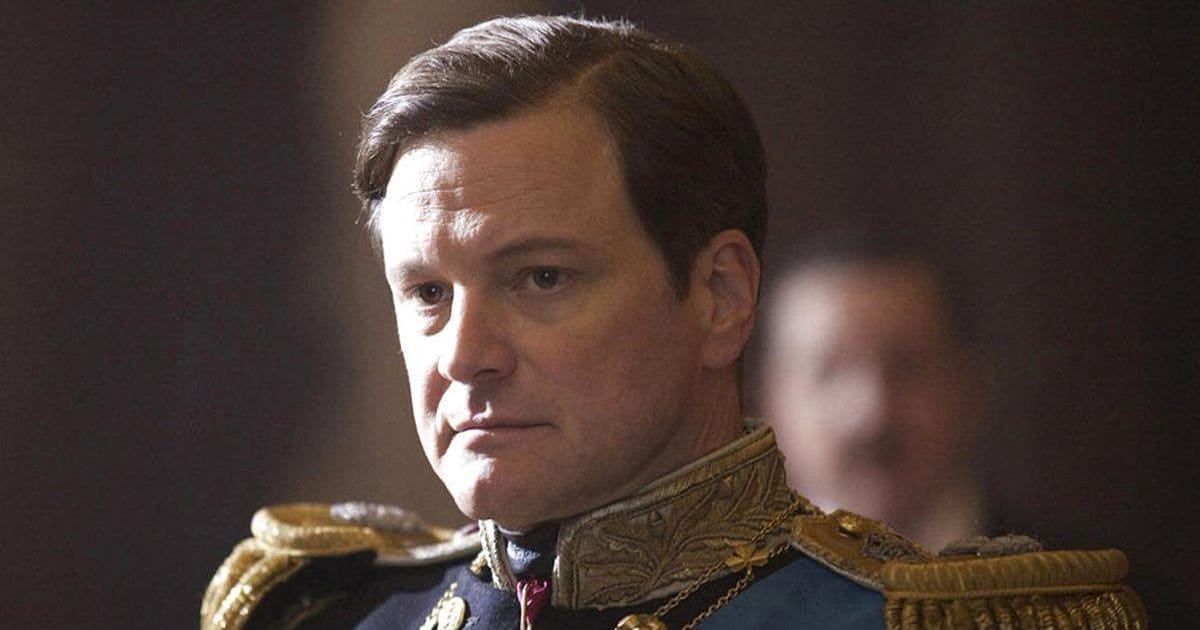
#2: Colin Firth as King George VI (The King’s Speech)
Firth earns his crown the hard way: not through conquest, but through courage in the smallest, most human moments. This is regality
by persistencestanding up, speaking anyway, and carrying duty even when it hurts. The brilliance is how Firth makes vulnerability
feel kingly. He’s not trying to be “majestic.” He’s trying to be reliable, and that’s the point.
The performance turns speech into a battlefield and turns the throne into a job you can’t quit. That quiet, stubborn integrity?
Peak “you may now address His Majesty.”
#3: Viggo Mortensen as King Aragorn (The Lord of the Rings: The Return of the King)
Mortensen’s Aragorn is regality earned, not inheritedlike the crown itself spent three movies running background checks. He plays the
reluctant leader with a grounded kind of honor that never looks performative. When Aragorn finally steps into kingship, it doesn’t feel
like a character upgrade. It feels like destiny catching up.
The key is restraint: you believe the power is there, but it’s controlled. That’s why the coronation landsbecause the whole performance
has been quietly building toward it. Aragorn doesn’t demand loyalty; he inspires it. Which is, historically, a much better strategy than
“off with their heads.”
#4: Peter O’Toole as King Henry II (The Lion in Winter)
If regality had a temperature, O’Toole’s Henry II would be served hot enough to blister the silverware. He’s witty, volatile,
brilliant, and utterly convincing as a king who rules by force of will and sharp intelligence. The performance crackles like political
lightning: you can feel the court calculating around him in real time.
What makes it royal isn’t only authorityit’s appetite. For control, for legacy, for winning the room. O’Toole makes monarchy look like
a chess match played at dinner, with the knives already on the table.
#5: Yul Brynner as King Mongkut (The King and I)
Brynner’s King Mongkut is iconic screen kingship: commanding posture, unmistakable voice, and a presence so strong it feels like the
camera should bow. He plays the king as proud, intelligent, and sometimes stubbornan authority figure navigating tradition, diplomacy,
and personal ego with theatrical confidence.
This is “classic regal”: the kind of performance that makes you understand why royal courts had entire rules about how to enter a room.
Brynner doesn’t just play a kinghe practically invents a category of kingly charisma.
#6: Kenneth Branagh as King Henry V (Henry V)
Branagh’s Henry V is a warrior-poet king, and the regality comes from contrast. One moment he’s speaking with ceremonial weight, the next
he’s in the mud, paying the cost of leadership. The performance gives you the full kingly spectrum: inspiration, strategy, fear, resolve,
and the loneliness of command.
The real win is that it never feels like a “speech showcase.” It feels like a king trying to hold the world together with words,
because swords aren’t enough. That’s regaland exhaustingin the best way.
#7: Laurence Olivier as King Henry V (Henry V)
Olivier’s Henry V is a master class in classic, formal kingshipbright, ceremonial, and designed to make leadership look like a national
portrait come to life. Even if modern viewers sometimes prefer their kings a little grimier, Olivier’s approach is historically important
for one simple reason: it made Shakespeare cinematic, and it made Henry feel like a symbol the whole country could rally behind.
His regality is the polished kindheroic profile, steady authority, and the sense that the crown is part of a larger story called “the realm.”
It’s the king as legend, delivered with unwavering confidence.
#8: Ian McKellen as King Richard III (Richard III)
McKellen’s Richard III is “regal” in the way a beautifully dressed shark is regal: magnetic, terrifying, and impossible to ignore. He plays
Richard as a master manipulator who understands that power is performance. The brilliance is how he makes corruption feel organized.
Even when Richard is monstrous, he’s never messy. That’s what makes it effectiveand chilling.
Regality doesn’t always mean goodness. Sometimes it means mastery of the room. McKellen owns the screen like a crowned strategist,
and the result is a king you can’t look away from, even when you want to.
#9: Sean Connery as King Arthur (First Knight)
Connery’s King Arthur is paternal gravitas in human form. He doesn’t play Arthur as flashy or youthful; he plays him as a ruler whose authority
comes from experience and calm confidence. That makes the kingly energy feel lived-inless “my first coronation,” more “I’ve been solving
political disasters since breakfast.”
The performance radiates steadiness. Connery’s Arthur feels like the kind of leader people follow because he makes them feel safeeven when
the realm is on fire and someone is definitely plotting in a hallway.
#10: Gerard Butler as King Leonidas (300)
Leonidas is a king who leads with muscle, and Butler commits to the role like the crown is forged out of pure adrenaline. The regality here is
martial: commanding voice, fearless front-line leadership, and the ability to turn a stare into a declaration of policy. He plays Leonidas as a
ruler who believes symbolism mattersbecause in wartime, morale is a weapon.
Is it subtle? Not particularly. Is it kingly? Absolutely. This is the kind of performance that could make a cape look like a legal document.
#11: Denzel Washington as Macbeth (The Tragedy of Macbeth)
Macbeth is a king forged in ambition and paranoia, and Washington plays him with a quiet intensity that makes the descent feel inevitable.
The regality is haunted: he wears power like a burden that keeps getting heavier. Instead of “royal swagger,” you get a ruler whose crown
feels like it’s tightening by the minute.
That’s what makes it compelling. Washington doesn’t try to make Macbeth likable; he makes him human, calculating, and increasingly trapped.
It’s kingship as psychological weatherdark, pressurized, and always threatening a storm.
#12: James Earl Jones (and Eddie Murphy) as the Kings of Zamunda (Coming to America)
Comedy can be the ultimate test of regality, because jokes don’t care about your crown. James Earl Jones brings unmistakable royal authority as
King Jaffe Joffervoice like thunder, posture like tradition, and the kind of presence that makes every line feel official. Then Eddie Murphy’s
Akeem adds a different flavor: a prince (and later king) whose charm and decency are the point.
Their combined effect is surprisingly regal: the courtly vibes are real, the status is clear, and the humor lands because the monarchy feels
believable. Also, if your king can deliver a warm paternal moment and still look like he could banish you with a glance? That’s range.
What “Regal” Acting Usually Looks Like (Steal These Tricks, Your Highness)
Across genressuperhero epics, Shakespeare tragedies, historical dramas, and comediesgreat “king performances” often share a few acting moves:
- Economy of motion: Kings don’t fidget. If they move, it matters.
- Deliberate pacing: Even quick lines feel considered, as if words are policy.
- Status in the spine: Posture carries story: confidence, fear, entitlement, burden.
- Listening as power: The best kings don’t just speak wellthey listen like they’re weighing the fate of the realm.
- Authority with a price tag: The performance hints that leadership costs somethingsleep, peace, relationships, innocence.
Regality isn’t just volume. It’s control. And if you ever want to spot a truly great screen king, watch what he does when he’s silent.
That’s where the crown really sits.
Viewer Experiences: Why Watching Movie Kings Hits Different (and How to Make It Even Better)
Watching a great “king performance” can feel oddly personal, even though most people don’t spend their weekends issuing decrees or negotiating
alliances with neighboring duchies. The reason is simple: kings on screen are a shortcut to big human questionsresponsibility, identity,
pressure, pride, fear, and the complicated art of leading when you’d rather take a nap and be left alone.
One of the most common viewer reactions is the “instant posture correction.” A truly regal sceneT’Challa addressing a council, George VI
fighting through a speech, Aragorn accepting a destiny he didn’t chasecan make viewers sit up without noticing. It’s not because the audience
wants a crown. It’s because the performance communicates stakes. The character’s choices matter, and the actor makes that weight feel real.
These roles also invite a fun kind of comparison-watching. Some kings rule through calm steadiness (Connery’s Arthur), some through
sharp intellect (O’Toole’s Henry II), some through moral purpose (Boseman’s T’Challa), and some through sheer force of personality
(Brynner’s Mongkut). Putting them side by side is like sampling different leadership styleswithout having to attend a single board meeting.
(Or, if you have to attend board meetings, this is the healthier version.)
If you want to turn the experience into a mini “regality lab,” try a themed watch night:
- The Reluctant King Double Feature: The King’s Speech + The Return of the King for duty-meets-destiny energy.
- The Court Intrigue Night: The Lion in Winter + Richard III if you enjoy family drama with a side of political scheming.
- The Mythic Monarch Combo: Black Panther + First Knight for kings as symbols, not just rulers.
Another surprisingly satisfying experience is rewatching with a “non-dialogue lens.” Pick a key scene and focus on what the actor does
between lines: the pause before a decision, the controlled breath, the look that says, “I’ve already decided and I’m waiting for you
to catch up.” This is where regality lives. Kings don’t explain themselves the way regular characters dothey imply. They allow the room
to interpret, and that interpretation becomes power.
Finally, there’s a reason these performances often become cultural touchstones: they offer a safe, dramatic way to think about leadership.
Everyone knows what it’s like to feel pressure, to worry about letting people down, to wonder if they’re “enough” for a role they didn’t ask for.
Movie kings externalize those feelings. A crown makes the internal struggle visibleso viewers can feel the drama, learn something about human
behavior, and still go to bed without being responsible for a kingdom.
In other words: kings on screen are entertaining because they’re larger than lifeand comforting because, under the robes, they’re still human.
Just with better capes.