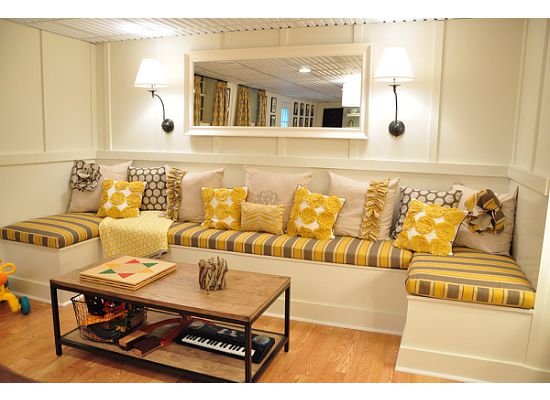

Welcome to the most underrated “addition” you already own: your basement. It’s the bonus level of your housefull of potential, occasional mystery smells, and at least one dangling pull-chain light that has seen things. In this tour, we’ll walk through a fabulous basement remodel from the top stair to the last baseboard nail, with the kind of practical tips that keep your space cozy, code-friendly, and blissfully free of that “wet cardboard” vibe.
This isn’t a fantasy makeover where a single throw blanket magically fixes moisture. We’re talking real-life basement design: smart layout, moisture management, lighting that doesn’t feel like a parking garage, and finishes that can handle the fact that basements are basically the house’s “ground floor… but moodier.”
Before the Tour: The 5-Minute Reality Check (That Saves You Thousands)
Before you fall in love with a wet bar or a home theater, do a quick pre-flight check. A fabulous basement is built on boring stuff done right.
- Water and humidity: Look for staining, efflorescence (that chalky white stuff), musty odors, or peeling paint. Fix bulk water issues first (grading, gutters, drains) before you finish anything.
- Radon: If you haven’t tested, add it to your “basement glow-up” checklist. It’s easiest (and cheapest) to address before walls and floors go in.
- Ceiling height: Measure now, not after you buy the world’s cutest pendant lights. Ducts and beams can turn “airy lounge” into “limbo contest.”
- Egress and safety: Planning a bedroom or guest suite? You’ll likely need proper egress, plus smoke/CO alarms.
- Permissions and permits: Many basement projects need permits, especially for electrical, plumbing, bedrooms, and bathrooms. Future-you will thank you when you sell.
Basement Remodel Tour Stop #1: The Stair Landing That Sets the Tone
The first impression mattersyes, even downstairs. This landing is where we handle the practical stuff without making it look like a utility closet tried to cosplay as a living room.
Design moves that work
- Bright wall color + warm lighting: Basements swallow light. Start with a lighter neutral on walls and add warm LEDs so the space feels inviting, not clinical.
- A “drop zone” niche: A slim console, wall hooks, or a built-in bench helps the basement function like a real floor of the homenot a place you only visit to fight the water heater.
- Durable stair trim: Semi-gloss paint and sturdy nosing hold up to traffic (and to moving furniture that definitely will scrape the wall no matter how careful you are).
Stop #2: The Main Rec Room (Where the Basement Becomes the Basement)
This is the heart of the remodel: a flexible hangout space that can host movie nights, game days, and the occasional “we swear we’ll exercise down here” phase.
Layout trick: Build “zones,” not walls
Basements feel bigger when you create zones with furniture, rugs, and lighting instead of chopping everything into tiny rooms.
- TV/lounge zone: A sectional, low media console, and a comfy rug define the main hangout.
- Game or table zone: A small round table or game table fits nicely under brighter lighting.
- Storage wall: Built-ins or a long cabinet run keeps clutter out of sightbecause nothing kills “fabulous” like a pile of random cords and a treadmill used as a coat rack.
Ceiling options: Pick your “vibe” (and your access plan)
Basement ceilings are a choose-your-own-adventure story featuring pipes, wires, ducts, and the occasional “what is that even for?” line.
- Drywall ceiling: Clean look, best for a polished living-room feel. Plan access panels for shutoffs and junctions if needed.
- Drop ceiling (modern tiles): Great access for utilities and sound control. Today’s options look far better than the old office-grid stereotype.
- Painted open ceiling: Trendy, a little industrial, and helpful for low ceiling heightsjust know it highlights everything you don’t want people to notice unless you do it intentionally.
Stop #3: The Home Theater Nook (Cozy Without Feeling Like a Cave)
Even if you’re not doing a full theater, a media nook is peak basement territory. Basements are naturally quieter, and that helps. But the best “cinema feel” comes from planning, not just buying a bigger TV.
What makes it work
- Layered lighting: Recessed lights on a dimmer, plus wall sconces or bias lighting behind the TV. You want “movie mood,” not “interrogation scene.”
- Sound strategy: Area rugs, upholstered furniture, and acoustic panels (even disguised as art) reduce echo.
- Hidden wiring: Conduit, a media panel, or a structured wiring spot keeps tech upgrades easy later.
- Ventilation awareness: A basement that’s sealed tight but poorly ventilated can get stuffy fast during movie marathons.
Stop #4: The Snack Bar or Wet Bar (Entertainment, Without Plumbing Drama)
This is where basements start feeling luxurious. A basement bar can be anything from a simple beverage station to a full wet bar with a sink, fridge, and cabinets.
Smart bar planning
- Keep it close to plumbing if possible: Adding a sink is easier when you’re near existing stacks and drains.
- Use moisture-smart materials: Quartz, porcelain tile, and sealed countertops are basement-friendly.
- Lighting matters: Under-cabinet lights instantly upgrade the look and make the space functional.
- Outlet planning: Plan for the fridge, microwave, and any “blender optimism.”
Tour guide note: If you’re skipping a sink, call it a “beverage station.” It sounds intentional. Also, it’s true. And it keeps your budget from crying.
Stop #5: The Gym + Wellness Corner (The Most Honest Room in the House)
Basement gyms are fantastic because you can drop a weight without waking the entire neighborhood. The key is flooring and air quality.
Gym essentials
- Flooring: Rubber tiles or rolls are perfect for impact and moisture tolerance. Bonus: they’re forgiving on cold slabs.
- Mirrors + bright lighting: They make the space feel bigger and safer.
- Air movement: Consider a dehumidifier and proper HVAC balancing so workouts don’t turn the room into a tropical rainforest.
Stop #6: The Office or Guest Suite (Where Code and Comfort Meet)
This is the “adulting” part of the remodel. If you’re adding a bedroom or a true guest suite, plan it like a real sleeping spacenot a glorified storage room with a bed.
Make it feel like a real room
- Natural light: If you have windows, maximize them. If not, use layered lighting and lighter finishes to avoid the “underground bunker” vibe.
- Sound control: Insulation in walls/ceiling, solid-core doors, and rugs help a lot.
- Egress and safety: If it’s a sleeping room, ensure proper emergency escape options and add the right alarms.
Stop #7: The Basement Bathroom (That Doesn’t Smell Like a Swimming Pool Locker Room)
A basement bathroom is a game-changer, but it’s also where moisture tries to move in like it pays rent. The secret is ventilation and water-smart finishes.
Basement bathroom best practices
- Use a quality exhaust fan: Quiet fans actually get used. Duct it properly to the exterior.
- Pick moisture-resistant finishes: Tile, sealed grout, and moisture-resistant drywall in appropriate areas help prevent mold issues.
- Plan plumbing thoughtfully: Drain lines and venting matter. This is one of the most common “we should’ve hired a pro” moments.
The Materials That Make Basements Happier
Basements are different from above-grade spaces. They’re cooler, closer to ground moisture, and more sensitive to humidity swings. Choose materials that match the environment.
Flooring that won’t panic at the first hint of moisture
- Luxury vinyl plank (LVP): Popular for good reasondurable, easy to clean, and moisture-tolerant.
- Porcelain tile: Extremely durable and great for bathrooms, bars, and laundry areas.
- Carpet (with caution): If you love cozy carpet, use it in drier zones and consider carpet tiles for easier replacement.
Walls and insulation: comfort without creating a science experiment
Basement walls can be cold, and cold surfaces invite condensation. A common approach is using rigid foam or similar strategies that reduce condensation risk and improve comfort. Pair that with solid moisture control (outside drainage, sealing, and indoor humidity management) for a basement that feels like living space instead of “storage with a couch.”
Moisture management: the “boring” feature you’ll brag about later
- Start outside: Gutters, downspouts, grading, and drainage are the first line of defense.
- Seal obvious air leaks: Rim joists and penetrations can leak air and moisture.
- Plan humidity control: A dehumidifier (or properly designed HVAC) keeps the space comfortable year-round.
Budget Talk: What a Basement Remodel Usually Costs (And Why It Varies So Much)
Basement remodel costs swing widely because basements range from “already dry and ready” to “surprise indoor waterfall.” A basic finish in a dry basement costs far less than adding a bathroom, bedroom, custom built-ins, and specialty lighting.
Common cost drivers
- Waterproofing and drainage: If needed, it can be a significant upfront investmentbut it protects everything after it.
- Bathrooms and plumbing: Usually one of the biggest line items.
- Egress windows: Cutting concrete and adding window wells adds cost, but also safety and value.
- Electrical upgrades: Lighting, outlets, panels, and code requirements add up.
- Finish level: “Simple rec room” vs. “full lower-level apartment energy.”
A sample “fabulous” mid-range plan
Imagine a 900 sq ft basement with:
- Open rec room + theater nook
- Beverage station (no sink)
- Small office with glass door
- 1 bathroom
- Storage/mechanical room kept tidy and accessible
This kind of plan balances function and cost. You get the “wow” spaces without turning the project into a never-ending construction saga.
Basement Remodel Mistakes to Avoid (A Friendly Roast)
- Finishing before solving water issues: That’s like putting a white rug under a toddler with a juice box and calling it “a vibe.”
- Skipping radon testing: It’s much easier to address before finishes go in.
- Overbuilding tiny rooms: Too many walls can make basements feel cramped and dark.
- Under-lighting the space: One ceiling light in the middle is not “cozy.” It’s “basement witness protection.”
- Blocking access to shutoffs and panels: Future repairs should not require removing your entire built-in bar.
Tour Wrap-Up: The “Fabulous Basement” Checklist
- Water managed outside + humidity managed inside
- Comfortable ceiling plan (and access where needed)
- Layered lighting (ambient + task + accent)
- Moisture-smart flooring and wall materials
- Safe sleeping spaces (egress + alarms) if you add bedrooms
- Storage that looks intentional
- Spaces zoned for how you actually live
Real-Life Basement Remodel Experiences (500+ Words of “What People Learn the Hard Way”)
Basement remodels have a special talent: they look straightforward on Pinterest and then gently introduce you to realityusually through a surprise plumbing line or a damp corner you never noticed before. Here are common homeowner experiences that show up again and again, and how they can actually make your finished basement better.
1) “We didn’t realize the basement was that humid.”
Many homeowners only notice humidity once drywall and furniture move in. Suddenly the basement smells musty, doors swell slightly, or the air feels heavy after a rainy week. The lesson: plan humidity control from the beginning. A dehumidifier with a drain, properly balanced HVAC airflow, and thoughtful sealing around rim joists and penetrations can change the entire comfort level. People who build this in upfront often describe the finished space as “shockingly normal,” which is the highest basement compliment possible.
2) “Our lighting plan was… optimistic.”
A basement can have the same square footage as a main floor and still feel half the size if the lighting is wrong. Homeowners often start with a few recessed lights and realize later that corners feel gloomy and the space doesn’t photograph well (which, yes, mattersbecause you’ll want to show it off). The fix is usually layered lighting: recessed lights on dimmers, lamps for warmth, and accent lighting in shelves or behind the TV. Once people add layers, they often say the basement finally feels “finished” even if nothing else changes.
3) “The sound travels weirdly down here.”
Basements can amplify echoes if you use hard flooring and minimal soft surfaces. Families sometimes discover that movie nights sound great in the room but thump upstairs, or that kids playing ping-pong create a percussion concert. The lesson: sound is a design feature. Rugs, upholstered furniture, insulated ceilings, and even acoustic panels (disguised as art) help a lot. People who plan acoustics early tend to enjoy the space more because it feels calmer and more intentional.
4) “We regret not adding more storage.”
This one is practically universal. Basements attract stuff: holiday bins, sports gear, extra paper towels, the giant cooler you use twice a year, and that one treadmill that’s basically a sculpture. Homeowners often say they wish they had added a dedicated storage wall or a closet under the stairs. The best remodels treat storage as part of the aestheticbuilt-ins, cabinets, or a tidy utility roomso the rec room stays relaxing instead of becoming a staging area for clutter.
5) “The egress window changed everything.”
Even when the original goal isn’t a bedroom, adding an egress window (or improving existing windows) can transform the vibe. Homeowners describe the space as brighter, safer, and more “real.” It can also make guest rooms and offices feel more legitimate. The experience here is simple: natural light is emotional. People feel better in spaces that connect to the outdoorseven if it’s just a window well with a view of ornamental grasses doing their best.
6) “A bathroom was worth it… but it was the hardest part.”
Those who add a basement bathroom almost always say it’s the upgrade they use the mostespecially for entertaining, teens, or guest stays. But it’s also where budgets and timelines stretch. Plumbing, venting, and moisture-proofing require careful planning. The homeowners with the best outcomes tend to choose durable finishes, prioritize ventilation, and keep the layout efficient rather than oversized.
7) “We’re glad we planned for future changes.”
People who add accessible utility panels, leave room for extra wiring, and avoid boxing in shutoffs usually feel like geniuses later. Basements evolvetoday it’s a playroom, tomorrow it’s a teen lounge, and next year it’s a home office because life happens. The best “experience-based” advice is to build flexibility into your design. Your basement doesn’t need to do everything forever. It just needs to do something well nowand not block your future plans.
Conclusion: Your Basement, But Make It Brilliant
A fabulous basement remodel isn’t about copying a showroom. It’s about making your lower level dry, comfortable, safe, and genuinely usefulwith design choices that fit the way your household actually lives. Solve moisture first, plan lighting like you mean it, choose materials that can handle basement reality, and build in storage so the space stays peaceful. Do that, and your basement won’t just be “finished.” It’ll be your favorite floor of the house.