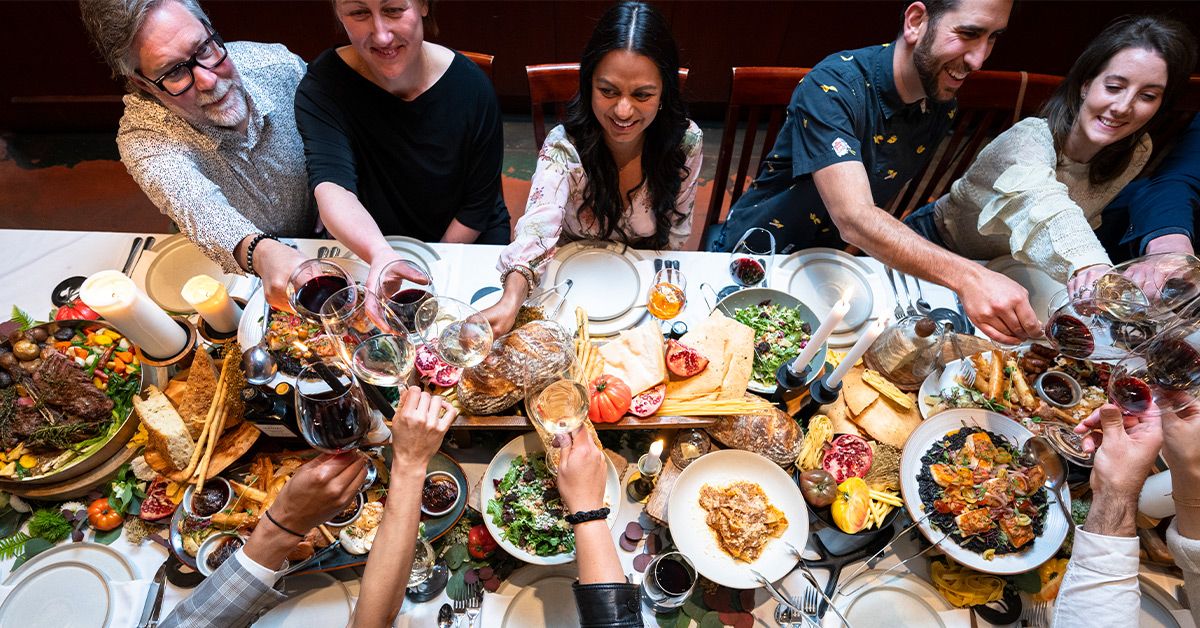

The holiday season is wonderful. It is also a world-class overachiever when it comes to bad advice. Suddenly everyone becomes a part-time nutritionist, amateur immunologist, and self-appointed expert on why Uncle Dave is asleep in the recliner before pie. One relative says skip breakfast to “save calories.” Another swears vitamin C can build an invisible force field around your sinuses. Someone else insists a hot toddy is basically outerwear in liquid form.
Here is the good news: most holiday health myths fall apart pretty quickly when you compare them with what doctors, registered dietitians, and public health experts actually say. The smarter approach is not to panic over every cookie, punish yourself with a cleanse, or treat holiday eating like an Olympic event. It is to understand what really affects your body, then make choices that help you enjoy the season without feeling lousy by New Year’s Day.
Below, experts debunk six of the most common holiday health myths, explain why they stick around, and share what is actually worth doing if you want to feel good through the parties, travel, leftovers, and inevitable dessert negotiations.
Why Holiday Health Myths Spread So Easily
Holiday myths survive for one simple reason: they sound convenient. It is easier to blame turkey than portion size. It is more fun to believe one supplement can outsmart every cold virus floating around a crowded living room. And after a month of cocktails, cheese boards, and “just one more” peppermint bark situation, a dramatic detox promises a quick reboot that sounds way more glamorous than eating balanced meals and getting enough sleep.
Unfortunately, your body does not care much about seasonal folklore. Biology remains stubbornly boring. Appetite regulation, immune function, digestion, metabolism, and sleep still work the same way whether it is July or December. That is why expert advice tends to sound less magical and more practical: eat regularly, stay active, drink enough water, keep alcohol reasonable, sleep when you can, and do not expect one “healthy” trick to cancel out a week of excess.
Myth #1: Turkey Is Why You Fall Asleep After a Holiday Meal
The myth
Turkey gets blamed every year for the classic post-feast slump. The idea is that turkey is packed with tryptophan, which supposedly knocks you out faster than a warm blanket and a football game.
What experts say
Turkey does contain tryptophan, but so do plenty of other protein-rich foods. It is not a culinary tranquilizer. Experts say the real reason many people feel sleepy after a holiday meal is much less dramatic: they ate a large amount of food, often heavy in carbohydrates and fat, and may have added wine, cocktails, or dessert on top of that. In other words, the bird is taking the blame for the whole plate.
That stuffed, drowsy feeling is often the result of sheer volume. A giant meal diverts energy toward digestion, and refined carbs can contribute to that familiar crash. Add holiday stress, earlier wake times, travel fatigue, and a warm house, and suddenly the couch starts looking like destiny.
What to do instead
Enjoy the turkey. Just do not treat the meal like a competitive sport. Build a balanced plate, pause before going back for seconds, and take a short walk afterward if you can. The simplest fix for the “turkey coma” is not fear of poultry. It is moderation with the entire meal.
Myth #2: Skipping Meals Before a Big Feast Helps You Eat Less Overall
The myth
This one shows up every holiday season wearing the disguise of discipline. The logic seems neat: if dinner will be huge, just skip breakfast and lunch to “save room.” Problem solved, right?
What experts say
Not usually. Dietitians and physicians regularly warn that skipping meals can backfire. Showing up to a party ravenous makes you more likely to overeat quickly, grab the highest-calorie foods first, and ignore fullness cues that would normally help you stop. It is difficult to make measured decisions when your stomach is staging a protest.
Going too long without eating can also lead to low energy, irritability, and the kind of impulse decisions that end with you inhaling three handfuls of snack mix while pretending you are still “just browsing.” By the time the actual meal starts, you may already be halfway to uncomfortably full.
What to do instead
Eat regular meals earlier in the day, and have a protein- and fiber-rich snack if dinner will be late. Yogurt, fruit, nuts, soup, or a small sandwich can take the edge off hunger without ruining your appetite. The goal is not to arrive stuffed. It is to arrive sane.
Myth #3: Everyone Gains 5 to 10 Pounds During the Holidays
The myth
This claim gets repeated so often that people accept it as seasonal law, like gift receipts and awkward group photos. According to the myth, major weight gain is basically unavoidable from Thanksgiving through New Year’s.
What experts say
Experts say the average holiday weight gain is usually much smaller than that dramatic 5-to-10-pound number. Research often points to a gain closer to about a pound, sometimes less, for many adults. That is the good news.
The less cheerful news is that small gains can stick. A modest increase that never fully comes off can add up over the years. So the myth is wrong in one direction and accidentally useful in another. No, most people do not instantly gain a small child over the holidays. But yes, repeated small habits matter.
What to do instead
Drop the all-or-nothing thinking. One rich dinner does not equal failure. One cookie tray does not end civilization. Focus on patterns: portions, liquid calories, late-night snacking, sleep, and movement. If you keep those basics steady most days, the holidays become far less dangerous than their reputation suggests.
Myth #4: A Detox or Cleanse Can “Reset” Your Body After Holiday Indulgence
The myth
After weeks of cookies, cocktails, and leftovers, the detox industry swoops in like a caped crusader with lemon water, herbal teas, and promises of purity. The sales pitch is seductive: your body is full of unnamed “toxins,” and a cleanse will flush them out and restore health.
What experts say
Experts are not impressed. Your body already has built-in detox systems, mainly your liver, kidneys, digestive system, lungs, and skin. For healthy people, these systems work around the clock without needing a pricey tea that tastes like regret. Research on commercial detoxes and cleanses is limited, and much of it is low quality. Some products may also be restrictive, dehydrating, or simply a fancy way to under-eat for a few days.
Many post-holiday “resets” also confuse feeling lighter with being healthier. If you slash calories, carbs, and sodium, the scale may dip fast, but that does not mean you cleaned out imaginary toxins. It usually means you lost water, ate less food, and made your week much less enjoyable.
What to do instead
Skip the dramatic cleanse and do something radical: return to normal. Drink water. Eat vegetables, fruit, whole grains, and lean protein. Get back to regular meals. Sleep. Move your body. Limit alcohol for a bit. That may not sell as many influencer-approved powders, but it is what actually supports your body.
Myth #5: Mega-Doses of Vitamin C, Zinc, or Elderberry Will Keep You From Getting Sick
The myth
Holiday gatherings mean travel, crowded rooms, and people cheerfully bringing germs as their plus-one. That makes immune “boosting” products wildly appealing. If you load up on vitamin C, zinc, or elderberry, can you dodge every cold making the rounds?
What experts say
Experts say these products are not magic shields. For most people, vitamin C does not prevent colds. It may slightly reduce how long symptoms last when taken regularly, but it is not a force field. Zinc has mixed evidence; some studies suggest it may shorten the duration of a cold in certain situations, while others show little benefit, and side effects can be an issue. Elderberry is even murkier. Some early research is promising, but evidence remains limited and far from definitive.
The biggest problem is how these products are marketed. “Supports immunity” often gets translated in people’s minds to “prevents illness,” and those are not the same thing. A supplement cannot replace sleep, vaccines, handwashing, nutritious meals, and basic common sense when someone at the party is coughing like a Victorian novel character.
What to do instead
Think fundamentals, not fairy dust. Wash your hands. Keep up with recommended vaccines. Sleep as consistently as you can. Eat well most of the time. Stay hydrated. If you use supplements, do it with realistic expectations and talk with a healthcare professional when needed, especially if you take medications or have underlying conditions.
Myth #6: Alcohol Warms You Up in Cold Weather
The myth
Few seasonal myths feel more festive than this one. Cold night, holiday market, outdoor party, maybe a spiked drink in hand. Surely that cozy flush means alcohol is helping your body stay warm.
What experts say
What alcohol really does is create the sensation of warmth by widening blood vessels near the skin. That sends warm blood to the surface, which can make you feel toasty for a moment. The catch is that it can also increase heat loss from your core. So the warm feeling is real, but it is misleading.
This matters even more if you are outside in winter weather, tailgating, walking home after a party, or generally acting like your scarf is optional because your drink is “basically a sweater.” It is not. Alcohol can also impair judgment, increase dehydration, and make it easier to ignore signs that your body is getting too cold. Overdoing it may also raise other health risks associated with holiday drinking, including heart rhythm problems in some people.
What to do instead
If you are cold, wear layers, limit alcohol, and warm up with actual heat sources or a nonalcoholic hot drink. Mulled cider can be festive without pretending to be a thermal engineering solution.
What Actually Works for Staying Healthy During the Holidays
If holiday health myths had to compete with boring-but-effective habits, they would lose every year. Here is what experts keep recommending because it actually helps:
- Keep regular meals. Extreme restriction usually leads to rebound overeating.
- Prioritize balance over perfection. One indulgent meal matters less than your overall routine.
- Watch liquid calories. Holiday drinks add up quickly, especially when they also lower inhibitions.
- Stay active. A walk after dinner counts. You do not need to “earn” dessert with punishment exercise.
- Protect sleep. Short sleep can increase appetite, reduce patience, and make every cookie look emotionally important.
- Be realistic. You are not trying to become a wellness monk in December. You are trying to feel decent in January.
Holiday Health Myths in Real Life: 6 Experiences That Feel Very Familiar
1. The Turkey Blame Game: You finish a holiday dinner, sink into the couch, and announce that the turkey “got you.” But if you replay the evening honestly, turkey was only one cast member. There was the buttery stuffing, the dinner rolls, the mashed potatoes, the pie, the wine, and the second helping you swore was “mostly vegetables.” The lesson is not that turkey is sneaky. It is that your body notices the full holiday production.
2. The Strategic Skipper: Someone decides to skip breakfast and lunch before a family dinner so they can “be good” all day and splurge later. By the time appetizers appear, they are so hungry that cheese cubes begin to look like a food group. Half an hour later, they are uncomfortably full and wondering why the plan failed. This experience is incredibly common because intense hunger rarely leads to calm choices.
3. The January Detox Warrior: After a week of rich food, a person declares they are doing a three-day cleanse with juice, tea, and heroic levels of self-denial. Day one feels motivating. Day two feels cranky. Day three feels like a hostage negotiation with a bagel. Then regular eating resumes, and the “reset” turns out to be more dramatic than useful. Many people discover that a balanced breakfast and a normal schedule are less exciting, but far more sustainable.
4. The Immune Booster Collector: During cold and flu season, a kitchen counter suddenly turns into a supplement showroom. There is vitamin C, zinc, elderberry syrup, maybe a wellness shot that tastes like spicy lawn clippings. The intention makes sense. Nobody wants to get sick before a flight or a holiday gathering. But the experience often teaches the same lesson: supplements are not substitutes for sleep, hand hygiene, and staying home when you feel awful.
5. The “It’s Only the Holidays” Rationalizer: Another familiar experience is assuming a few weeks of excess do not count because the calendar is festive. Extra cocktails, random sweets, huge leftovers, late nights, and very little movement start to stack up. Then January arrives with puffiness, fatigue, and pants that suddenly seem judgmental. The problem usually is not one meal. It is the quiet accumulation of little habits repeated for several weeks.
6. The Outdoor Drink Myth: Picture a chilly holiday event where someone insists their drink is keeping them warm. They skip the coat, stay outside too long, and end the night feeling much colder than expected. That experience sticks because the warmth felt real in the moment. It just was not protective. The takeaway is simple: cozy and safe are not always the same thing, especially when alcohol is involved.
These experiences are so relatable because holiday health myths usually contain a tiny grain of truth wrapped in a large amount of wishful thinking. Turkey does contain tryptophan. Vitamin C does matter for immune function. Weight can creep up during the holidays. Alcohol does create a warm sensation. But once these half-truths get exaggerated, they turn into advice that is catchy, seasonal, and often unhelpful.
Conclusion
The healthiest way to handle the holidays is not to fear every festive meal or chase miracle fixes afterward. It is to let go of myths that encourage extremes. You do not need to skip meals, blame turkey, buy a detox kit, or treat supplements like holiday armor. What works is far less flashy and far more effective: eat regular meals, enjoy treats without turning them into a month-long sport, stay active, sleep when you can, be mindful with alcohol, and remember that your health is shaped by patterns, not a single party.
So go ahead and enjoy the season. Just do not take medical advice from the dessert table.