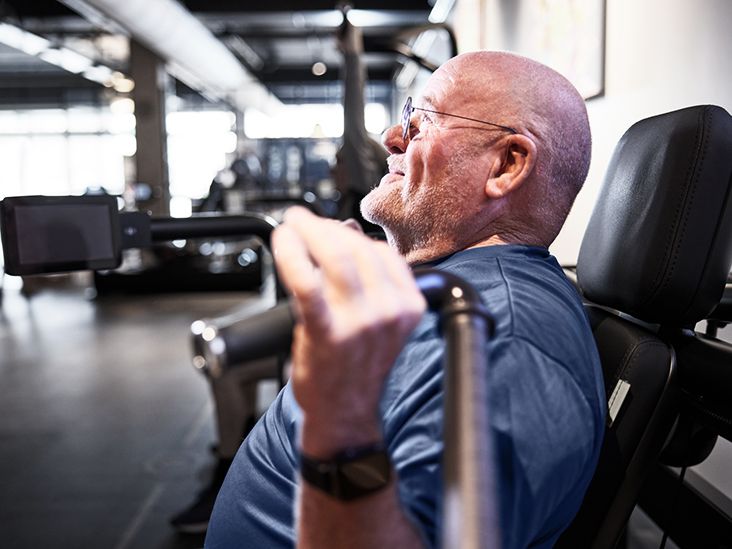

Wait… exercise with heart failure?
If you’re living with heart failure, the idea of “working out” might sound a little
like telling your phone with 3% battery to run a software update. But here’s the twist:
for many people with stable heart failure, the right kind of exercise done safely
and with medical guidance is one of the best tools available to improve energy,
mood, and quality of life.
Cardiologists now consider regular physical activity a core part of heart failure
treatment, not just a “nice-to-have” extra. Research shows that supervised exercise
programs can improve how far you can walk, how short of breath you feel, and even
your chances of staying out of the hospital. At the same time, it’s a condition where
pushing too hard or exercising at the wrong time can be dangerous. So the goal
isn’t “no pain, no gain” it’s “slow, smart, and supervised.”
This guide breaks down everything you should know about exercise and heart failure:
what’s safe, what to avoid, how to get started, and how other people are making
movement part of their day without overtaxing their hearts.
Quick refresher: What is heart failure?
Heart failure doesn’t mean your heart has stopped working. It means your heart
isn’t pumping blood as effectively as it should. That can happen because the heart
is too weak (reduced ejection fraction) or too stiff (preserved ejection fraction).
Either way, your body may not get enough oxygen-rich blood, especially when you’re
active.
Common symptoms include:
- Shortness of breath, especially with activity or when lying flat
- Swelling in the legs, ankles, or abdomen
- Rapid weight gain from fluid buildup
- Fatigue and reduced ability to exercise
- Persistent cough or wheeze
Because these symptoms overlap with what you might feel during exercise,
it’s especially important for people with heart failure to have a clear,
personalized plan from their care team before they lace up their shoes.
Is exercise safe if you have heart failure?
In many cases, yes and not just “safe,” but strongly recommended. Large
studies of people with chronic, stable heart failure show that supervised exercise
training can:
- Increase how far and how long you can walk or bike
- Improve your ability to do daily activities like shopping or housework
- Boost energy and reduce fatigue
- Improve mood and reduce symptoms of depression and anxiety
- Lower the risk of hospitalizations related to heart failure
The key words, though, are stable and individualized.
If you’ve just been hospitalized, had medication changes, or your symptoms are
getting worse, you need a medical green light before starting or changing an exercise plan.
Most people with heart failure do best when they start in a
cardiac rehabilitation program a supervised setting where
specially trained staff monitor your heart rate, blood pressure, and symptoms while
you exercise. Once you and your team know your safe zones, you can usually continue
much of the routine at home.
Benefits of exercise for heart failure
Exercise helps your body use oxygen more efficiently, so your heart doesn’t have
to work quite as hard to keep up. Over time, this can translate into:
-
Better cardiorespiratory fitness. You can walk farther or climb
more stairs before getting winded. -
Improved circulation. Regular movement helps blood vessels
relax and function better, which supports healthier blood pressure. -
Stronger muscles. When your muscles are stronger, they don’t
demand as much from your heart for the same activity. -
Less fluid congestion. Staying active supports better fluid balance,
especially when paired with medication and nutrition. -
Better metabolic health. Exercise can help manage weight,
cholesterol, and blood sugar all important in heart failure. -
Improved quality of life. Many people report less fatigue and a
greater sense of control over their health when they move regularly.
Think of exercise as giving your heart a helpful support team. Medications handle
the chemistry; exercise helps your blood vessels, muscles, lungs, and metabolism
pull their weight too.
When exercise is not safe
There are times when even gentle exercise might not be appropriate. Call your
doctor before exercising and don’t start a new routine if you have:
- Worsening shortness of breath at rest or with very light activity
- New or rapidly increasing leg or belly swelling
- Chest pain, pressure, or a feeling of “squeezing”
- Unexplained rapid weight gain (for example, 2–3 pounds in a day or 5 pounds in a week)
- Severe dizziness or fainting spells
- New, irregular, or very fast heartbeat
- Recent heart attack, procedure, or hospitalization unless your doctor has cleared you
During exercise, stop right away and seek prompt medical help if you notice:
- Chest pain or tightness
- Sudden severe shortness of breath
- Feeling like you might pass out
- Palpitations that are new or unusually strong
- Confusion or trouble thinking clearly
When in doubt, it’s always safer to ease off and call your care team. No workout
is worth a medical emergency.
Best types of exercise for people with heart failure
The “ideal” exercise mix will depend on your specific diagnosis, medications,
and overall health, but most heart failure programs focus on three main types
of movement.
1. Aerobic (endurance) exercise
This is anything that gets you gently breathing harder and raises your heart rate:
walking, stationary cycling, light swimming, or even slow dancing in your kitchen.
Many cardiac rehab plans aim for 20–45 minutes of aerobic activity
on most days of the week, broken into shorter blocks if needed.
A simple way to gauge intensity is the talk test:
- You should be able to talk in full sentences, but singing would feel difficult.
- If you can’t get more than a few words out, you’re probably going too hard.
2. Resistance (strength) training
Light strength training helps keep muscles strong and supports balance, joint
health, and blood sugar control. For people with heart failure, this usually
means:
- Very light weights or resistance bands
- 2–3 days per week
- Major muscle groups (legs, hips, back, chest, arms)
- 1–2 sets of 10–15 gentle repetitions
The goal is not bodybuilding; it’s “functional strength” being able to carry
groceries, stand from a chair, and climb stairs with more ease and less strain
on your heart.
3. Flexibility and balance exercises
Stretching, yoga (modified and gentle), and balance work (like standing on one
leg while holding a counter) may not feel like “real” exercise, but they are
especially valuable if you’re older, have neuropathy, or feel unsteady. They
reduce fall risk and help your body move through daily tasks more smoothly.
How much exercise is enough?
General heart-health guidelines for adults recommend at least
150 minutes per week of moderate-intensity aerobic exercise,
plus 2 or more days of strength training. For people with heart failure, that
target is often reached gradually and may be adjusted up or down depending on
your condition.
For example, you might:
- Start with 5–10 minutes of slow walking, once or twice a day
- Add a minute or two every few days if you feel well
- Work toward 20–30 minutes of walking most days of the week
Remember, any movement is better than none. Short, frequent
bouts walking around the house for three minutes every hour, marching in place
during TV commercials, or doing gentle leg exercises in a chair all count as
meaningful physical activity.
Sample beginner week for someone with stable heart failure
This is just an example. Your own plan should come from your cardiologist or
cardiac rehab team, especially if you have devices (like a pacemaker or ICD)
or other medical conditions.
| Day | Activity | Notes |
|---|---|---|
| Monday | 2 x 7-minute walks at a comfortable pace | 5-minute warm-up and cool-down each time |
| Tuesday | 10–15 minutes of light resistance band exercises | Focus on arms and legs; stop if you feel dizzy or very short of breath |
| Wednesday | 1 x 10–12 minute walk, plus gentle stretching | Use the talk test; you should still be able to carry on a conversation |
| Thursday | Rest day or short 5-minute walks around the house | Great day to track symptoms and weight |
| Friday | 2 x 8–10 minute walks | Include a couple of very slightly faster intervals if your doctor says it’s OK |
| Saturday | Light strength training plus balance exercises | Chair squats, wall push-ups, heel-to-toe walking along a counter |
| Sunday | Flexible day | Gentle walk, stretching, or simply extra rest if you’re tired |
Tips to exercise safely with heart failure
-
Get medical clearance first. This is non-negotiable. Ask if
cardiac rehab is an option it’s often covered by insurance. -
Take your medications as prescribed. Don’t skip doses to “see
how your heart does” without them. -
Check your numbers. Weigh yourself daily. Know your usual
resting heart rate and blood pressure if your team has asked you to track them. -
Warm up and cool down. Spend at least 5–10 minutes easing into
and out of activity so your heart isn’t suddenly shocked into working harder. -
Dress comfortably. Layers, supportive shoes, and clothing that
doesn’t restrict your breathing make a big difference. -
Hydrate the way your doctor recommends. Some people with heart
failure have fluid restrictions; don’t override those without medical advice. -
Listen to your body. Slight breathlessness is normal. Sharp
pain, severe pressure, or feeling faint is not.
Frequently asked questions
Can exercise reverse heart failure?
Exercise alone doesn’t “cure” heart failure, but it can significantly improve
how you feel and how much you can do, and in some cases it may support better
heart function over time when combined with medications, lifestyle changes,
and procedures recommended by your cardiologist.
Is walking enough?
For many people with heart failure, yes. Walking is often the safest, most
accessible form of aerobic exercise. You can adjust the pace, distance, and
terrain, and you don’t need special equipment. Over time, adding light strength
work and flexibility training can provide even more benefits.
What about high-intensity interval training (HIIT)?
Some supervised programs have used carefully controlled interval training for
selected heart failure patients, but this is definitely not something to try
on your own. If you’re interested in intervals, ask your cardiac rehab team or
cardiologist whether they’re appropriate for your specific situation.
Can I exercise at home instead of going to a gym?
Absolutely. Many heart failure exercise programs are built around home-based
walking or simple indoor routines. The main requirements are safety, consistency,
and regular communication with your healthcare team about how you’re feeling.
What if I use oxygen or have a device?
Many people with heart failure use supplemental oxygen or have implanted devices
such as pacemakers or defibrillators. You can often still exercise safely, but
your plan needs extra customization. Your team can help you understand any
limits on arm movement, target heart rate, or device settings.
Real-world experiences: moving more with a “vulnerable” heart
Numbers and guidelines are helpful, but real life is where exercise decisions
get messy. Here’s what living and moving with heart failure often looks like
behind the scenes.
Many people start out deeply afraid of activity. After a hospitalization or a
scary shortness-of-breath episode, even walking to the mailbox can feel risky.
A supervised cardiac rehab session can be a game changer: you’re on a treadmill
or bike with wires attached, and someone is literally watching your heart as
you move. When you see your numbers respond in a controlled way, it can chip
away at the fear that “any effort might break my heart.”
One common experience is learning that pacing matters more than
perfection. Instead of one big walk, you might take three tiny ones. Instead of
doing all your chores in a rush on Saturday, you spread them across the week and
treat them as part of your movement plan. People often talk about redefining
success: not “I only walked 8 minutes,” but “I moved 8 minutes more than if I
had stayed on the couch.”
Another reality: symptoms fluctuate. Some days you feel like you could walk around
the block twice; other days just showering is enough of a workout. Successful
exercisers with heart failure learn to adjust without guilt. They keep a basic
routine but accept that “down days” are part of the deal not a personal failure.
Many keep a simple symptom and activity diary so they can see patterns over
weeks, not just judge themselves day by day.
Social support also makes a huge difference. Walking with a friend, joining a
heart failure support group, or checking in with an exercise buddy over text can
keep you accountable and help you spot warning signs. Loved ones sometimes hover
or worry; involving them in rehab or appointments can reassure them that your
exercise plan is doctor-approved, not reckless.
Emotionally, movement often becomes more than just “cardio.” People describe
feeling proud after finishing a short walk, or surprised to notice they’re less
anxious after a gentle session on the stationary bike. That sense of agency
“I can do something for my heart, not just take pills” can be powerful.
Of course, there are frustrating moments: days when you have to turn back early,
weeks when fluid retention slows you down, or times when medication changes make
you feel off-balance. The goal isn’t a perfect streak. It’s building a flexible
relationship with movement that fits your changing health, honors your limits,
and keeps you as active, independent, and comfortable as possible.
If you live with heart failure, exercise isn’t about training for a marathon.
It’s about helping your heart and the rest of your body do their jobs with
a little less struggle. With the right medical guidance and a patient, curious
mindset, even small steps can add up to a major difference in how you feel every
single day.
Bottom line
Exercise and heart failure can absolutely coexist and, in many cases, they
should. The right plan, at the right pace, can strengthen your body, support
your heart, and help you live more fully with fewer limitations. But heart
failure is complex, and no article (even a very thorough one!) can replace
advice from your own cardiologist.
If you’re curious about what exercise could look like for you, talk with your
healthcare team about cardiac rehab or a personalized activity plan. Together,
you can tailor a movement routine that respects your heart’s limits while still
nudging it gently and safely in the direction of better health.