
If your garden needs a shrub that looks polished without acting like royalty, Euonymus Silver Queen deserves a serious look. This evergreen favorite is loved for its glossy green leaves edged in creamy white, its tidy upright habit, and its ability to brighten a border when everything else is busy being aggressively green. In other words, it is the plant equivalent of someone wearing a crisp white blazer to a backyard barbecue and somehow still looking practical.
Commonly sold as Euonymus japonicus ‘Silver Queen’, this variegated evergreen shrub is popular in foundation plantings, low hedges, mixed borders, and entry gardens. It gives you year-round color, works in formal or casual designs, and usually asks for far less drama than flowering shrubs that bloom for two weeks and then coast on reputation. For gardeners who want structure, contrast, and reliable foliage, Silver Queen earns its keep.
This guide covers what Euonymus Silver Queen is, how to grow it, where it works best in the landscape, common problems to watch for, and what real gardeners often notice once the plant settles in. Whether you are planning a neat front-yard hedge or looking for a variegated shrub to wake up a sleepy corner, here is what you should know.
What Is Euonymus Silver Queen?
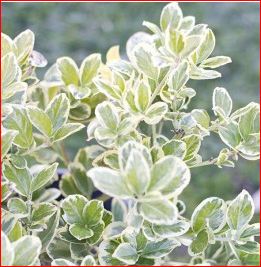
Euonymus Silver Queen is a broadleaf evergreen shrub grown mainly for its handsome variegated foliage. The leaves are leathery, glossy, and oval, with green centers and pale cream-to-white margins. That bright edging is what makes the plant stand out from across the yard and why it is often used to contrast darker evergreens, brick walls, or rich green lawns.
One reason the plant can be a little confusing online is naming. In American retail horticulture, it is most often sold as Euonymus japonicus ‘Silver Queen’, though some plant records and older references overlap with closely related euonymus names. For home gardeners, the important part is less the botanical paper chase and more the performance: it is an upright, evergreen, variegated euonymus with dependable structure and a clean, bright look.
Most gardeners will see Silver Queen sold as a medium shrub, often listed around 4 to 6 feet tall and 3 to 6 feet wide. In warm climates, rich soil, and with age, some growers report it eventually pushing larger, even into the 8 to 10 foot range. That sounds contradictory until you remember one important garden truth: a shrub’s size depends a lot on climate, pruning, patience, and whether anyone ever remembers to put the pruners down.
Why Gardeners Like Euonymus Silver Queen
The appeal of Silver Queen is straightforward. It is evergreen, so it keeps the garden from looking bare in winter. It is variegated, so it adds contrast without needing flowers. It is also adaptable, which is a very attractive personality trait in both plants and houseguests.
In many landscapes, Silver Queen fills a useful middle-ground role. It is not as tiny and fussy as a dwarf edging plant, but it is not so giant that it immediately becomes a future regret. It can be clipped into a formal hedge, shaped into a topiary-style accent, or left a bit looser for a softer look. It also works well in coastal or warm-region gardens where heat tolerance matters.
Another reason this shrub stays popular is that the foliage does the heavy lifting all year. The flowers are small and greenish white, which is a polite way of saying they are not why anyone bought the plant. Silver Queen is all about texture, structure, and leaf color. That makes it useful in designs where flowers come and go, but evergreen form needs to stay strong twelve months a year.
How to Grow Euonymus Silver Queen
Light Requirements
Silver Queen grows best in full sun to part shade. In most gardens, several hours of direct sun help the variegation stay crisp and bright. In deeper shade, the plant can still survive, but growth may become looser and the white leaf margins may look less dramatic. Think of sunlight as the shrub’s favorite filter: the right amount makes everything look more defined.
Soil and Drainage
This shrub is notably adaptable to different soil types, including average garden soil, sandy ground, and even less-than-perfect soil, as long as the drainage is decent. The key phrase is well-drained soil. Euonymus does not love wet feet, soggy roots, or the swampy conditions that make root problems more likely. If your yard tends to stay muddy after rain, improve drainage before planting or choose a raised bed.
Water Needs
During the first year or two, water regularly so the plant can establish a solid root system. After that, Euonymus Silver Queen care gets easier. Once established, the shrub is fairly tolerant of dry spells, though it still looks best with occasional deep watering during hot weather. The trick is to water deeply, then let the upper soil dry somewhat before watering again. Constant shallow watering often creates a needy plant, and needy plants never stop texting.
Fertilizer and Mulch
Silver Queen usually does not need a complicated feeding schedule. A balanced, slow-release fertilizer in early spring is often enough in average soil. If the shrub is already growing well and the foliage looks healthy, do not feel obligated to feed it just because a bag at the garden center made eye contact with you.
A light layer of mulch helps conserve moisture, keeps roots cooler, and reduces weed competition. Keep mulch a few inches away from the trunk or stems to avoid trapping moisture where it should not linger.
Best Landscape Uses for Euonymus Silver Queen
Because it has such a neat upright habit and a bright evergreen look, Silver Queen euonymus fits a surprising number of design situations.
Foundation Planting
This is one of its strongest uses. The variegated foliage softens walls, porches, and front entries, while the evergreen form keeps the base of the house from looking empty in winter. Pair it with darker shrubs or rich mulch for maximum contrast.
Low Hedge or Border
If you want a clean line without the all-green look of more traditional hedging plants, Silver Queen is an excellent choice. It responds well to shearing, though it also looks attractive when allowed to keep a slightly more natural shape.
Accent Plant
In mixed beds, a single Silver Queen can act like a visual spotlight. The white-edged leaves pull attention and help separate louder colors nearby. It is especially useful near burgundy foliage, blue-gray plants, or dark green evergreens.
Container Planting
Compact retail sizes make Silver Queen a good candidate for large containers, especially near entries or patios. In pots, the bright foliage gives you year-round interest, though container-grown plants will need more consistent watering than shrubs in the ground.
Pruning and Maintenance
One reason gardeners like this shrub is that it can look good with either minimal pruning or a more formal routine. For the cleanest results, prune in late winter or early spring before strong new growth begins. That timing helps shape the plant without removing a season’s fresh flush too soon.
If you are growing Silver Queen as a hedge, light shearing can keep it compact. If you are growing it as a specimen, selective pruning often looks better than giving it a flat-top haircut that makes it resemble a green-and-white ottoman. Remove dead, damaged, or awkward stems first, then thin lightly to preserve the natural branching pattern.
Also keep an eye out for any fully green shoots that appear. Variegated plants sometimes produce reverted growth, which can be more vigorous than the variegated portions. If you spot a plain green branch, prune it out promptly so it does not steal the spotlight or the plant’s energy.
Common Problems With Euonymus Silver Queen
Euonymus Scale
The most important pest to know is euonymus scale. This insect can cause yellow speckling, leaf drop, poor vigor, and branch decline. If the foliage starts looking dingy or stippled, check stems and leaves closely. Catching scale early makes control much easier. A healthy plant with good air movement is more resilient, but regular inspection is still smart.
Leaf Spot and Stress Issues
Like other euonymus shrubs, Silver Queen can run into disease problems when conditions are too wet, crowded, or poorly ventilated. Overwatering, waterlogged soil, and dense growth create better conditions for trouble than the plant prefers. If you want fewer headaches, give it room, decent drainage, and avoid creating a leafy humidity chamber worthy of a tropical spa.
Cold Damage
Although Silver Queen is often listed for USDA Zones 6 to 9, the coldest edge of that range can still be rough in exposed locations. Harsh winter wind may scorch leaves, and severe cold can damage stems. In borderline areas, plant it in a protected site away from drying winter wind.
Invasive Concerns in Some Regions
This point matters. Japanese euonymus has raised invasive concerns in parts of the Southeast, particularly in Florida and in some naturalized settings. That does not mean every front-yard planting is instantly staging a botanical uprising, but it does mean you should check local extension guidance before mass planting near natural areas, woodlands, or sensitive habitats.
Pet Safety
If pets or small children are prone to sampling the landscape like unpaid food critics, use caution. As with other plants in the euonymus group, ingestion is not a great idea. In pet-friendly yards, placement matters.
Euonymus Silver Queen vs. Silver King
Gardeners often compare Euonymus Silver Queen with Silver King. Both are variegated evergreen euonymus shrubs with green-and-light margins, and both are used for hedges, screens, and structure. Silver Queen is often described as somewhat more compact and refined, with creamier white margins and a tidier low-hedge profile. Silver King is often listed as the larger, bolder grower. If your goal is a sharper, more controlled look near walkways or foundations, Silver Queen is often the better fit.
Frequently Asked Questions
How fast does Euonymus Silver Queen grow?
It is usually considered a moderate grower. In good conditions, it fills in steadily without becoming wildly unruly overnight. That is good news for gardeners who like progress but dislike surprises.
Can Euonymus Silver Queen grow in shade?
It can tolerate part shade, but the best foliage color and denser growth usually happen with more sun. Too much shade can make the plant look thinner and less striking.
Is Euonymus Silver Queen good for hedges?
Yes. It is one of the better reasons this plant stays in circulation. The dense evergreen growth and bright variegation make it useful for low formal hedges and clipped borders.
Does Euonymus Silver Queen flower?
Yes, but modestly. The flowers are small, greenish white, and not especially showy. Most gardeners grow it for the foliage, not the bloom display.
Final Thoughts
Euonymus Silver Queen is a strong choice for gardeners who want a variegated evergreen shrub that is attractive, adaptable, and useful in multiple roles. It can anchor a foundation bed, brighten a mixed border, define a path, or build a low hedge with year-round presence. It is not a plant that begs for applause every week, but that is exactly its charm. Silver Queen just shows up looking good, keeps the garden organized, and quietly makes everything around it look more intentional.
If you plant it in well-drained soil, give it decent light, prune it sensibly, and watch for scale, it can be one of the most practical foliage shrubs in the landscape. In a world full of flashy plants that peak for ten days and then disappear into mediocrity, Silver Queen is refreshingly dependable.
Real-World Growing Experiences With Euonymus Silver Queen
Gardeners who grow Silver Queen often mention the same thing first: this shrub does more visual work than people expect. In many yards, it starts out as the “filler” plant chosen to brighten a corner or line a foundation, then slowly turns into one of the most useful shrubs on the property. That happens because the foliage reads clearly from a distance. Even when flowers elsewhere are finished and the summer annuals look tired, Silver Queen still brings crisp contrast. It is one of those plants that can quietly rescue a bed from looking flat.
Another common experience is that the shrub looks best after a settling-in period. Newly planted Silver Queen can appear a bit stiff or sparse at first, especially if it came from a nursery pot and was clipped into a tight retail shape. But once roots establish and new growth begins, the plant usually softens into a fuller, more natural form. Gardeners sometimes worry in year one that it is not doing much, then by year two realize it has become a steady, handsome presence. It is not lazy. It is just taking the long view.
Sun exposure also changes the experience. In brighter sites, the white margins tend to look cleaner and sharper. In part shade, the shrub still works, but the effect can be subtler and a little less dramatic. Some gardeners actually prefer that softer look, especially in woodland-edge plantings where a screamingly bright shrub would feel out of place. Others move heaven and earth to give it more sun because they want that neat green-and-cream contrast to pop. Both approaches can work; the site just changes the vibe.
Gardeners using Silver Queen as a hedge often appreciate that it responds well to clipping without becoming instantly ugly or sulky. A lot of shrubs tolerate pruning in the same way a teenager tolerates chores: technically yes, emotionally no. Silver Queen usually bounces back just fine. That said, experienced gardeners often learn that constant hard shearing can make the outside look crisp while the interior gets dense and tired. A better long-term approach is to combine occasional shaping with selective thinning. The result looks fresher, healthier, and less like the shrub is wearing a geometric helmet.
There are also practical lessons that come from trial and error. Gardeners in humid climates often discover that airflow matters more than they thought. A Silver Queen tucked into a crowded corner with overhead irrigation may start looking stressed, while one planted with room to breathe holds cleaner foliage. Likewise, people in coastal or hot regions frequently report that the shrub handles heat better than fussier evergreens. It may not be invincible, but it is often tougher than its polished leaves suggest.
The most frustrating real-world experience is usually pest-related, especially with scale. Many gardeners say the shrub looked fantastic until one season it suddenly seemed dusty, yellowed, or thinner than usual. That is often the moment they learn to inspect stems and leaf undersides more closely. Once Silver Queen is part of your landscape, the best habit is simple observation. Walk by, look closely now and then, and catch issues early. When grown in the right site and monitored with a little common sense, Silver Queen often becomes the shrub gardeners did not know they needed but end up recommending to everyone else on the block.