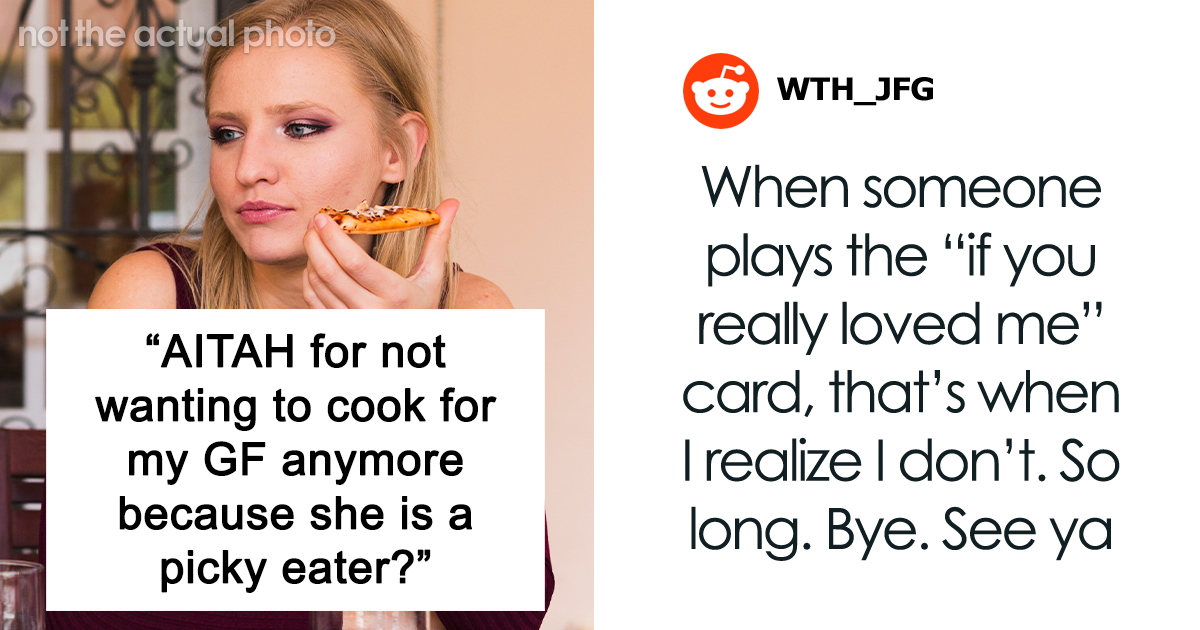

Every couple has “the thing.” One person leaves cabinet doors open. One person thinks the thermostat is a personality test. One person says they are “fine” and then communicates entirely through dishwashing volume. But in one viral relationship debate, the thing was dinnerand not in the cute “we cannot agree on Thai or tacos” way. A man who loves cooking found himself exhausted by his girlfriend’s extremely picky diet, joking that she “eats like a 7-year-old on a chicken nugget diet.”
At first glance, the story sounds like classic internet chaos: one frustrated boyfriend, one girlfriend with a suspiciously beige food universe, and thousands of strangers sprinting to the comment section with forks raised. But underneath the humor is a real issue that many couples eventually face: what happens when one partner’s eating habits begin shaping the other partner’s daily life, social plans, emotional energy, and kitchen freedom?
This is not just about chicken nuggets. It is about picky eating in adults, food boundaries, relationship compromise, resentment, nutrition, and the tricky line between accommodating someone you love and turning yourself into a short-order cook with Wi-Fi.
The Viral Picky-Eater Girlfriend Story: What Happened?
In the widely discussed scenario, the boyfriend described himself as a home cook who enjoys experimenting with different cuisines, flavors, spices, vegetables, and proteins. His girlfriend, however, had an intensely limited diet. According to his account, she avoided beef, pork, fish, many vegetables, beans, mushrooms, onions, garlic, spicy food, creamy food, and plenty of other ingredients that most home cooks consider basic building blocks.
That left him repeatedly preparing a narrow rotation of plain chicken-based meals or making separate food for her while cooking something more adventurous for himself. After months of trying to adjust, he reached a breaking point. He told her he would no longer cook separate meals just to fit her picky diet. She could eat what he made, prepare her own meal, or order something else.
Her reaction was not exactly a standing ovation with a side salad. She reportedly felt he was being selfish and inconsiderate, arguing that a loving partner should not mind adjusting. He, meanwhile, felt trapped between affection and culinary captivity. The internet, naturally, responded like it had been waiting all week for a relationship trial involving garlic.
Why This Story Hit Such A Nerve
Food is personal. It is comfort, culture, routine, memory, health, identity, budget, and sometimes the only thing standing between you and saying something dramatic at 7:14 p.m. When couples clash over food, they are rarely arguing only about dinner.
In this case, the boyfriend was not simply upset that his girlfriend disliked mushrooms. Plenty of good people dislike mushrooms. Mushrooms know what they did. His frustration came from the scale of restriction and the expectation that he should constantly adjust to it.
That is why readers were divided. Some people saw the girlfriend as immature and demanding. Others wondered whether her eating habits might be rooted in anxiety, sensory sensitivity, food trauma, or a condition such as avoidant/restrictive food intake disorder, commonly called ARFID. Many landed somewhere in the middle: her food limits may be real, but that does not automatically make her partner responsible for managing every meal.
Adult Picky Eating Is More Common Than People Admit
Adult picky eating is often treated like a punchline, mostly because it is easy to imagine a grown person dramatically rejecting a tomato slice like it has committed tax fraud. But selective eating can range from ordinary preferences to a deeply stressful pattern that affects relationships, travel, social plans, and health.
Some adults dislike strong flavors, certain textures, mixed foods, sauces, seafood, bitter greens, or unfamiliar cuisines. Others have a short list of “safe foods” and feel genuine anxiety when meals fall outside that comfort zone. For some, the issue is taste. For others, it is smell, texture, fear of choking, fear of vomiting, past illness, neurodivergence, or a history of being pressured at the table.
The key difference is impact. Someone who dislikes olives is not the same as someone who cannot attend a dinner party because almost every dish feels impossible to eat. One is a preference. The other may be a serious quality-of-life issue.
Picky Eating Vs. ARFID: Not Every Chicken Nugget Habit Is A Diagnosis
It is tempting for internet commenters to diagnose everyone by paragraph three, but that is not how health works. A limited diet does not automatically mean someone has ARFID. However, ARFID is worth understanding because it shows why “just try it” is not always helpful advice.
ARFID is an eating disorder involving restricted food intake that is not driven by body image concerns. People with ARFID may avoid foods because of sensory sensitivity, fear of choking or vomiting, low interest in eating, or distress around unfamiliar foods. It can lead to nutritional deficiencies, weight changes, anxiety, and major interference with everyday life.
That said, a person can be a picky eater without having ARFID. They may simply have strong preferences, limited exposure to diverse foods, or a stubborn case of “I know what I like and it is shaped like a dinosaur.” The important point is this: whether the cause is preference, anxiety, or a clinical issue, the solution should not be shame. But it also should not be one partner silently carrying the burden forever.
The Boyfriend’s Real Problem Was Not The DietIt Was The Expectation
In relationship terms, the central conflict is not “she eats plain chicken.” It is “he is expected to cook around her restrictions every time.” That distinction matters.
If she has a limited diet, she is allowed to have one. Adults do not have to eat mushrooms, salmon, garlic, kale, chili crisp, lentils, or that one experimental casserole everyone pretends is “interesting.” But another adult is also allowed to say, “I cannot make my entire cooking life revolve around this.”
Healthy compromise does not mean one partner wins and the other partner becomes a kitchen intern. It means both people make realistic adjustments. He might cook a simple protein she can eat as part of some meals. She might keep easy safe foods on hand. He might avoid mocking her. She might avoid demanding a separate custom dinner. They might plan restaurant choices in advance instead of turning every menu into a courtroom exhibit.
Why Cooking Separate Meals Can Breed Resentment
Cooking is labor. It can be joyful labor, but it is still labor. Planning, shopping, chopping, seasoning, cooking, cleaning, and repeating the cycle seven days a week is not nothing. When one person must regularly create a second meal because their partner refuses most ingredients, the emotional math changes quickly.
At first, it may feel loving. “No problem, I’ll make yours without onions.” Then it becomes routine. “No problem, I’ll make yours without onions, garlic, vegetables, sauce, spice, beans, cream, fish, beef, pork, joy, and possibly color.” Eventually, the accommodating partner may start to feel controlled, even if control was not the picky eater’s intention.
That resentment becomes worse when appreciation is missing. A picky eater who says, “Thank you for making this easier for me” creates a very different atmosphere than one who says, “If you loved me, you would cook my separate meal without complaining.” One invites teamwork. The other invites a dramatic monologue over a cutting board.
The Nutrition Angle: Beige Food Is Not Automatically Evil, But Variety Matters
Chicken nuggets are not morally bad. No food should have to stand trial in a tiny powdered wig. The problem is not a single food; the problem is a long-term pattern with too little variety.
A balanced eating pattern generally includes a mix of protein, vegetables, fruits, whole grains, dairy or fortified alternatives, and healthy fats. Different foods provide different nutrients. Vegetables and fruits bring fiber, vitamins, minerals, and phytochemicals. Whole grains contribute fiber and energy. Protein foods support muscle and tissue repair. Dairy or fortified alternatives can help with calcium and vitamin D. Healthy fats support satisfaction and other body functions.
When a diet is built around only a handful of foods, it may become harder to meet nutritional needs. That does not mean everyone needs to eat like a wellness influencer arranging chia seeds with tweezers. It means that over time, a narrow diet can leave gapsespecially if it excludes entire categories such as vegetables, legumes, fish, or whole grains.
How Adults Can Expand A Limited Diet Without Turning Dinner Into A Horror Movie
For adults who want to become less picky, the most effective approach is usually gradual, low-pressure exposure. The goal is not to go from plain chicken to fermented shark overnight. That is not growth; that is a dare.
A better strategy is to start near familiar territory. If plain chicken is safe, try chicken with a mild herb. If fries are safe, try roasted potatoes. If white bread is safe, try a soft whole-grain version. If plain pasta works, add a tiny amount of mild sauce on the side. Keep the portion small enough that it does not feel like a threat. One bite counts. Smelling, touching, or helping cook the food can count too.
Pressure usually backfires. Mocking someone, tricking them, hiding ingredients, or forcing “just one bite” can make food feel even less safe. Encouragement works better when the person has control. It is also fair for partners to say, “I support you, but I will not fight with you about food every night.” Compassion and boundaries can sit at the same table.
What The Girlfriend Could Have Done Differently
The girlfriend in the story may have had genuine food limits. But even genuine limits require adult responsibility. If she knows she has a very narrow diet, she can participate in solving the problem.
She could keep her own staples available, learn a few easy meals, batch-cook safe foods, bring snacks to events, preview menus before going out, and communicate her needs without making them sound like orders. She could also consider whether her diet is affecting her health or social life enough to discuss it with a doctor, therapist, or registered dietitian.
Most importantly, she could separate “I need support” from “you must do this for me.” Support might mean not being mocked, having some safe options, and making plans together. It does not have to mean her boyfriend gives up the foods he enjoys or cooks two dinners forever.
What The Boyfriend Could Have Done Differently
The boyfriend’s boundary was reasonable, but the language matters. Saying someone “eats like a 7-year-old on a chicken nugget diet” may be funny to the internet, but inside a relationship, it can land like a deep-fried insult.
If he wants the relationship to improve, he should frame the issue around his needs rather than her character. For example: “I love cooking, and I feel burned out making separate meals. I am happy to plan some meals we can both eat, but I need freedom to cook food I enjoy too.” That is much better than, “Congratulations, your palate has entered second grade.”
He can set limits without becoming cruel. He can cook what he wants on certain nights, offer a simple shared component when practical, and let her handle her own food when his meal does not work for her. Boundaries are not punishments. They are instructions for how to continue without resentment turning the kitchen into a tiny emotional escape room.
How Couples Can Handle Picky Eating Without Breaking Up Over Broccoli
Couples dealing with extreme picky eating need a system, not a nightly debate. A good starting point is to divide meals into categories: meals both partners enjoy, meals one partner cooks for themselves, restaurant nights with safe options, and flexible nights where leftovers or takeout are acceptable.
They can also create a “safe base plus optional upgrades” plan. For example, the base might be rice and plain chicken. One partner can add vegetables, sauce, spice, herbs, beans, or fish on the side. This keeps the picky eater from feeling ambushed and the adventurous eater from feeling sentenced to a lifetime of beige.
Another helpful rule: no food shaming. No gagging faces, no speeches about being childish, no “real adults eat salad,” and no moral scoreboard. At the same time, no guilt-tripping the cook. “If you loved me, you would make my special meal” is not a love language. It is a customer-service ticket.
When It May Be Time To Seek Professional Help
A picky diet becomes more concerning when it causes weight loss, fatigue, nutrient deficiencies, intense anxiety, avoidance of social events, conflict at work or school, or dependence on only a few foods. It is also concerning if the person wants to change but feels unable to do so.
In those cases, professional support can help. A primary care clinician can check for nutritional deficiencies or medical issues. A registered dietitian can help create realistic food goals. A therapist familiar with anxiety, sensory issues, or eating disorders can support gradual exposure and coping skills. The goal is not to shame the person into eating “normally.” The goal is to improve health, flexibility, and quality of life.
So, Was He Wrong?
Based on the story as described, the boyfriend was not wrong for setting a boundary. He was allowed to stop cooking separate meals. He was allowed to want variety. He was allowed to enjoy food without feeling like every dinner had to pass through a picky-eater approval committee.
However, he should be careful about contempt. Humor can reveal frustration, but it can also wound. If he wants the relationship to survive, the conversation needs less “chicken nugget diet” and more “how do we make meals fair for both of us?”
The girlfriend, meanwhile, is not wrong for having food preferences. She may not even be wrong for having intense limits. But she is responsible for managing them in a way that does not make her partner feel trapped. Love can include accommodation, but it should not require one person to abandon their own needs every night at dinner.
Experiences Related To The Topic: When Love Meets The Chicken Nugget Diet
Many people have lived some version of this story, even if the details change. One couple might fight because one partner refuses all vegetables except potatoes, which are technically doing a lot of emotional labor in the vegetable department. Another couple might struggle because one person loves sushi, Indian food, seafood boils, and spicy ramen, while the other considers black pepper a dangerous escalation.
At first, the difference can even seem charming. The adventurous eater introduces new restaurants. The picky eater becomes the lovable person who orders the same thing every time. Friends tease them gently. Everyone laughs. Then real life arrives. Vacations become harder because restaurant menus must be inspected like legal contracts. Dinner parties become stressful because the host wants to be kind but cannot build an entire menu around one adult who only trusts breaded chicken. Family gatherings get awkward when relatives say, “Just try it,” and the picky eater shuts down.
The most successful couples usually stop treating the issue as a personality flaw and start treating it as a logistics problem with feelings attached. They ask practical questions. What foods are always safe? What foods are possible but difficult? What foods are absolutely off-limits? Which meals can be shared? Which meals should each person handle independently? What restaurants have options for both people? What comments make the picky eater feel embarrassed? What expectations make the cook feel used?
One useful experience many couples discover is the “parallel plate” approach. They eat together, but not always the exact same food. One person may have grilled chicken, rice, and cucumber slices, while the other adds curry sauce, roasted vegetables, and chili oil. The meal has a shared foundation, but each plate respects the person eating it. Nobody has to perform bravery. Nobody has to perform sacrifice.
Another real-world lesson is that change works best when it belongs to the picky eater. A partner can encourage, support, and celebrate progress, but they cannot expand someone else’s palate by force. The person with the limited diet has to decide whether the current pattern is working. Maybe it is. Maybe they are healthy, content, and simply uninterested in culinary adventure. Or maybe they are tired of being anxious at restaurants, embarrassed at parties, and dependent on a short list of foods. That difference matters.
For the cook in the relationship, the lesson is equally important: resentment is a signal. If cooking has become a burden, say so early. Waiting until frustration explodes usually creates a harsher conversation than necessary. A calm boundary such as “I can cook a shared meal twice a week, but I need other nights to make what I enjoy” is far more effective than silently simmering until the word “nugget” becomes a relationship grenade.
The chicken nugget diet story is funny because it is exaggerated, relatable, and a little absurd. But it is also serious because food is daily. Couples can ignore a disagreement about vacation style for months. They cannot ignore dinner. It comes back every night, wearing sweatpants, asking what is in the fridge.
In the end, the healthiest relationships are not built on identical tastes. They are built on respect, honesty, flexibility, and the ability to say, “Your needs matter, and mine do too.” Sometimes that means trying a new vegetable. Sometimes it means making your own nuggets. Sometimes it means admitting that love is not proven by cooking two dinners forever. Love is better served with boundariesand maybe a dipping sauce on the side.
Conclusion
The viral “chicken nugget diet” argument is more than a funny picky-eater story. It highlights a common relationship problem: how to balance compassion for a partner’s limits with fairness for the person doing the accommodating. Adult picky eating can be simple preference, sensory sensitivity, anxiety, or something more serious like ARFID. Whatever the cause, shame is rarely helpfulbut neither is expecting one partner to carry the entire burden.
A better path is honest communication, shared planning, realistic boundaries, and gradual change when the picky eater wants it. Couples do not need identical plates to have a healthy relationship. They need mutual respect, a workable meal system, and the maturity to understand that dinner should nourish the relationship, not slowly roast it at 375 degrees.
Note: This article is for general informational and editorial purposes only. It should not replace advice from a qualified medical, nutrition, or mental health professional.