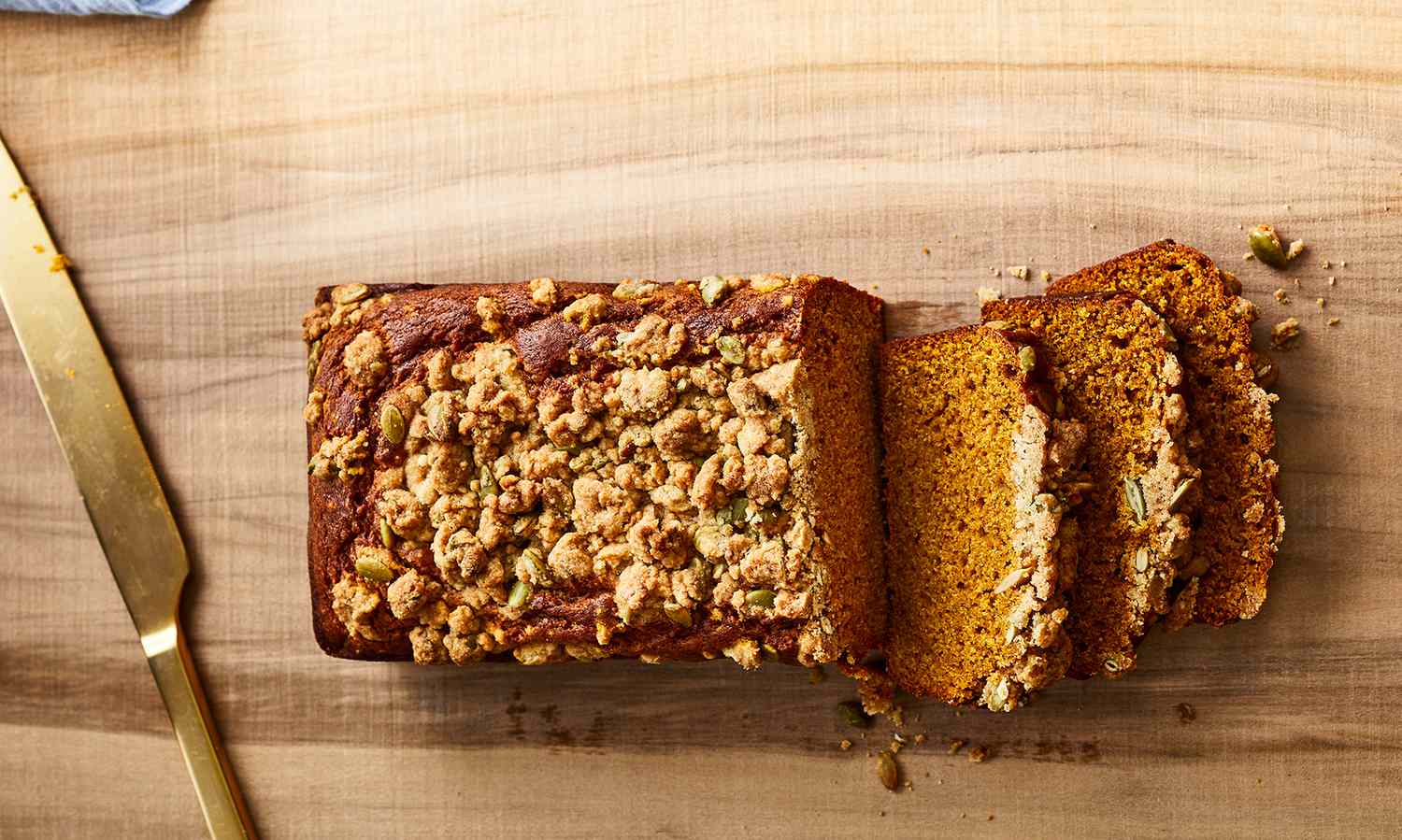

Pumpkin bread is the cozy sweatshirt of baking: forgiving, flattering, and somehow appropriate for breakfast, snack, and “I just walked past the kitchen” dessert.
This easy pumpkin bread recipe is built for real lifeno fancy mixer, no mysterious ingredients, no “proof for 12 hours under a full moon.”
Just a moist, warmly spiced loaf with a tender crumb and that unmistakable fall aroma that makes the whole house smell like you’ve got your life together.
Along the way, you’ll get the “why” behind the steps (so your loaf doesn’t do the sad middle-sink), plus swaps for chocolate chips, nuts, or a streusel top.
Whether you’re baking for a crowd or hoarding slices in the freezer like a responsible adult, this pumpkin loaf has your back.
Quick Overview
- Skill level: Beginner-friendly
- Time: 15 minutes prep + 55–70 minutes bake + cooling time
- Yield: 1 loaf (9×5-inch pan), about 10–12 slices
- Key promise: Moist pumpkin bread with big flavor and zero drama
Ingredients
This recipe uses pantry staples and canned pumpkin. The biggest “gotcha” is making sure you grab
pumpkin puree (100% pumpkin) and not pumpkin pie filling (already sweetened and spiced).
Dry Ingredients
- 2 cups (240 g) all-purpose flour
- 1 teaspoon baking soda
- 1/2 teaspoon baking powder (helps lift without turning the loaf so airy it forgets it’s bread)
- 1 teaspoon fine salt
- 2 teaspoons ground cinnamon
- 1 teaspoon ground ginger
- 1/4 teaspoon ground nutmeg
- 1/8 teaspoon ground cloves (optional but very “pumpkin spice era”)
Wet Ingredients
- 1 1/2 cups (300 g) pumpkin puree (not pie filling)
- 2 large eggs, room temperature if you remember (if not, we forgive you)
- 1/2 cup (100 g) granulated sugar
- 1/2 cup (110 g) packed light brown sugar
- 1/2 cup (120 ml) neutral oil (canola, vegetable, avocado)
- 1/4 cup (60 ml) milk (dairy or unsweetened non-dairy)
- 1 teaspoon vanilla extract
Optional Add-Ins (Pick Your Adventure)
- 1/2 to 3/4 cup chocolate chips (semi-sweet is the classic)
- 1/2 cup chopped walnuts or pecans
- 2 tablespoons pepitas (pumpkin seeds) for topping
- 1 tablespoon coarse sugar for a sparkly, crunchy top
Equipment
- 9×5-inch loaf pan
- Mixing bowl + whisk
- Spatula
- Measuring cups/spoons (or a kitchen scale)
- Toothpick or cake tester
- Wire rack for cooling
Step-by-Step: How to Make Easy Pumpkin Bread
1) Prep the pan and oven
Preheat your oven to 350°F (175°C). Grease a 9×5-inch loaf pan, then line it with parchment paper
with a little overhang (this is the loaf’s elevator out of the pan).
2) Mix the dry ingredients
In a medium bowl, whisk together the flour, baking soda, baking powder, salt, and spices.
Whisking isn’t just “stirring with confidence”it distributes the leaveners so your pumpkin loaf rises evenly.
3) Mix the wet ingredients
In a large bowl, whisk the pumpkin puree, eggs, granulated sugar, brown sugar, oil, milk, and vanilla until smooth.
The mixture should look glossy and cohesivelike a very enthusiastic pumpkin pudding.
4) Combine (gentlythis is not a CrossFit workout)
Add the dry ingredients to the wet ingredients. Use a spatula to fold until you no longer see streaks of flour.
Stop as soon as it comes together. Overmixing develops gluten, which is great for bagels and terrible for tender pumpkin bread.
5) Add extras (optional)
Fold in chocolate chips or nuts, if using. Pour the batter into the prepared pan.
If you’re topping with pepitas or coarse sugar, sprinkle them on now.
6) Bake
Bake for 55–70 minutes, depending on your oven and pan color. Start checking at 55 minutes.
The top should look set, and a toothpick inserted near the center should come out with a few moist crumbs (not wet batter).
Pro doneness check: If you have an instant-read thermometer, aim for an internal temperature around
200–205°F in the center of the loaf. That’s the sweet spot where the crumb is cooked through but still moist.
7) Cool (the hardest step for impatient snackers)
Let the loaf cool in the pan for 10–15 minutes, then lift it out using the parchment overhang and cool completely on a wire rack.
Slicing too early can make the loaf gummy because the steam is still settling.
Why This Recipe Works
It’s balanced for moisture and structure
Pumpkin adds moisture, flavor, and that gorgeous orange crumbbut it can also make batter heavy.
This recipe balances pumpkin puree with enough flour and leavening to rise nicely without collapsing.
Oil keeps it tender for days
Butter is delicious, but oil is the secret weapon for moist pumpkin bread that stays soft even the next day.
It’s the difference between “yum” and “why does this taste like yesterday’s feelings?”
Brown sugar adds depth
Brown sugar brings a caramel note that plays very nicely with cinnamon and pumpkin spice, without making the loaf taste like pure sugar.
Fun Variations
Pumpkin Chocolate Chip Bread
Fold in 3/4 cup chocolate chips. For the ultimate “bakery vibe,” sprinkle a few chips on top before baking.
Bonus points if you pretend you’re “just making it for guests.”
Pumpkin Nut Bread
Fold in 1/2 cup chopped walnuts or pecans. Toast them first if you’re feeling fancy5 minutes in a dry skillet makes them taste like a different ingredient.
Cream Cheese Swirl
Beat together 6 ounces cream cheese, 1 egg yolk, 1/4 cup sugar, and 1 teaspoon vanilla.
Pour half the pumpkin batter into the pan, add the cream cheese mixture, then top with remaining batter.
Swirl gently with a knife (don’t overdo it or you’ll muddy the layers).
Streusel Top (Crunchy Hat for Your Loaf)
Mix 1/3 cup flour, 1/3 cup brown sugar, 1 teaspoon cinnamon, and 3 tablespoons melted butter.
Crumble over the batter before baking. It’s basically a muffin top… but socially acceptable in loaf form.
Troubleshooting: Common Pumpkin Bread Problems
“Why did my pumpkin bread sink in the middle?”
- Underbaked center: If the middle is still wet, it can collapse as it cools. Bake longer and tent with foil if the top browns too fast.
- Too much liquid: Over-measuring pumpkin or milk can weigh the loaf down. Measure carefully.
- Old leavening: Baking soda/powder lose strength over time. If yours is ancient, it may not lift properly.
- Overmixing: Too much mixing can create a tough structure that rises and then falls.
“My loaf is drywhat happened?”
- Overbaked: Ovens vary. Check earlier and use the thermometer trick.
- Too much flour: Spoon flour into the measuring cup and level it, or use a scale for accuracy.
- Not enough fat: Oil keeps quick bread moist. Reducing it too much can dry the crumb.
“The top crackeddid I fail?”
Not at all. A crack is normal for quick breads. It means the batter rose and the top set like a little pumpkin bread volcano.
Delicious geology.
Storage and Freezing
Once fully cooled, wrap the loaf tightly (plastic wrap or an airtight container).
Store at room temperature for a few days, or refrigerate if your kitchen runs warm.
Freezing (future-you will be grateful)
- Cool completely.
- Wrap in plastic wrap, then in foil (or place in a freezer bag).
- Freeze whole or in slices so you can grab one piece at a time.
- Thaw at room temperature or warm slices gently.
FAQ
Can I use fresh pumpkin instead of canned?
Yesjust make sure it’s smooth and not watery. Fresh pumpkin puree can hold more moisture than canned,
so if it looks wet, strain it in a fine-mesh sieve or blot gently with paper towels.
Can I make muffins instead of a loaf?
Absolutely. Fill a lined muffin tin about 2/3 full and bake at 350°F for roughly 18–24 minutes.
Start checking at 18 minutes.
Can I reduce the sugar?
You can, but sugar doesn’t just sweetenit also helps keep quick bread tender and moist.
If you reduce sugar a lot, expect a less soft crumb and a more “breakfast bread” vibe.
What’s the best way to serve pumpkin bread?
Plain is great, but also: toasted with butter, smeared with cream cheese, or turned into French toast if you want to wake up chaotic-good.
Extra: Real-World Pumpkin Bread Experiences (Because Ovens Have Personalities)
If you’ve ever baked pumpkin bread and thought, “Why does this loaf look like it’s auditioning for a disaster movie?”welcome.
Pumpkin bread is easy, but it’s also famous for teaching life lessons. Here are some very normal, very human experiences that tend to happen
in the wild, plus what they mean and how to win next time.
The Great Middle Sink: Someone somewhere is opening an oven door at minute 18 right now “just to check,” and a quick bread is silently judging them.
Pumpkin batter is heavy. If the center isn’t set before the loaf cools, it can sink like a sad couch cushion.
The fix usually isn’t a new recipeit’s simply giving the loaf enough bake time, using a toothpick in the center, and trusting the process.
Many bakers also learn the “foil tent” trick: if the top is browning early, lightly cover it with foil and keep baking until the middle is done.
It feels like giving your loaf a tiny blanket while it finishes its homework.
The Surprise Gummy Line: Sometimes you slice too early because the smell is bullying you.
The loaf looks done, but the inside has a slightly gummy layer near the bottom.
That’s usually steam and structure still settlingnot a personal failure.
Cooling completely can feel unfair, but it lets the crumb finish setting and makes slices cleaner.
In busy kitchens, people often cool the loaf on a rack, walk away “for five minutes,” and come back 40 minutes lateraccidentally doing the correct thing.
The Flour Overload Moment: A classic: scooping flour straight from the bag packs it down, and suddenly your “moist pumpkin bread” has the texture of
a polite brick. This is why seasoned bakers get weirdly passionate about spoon-and-level or weighing flour.
Once you see the difference (lighter, softer crumb), it’s hard to go back.
If you’re trying to fix a too-dense loaf next time, measuring flour more gently often works better than adding more oil or more pumpkin.
The “I Used Pumpkin Pie Filling” Plot Twist: It happens. The can was orange. The vibes were fall. And now the loaf tastes unusually sweet and oddly spiced.
Many home bakers learn this once and never again.
Pumpkin pie filling already has sugar and spices mixed in, so it can throw off your recipe’s balance.
The next time you shop, look for the words “100% pumpkin” or “pumpkin puree.” Your future self will nod respectfully at the shelf.
The Flavor Glow-Up: Pumpkin bread is one of those bakes that often tastes even better the next day.
The spices mellow and blend, the crumb feels more tender, and suddenly you’re slicing it like you’re running a café.
People who meal-prep (or people who simply forget the loaf exists until the next morning) get rewarded here.
It’s also why freezing slices works so well: you can thaw one piece and still get that “fresh-baked” comfort.
The Add-In Debate: Chocolate chips vs. nuts is basically a holiday family argument in ingredient form.
Some folks want melty pockets of chocolate; others want crunch and toastiness; some want both and refuse to choose sides.
The good news is pumpkin bread is flexible. If you’ve had a loaf that felt a little plain, a small handful of chocolate chips or toasted pecans can make it feel
like a bakery treat without extra effort. And if you’re baking for picky eaters, keeping add-ins on the side (or doing half-and-half in the batter) can prevent
the dreaded “I don’t like walnuts” emergency.
In short: pumpkin bread is a forgiving teacher. It’s the kind of recipe that turns “I don’t bake” into “I made this on a random Tuesday,”
and it gets easier every time you do it. Plus, even the imperfect loaves usually taste greatbecause pumpkin, sugar, and cinnamon are basically
the Avengers of comfort food.
Conclusion
This easy pumpkin bread recipe is the kind of reliable bake you can pull off with one bowl, everyday ingredients, and a little patience while it cools.
Keep it classic, add chocolate chips, swirl in cream cheese, or go full crunch with streusel. However you make it, aim for gentle mixing, proper doneness,
and the confidence to call it breakfast if it’s before noon.