
If you’ve spent more than 11 seconds on wellness TikTok, you’ve probably met the “internal shower” drink: water + chia seeds + lemon juice,
swirled together into something that looks like a frog’s bubble bath and promises to “clean you out.”
The name is… dramatic. Your intestines are not a walk-in car wash. But the question behind the trend is legit:
Can this drink actually help you poop?
Let’s break down what the internal shower drink is, why it might work for some people, why it absolutely won’t work for others,
and how to try it in a way that doesn’t turn “gut health” into “urgent care.”
What Is the “Internal Shower” Drink, Exactly?
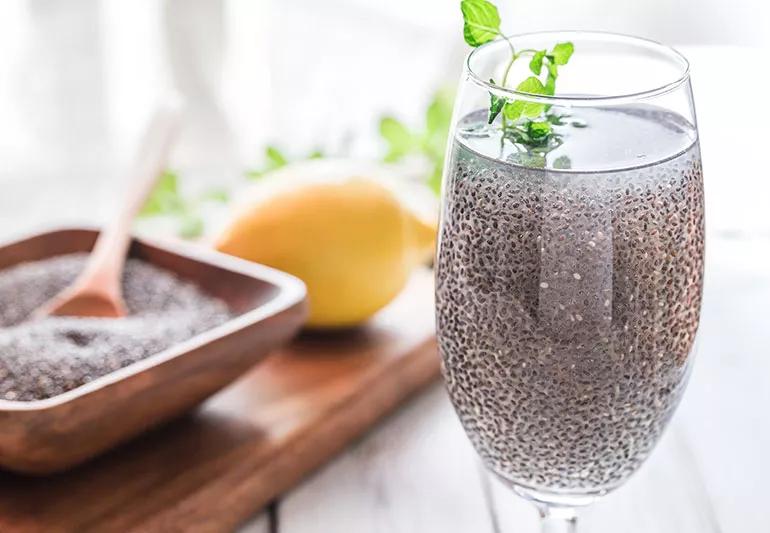
The most common version is simple:
- 1–2 tablespoons chia seeds
- 8–12 ounces water (some people use more)
- Juice of ½ lemon (optional, but popular)
Stir, wait for it to gel, stir again, drink. The chia seeds absorb water and form a thick, jelly-like texture.
Fans claim it helps with constipation, “detox,” bloating, and general feelings of being spiritually unburdened.
So… Does It Work?
For mild constipation or sluggish regularity: it can help.
Not because it’s a mystical cleanse, but because it’s basically a fiber-and-fluid delivery system.
Chia seeds are packed with fiber, including soluble fiber that forms a gel when it meets water. That gel can help soften stool and
support easier bowel movementsespecially when paired with enough fluid.
Many medical and nutrition sources note chia’s fiber content and its potential role in relieving constipation and supporting gut health.
But if you’re expecting instant magic: results vary. Some people feel an effect within a day; others notice nothing.
And if constipation is chronic, severe, or caused by medications or medical conditions, chia water is not a substitute for medical care.
Why It Might Help You Poop (The Non-Influencer Science)
1) Fiber adds bulk and holds water
Bulk-forming fiber helps retain water in the stool, making it softer and easier to pass. This is the same basic principle behind
many gentler constipation strategies: add fiber, add fluids, move your body, and give your gut a routine.
Chia seeds bring the fiber; the water helps that fiber actually do its job.
2) The chia “gel” can support stool consistency
When chia seeds soak, they develop a mucilaginous (gel-like) coating. It’s not glamorous, but it’s useful:
it can help stool stay hydrated as it moves through the colon. Think of it less as an “internal shower” and more as
a “reasonable plumbing upgrade.”
3) Hydration matters more than most trends admit
If you’re constipated, simply drinking more fluids can helpespecially when paired with fiber.
Many constipation recommendations include both: adequate fiber intake and plenty of liquids.
The internal shower drink forces hydration into the conversation, which is honestly its best personality trait.
4) Lemon is mostly there for taste (and vibes)
Lemon juice can make the drink more palatable and may encourage you to drink more fluid overall.
But the heavy lifting is done by chia + water. Lemon doesn’t “melt fat,” “flush toxins,” or personally evict yesterday’s pizza.
It’s mainly flavor, plus a little vitamin C.
What the Drink Can’t Do (Let’s Retire the Word “Detox”)
The internal shower drink is often marketed as a cleanse. Here’s the reality check:
- It does not “detox” your body. Your liver and kidneys handle detoxification continuously.
- It doesn’t scrub your intestines. Your gut is not a cast-iron skillet.
- It won’t fix the root cause of chronic constipation. Especially if the cause is medication, pelvic floor dysfunction, IBS-C, thyroid issues, or other conditions.
- It won’t erase a low-fiber diet. One chia drink can’t outvote a week of ultra-processed meals. Your gut wants consistency, not a one-time jelly potion.
How to Try It Safely (This Part Is Important)
Chia seeds expand dramatically when they absorb liquid. That’s the whole pointand the biggest risk if you do it wrong.
There are documented cases of chia causing esophageal blockage when swallowed dry and then followed with liquid.
In plain English: don’t dry-scoop chia seeds. Ever.
A safer “internal shower” method
- Start small: 1 teaspoon to 1 tablespoon chia seeds.
- Add enough water: at least 10–12 ounces to start.
- Stir well and wait 10–15 minutes.
- Stir again (chia clumps are real and they have a grudge).
- Drink slowly and follow with another glass of water if you can.
Who should skip it (or ask their clinician first)
- Anyone with swallowing problems (dysphagia) or a history of food getting stuck.
- People with a history of intestinal obstruction or certain GI conditions where extra bulk can be risky.
- Those prone to digestive flare-ups (some people with IBS can feel worse with sudden fiber increases).
- People with kidney issues or kidney stone history should be cautious about high-oxalate foods and sudden dietary changes.
- Anyone on blood thinners or blood pressure / blood sugar meds should talk with a clinician if adding large amounts of chia regularly, since chia can affect these systems and fiber can alter absorption patterns.
Common Side Effects (AKA: When the “Shower” Overbooks the Bathroom)
Fiber is fantasticuntil it shows up uninvited in huge quantities. If you jump from low fiber to “two tablespoons of chia daily”
without ramping up gradually, you may experience:
- Bloating and gas (your gut bacteria are throwing a party)
- Cramping
- Diarrhea (yes, fiber can do that)
- Constipation if you increase fiber without enough fluids
The fix is usually boring but effective: reduce the dose, increase gradually, and drink more water.
Does It Beat Other Constipation Fixes?
Think of the internal shower drink as one option in the “gentle, food-based” toolbox. It’s comparable to other strategies that rely on
fiber + fluid:
Chia drink vs. prunes
Prunes have fiber plus sorbitol, a natural sugar alcohol that can help stimulate bowel movements.
For many people, prunes are more predictably effective than chia alonethough some people prefer chia’s lower sweetness.
Chia drink vs. psyllium
Psyllium is a classic bulk-forming fiber supplement recommended often for constipation. It’s studied more directly than “chia lemon water”
and has clearer dosing guidance. Chia can be helpful, but psyllium has the “I’ve been doing this since before TikTok” credibility.
Chia drink vs. magnesium
Magnesium (from certain supplements or mineral waters) can help some people by drawing water into the intestines.
But it’s not for everyone, and dosing matters. If you’re relying on magnesium frequently, talk to a clinician.
How to Tell If It’s Working (Without Obsessing)
A “working” result is not necessarily a dramatic sprint to the restroom like an action movie. Healthier signs include:
- More regular bowel movements (often within a few days)
- Softer stool that’s easier to pass
- Less straining
- Less “I feel like a balloon animal” discomfort
If you try it for a week with a reasonable dose, adequate fluids, and a generally balanced diet and still feel miserable,
it’s time to zoom out. Constipation that persists, is painful, includes blood, unexplained weight loss, fever, or severe abdominal pain
deserves medical attention.
Real-World Experiences People Commonly Report (About )
Let’s talk about the lived reality of the internal shower drinkthe part that never fits neatly into a 12-second video with a trending sound.
When people try it, the experience usually falls into a few predictable categories. None of them involve your colon sparkling like a freshly detailed sedan,
but some do involve genuine relief.
The “Oh wow, that actually helped” group
These are often people who were mildly constipated, not drinking enough water, and eating a lower-fiber diet than they realized.
For them, chia + water is a nudge in the right direction. They commonly report:
- More regular morning bowel movements within 1–3 days
- Stool that’s softer and easier to pass
- A general sense that digestion feels “less stuck”
The key detail is consistency: many of these people also start paying attention to hydration and fiber elsewhere (more fruit, vegetables, whole grains),
so the “internal shower” becomes part of a broader upgradenot a solo hero.
The “Nothing happened… except I drank slime” group
Some people notice little to no change, especially if constipation is driven by factors chia can’t fix on its ownlike certain medications,
chronic IBS-C, low activity, travel, stress, or an underlying medical issue. Others may not be using enough water, or they may be taking it sporadically.
The drink can’t do much if the overall routine stays the same.
There’s also the texture factor. People who hate it often stop after one try, which is fair. Wellness shouldn’t feel like a dare.
If the texture is the dealbreaker, similar benefits can come from other fiber sources (like oats, beans, berries, or psyllium) without the frog-egg aesthetic.
The “My stomach is hosting a jazz festival” group
A very common experience is bloating and gasespecially when someone jumps straight to 2 tablespoons daily.
Fiber feeds gut bacteria, and bacteria are not quiet roommates. People often report:
- More gurgling and gas for the first few days
- Bloating that improves once they lower the dose or increase gradually
- Better results when they drink extra water throughout the day
This is where “start low and go slow” matters. Gradual increases are a recurring theme in constipation and fiber guidance for a reason:
it gives your gut time to adapt.
The “This backfired” group
A smallerbut importantgroup reports feeling worse: cramping, diarrhea, or even worse constipation.
This often happens when fiber goes up but fluids don’t. Another pattern is people with sensitive guts (like IBS) reacting to a sudden fiber hit.
And the biggest safety issue, though rare, is swallowing trouble when chia isn’t properly soaked.
If someone has a history of difficulty swallowing or food sticking, chia needs extra cautionor should be skipped entirely.
The main takeaway from real-world experience is refreshingly unsexy: the drink “works” best when it’s treated like a simple fiber-and-water tool,
used in a sensible dose, and combined with the basics (hydration, movement, routine, balanced eating). That’s not viralbut it is effective.
Conclusion
The “internal shower” drink isn’t a miracle detox, but it can help with mild constipation because chia seeds provide fiber and the recipe
encourages hydration. If you try it, soak the seeds, start with a small amount, increase gradually, and keep fluids up.
If you have swallowing issues, a history of obstruction, or significant digestive symptoms, skip the trend and talk with a healthcare professional.
In other words: if your goal is “more regular,” chia water might help. If your goal is “a full-body cleanse that makes you morally superior,”
you may need to log off for a snack and a nap.