
You finish a workout. You drink water. You pretend stretching is “for later.” Then you reach for the massage gun like it’s the adult version of a magic wand.
Welcome to the modern post-exercise ritual: “If it vibrates, it heals.” Massage guns (a.k.a. percussive therapy devices) are everywherefrom gym bags to living-room floors to that one coworker’s desk drawer (please don’t). They can feel amazing on sore quads and tight calves. But a neurologist featured in a Bored Panda story raised a serious red flag about one specific way people are using theman ultra-trendy habit that isn’t just “oops, that bruised”it could be “oops, call 911.”
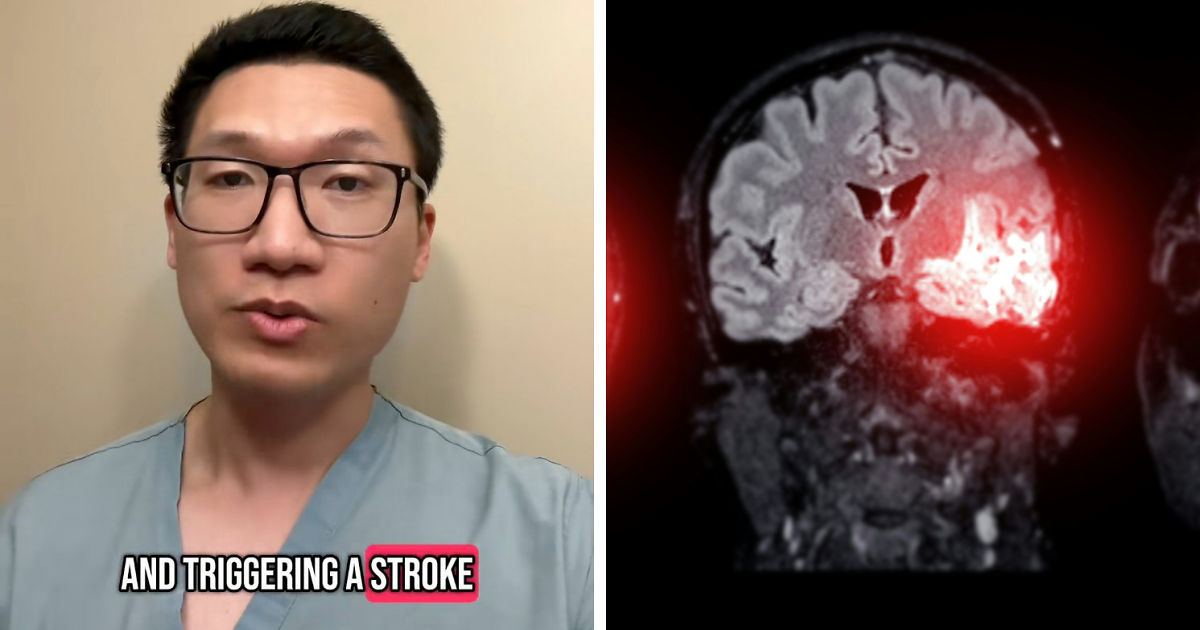
The warning is simple, but the stakes are not: don’t use a massage gun on your neckespecially the front and sides. The reason? Some of the most important blood vessels that feed your brain run right there, and repetitive force in the wrong spot can (rarely, but meaningfully) contribute to dangerous problems like arterial dissection and stroke.
This article breaks down what the warning really means, what the science and case reports say, how to recover safely after exercise, and what symptoms should never be ignored.
The Trend: “Post-Workout Massage Gun” as a Daily Habit
Massage guns became popular because they’re convenient, fast, and give that “ahhh” feeling without scheduling a massage or selling a kidney. Many people use them after lifting, running, cycling, or HIIT to ease tightness and help manage delayed-onset muscle soreness (DOMS).
And in many cases, that’s finewhen used correctly on large muscle groups. Physical therapy and sports medicine experts often frame massage guns as one tool in recovery, not the whole toolbox. Use it briefly, keep it on muscle, avoid bones and joints, and don’t turn your body into a drum solo.
But trends don’t always come with instruction manuals (and even when they do, we all know how that goes). Some people aim the device at the neck because that’s where stress lives, where posture pain shows up, and where “tech neck” turns into “I’m basically a human question mark.” That’s where the neurologist’s warning comes in.
What the Doctor Is Warning About (and Why It’s a Brain Issue)
In the Bored Panda story, a neurologist cautions that using a massage gun on the neck can be risky because key arteries are relatively close to the surface there. The concern isn’t that the device is “evil.” It’s that the location and the repetitive percussive force can be a bad combo for certain structuresespecially blood vessels that supply the brain.
Your Neck Isn’t Just a Smaller Thigh
Muscles? Great. Bones? Not great. Major blood vessels and sensitive nerves? Absolutely not great.
The neck contains the carotid arteries (front/sides) and the vertebral arteries (traveling through/along the cervical spine). These arteries supply blood to the brain. If a vessel wall is injured, it can sometimes tear, creating a situation where blood enters the wall layers and forms a clot. That clot can narrow blood flow or break off and travelpotentially triggering a stroke.
Arterial Dissection in Plain English
An arterial dissection is a tear in the artery wall. Think of the artery wall like a layered tube. If a tear occurs, blood can push between the layers, causing a flap or bulge that disrupts normal flow and may encourage clot formation.
Dissections can happen for different reasonssometimes major trauma, sometimes minor neck movements or strain in susceptible people, and sometimes with underlying conditions that weaken vessel walls. The key point: when they happen in the arteries that feed the brain, the consequences can be serious.
“Rare” Still Matters When the Outcome Is Catastrophic
Most people who use massage guns will never have a stroke from it. That’s important to say out loud. But in medicine, “rare” doesn’t mean “ignore it,” especially when:
- People are using powerful devices more often and more aggressively.
- People are targeting high-risk anatomy (neck, skull base, front of throat).
- There are real case reports linking neck massage devices to vertebral artery dissection and stroke-like events.
In other words: you don’t need to panic. You do need to be smart.
What Evidence Exists: Benefits Are Real, Limits Are Realer
Massage guns are not snake oil. There’s research suggesting percussive therapy can improve short-term flexibility, support range of motion, and reduce pain perception in some contexts. A systematic literature review in a sports physical therapy journal reported generally positive short-term effects on performance measures like flexibility and some strength outcomes, while also noting limitations in study quality and the need for better protocols.
But that “works” headline should come with a footnote the size of a yoga mat:
- Massage guns are mainly studied on musclesnot on the front/side of the neck where arteries and nerves are prominent.
- More intensity isn’t automatically better. Overdoing it can irritate tissue and cause bruising.
- They don’t replace medical evaluation for persistent pain, neurological symptoms, or injuries.
Rehab experts also commonly recommend brief passes (seconds, not minutes) and avoiding painful pressure. If a spot feels “weird” instead of “relieved,” that’s your cue to stopno hero points awarded for vibrating through warning signs.
What Can Go Wrong with Neck Use (In the Worst-Case Scenario)
When people warn about “harm your brain,” they’re usually talking about stroke risk. Two major concepts show up in expert discussions and case reports:
1) Vertebral or Carotid Artery Dissection
A published case report describes a young woman who developed vertebral artery dissection after repetitive handheld massage gun use on the neck. The authors emphasized that causality is hard to prove from a single case, but the association mattersespecially as these devices become more common.
Separately, medical references on carotid and vertebral artery dissections note that symptoms can include head/neck pain and neurological issues, and that dissections can lead to stroke. The common thread: neck vascular problems are not always subtle, but they can start with symptoms people might brush off as “just a kink.”
2) Other Serious (and Less “Brain,” More “Body”) Complications
While the brain warning gets the spotlight, there are also reports of other severe outcomes linked to misuse, including rhabdomyolysis (a dangerous breakdown of muscle tissue) after percussion massage gun use. That’s not a reason to fear the deviceit’s a reason to respect it.
Translation: a massage gun is a tool, not a toy. Treat it like a power tool for soft tissue.
Who Should Be Extra Cautious
Even when you use a massage gun on safer areas (like thighs, glutes, calves, upper back muscles), it’s worth extra caution if you:
- Have a history of stroke, TIA, vascular disease, or arterial problems.
- Have known connective tissue disorders (some can increase dissection risk).
- Take blood thinners or have a bleeding/clotting disorder.
- Have unexplained bruising or very fragile skin/tissue.
- Are recovering from an injury with swelling, significant pain, or suspected tear.
- Have new, severe neck pain with dizziness, vision changes, or headache.
If any of those apply, it’s smart to talk with a clinician (sports medicine, physical therapist, or your primary care provider) about safe recovery options.
Safer Post-Exercise Recovery Options That Don’t Gamble with Your Neck
If the goal is muscle recovery and less soreness, you have plenty of options that don’t involve turning your carotid artery into a percussion instrument:
Gentle Cool-Down + Light Movement
A few minutes of easy walking or cycling can help your body transition out of high intensity and may reduce that “I stood up and became a rusty robot” feeling later.
Targeted Stretching (Short, Specific, Not Dramatic)
Stretch the muscles you trained, but keep it controlled. Stretching should feel like a gentle pull, not like you’re trying to fold yourself into a lawn chair.
Foam Rolling or Massage Ball (Lower Risk Zones)
Foam rolling your quads, glutes, hamstrings, calves, and upper back muscles can help with soreness management. Avoid rolling directly over the neck/front throat area for the same reason: sensitive anatomy lives there.
Heat or Warm Shower (Later in the Day)
Heat can relax tight muscles. If you’re stiff after sitting, warmth plus gentle movement can be a great combo.
Professional Help When Pain Keeps Returning
If you’re constantly chasing knots in the same spot, a physical therapist can help identify the causeweakness, mobility restrictions, posture habits, training errorsso you’re not stuck in a never-ending loop of “massage, repeat.”
If You Still Want to Use a Massage Gun, Use It Like a Pro
Massage guns can be helpful when used correctly. Here’s a safer approach:
Where to Use It
- Large muscle groups: quads, hamstrings, glutes, calves.
- Upper back muscle areas: traps and shoulder muscles (avoid bony neck landmarks).
Where Not to Use It
- Front and sides of the neck (where major arteries run).
- Directly on bones, joints, spine, or the base of the skull.
- Areas with numbness, tingling, open wounds, significant swelling, or bruising.
How Long and How Hard
- Start on the lowest setting.
- Use light pressurelet the device do the work.
- Do short passes (often 10–15 seconds at a time per area), not a five-minute demolition project.
- Stop if you feel sharp pain, worsening symptoms, dizziness, or a strange “electric” sensation.
If your muscle feels better after, great. If it feels angry, swollen, or bruised, that’s not “working the knot out”that’s irritation.
When to Get Medical Help: Stroke Signs Aren’t Subtle Forever
If you (or someone around you) develop symptoms that could indicate a stroke, don’t wait it out and don’t “sleep it off.” Call 911.
Common Stroke Warning Signs
- Sudden numbness or weakness in the face, arm, or leg (especially one side)
- Sudden confusion or trouble speaking/understanding
- Sudden trouble seeing in one or both eyes
- Sudden trouble walking, dizziness, loss of balance/coordination
- Sudden severe headache with no known cause
Also take seriously: new one-sided neck pain with dizziness, a severe headache that feels unusual, or neurological symptoms after neck manipulation or intense neck massage. Better to be “embarrassingly cautious” than dangerously late.
Real-World Experiences: What People Learn the Hard Way (and the Smart Way)
Note: The stories below are composite scenarios based on commonly reported experiences from athletes, patients, and cliniciansshared to illustrate patterns, not to diagnose anyone. If something sounds familiar and concerning, talk to a healthcare professional.
The “It Felt Good… Until It Didn’t” Neck Kink
A recreational lifter finishes back day with that classic tight trapezius/neck edge discomfort. Instead of doing gentle mobility work, they put the massage gun right along the side of the neck because it “hits the spot.” For a minute, it feels like relief. Then they notice a headache later that day, and dizziness when turning their head. They assume it’s dehydration, then blame caffeine, then blame “bad sleep.” Two days later, the dizziness is worse and they finally get evaluated.
The lesson people often take from this scenario is not “massage guns are dangerous.” It’s: the neck is not a casual DIY zone. If you’re getting neurological symptoms (dizziness, vision weirdness, balance issues), don’t keep self-treatingget checked.
The Desk Worker Who Used a Massage Gun Like an Eraser
Someone with posture-related neck and shoulder tension uses a massage gun every evening. They start gentle, then gradually turn up the intensity because the body adapts and they chase the same sensation. After a week, they’re bruised and sore. They think soreness means progress (because workouts work that way), but soft tissue recovery doesn’t always follow gym logic.
What helps them most isn’t “more vibration.” It’s a mix of posture breaks, strengthening the upper back, adjusting workstation height, and using softer tools (like a lacrosse ball on shoulder muscles) while avoiding sensitive areas.
The Runner Who Discovered “More Is Not More”
A distance runner uses a massage gun on calves and quads after every run. At first, it reduces that stiff feeling and makes it easier to walk down stairs without holding the railing like it’s a family heirloom. Then they start staying on one “tight” spot for several minutes, pressing hard. The next day, the area is tender and swollen. They worry they pulled something. They didn’t. They just overworked a muscle that was already irritated.
They switch to short passes, lighter pressure, and pair it with a proper warm-up and cooldown. The “tight spot” becomes less dramaticnot because it was hammered into submission, but because training load and recovery got balanced.
The “I’ll Fix It Myself” Trap (and the Better Alternative)
One of the most common experiences is psychological: people love the sense of control. A device that makes pain feel better quickly can become the default answer to every ache. But recurring neck pain after workouts can be a sign of form issues (like shrugging during lifts), limited shoulder mobility, weak deep neck flexors, or stress-related muscle guarding.
The smarter “experience” many people report is the moment they stop trying to erase symptoms and start addressing the cause: technique coaching, mobility work, sleep, stress management, and professional guidance when needed. Their massage gun still has a placejust not as the main character.
The Takeaway from These Experiences
If you remember one thing, make it this: use massage guns on muscle, not on high-risk anatomy. Respect the neck. If you want relief there, choose safer approachesgentle mobility, heat, posture changes, and clinical evaluation when symptoms are intense, persistent, or weird.
Conclusion
Massage guns can be a legit recovery toolwhen you treat them like a tool. The neurologist’s warning highlighted by Bored Panda is less about fear and more about anatomy: the neck houses critical arteries that supply your brain, and pounding that area with repetitive force is a risk you don’t need to take.
Use the device on large muscle groups, keep sessions short, avoid bones and sensitive zones, and don’t ignore red-flag symptoms. Your post-workout routine should help you get strongernot accidentally audition you for the emergency department.