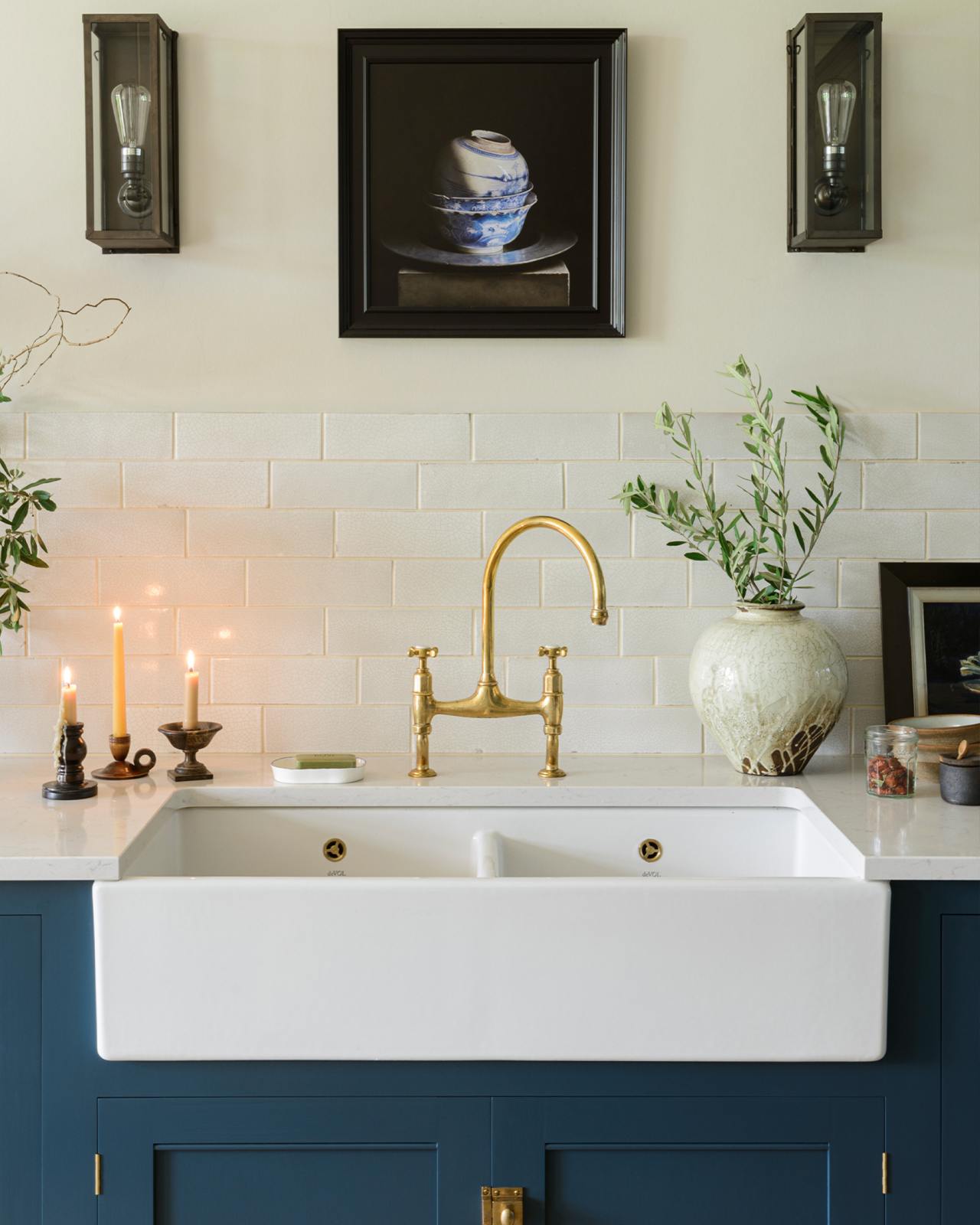

In a kitchen renovation, everyone debates the big-ticket stuff: cabinet color, countertop material, whether the backsplash should be “subtle” or “a full personality.”
And thenquietly, confidentlythe faucet walks in and steals the show. The deVOL Aged Brass Ionian Tap is exactly that kind of scene-stealer:
traditional in silhouette, modern in performance, and finished in a warm, aged brass that looks like it already has a few good dinner parties under its belt.
This article breaks down what the Ionian Tap is, how it works, what it’s like to live with an aged living finish, and how to choose between the two styles
(with rinse vs. without). If you’re aiming for a kitchen that feels collectednot copiedthis faucet is worth a closer look.
What Is the deVOL Aged Brass Ionian Tap, Exactly?
The Ionian is a deck-mounted bridge mixer tap with classic crosshead handlesan old-school look that pairs beautifully with farmhouse sinks,
painted cabinetry, and natural materials. deVOL developed its aged brass finish with British tapware maker Perrin & Rowe, aiming for a patina that
feels authentic rather than “fresh from the showroom.”
The result is a faucet that reads vintage, but behaves like a modern fixture: smooth quarter-turn operation, ceramic disc flow control, and a regulated aerator.
In other words, you get the romance without the rickety “antique fair find” plumbing roulette.
Two Styles: With Rinse vs. Without Rinse
deVOL sells the Ionian Tap in two configurations:
- Without Rinse: The main mixer tap onlysimpler visual footprint, fewer deck holes, and a very clean bridge-tap look.
-
With Rinse: The main mixer tap plus a separate rinse/side spray on the countertop. This is the option for people who regularly battle
sticky oatmeal pots, roasting pans, or the kind of lasagna dish that could qualify as structural engineering.
Practical note: the “with rinse” setup gives you more flexibility at the sink (and often feels more luxurious in daily use), but it requires extra space and an
additional tap hole for the rinse.
Spec Snapshot: Key Measurements and Performance Details
Here are the highlights homeowners and installers care about mostbecause “it’s gorgeous” is important, but “it fits” is a close second.
Dimensions (Metric)
- Tap: Width 245 mm; Height 415 mm; Depth 260 mm; Tap hole 25 mm
- Rinse: 50 mm (width) x 415 mm (height) x 50 mm (depth); Tap hole 30 mm
- Hose length (rinse): 1200 mm
Dimensions (U.S. Installation Guidance)
- Recommended center spacing: 7 7/8″ (bridge “centres”)
- Adjustable center range: approximately 5 1/2″ to 10 1/4″
- Tap hole: 1″ hole
- Max deck thickness: 1 9/16″
- Connections: G 1/2″
Performance
- Flow rate: 5.7 LPM (about 1.5 GPM)
- Recommended working pressure: 0.5 to 5 bar (about 7.5 to 75 psi)
- Temperature range: 1°C to 70°C (34°F to 158°F)
The Finish: “Unlacquered Brass with an Aged Living Finish”
Let’s translate the fancy finish words into real life.
Unlacquered brass means there’s no protective clear coat sealing the metal. That’s the point. Without a lacquer, the surface can change over time
as it meets water, air, fingerprints, and the general chaos of a well-loved kitchen. “Living finish” is design-speak for: it will evolve.
The Ionian’s aged look is meant to start you off in the “beautifully broken-in” zone. From there, it can deepen and shiftsometimes subtly, sometimes in a way that
makes you pause and say, “Okay, that’s… actually kind of cool.” If you love the idea of a kitchen that gains character, you’re the target audience. If you want your
faucet to look identical on day 900 as it did on day one, you may prefer a plated, non-living finish.
Will it match other brass in the room?
Maybeand that’s the honest answer. “Brass” is a whole spectrum (warm honey, muted antique, bright gold, pinkish tones). Aged brass finishes can vary between brands,
and living finishes vary over time even within the same room. Many designers intentionally mix metals and finishes to avoid the “matchy-matchy showroom” vibe.
If you’re mixing, aim for harmony: similar warmth, similar mood, not identical undertones.
Design Impact: Why the Ionian Works So Well in Traditional Kitchens
The Ionian Tap is a masterclass in “classic, but not costume.” A few reasons it lands so nicely:
- Bridge form = timeless architecture. Bridge faucets visually echo old plumbing layouts while still delivering modern mixing performance.
- Crosshead handles add structure. They read as purposeful and craftedespecially against painted cabinetry and natural stone.
- Aged brass adds warmth without shouting. It’s less flashy than polished gold finishes and tends to feel more organic in real homes.
deVOL specifically calls out how well this style plays with painted cupboards and traditional sink choices like Belfast, marble, and copper. That combination works
because all of those materials share one trait: they look better when they look lived-in.
Functionality: The “Looks Old, Works Like New” Details
Quarter-turn ceramic disc control
Ceramic disc mechanisms are known for smooth operation and strong sealing. In daily use, “quarter-turn” typically feels quick and precise: you’re not cranking the
handle multiple rotations to get from off to on. That matters more than you’d think when your hands are covered in raw chicken juice and your brain is shouting,
“DO NOT TOUCH ANYTHING ELSE.”
Vernier insert and handle alignment
The Ionian includes a vernier insert intended to help with accurate handle alignmentone of those small engineering details that keeps the faucet looking properly
“set” over time rather than slightly askew.
Regulated aerator
The aerator at the spout tip helps shape the stream, reduce splashing, and make the flow feel fuller. It’s also a common place for mineral buildup if you have hard
waterso it’s a part you’ll want to keep in mind for maintenance.
The rinse: small addition, big quality-of-life boost
If you cook often, the separate rinse is not just a fancy extra. It’s a workflow improvement. You can keep the main spout for filling and regular washing while
using the rinse for targeted cleanup, rinsing corners of large pans, blasting rice out of a colander, and chasing stray coffee grounds into the drain like they owe
you money.
Installation and Compatibility: What to Confirm Before You Buy
1) Deck holes and spacing
Bridge taps require planning. Confirm your sink or countertop drilling can accommodate the tap hole size and the center spread. If you’re doing the “with rinse”
configuration, you’ll also need an additional hole for the rinse fixture.
2) Countertop thickness
Natural stone slabs, farmhouse sink ledges, and some thick composite setups can push deck thickness limits. Make sure your installation surface stays within the
stated maximum deck thickness.
3) Water pressure reality check
The Ionian is designed for a wide working pressure range. That said, your experience still depends on your home’s plumbing. If your kitchen is on a weak line (or
you’re on a well system), talk to a plumber about pressure and flow expectationsespecially if you’re adding multiple filtered water fixtures, instant hot taps, or
other accessories.
4) UK fittings outside the UK
deVOL notes that the Ionian uses standard UK fittings and that an adaptor may be required outside the UK. If you’re in the U.S., this is a “confirm before checkout”
moment. It’s not complicatedbut it’s not something you want to discover mid-install while your sink is out of commission and you’re washing dishes in the bathtub.
Care and Maintenance: Keeping Aged Brass Beautiful (Without Overthinking It)
Living finishes reward simple habits. deVOL’s guidance is refreshingly straightforward: dry with a soft cloth after use, clean regularly with warm water (or warm
water plus mild pH-neutral soap), then buff with a clean, soft, lint-free cloth. Microfiber is ideal.
What to avoid
- Abrasive cloths, scouring pads, scrub sponges, steel wool
- Harsh cleaners with acidic, caustic, or abrasive ingredients
- Bleach, alcohol, and vinegar-based substances (especially important for a living finish)
Dealing with limescale
If you have hard water, limescale is not a personal failureit’s just geology showing off. deVOL advises a controlled approach using a 50/50 mix of lemon juice and
water applied with cotton wool to the affected area, limited contact time, then rinse thoroughly and dry. The big idea: treat scale without aggressively stripping
the finish.
Aerator upkeep
Aerators help reduce splashing and shape flow, but mineral deposits can clog them over time. If your stream starts to sputter or spray sideways like a tiny water
tantrum, checking the aerator is usually the first step.
Pros and Cons: An Honest Fit Check
Pros
- High-design impact: Instantly elevates a sink wall, especially with traditional cabinetry and natural materials.
- Living finish character: Develops patina rather than just “wearing out.”
- Modern internals: Quarter-turn ceramic disc control and regulated aeration.
- Rinse option: Adds real function for frequent cooks and busy households.
Cons
- Living finish maintenance mindset: You’ll want to dry it and clean it gentlythis is not a “spray whatever” faucet.
- Planning required: Bridge spacing, hole drilling, and deck thickness must be confirmed upfront.
- Compatibility step for U.S. installs: Adaptor requirements should be verified before purchase.
Who Should Choose the Ionian Tap?
The Ionian is a great match if you want:
- A traditional or “unfitted” kitchen look with an elevated, designer finish
- A faucet that feels substantial and intentionalmore heirloom than hardware-store default
- Aged brass warmth that pairs with painted cabinetry, marble, fireclay, and wood
- The option to add a dedicated rinse for serious sink work
If your kitchen is ultra-minimal, stainless-heavy, or designed around “never show a fingerprint,” you might find a living finish too emotionally expressive.
(Yes, faucets can be emotionally expressive. This is renovation life now.)
FAQ
Does the aged brass finish change over time?
Yes. Because it’s unlacquered, it can evolve with use, water, and air exposure. That gradual patina is part of its appeal.
Will it look “spotty” if we have hard water?
Hard water can leave mineral deposits on any faucet. The key is prevention (drying after use) and gentle, controlled cleaning when scale appears.
Is the rinse worth it?
If you cook frequently, wash bulky pans, or prefer a faster cleanup workflow, yes. If your sink usage is light and you prefer a cleaner countertop look, the
“without rinse” setup may be plenty.
Real-World Experiences: What Living With the deVOL Aged Brass Ionian Tap Feels Like (500+ Words)
Because a faucet isn’t just a faucetit’s the most-used “tool” in your kitchen. Below are experience-based scenarios that reflect how homeowners commonly describe
the day-to-day reality of a bridge-style aged brass tap like the Ionian.
Experience 1: The “Morning Rush” Kitchen That Still Wants to Look Pretty
In a busy household, the sink is basically a transportation hub: water bottles, lunch containers, smoothie blenders, and the mysterious spoon that appears in the
sink even though nobody remembers using a spoon. In this kind of kitchen, the Ionian’s appeal is that it doesn’t demand complicated rituals to look goodit just
responds well to a simple habit. People who love it tend to keep a soft cloth nearby and do quick wipe-downs after the morning chaos. The payoff is that the faucet
keeps its warm, mellow glow rather than collecting water marks that steal the finish’s charm.
Functionally, the crosshead handles feel precise for quick on/off moments (especially when you only have one clean hand), and the bridge form gives the sink area a
“designed” look even when the rest of the kitchen is in weekday mode. In painted-cabinet kitchens, the aged brass often becomes a visual bridge between cabinet color
and other warm elements like wood floors, brass lighting, or vintage-style hardware.
Experience 2: The “We Cook a Lot” Household That Adds the Rinse and Never Looks Back
For frequent cooks, the separate rinse is the feature that quietly becomes non-negotiable. It’s the difference between rinsing a roasting pan with awkward angles
under the main spout and using a dedicated sprayer that can reach exactly where you need it. People often describe using the rinse for:
- Blasting sticky residue off sheet pans without soaking forever
- Rinsing corners of colanders and mesh strainers
- Directing water into tall stockpots without splashing the countertop
- Cleaning the sink itself (especially with fireclay or farmhouse styles)
The design win is that the Ionian still reads “classic,” not commercial. Many sprayers look utilitarian; the Ionian rinse is more integrated and intentional.
The practical win is speed: less scrubbing, fewer re-rinses, and a sink area that’s easier to reset after dinner.
Experience 3: The Patina JourneyFrom “Is This Normal?” to “Oh, This Is the Point”
Living finishes come with a short adjustment period. New owners sometimes notice subtle shifts: a slightly deeper tone near the handles, faint variations where water
dries, or gentle darkening in areas that are touched most. The pattern is usually consistent: the faucet starts out beautifully aged, then becomes more uniquely “yours.”
That’s exactly why people choose itbut it can surprise anyone expecting a static finish.
The happiest long-term owners treat it the way you treat a marble countertop or a leather chair: care for it, don’t fight it. They avoid harsh cleaners, keep the
routine gentle, and accept that the faucet will develop character rather than staying perfect. When that mindset clicks, the Ionian stops being a delicate “showpiece”
and becomes what it was meant to be: a hardworking, good-looking fixture that belongs in a real kitchen.
Conclusion
The deVOL Aged Brass Ionian Tap is for people who want a kitchen that feels rooted and collectedwhere the materials develop a story instead of
staying frozen in “brand new.” With its classic bridge silhouette, crosshead handles, thoughtful engineering, and a living aged brass finish, it balances design and
daily function. Choose the “with rinse” option if you cook often and want faster cleanup; choose “without rinse” if you prefer a simpler countertop look. Either way,
plan your installation details up front, commit to gentle care, and let the patina do what it does best: make your kitchen feel like home.