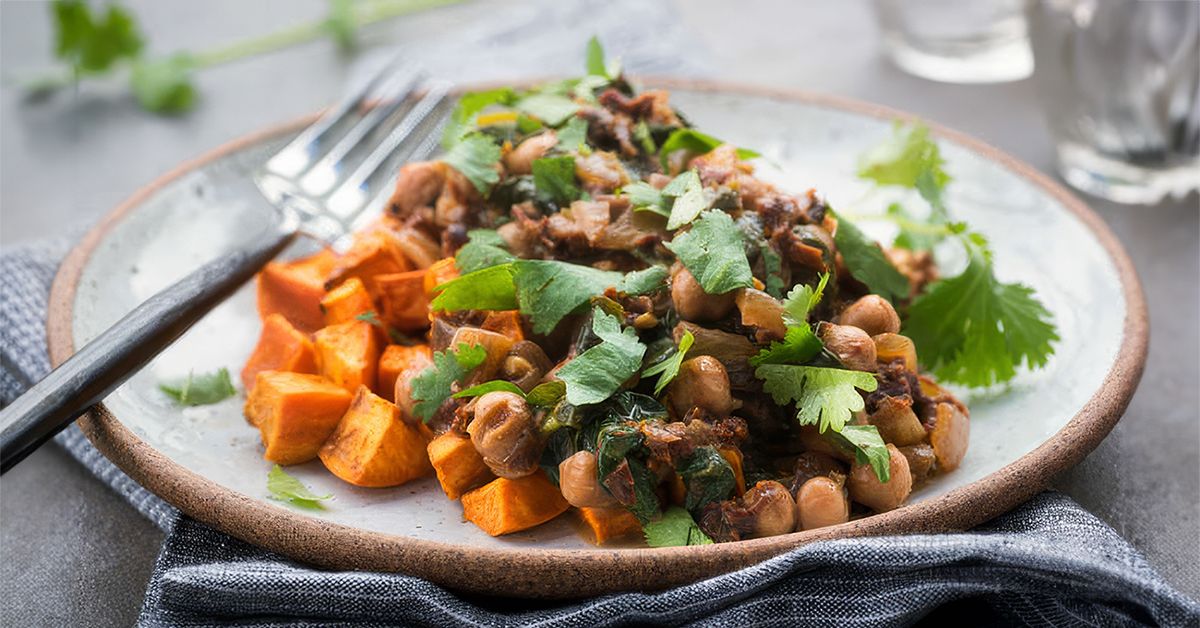

Some ingredient combinations feel like they were invented by a practical genius who wanted dinner to be cozy, colorful, affordable, and just healthy enough to make everyone at the table feel a little smug. Coconut, spinach, chickpeas, and sweet potatoes are exactly that kind of team. They bring creaminess, earthiness, plant-based protein, fiber, natural sweetness, and enough color to make a beige dinner wave a tiny white flag and leave the room.
On their own, each ingredient earns a spot in a smart pantry or fridge. Together, they create meals that taste comforting without feeling heavy. Think warming curries, grain bowls, soups, stews, casseroles, roasted trays, and quick skillet dinners that somehow seem fancier than the effort they require. Better yet, this combination works for busy weeknights, meal prep, vegetarian menus, budget cooking, and the eternal question of what to do with the spinach before it turns into a sad green napkin.
This article takes a close look at why coconut, spinach, chickpeas, and sweet potatoes work so well together, what each ingredient contributes, how to cook them without muttering at your stove, and how to turn them into meals that are deeply satisfying and pleasantly unfussy.
Why These Four Ingredients Work So Well Together
The magic starts with balance. Sweet potatoes bring soft texture and natural sweetness. Chickpeas add bite, body, and staying power. Spinach lightens the whole thing with freshness and color. Coconut, whether in milk, flakes, or a modest drizzle of oil, ties everything together with richness and aroma. One ingredient says “comfort food,” another says “I contain fiber,” and somehow they all get along beautifully.
From a meal-building perspective, this is a dream lineup. You get a starchy vegetable, a legume, a leafy green, and a flavorful fat source. That means your plate has variety in texture, flavor, and visual appeal before you even add grains, herbs, spices, or a squeeze of lime. It also means these ingredients can slide into many cuisines. Add curry paste and ginger for a Southeast Asian-inspired bowl. Use cumin, paprika, and garlic for a Mediterranean-style dinner. Go with chili flakes, onion, and lemon for a simpler, pantry-friendly version.
And unlike some “healthy” combinations that sound excellent on paper but taste like a homework assignment, this one is genuinely enjoyable. Sweet potatoes caramelize. Chickpeas roast beautifully. Spinach wilts in seconds. Coconut makes sauces silky and soups luxurious. This is the kind of ingredient group that rewards both skilled cooks and people who are just trying not to burn dinner before a video call ends.
What Each Ingredient Brings to the Table
Coconut: The Flavor Booster With Tropical Swagger
Coconut adds richness fast. Coconut milk can turn a plain pot of vegetables into something velvety and fragrant, while unsweetened shredded coconut can add texture to toppings, granola-style finishes, or baked dishes. Coconut water is a different story altogether, but in cooking, coconut milk and shredded coconut are usually the stars.
The key is using coconut thoughtfully. It delivers big flavor, which is wonderful, but it can also become overpowering if every other ingredient is timid. That is why spinach, chickpeas, and sweet potatoes are such a clever match. They each have enough substance to stand up to coconut’s richness. Sweet potatoes echo the natural sweetness, chickpeas absorb seasoning like tiny edible sponges, and spinach cuts through the creaminess with a greener, fresher note.
In practical cooking, coconut works best as a supporting lead rather than the entire cast. A half-can of coconut milk in a soup or curry often does more good than drowning the pan in it. You want silkiness, not a situation where your spoon stands upright in a sea of tropical intensity.
Spinach: The Fastest Way to Add Color and Freshness
Spinach is the overachiever of the refrigerator drawer. It is mild enough to disappear into many dishes, but sturdy enough to improve them. It wilts quickly, which makes it perfect for busy cooks, and it plays well with nearly every major flavor family: garlic, ginger, citrus, dairy, tomatoes, beans, lentils, eggs, grains, and yes, coconut.
Its best role in this ingredient group is contrast. Coconut and sweet potatoes lean creamy and soft. Chickpeas can be dense and hearty. Spinach wakes everything up. Stir it into a simmering pan at the end of cooking, and suddenly the dish looks more alive. That is no small thing. People eat with their eyes first, and spinach saves a surprising number of meals from looking like a bowl of edible sunset-colored fog.
Fresh spinach is ideal for quick wilting, while frozen spinach is fantastic when you want convenience and don’t mind a softer texture. Just squeeze out extra moisture, unless your goal is to invent accidental swamp stew.
Chickpeas: The Pantry MVP
Chickpeas are one of the most useful ingredients in modern home cooking because they do everything without making a scene. They are filling, versatile, budget-friendly, and easy to season. They can go creamy in soups, crisp in the oven, tender in curries, or mashed into patties and spreads. They also make a meal feel substantial without requiring meat.
In this ingredient combination, chickpeas play the structural role. They add chew, protein, fiber, and a nutty flavor that grounds sweeter ingredients. When roasted, they provide texture. When simmered, they soften and absorb the coconut-spice mixture beautifully. They also pair especially well with garlic, cumin, coriander, smoked paprika, turmeric, curry powder, black pepper, and lemon.
Canned chickpeas are the weeknight hero because they are ready in minutes. Dried chickpeas are excellent too, but they require soaking and planning, which is admirable in theory and much less charming at 6:12 p.m. on a Tuesday.
Sweet Potatoes: Comfort, Sweetness, and Substance
Sweet potatoes make a dish feel generous. They roast into caramelized cubes, mash into creamy bases, blend into soups, and hold their own in skillet meals. Their sweetness can round out stronger spices and balance bitter greens, which is one reason they pair so naturally with spinach.
They are also flexible in texture. Roast them for crisp edges, steam them for softness, mash them for body, or cube them into a stew where they slowly release starch and make the broth feel fuller. Few ingredients work this hard while still tasting like they are trying to comfort you.
Orange-fleshed sweet potatoes are the ones most people picture first, but white- and purple-fleshed varieties can be excellent too. The orange ones tend to be sweeter and softer when cooked, which makes them especially good with coconut and chickpeas.
Best Ways to Turn These Ingredients Into Real Meals
1. Coconut Chickpea and Sweet Potato Curry
This is the classic use case for a reason. Sauté onion, garlic, and ginger. Add curry powder or paste, then sweet potato cubes, chickpeas, and coconut milk. Simmer until tender. Stir in spinach at the end. Finish with lime juice, cilantro, and maybe chili flakes. Serve over brown rice or with warm flatbread. It is cozy, colorful, and absurdly dependable.
2. Roasted Bowl With Coconut-Lime Drizzle
Roast sweet potato cubes and chickpeas with olive oil, cumin, smoked paprika, salt, and pepper. Pile them over cooked grains, then add wilted spinach and a light coconut-lime sauce. Top with pumpkin seeds or toasted coconut. This is a great meal-prep lunch because the components hold up well and do not taste like defeat on day two.
3. Thick Soup for Cold Evenings
Blend cooked sweet potatoes with sautéed onion, garlic, broth, a little coconut milk, and warming spices. Add whole chickpeas for texture and stir spinach in just before serving. The result is somewhere between soup and a strategic life decision.
4. Stuffed Sweet Potatoes
Bake whole sweet potatoes until soft. Split them open and fill with a warm chickpea-spinach mixture seasoned with cumin, garlic, lemon, and herbs. Add a spoonful of coconut yogurt or a light coconut sauce if you want a creamy finish. This works especially well when you want dinner to look intentional without requiring much actual effort.
5. Skillet Hash
Dice sweet potatoes small so they cook faster. Sauté with onion and spices, then add chickpeas for crisp edges. Fold in spinach at the end and finish with toasted coconut flakes or a coconut-cilantro dressing. Add eggs if your meal needs extra protein, or keep it fully plant-based.
Smart Cooking Tips for Better Texture and Flavor
Roast chickpeas separately if you want them crisp. If they go straight into sauce, they will be tender instead of crunchy. Both are good, but they are definitely not the same mood.
Do not overcook spinach. It needs only a minute or two in a hot pan or pot. Overcooked spinach can go from bright and fresh to tired and murky very quickly.
Season sweet potatoes generously. Their natural sweetness can handle bold spices. Salt, acid, heat, and warm spices help them shine.
Use coconut strategically. A small amount can create a rich texture without making the dish feel too heavy. If you want balance, pair coconut with acidic ingredients like lime, lemon, or tomatoes.
Layer texture. Soft sweet potatoes, tender chickpeas, and wilted spinach benefit from something crisp on top, like toasted seeds, roasted chickpeas, or unsweetened toasted coconut.
Common Mistakes to Avoid
The first mistake is making everything soft. A meal where every bite has the same texture can feel sleepy, even if the flavors are good. Roast something. Toast something. Leave the spinach a little lively. Give the mouth a plot twist.
The second mistake is under-seasoning. Chickpeas and sweet potatoes are generous ingredients, but they need salt, spices, herbs, or acid to fully wake up. Lemon, lime, vinegar, garlic, chili, cumin, coriander, and smoked paprika all do excellent work here.
The third mistake is assuming healthy food must be timid. Coconut, spinach, chickpeas, and sweet potatoes can handle bold flavors. This is not the time to whisper. This is the time to add ginger, cilantro, curry, garlic, or harissa and let dinner have a personality.
Who This Ingredient Combo Is Especially Good For
This combination works beautifully for vegetarians, flexitarians, meal preppers, budget-minded families, and people trying to eat more plants without feeling punished. It is also a strong choice for anyone who wants meals that are filling but not overly complicated.
Because spinach is rich in vitamin K, people who take blood-thinning medication may need to keep intake consistent and follow individualized medical guidance. And because coconut products can be rich and calorie-dense, portion awareness matters if you are using them often. The good news is that balance is easy here. You do not need to give coconut the starring role in every bite for it to make the dish taste wonderful.
Experiences From Real Kitchens: What This Combination Is Actually Like to Cook and Eat
There is a reason so many home cooks keep returning to some version of coconut, spinach, chickpeas, and sweet potatoes. It feels flexible in a way that fits real life. On the first night, you might make a bubbling coconut curry with rice and feel wildly competent. On the second day, the leftovers somehow taste even better, because the chickpeas have absorbed more flavor and the sweet potatoes have settled into the sauce like they own the place. By the third meal, the same mixture can become a stuffed sweet potato filling, a soup starter, or a quick wrap with herbs and a squeeze of lime.
Another common experience is surprise at how satisfying the meal feels. A lot of people assume plant-based dishes will be worthy but slightly disappointing, as if dinner is giving you a polite handshake instead of a hug. This combo proves otherwise. The sweet potatoes make the meal feel substantial. The chickpeas bring enough heft that nobody wanders into the kitchen 40 minutes later looking for crackers. The spinach keeps things from feeling too heavy, and the coconut adds the kind of richness that usually makes people ask, “Wait, what did you put in this?”
There is also the visual factor, and it matters more than we pretend. Bright orange sweet potatoes, deep green spinach, pale golden chickpeas, and creamy coconut sauce make a bowl look inviting before the first bite. That can be especially helpful for families trying to eat more vegetables or for picky eaters who are more willing to taste food that looks colorful and comforting instead of aggressively virtuous.
From a budget perspective, this ingredient group is quietly useful. Chickpeas are affordable, sweet potatoes are usually inexpensive, and spinach stretches farther than people expect once wilted into cooked dishes. Coconut milk can cost a little more than broth, but a single can often flavors an entire pot. The end result feels a lot more expensive than it is, which is one of the great joys of smart home cooking.
There is also an emotional experience attached to meals like this: they make people feel organized. Even if your kitchen is messy and your sink is judging you, a pot of chickpeas, sweet potatoes, spinach, and coconut somehow gives the impression that you have your life together. It is the culinary equivalent of putting on a clean sweater and answering emails you have ignored for three days.
For new cooks, this combination is forgiving. Sweet potatoes can simmer a little longer without disaster. Chickpeas are sturdy. Spinach cooks in moments. Coconut milk smooths over minor mistakes and helps spices bloom into something more rounded. Even when the recipe is improvised, the outcome is usually pretty good. That matters. Confidence in the kitchen often grows from meals that are hard to ruin and easy to repeat.
And perhaps that is the best thing about these ingredients together: they invite repetition without boredom. Change the spice blend, add grains, swap herbs, roast instead of simmer, top with seeds, serve it in a bowl, soup, wrap, or baked potato shell. The base remains comforting, but the experience keeps shifting. In a world where dinner can easily become a stressful daily riddle, coconut, spinach, chickpeas, and sweet potatoes offer a rare luxury: dependable deliciousness.
Conclusion
Coconut, spinach, chickpeas, and sweet potatoes are more than a random healthy-food quartet. Together, they create balanced, flavorful meals that are practical enough for weeknights and satisfying enough to repeat often. Coconut contributes richness, spinach adds freshness, chickpeas provide structure and staying power, and sweet potatoes bring comfort and natural sweetness. Whether you turn them into a curry, a soup, a roasted bowl, or a stuffed potato situation that deserves applause, this is a combination worth keeping in regular rotation.
If your goal is to eat more plants without sacrificing flavor, this ingredient group is an excellent place to start. It is flexible, nutrient-dense, budget-friendly, colorful, and highly adaptable to different tastes. In other words, it is the kind of food that makes sensible eating feel like an actual pleasure instead of a chore wearing a wellness slogan.