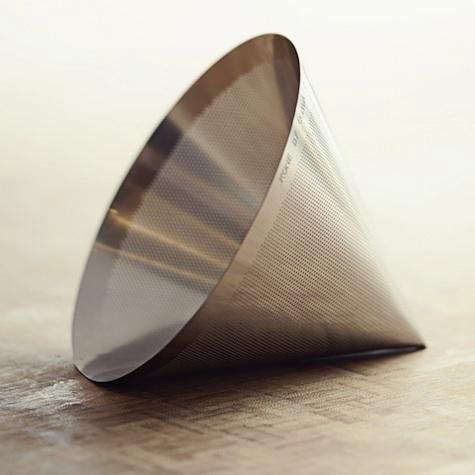

The Coava Coffee Kone Coffee Filter is one of those coffee tools that sounds almost too simple to be interesting: a reusable metal cone that replaces paper filters. That is it. No Bluetooth. No app. No tiny screen telling you your beans are emotionally unavailable. And yet, for pour-over fans, this little stainless-steel filter has earned a surprisingly serious place in coffee history.
Originally associated with Coava Coffee in Portland, Oregon, and later developed under Able Brewing, the Kone became famous because it challenged a basic assumption of manual brewing: that a clean cup requires paper. Instead of trapping oils and fine particles the way thick paper filters do, the Kone lets more of the coffee’s natural body pass through. The result is a cup that sits somewhere between a classic Chemex brew and a French presscleaner than immersion coffee, richer than paper-filtered pour-over, and just bold enough to make your usual morning mug feel like it joined a jazz band.
For home brewers, the Coava Coffee Kone Coffee Filter is not just a gadget. It is a brewing choice. It changes texture, aroma, cleanup, sustainability, and even the way you think about grind size. Used well, it can produce a rounded, aromatic, full-bodied cup. Used carelessly, it can deliver a mug with enough sediment to qualify as light construction material. The difference is technique.
What Is the Coava Coffee Kone Coffee Filter?
The Coava Coffee Kone Coffee Filter is a reusable, cone-shaped metal coffee filter designed primarily for Chemex-style brewing. Modern versions are sold as the Able Kone and are typically made from photo-etched stainless steel, with versions designed to fit standard 6-, 8-, and 10-cup Chemex coffee makers. The filter has thousands of tiny openings that allow brewed coffee to flow through while holding back most of the grounds.
Unlike paper filters, the Kone does not absorb coffee oils. That single design difference explains much of its appeal. Coffee oils carry aroma, texture, and flavor compounds, so when they enter the final cup, the brew feels fuller and more layered. The Kone also removes the recurring need to buy paper filters, which is a real advantage if you have ever discovered an empty filter box before sunrise and briefly considered chewing whole beans like a desperate squirrel.
A Short History: From Coava to Able Brewing
The Kone’s story begins in Portland’s specialty coffee scene. Keith Gehrke, associated with Coava Coffee, developed the original reusable metal filter as a solution for Chemex brewing without disposable paper. The early product became known as the Coava Kone, and it quickly caught the attention of baristas, design fans, and coffee hobbyists who enjoy turning breakfast into a controlled laboratory experiment.
After its early Coava era, the product evolved through Able Brewing. The design has gone through several refinements, including changes to the hole pattern, seam construction, support ring, durability, and cleaning performance. The modern Able Kone keeps the spirit of the original Coava Coffee Kone Coffee Filter but benefits from years of iteration. In plain English: it is still the same idea, but it has grown up, paid taxes, and learned how to clean itself up a bit better.
How the Kone Changes the Taste of Coffee
The biggest reason people buy the Coava Coffee Kone Coffee Filter is flavor. A Chemex with paper filters is known for clarity: bright acidity, delicate aromatics, and a clean finish. That clean cup happens because Chemex-style paper is thick and traps oils, fines, and sediment. The Kone takes a different route. It keeps the pour-over structure but allows more oils and microscopic particles into the brew.
Expect More Body
Coffee brewed with the Kone often feels heavier on the tongue. This does not mean it is muddy or harsh when brewed correctly. It means the cup has more weight, more roundness, and a longer finish. If paper-filtered Chemex coffee is a crisp white shirt, Kone coffee is a flannel-lined jacket: still presentable, but warmer and more textured.
Expect More Aromatic Oils
Because the Kone does not absorb oils like paper does, aromatic compounds remain more present in the cup. This can make chocolate, nutty, caramel, and fruit-forward coffees feel bigger and more expressive. Medium roasts often shine because their sweetness and body become more obvious.
Expect Some Sediment
A reusable metal coffee filter will not produce the same crystal-clear cup as a thick paper filter. Some fine particles may pass through. The goal is not to eliminate every tiny speck; the goal is to manage them. A good grinder, proper grind size, and gentle pouring will dramatically reduce sediment. A cheap blade grinder, on the other hand, will turn your brew into a tiny swamp with tasting notes of regret.
Coava Coffee Kone Coffee Filter vs. Paper Filters
The Kone and paper filters are not enemies. They are more like two chefs making the same dish with different personalities. Paper filters emphasize clarity, brightness, and a lighter mouthfeel. The Kone emphasizes body, oils, sustainability, and a more direct connection to the coffee’s texture.
Paper Filter Advantages
Paper filters are excellent for people who love a clean, delicate cup. They are especially useful for floral, tea-like, high-acidity coffees where clarity is the main event. They also make cleanup simple: lift, toss, rinse. The downside is recurring cost, paper waste, and the possibility of paper taste if the filter is not rinsed well.
Kone Filter Advantages
The Kone is reusable, durable, and less wasteful over time. It also gives the coffee a fuller body. For drinkers who find paper-filtered Chemex coffee too light, the Kone can be a delicious upgrade. It preserves the elegance of pour-over brewing while adding a bit of French press-style richness.
Which One Should You Choose?
Choose paper filters if you want the cleanest possible cup, minimal sediment, and maximum brightness. Choose the Coava Coffee Kone Coffee Filter if you want more body, less paper waste, and a slightly more adventurous cup. If you are truly committed, keep both. Coffee is cheaper than therapy, and having options helps.
How to Brew with the Coava Coffee Kone Coffee Filter
Brewing with the Kone is not difficult, but it rewards precision. Because metal filters behave differently from paper, you may need to adjust your usual Chemex recipe. Start with a medium-coarse grind, filtered water, freshly roasted coffee, and a digital scale. Yes, a scale. Measuring coffee by “scoops” works, but so does navigating by vibes. Both can end in confusion.
Basic Kone Brewing Recipe
Start with 30 grams of coffee and 500 grams of water, which gives you a balanced 1:16.7 ratio. Heat water to roughly 195°F to 205°F. Grind the coffee medium-coarse, slightly finer than classic Chemex paper-filter grind but not as fine as a V60. Place the Kone in the Chemex, add the grounds, and gently shake to level the bed.
Begin with a bloom pour of about 60 grams of water. Saturate the coffee evenly and wait 35 to 45 seconds. Then pour slowly in controlled circles, keeping the water level steady and avoiding aggressive pouring directly down the sides. Finish pouring by around 3 minutes, with a total brew time between 3:30 and 5 minutes depending on dose, grind, and coffee freshness.
Dialing In the Grind
If your brew tastes sour, thin, or sharp, the grind may be too coarse or the water may be passing through too quickly. Grind slightly finer. If the coffee tastes bitter, dry, or heavy with sludge, grind coarser or pour more gently. The Kone can punish inconsistent grind size because fines pass through more easily than they do with paper. A burr grinder is strongly recommended.
Pouring Technique Matters
Gentle pouring is your best friend. A violent pour can disturb the coffee bed, push fines into the bottom of the filter, and create uneven extraction. Use a gooseneck kettle if possible. Pour in slow circles, keep the slurry moving without digging trenches, and avoid blasting the center like you are pressure-washing a driveway.
Cleaning and Maintenance
One of the biggest advantages of the Coava Coffee Kone Coffee Filter is that it is easy to reuse. After brewing, let the filter cool, knock the grounds into compost or trash, and rinse the Kone thoroughly with warm water. A soft brush can help remove oils and particles from the tiny holes.
For deeper cleaning, soak the filter occasionally in a coffee equipment cleaner or use a gentle scrub with warm water. Avoid harsh abrasives that could damage the surface or seam. If oils build up, the filter may drain more slowly and produce dull flavors. Clean gear makes better coffee. This is not glamorous advice, but neither is drinking yesterday’s rancid oil in today’s Guatemala single-origin.
Who Should Buy the Coava Coffee Kone Coffee Filter?
The Kone is best for coffee drinkers who already enjoy manual brewing and want a richer cup from their Chemex. It is ideal for people who dislike running out of paper filters, want a reusable option, or prefer a fuller-bodied brew. It is also a good fit for anyone who likes experimenting with grind size, pouring patterns, and extraction.
It may not be the best choice for people who want an ultra-clean, sediment-free cup every time. If you love the classic paper-filter Chemex profile because it tastes light, bright, and polished, the Kone may feel too textured. But if your ideal cup has body, aroma, and a little personality, the Kone is absolutely worth considering.
Common Mistakes to Avoid
Using Too Fine a Grind
A grind that is too fine can clog the filter, slow the brew, and create bitterness. It can also increase sediment. Start medium-coarse and adjust gradually.
Pouring Too Aggressively
Fast pouring can stir up fines and lead to uneven extraction. Treat the kettle like a fountain pen, not a fire hose.
Skipping Regular Cleaning
Metal filters hold oils differently than paper. If the Kone starts smelling stale, clean it deeply. Your coffee should taste like coffee, not like a museum exhibit called “Old Breakfast.”
Expecting It to Taste Like Paper Chemex
The Kone is not trying to imitate paper. Its appeal is that it creates a different cup. Expect more body, more oils, and a slightly heavier mouthfeel.
Best Coffee Beans for the Kone
The Coava Coffee Kone Coffee Filter works beautifully with medium roasts, naturally processed coffees, chocolate-forward blends, and beans with strong sweetness. Coffees from Brazil, Colombia, Guatemala, and Ethiopia can all perform well, depending on roast and processing. Natural Ethiopians may become intensely fruity and aromatic, while washed Central American coffees can gain body without losing too much clarity.
Very delicate light roasts can work too, but they may require a careful recipe. If the coffee is floral and subtle, a paper filter may better preserve its clean edges. The Kone is especially fun when you want to emphasize sweetness, texture, and aroma rather than absolute clarity.
Is the Coava Coffee Kone Coffee Filter Worth It?
Yes, for the right drinker. The Kone is worth it if you brew often, enjoy full-bodied coffee, and want a reusable filter that changes the character of your Chemex. Over time, it can reduce dependence on disposable filters, and it offers a brewing style that paper cannot fully duplicate.
It is not a magic cone of perfection. You still need good beans, a decent grinder, proper water, and a little patience. But when everything comes together, the Kone produces a cup with impressive aroma, satisfying body, and enough texture to make your morning coffee feel more alive.
Real-World Experience with the Coava Coffee Kone Coffee Filter
Using the Coava Coffee Kone Coffee Filter for the first time feels familiar and strange at the same time. The setup looks like a normal Chemex routine: glass brewer, cone filter, fresh grounds, hot water, quiet optimism. But the first sip tells you this is not the same paper-filter cup you know. The coffee feels rounder. The aroma seems to rise faster. The finish lingers. It is like the flavor turned the volume knob from six to eight and then looked at you as if to say, “You awake now?”
The most noticeable experience is body. With paper, a Chemex often creates a clean and elegant cup, almost tea-like. With the Kone, the same beans can taste deeper and more tactile. A medium-roast Colombian coffee, for example, may show more caramel and toasted almond notes. A natural Ethiopian may become fruitier and heavier, with berry-like sweetness that feels closer to jam than juice. This can be wonderful, especially on mornings when you want comfort more than sparkle.
The learning curve is real but manageable. The first few brews may run too fast or taste slightly gritty. That usually means the grind needs adjustment. A burr grinder makes a huge difference because even particle size helps control sediment. Once the grind is dialed in, the Kone becomes predictable. The sweet spot often lands around medium-coarse, with a slow, careful pour and a bloom long enough to release trapped gas.
Cleanup is one of the best parts. There is no soggy paper filter collapsing like a defeated umbrella. You simply dump the grounds, rinse the filter, and give it a quick brush when needed. The tradeoff is that you must actually clean it. Paper filters leave with the mess; metal filters stay behind and remember everything. If you ignore oil buildup, your coffee will eventually taste flat or stale. A weekly deeper clean keeps the flavor fresh.
In daily use, the Kone changes the rhythm of brewing. It feels less disposable and more intentional. You become more aware of grind, flow, and texture. It also makes the Chemex feel more versatile. One day you can use paper for a bright, clean Kenya. The next day you can use the Kone for a chocolatey Guatemala with more body. That flexibility is the real value. The Kone does not replace paper for everyone; it expands what your brewer can do.
The best experience comes when expectations are clear. Do not buy the Kone hoping for a perfectly transparent paper-filter cup without paper. Buy it because you want richness, reusable design, and a little more personality in the mug. It is not the quiet librarian of coffee filters. It is the friendly neighbor who brings a guitar to the barbecue. Sometimes that is exactly what the morning needs.
Conclusion
The Coava Coffee Kone Coffee Filter remains a fascinating piece of specialty coffee gear because it solves a practical problem while changing the flavor experience. It reduces reliance on paper filters, brings more oils and body into the cup, and gives Chemex users a reusable alternative with a distinct personality. It requires thoughtful brewing, a good grind, and regular cleaning, but the reward is a rich, aromatic cup that feels more substantial than traditional paper-filter pour-over.
For coffee lovers who enjoy experimentation, the Kone is more than a filter. It is a different brewing lens. It lets you taste familiar beans in a new way, highlighting sweetness, mouthfeel, and aromatic depth. If you want a cleaner cup, paper still wins. If you want a fuller cup with less waste and more character, the Kone deserves a spot on your coffee bar.
Note: This article is written in original wording for web publication and is based on verified product history, current reusable filter details, and established pour-over brewing principles. No raw source links or unnecessary citation placeholders are included in the article body.