
Introduction: Clean Eating Without the Food Police
Clean eating sounds simple enough: eat real food, feel better, become the kind of person who owns matching glass containers and somehow always has chopped vegetables waiting in the fridge. Lovely idea. But somewhere between “eat more plants” and “never touch anything with a barcode,” clean eating picked up a lot of baggage.
For some people, clean eating means choosing whole foods, cooking more often, reading nutrition labels, and limiting highly processed snacks. That version can be practical, affordable, and genuinely helpful. For others, the phrase turns into a rigid rulebook: only organic produce, no packaged foods, no carbs after sunset, no gluten unless it personally apologizes, and definitely no birthday cake unless it is made of almond flour, monk fruit, and emotional compromise.
The truth is less dramatic and much more useful. A healthy diet is not measured by how “pure” a single meal looks on social media. It is shaped by consistent eating patterns: vegetables, fruits, whole grains, beans, nuts, seeds, protein foods, healthy fats, enough fiber, and fewer foods overloaded with added sugars, sodium, and saturated fat. Clean eating should help your life, not turn your grocery cart into a moral exam.
This guide breaks down three common clean eating myths and truths, with practical examples you can use right away. No scare tactics. No food shaming. No pretending that cauliflower is pizza crust’s emotional equal. Just real-world nutrition advice for people who want to eat better and still live a normal, enjoyable life.
What Does Clean Eating Really Mean?
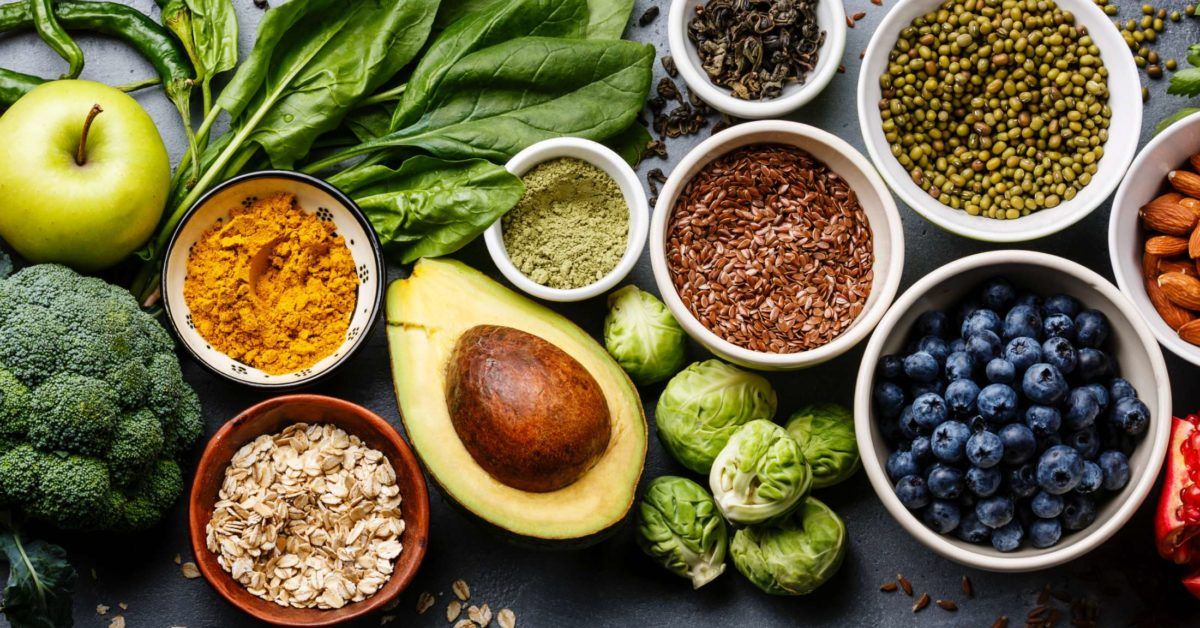
At its best, clean eating is a flexible approach that emphasizes minimally processed, nutrient-dense foods. That means more vegetables, fruits, whole grains, legumes, lean proteins, fish, eggs, dairy or fortified alternatives, nuts, seeds, and oils such as olive or avocado oil. It also means paying attention to packaged foods that contain large amounts of added sugar, sodium, refined grains, and saturated fat.
But “clean” is not an official medical or nutrition label. A food is not automatically healthy because it has rustic packaging, a leaf on the label, or a name that sounds like it was whispered by a yoga instructor. Likewise, a food is not automatically unhealthy because it comes in a can, bag, box, or freezer aisle. Nutrition is about ingredients, portions, frequency, overall dietary patterns, and personal health needs.
A cleaner eating pattern may include oatmeal with berries, black bean tacos, grilled salmon with brown rice, frozen vegetables, canned chickpeas, yogurt, peanut butter, roasted sweet potatoes, eggs, lentil soup, whole-grain toast, and yes, the occasional cookie. The goal is not perfection. The goal is progress you can repeat.
Myth 1: Clean Eating Means Everything Must Be Organic, Fresh, and Expensive
The Myth
One of the biggest clean eating myths is that healthy food must be organic, fresh, farmers-market beautiful, and priced like it came with a tiny personal trainer. This myth makes people believe that if they cannot afford organic strawberries, wild-caught everything, grass-fed meats, and hand-harvested Himalayan fairy lentils, they might as well give up and order fries.
That is not only discouraging; it is wrong. Organic foods can be a good choice for people who value certain farming practices or want to reduce exposure to some pesticide residues. But organic does not automatically mean more nutritious, lower calorie, safer in every situation, or better for every budget. Organic cookies are still cookies. Organic soda is still soda. Organic cane sugar is still added sugar wearing a nicer jacket.
The Truth
Clean eating does not require a luxury grocery budget. Conventional fruits and vegetables are still valuable, nutrient-rich foods. Frozen produce can be just as useful as fresh and is often picked and frozen at peak ripeness. Canned beans, canned tomatoes, canned tuna, frozen spinach, plain oats, brown rice, eggs, lentils, potatoes, carrots, cabbage, peanut butter, yogurt, and seasonal fruit can all support a healthy eating plan.
For many households, the most realistic clean eating strategy is not “buy everything organic.” It is “eat more plants, choose mostly whole foods, compare labels, and waste less.” A frozen bag of broccoli you actually cook beats an expensive bundle of organic kale that slowly becomes compost in your crisper drawer while judging you silently.
Practical Examples
If fresh berries are expensive, buy frozen berries for smoothies, oatmeal, or yogurt bowls. If organic chicken is out of reach, use beans, lentils, eggs, canned salmon, tofu, or conventional poultry. If fresh vegetables keep spoiling, buy frozen mixed vegetables and add them to soups, stir-fries, omelets, pasta, or rice bowls. If organic snacks cost too much, make simple snacks from whole foods: apple slices with peanut butter, Greek yogurt with cinnamon, popcorn, boiled eggs, or hummus with carrots.
Another budget-friendly clean eating trick is building meals around “humble heroes.” Beans, oats, potatoes, cabbage, carrots, brown rice, canned tomatoes, eggs, and frozen vegetables are not glamorous, but they are dependable. They are the nutrition equivalent of a friend who helps you move and does not post about it.
Myth 2: All Processed Foods Are Bad
The Myth
Clean eating culture often treats the word “processed” like a villain in a cape. The advice sounds simple: avoid processed foods. But that phrase is so broad it becomes almost meaningless. Washing, cutting, freezing, drying, fermenting, pasteurizing, cooking, grinding, and canning are all forms of processing. By that logic, roasted almonds, frozen blueberries, yogurt, canned beans, whole-grain bread, hummus, tofu, and olive oil would all be suspicious. That is nutrition theater, not nutrition science.
The real issue is not processing itself. The issue is the type and degree of processing, plus what has been added or removed. A bag of frozen peas is processed. So is a neon snack cake with five kinds of sweetener, refined flour, artificial flavors, and enough shelf stability to survive a minor asteroid event. These foods do not belong in the same category.
The Truth
Some processed foods are convenient, affordable, and nutritious. Frozen vegetables, canned beans, canned fish, plain yogurt, whole-grain pasta, nut butters, pre-washed salad greens, fortified soy milk, and rolled oats can make healthy eating easier. These foods save time, reduce waste, and help people cook at home more often.
The foods to limit are usually highly processed or ultra-processed products that are high in added sugars, sodium, saturated fats, refined grains, and low in fiber or essential nutrients. Examples include sugary drinks, many packaged desserts, processed meats, heavily salted snack foods, sweetened cereals, fast-food meals, and some frozen dinners. These foods can fit occasionally, but when they become the foundation of the diet, they may crowd out more nourishing options.
How to Use the Nutrition Label Without Needing a PhD
The Nutrition Facts label is your clean eating sidekick. Start with serving size, because some packages enjoy pretending that one cookie is a community event. Then check added sugars, sodium, saturated fat, fiber, and protein. A useful rule of thumb is to choose packaged foods with more fiber and protein and less added sugar, sodium, and saturated fat most of the time.
For example, compare two breakfast cereals. One has whole grain as the first ingredient, several grams of fiber, little added sugar, and moderate sodium. The other looks like confetti, tastes like dessert, and has enough sugar to make your spoon vibrate. Both are processed, but they are not nutritionally equal.
Clean Eating Pantry Staples
A realistic clean eating pantry may include rolled oats, brown rice, quinoa, lentils, beans, canned tomatoes, tuna or salmon, low-sodium broth, nuts, seeds, olive oil, herbs, spices, whole-grain pasta, nut butter, and unsweetened yogurt. These foods help you build quick meals without relying on takeout every time your schedule becomes a circus.
The goal is not to fear packages. The goal is to become a smarter shopper. Read the label, scan the ingredient list, and ask: Does this food help me build a balanced meal? Does it provide fiber, protein, vitamins, minerals, or healthy fats? Or is it mostly salt, sugar, refined starch, and marketing poetry?
Myth 3: Clean Eating Requires Detoxes, Food Rules, and Perfect Discipline
The Myth
The most dramatic clean eating myth is that your body needs a detox plan every time you eat pizza, enjoy dessert, or survive a holiday weekend. Detox teas, juice cleanses, extreme fasting plans, and “reset” programs often promise clearer skin, rapid weight loss, better digestion, more energy, and possibly the ability to levitate above your inbox.
This myth sells because it sounds empowering. Who would not want to “flush toxins” and start fresh by Monday? But the body already has a detox system: the liver, kidneys, lungs, digestive tract, skin, and lymphatic system. They work all day without needing a celebrity-endorsed cayenne lemonade subscription.
The Truth
For most healthy adults, the best way to support the body’s natural detoxification processes is not a cleanse. It is a consistent lifestyle: drink enough water, eat fiber-rich foods, include protein, sleep well, move your body, limit alcohol, avoid smoking, and eat plenty of plants. Fiber helps support digestion and regular bowel movements. Protein provides amino acids needed for many body processes. Fruits and vegetables provide vitamins, minerals, fluid, and phytochemicals. This is not as flashy as a three-day cleanse, but it has the advantage of being useful.
Extreme detox plans can backfire. They may be too low in calories, protein, fat, or fiber. They can cause headaches, fatigue, blood sugar swings, digestive upset, and intense cravings. Some supplements and detox products may also interact with medications or be unsafe for people with certain health conditions. When in doubt, talk with a qualified health professional, especially if you are pregnant, managing diabetes, taking prescription medications, or dealing with kidney, liver, heart, or digestive issues.
Clean Eating Should Not Become Clean Living Anxiety
Another problem with strict clean eating is that it can turn food into a moral scoreboard. You were “good” for eating a salad and “bad” for eating a brownie. But food is not a courtroom, and dinner does not need a verdict. A healthy relationship with food leaves room for culture, celebration, convenience, pleasure, and imperfection.
Rigid food rules can also create unnecessary fear. Unless you have a medical reason to avoid gluten, dairy, soy, or another food, eliminating entire food groups is not automatically healthier. Whole grains can provide fiber and nutrients. Dairy foods can provide protein, calcium, and vitamin D. Beans contain carbohydrates, but they also deliver fiber, protein, potassium, and minerals. Fruit has natural sugar, but it also comes packaged with water, fiber, vitamins, and antioxidants. In other words, an apple is not a cupcake in a trench coat.
A Better Rule: Add Before You Subtract
Instead of starting with restriction, begin by adding helpful foods. Add a vegetable to lunch. Add fruit to breakfast. Add beans to soup. Add a handful of nuts to a snack. Add water before soda. Add a side salad to pizza night. Add frozen spinach to scrambled eggs. Add lentils to pasta sauce. These small upgrades are less glamorous than a full pantry makeover, but they are much easier to repeat.
How to Practice Clean Eating in Real Life
Build a Balanced Plate
A simple clean eating plate includes half vegetables and fruits, one quarter protein, and one quarter whole grains or starchy vegetables, with a source of healthy fat. For breakfast, that might be oatmeal with berries, walnuts, and Greek yogurt. For lunch, it could be a grain bowl with brown rice, chicken or tofu, roasted vegetables, avocado, and salsa. For dinner, try salmon, sweet potato, and a big salad with olive oil vinaigrette.
Balanced meals help with energy, fullness, blood sugar stability, and nutrient intake. They also reduce the urge to graze through the pantry at 9 p.m. like a raccoon with Wi-Fi.
Use the “Mostly” Method
Clean eating becomes sustainable when you use the word “mostly.” Eat mostly whole foods. Drink mostly water. Choose mostly high-fiber carbohydrates. Cook mostly at home. Snack mostly on foods that contain protein, fiber, or healthy fat. This approach creates structure without turning every meal into a pass-fail test.
The “mostly” method also allows normal life to happen. Birthday cake, movie popcorn, restaurant fries, and holiday pie do not erase your healthy habits. They are part of a flexible eating pattern when enjoyed occasionally and intentionally.
Make Food Prep Boringin a Good Way
Meal prep does not have to mean lining up identical containers like a wellness robot. A more realistic version is cooking one grain, one protein, and one vegetable ahead of time. Roast a tray of vegetables, cook brown rice or quinoa, prepare chicken, tofu, beans, or hard-boiled eggs, and make one sauce. Suddenly, you can assemble bowls, wraps, salads, soups, and quick dinners without starting from zero every night.
Keep easy backups: frozen vegetables, canned beans, eggs, tuna packets, microwavable brown rice, plain yogurt, pre-washed greens, and fruit. Clean eating works better when your kitchen is prepared for tired you, not fantasy you who alphabetizes spices and whistles while chopping parsley.
Common Clean Eating Mistakes to Avoid
Mistake 1: Trusting Front-of-Package Claims
Words like “natural,” “wholesome,” “superfood,” “made with real fruit,” and “lightly sweetened” can be helpful, meaningless, or somewhere in between. The front of the package is advertising. The Nutrition Facts label and ingredient list are where the real conversation starts.
Mistake 2: Eating Too Little
Some people confuse clean eating with under-eating. A lunch made of lettuce, cucumber, and determination may look healthy, but it probably will not keep you full. Include enough protein, fiber-rich carbohydrates, and healthy fats. Your body needs fuel, not a decorative arrangement.
Mistake 3: Ignoring Flavor
Healthy food that tastes like wet cardboard is not a long-term strategy. Use herbs, spices, citrus, vinegar, garlic, onions, mustard, salsa, hot sauce, and small amounts of flavorful fats. Roasting vegetables, toasting nuts, seasoning beans, and making simple sauces can turn “I should eat this” into “I want seconds.”
500-Word Experience Section: What Clean Eating Feels Like in Everyday Life
The real experience of clean eating is rarely a dramatic before-and-after montage. It is usually quieter than that. It begins with noticing how different meals make you feel. Maybe a breakfast of sweet coffee and a pastry tastes wonderful for 20 minutes, then leaves you hungry and foggy by 10 a.m. Maybe oatmeal with peanut butter and berries keeps you steady until lunch. Maybe adding vegetables to dinner helps digestion. Maybe drinking more water means fewer afternoon headaches. Clean eating becomes personal when it moves from rules to observations.
One of the most useful experiences is learning that convenience and health can be friends. Many people start with the idea that clean eating requires cooking everything from scratch. Then real life walks in wearing muddy shoes: work runs late, kids need help, traffic is ridiculous, and nobody wants to massage kale at 8:30 p.m. This is where practical clean eating shines. A clean-ish dinner might be scrambled eggs, whole-grain toast, avocado, and fruit. It might be canned black beans over microwave brown rice with salsa and frozen peppers. It might be rotisserie chicken, bagged salad, and roasted potatoes. Not perfect. Not fancy. Still nourishing.
Another common experience is realizing that cravings do not disappear just because you bought chia seeds. People often try to white-knuckle their way through clean eating, banning every favorite food until the cravings roar back like a bear with a calendar reminder. A better approach is planned flexibility. Enjoy dessert sometimes. Eat the pizza slowly and add a salad. Have the chips, but put them in a bowl instead of eating from the bag while standing in the pantry like a detective at a crime scene. Satisfaction matters because a diet you resent will eventually file for divorce.
Clean eating also changes the grocery store experience. At first, label reading can feel annoying. Then patterns appear. You notice which breads have more fiber, which soups are sodium bombs, which yogurts are basically pudding in athletic clothing, and which snacks actually keep you full. Shopping gets faster because you build a personal list of reliable foods. You stop chasing every new health trend and start choosing what works for your body, budget, schedule, and taste buds.
Social eating is another lesson. Clean eating does not need to make you the person who lectures everyone at dinner. You can make healthier choices without announcing a documentary. At restaurants, choose grilled, baked, roasted, or steamed options more often; ask for sauces on the side; add vegetables; share dessert; drink water. At family gatherings, eat the foods you truly enjoy and skip the ones you only eat out of habit. The goal is not to perform wellness. The goal is to feel good and stay connected to your life.
Over time, the biggest shift is confidence. You learn that one meal does not define your health. You learn that frozen vegetables count. You learn that organic is optional, not mandatory. You learn that processed foods exist on a spectrum. You learn that your body does not need punishment after a holiday meal. Clean eating becomes less about control and more about care. That is when it finally becomes sustainable.
Conclusion: Clean Eating Works Best When It Is Flexible
Clean eating can be a helpful framework when it encourages more whole foods, more fiber, more plants, more home cooking, and better awareness of added sugars, sodium, saturated fat, and highly processed foods. But it becomes less helpful when it turns into fear, perfectionism, or expensive food rules.
The truth is refreshingly human: you do not need to eat perfectly to eat well. You do not need to buy everything organic. You do not need to avoid every processed food. You do not need a detox after enjoying dessert. A healthy eating pattern is built meal by meal, habit by habit, with room for budget, culture, convenience, pleasure, and the occasional cookie that does not need to explain itself.
Start small. Add a fruit. Add a vegetable. Choose whole grains more often. Read labels. Cook when you can. Keep easy staples ready. Limit highly processed foods without treating them like forbidden treasure. Clean eating should make your life healthier, not smaller.