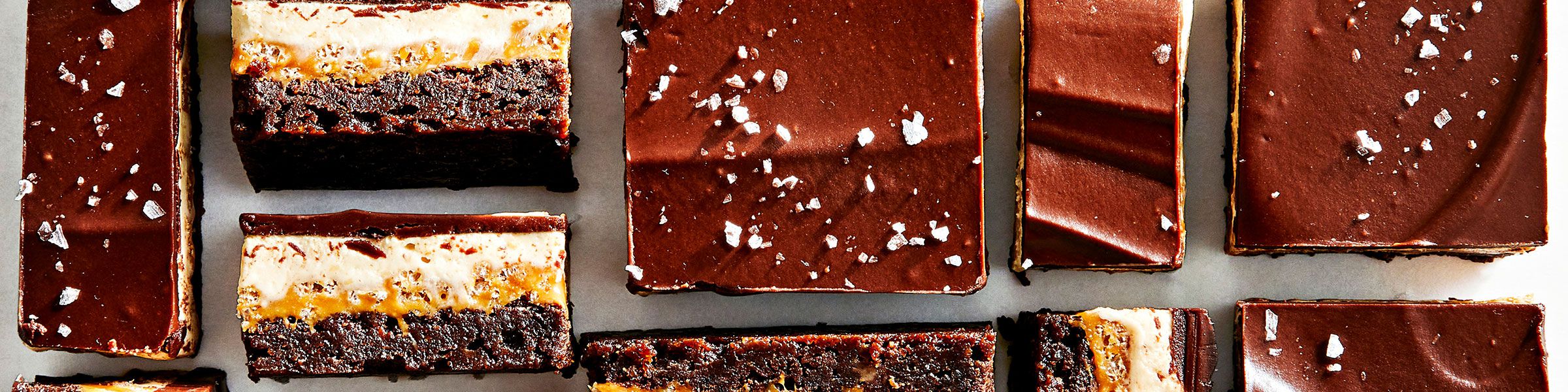

Chocolate desserts are basically the culinary equivalent of a warm hoodie: comforting, reliable, and somehow always the right choice.
The best part? You don’t need a pastry-degree or a drawer full of fancy gadgets to make desserts that taste like a restaurant finale.
You just need a few smart techniques, a couple of “master” recipes, and the confidence to treat chocolate like an ingredientnot a mysterious mood swing.
This guide rounds up crowd-pleasing chocolate dessert recipes (from fudgy brownies to no-bake pies), plus the behind-the-scenes
science that makes them work. You’ll get specific examples, easy variations, and troubleshooting so your chocolate stays silky, your brownies stay chewy,
and your ganache doesn’t decide to separate like it’s on a reality show.
Start Here: Picking Chocolate That Actually Tastes Good
Great chocolate dessert recipes start with chocolate that tastes good on its own. If you wouldn’t snack on it, it probably won’t magically
become amazing when baked (sorry, that’s not how ovens work).
Chocolate bars vs. chocolate chips
Chocolate bars (or baking wafers) melt smoother and make silkier ganache, glazes, and truffles.
Chocolate chips are designed to hold their shape in cookiesuseful for cookies, less ideal for ultra-smooth fillings.
If you’re making ganache, mousse, or truffles, chopped bar chocolate usually delivers a cleaner texture.
Natural cocoa vs. Dutch-process cocoa
Cocoa powder is the “instant espresso” of chocolate flavor: intense and fast. Dutch-process cocoa is treated to reduce acidity,
often giving a deeper, smoother chocolate vibe. Natural cocoa is more acidic and can taste brighter.
In many recipes you can use either, but pay attention when a recipe relies on acidity for lift (like some cakes that pair natural cocoa with baking soda).
Quick flavor boosters that aren’t “extra”
- Salt: A pinch makes chocolate taste more chocolatey.
- Espresso powder or coffee: Doesn’t make it taste like coffee; it makes chocolate taste louder.
- Vanilla: Rounds the edges and boosts aroma.
Chocolate Techniques That Upgrade Every Dessert
1) Bloom cocoa powder for deeper flavor
“Blooming” cocoa just means stirring it into a hot liquid (hot water, coffee, milk, or cream) before adding it to the batter.
Heat helps release flavor compounds and prevents stubborn cocoa lumps. This trick is especially powerful in cakes, sheet cakes, and brownies
where cocoa powder is the main chocolate source.
2) Melt chocolate gently (and keep water away)
Chocolate melts best with low, steady heateither in a microwave at short intervals with frequent stirring, or over a gentle double boiler.
Even a tiny bit of water or steam can make melted chocolate seize into a thick, grainy mess. Dry bowl, dry spoon, dry life choices.
3) Know ganache ratios (so you can improvise like a pro)
Ganache is simply chocolate + warm cream. The ratio controls the texture:
- 1:1 (chocolate:cream) = pourable glaze or drip
- 2:1 = thick frosting or truffle base
- 3:1 = very firm filling (great for shaping)
If ganache breaks (looks oily or separated), whisk in a little warm water a tablespoon at a time until smooth again.
It feels wrong, but it workslike putting socks in the freezer to stop hiccups (okay, that one doesn’t work).
4) Build texture on purpose
The most memorable desserts aren’t just sweetthey’re a mix of creamy, chewy, crunchy, and melty. Keep a “texture toolbox” around:
toasted nuts, flaky salt, crushed pretzels, crisp cookies, cocoa nibs, or even cereal for playful crunch.
12 Chocolate Dessert Recipes You’ll Actually Make Again
These recipes are designed like a greatest-hits album: each stands alone, but together they cover basically every chocolate craving.
Use them as written or mix-and-match with the variations.
1) One-Bowl Fudgy Brownies (Shiny Top, Chewy Center)
Why it works: Heating butter and sugar helps dissolve sugar crystals, which encourages that crackly, shiny brownie top.
How to make it: Melt butter, stir in sugar while warm, then whisk in eggs and vanilla. Add cocoa powder, a pinch of salt,
and flour. Fold just until combined. Bake until the edges look set and the center still looks slightly underdone.
Easy upgrades: Espresso powder; chopped walnuts; a handful of chocolate chips folded into warm batter for extra chew.
2) “Brown Butter” Chocolate Chip Cookies (Bakery-Style)
Why it works: Browning butter adds nutty depth. Chilling dough improves flavor and controls spread.
How to make it: Brown butter until it smells toasty. Cool it (don’t rushhot butter melts sugar too fast).
Cream with brown and white sugar, add eggs and vanilla, then fold in flour, leavening, salt, and chocolate chunks.
Chill at least a few hours (overnight is even better), then bake until edges are golden and centers look slightly soft.
Easy upgrades: Sprinkle flaky salt on top; swap in dark chocolate chunks; add toasted pecans.
3) Molten Lava Cakes (Date-Night Energy, Weeknight Effort)
Why it works: High heat sets the outside while the center stays gooey. The key is timingoverbake and it’s just cake.
How to make it: Butter ramekins, dust with cocoa powder. Melt chocolate and butter gently. Whisk eggs and sugar until glossy,
then stir in melted chocolate. Fold in a little flour and salt. Fill ramekins about 2/3 full and bake until edges are set but centers still jiggle slightly.
Serve with: Vanilla ice cream, raspberries, or a spoonful of peanut butter melted into the center.
4) Silky Chocolate Mousse (No Fancy Fuss)
Why it works: Whipped cream provides the lift; melted chocolate provides richness. Some versions gently heat eggs and sugar for stability.
How to make it: Melt chocolate and let it cool slightly. Whip cream to soft peaks. In a separate bowl, beat egg yolks with sugar
(some methods warm this mixture over simmering water until pale and thick). Stir chocolate into the yolk mixture, then fold in whipped cream.
Chill until spoonable and dreamy.
Easy upgrades: Orange zest; a splash of peppermint extract; top with shaved chocolate.
5) No-Bake Chocolate Pie (The “I Have 10 Minutes” Dessert)
Why it works: Cream cheese + whipped topping (or whipped cream) makes a quick, stable filling that chills into a sliceable pie.
How to make it: Beat softened cream cheese with a little sugar. Fold in whipped topping and cocoa (or melted chocolate).
Spoon into a graham or cookie crust and chill until set. Add chocolate shavings on top if you’re feeling fancy (or if someone’s watching).
Easy upgrades: Use an Oreo-style crust; swirl in Nutella; add a thin ganache layer on top.
6) Homemade Chocolate Pudding (Stovetop Comfort Classic)
Why it works: Cornstarch thickens the pudding, and whisking constantly prevents lumps. It’s simple, but it rewards attention.
How to make it: Whisk sugar, cocoa powder, cornstarch, and salt in a saucepan. Slowly whisk in milk (or half-and-half).
Cook over medium heat, whisking nonstop, until thick and bubbly. Remove from heat, stir in butter and vanilla. Chill with plastic wrap pressed on top
to prevent a skinor embrace the skin like a pudding traditionalist.
Easy upgrades: Add chopped chocolate at the end for extra richness; top with whipped cream and toasted almonds.
7) Chocolate Ganache (One Recipe, Five Uses)
Why it works: Warm cream melts chocolate into a glossy emulsion. The ratio decides whether it’s sauce, glaze, frosting, or truffle filling.
How to make it: Chop chocolate and place in a bowl. Heat cream until just simmering. Pour over chocolate and let sit 2–3 minutes,
then stir from the center outward until smooth.
- Warm: drizzle on cake, ice cream, or fruit
- Cooled slightly: spread as glaze
- Chilled: whip into frosting
8) 3-Ingredient Chocolate Truffles (Giftable, Snackable, Dangerous)
Why it works: Truffles are basically firm ganache rolled into bites. Minimal effort, maximum “wow.”
How to make it: Heat cream until steaming (not violently boiling). Pour over chopped chocolate, rest, then stir until smooth.
Chill until scoopable. Roll into balls and coat with cocoa powder, crushed nuts, shredded coconut, or sprinkles.
Pro move: Let truffles sit at room temp before serving so they’re creamy, not hard.
9) Chocolate Bark (Customizable Crunch Board)
Why it works: Melt, top, chill. Bark is basically a choose-your-own-adventure dessert.
How to make it: Melt dark chocolate gently. Spread on parchment. Sprinkle with pretzels, pumpkin seeds, dried fruit, or flaky salt.
Chill until firm, then break into pieces.
Easy upgrades: Swirl in peanut butter; add toasted coconut; mix white and dark chocolate for drama.
10) Chocolate-Dipped Strawberries and Pretzels (Clean, Classic, Crowd-Friendly)
Why it works: You get the snap of chocolate with the freshness of fruitor the salty crunch of pretzels.
How to make it: Pat fruit completely dry. Melt chocolate in short microwave bursts, stirring often.
Dip, shake off excess, and place on parchment. For a prettier finish, drizzle with a second chocolate color.
Important: Water is the enemy heredry everything before you start.
11) Deep Chocolate Sheet Cake (Low Effort, Big Reward)
Why it works: Cocoa-based cakes stay tender, and blooming the cocoa intensifies flavor without needing pricey chocolate bars.
How to make it: Bloom cocoa with hot coffee or hot water, then cool slightly. Whisk with sugar, oil, eggs, vanilla, and buttermilk.
Add flour, leavening, and salt. Bake in a sheet pan. Frost with ganache or a cocoa-buttercream.
Easy upgrades: Add sour cream for richness; top with crushed candy canes in winter.
12) Icebox Chocolate “Cake” (No Oven, All Vibes)
Why it works: Cookies soften as they chill in whipped cream, creating cake-like layers with zero baking.
How to make it: Whip cream with a little powdered sugar and vanilla. Layer chocolate wafer cookies with whipped cream in a loaf pan.
Chill overnight. Slice to reveal layers and act like you planned it for days (because you did).
Easy upgrades: Add sliced bananas; layer in peanut butter; drizzle ganache between layers.
Troubleshooting: Save the Dessert (and Your Mood)
“My chocolate seizednow what?”
If melted chocolate turns thick and grainy, it likely met a tiny bit of water or overheated. For sauces or glazes, you can often rescue it by adding
more warm liquid (water or cream) and whisking until smooth. It won’t be good for tempering afterward, but it can still become a great sauce.
“My brownies are cakey, not fudgy.”
Cakey brownies usually have too much flour or too much air. Measure flour carefully (spoon and level), mix gently, and pull them from the oven while the
center still looks slightly underbaked. They finish setting as they cool.
“My cookies spread into pancakes.”
Common culprits: warm dough, warm baking sheet, or not enough flour. Chill the dough, use a cool sheet pan, and bake on parchment.
Also: your butter should be cool enough to creamnot melted.
“My ganache broke.”
If it looks oily or separated, whisk in warm water a tablespoon at a time until it comes back together.
Stir gently and steadilyganache likes calm energy.
Make-Ahead and Storage Tips
- Brownies: Taste even better the next day. Wrap tightly and store at room temperature for a few days.
- Cookies: Freeze dough balls and bake from frozen with an extra minute or two.
- Mousse/pies: Chill well; keep refrigerated and serve cold (or mousse slightly cool) for best texture.
- Truffles: Store chilled, but serve closer to room temp for the creamiest bite.
- Bark: Keep cool and dry in an airtight container so it stays snappy.
Conclusion
The secret to unforgettable chocolate dessert recipes isn’t perfectionit’s knowing which small choices matter.
Bloom your cocoa for bolder flavor. Melt chocolate gently and keep water away. Use ganache ratios to improvise. Chill dough when you want better cookies.
With these techniques and a handful of versatile recipes, you can cover everything from “I need dessert in 10 minutes” to “I’m hosting and pretending I’m effortless.”
Pick one recipe from the list and make it this week. Then keep the technique you learned (blooming, chilling, ganache ratios) and apply it to the next one.
That’s how chocolate confidence is builtone excellent bite at a time.
Extra: Real-World Experiences With Chocolate Dessert Recipes (About )
In real kitchens, chocolate desserts tend to become “the reliable friend” at gatherings: they disappear first, they travel well, and nobody complains
when they show up. A common experience is that people start with one signature recipeoften brownies or cookiesand gradually expand into more
impressive-looking options once they realize the techniques are repeatable. Brownies are a typical gateway dessert because they’re forgiving:
even when slightly overbaked, they still taste like chocolate (and can be “saved” with ice cream, which is basically dessert diplomacy).
Another pattern many home bakers notice is how much timing matters compared to “fancy ingredients.” Chilling cookie dough, for example,
feels like an annoying extra stepuntil you taste the difference. Dough that has rested tends to bake up with a deeper caramel flavor and a more
controlled shape, which is why people often go from “cookies are easy” to “wait, why are these suddenly bakery-level?” after a single overnight chill.
That one habit can turn cookies into a dependable gift option, the kind that can be stacked in a tin and handed to someone with the confidence of a person
who absolutely has their life together.
Chocolate also teaches patience in a very specific way: it rewards low heat and punishes rushing. Many bakers have a vivid memory of the first time
chocolate seizedusually because a damp spoon got involved or steam snuck into the bowl. The good news is that moment often becomes the “before and after”
point where people start drying tools, slowing down, and melting chocolate in shorter bursts. Once that skill clicks, chocolate becomes less intimidating,
and dipping strawberries, making bark, or whipping up a quick ganache starts to feel almost too easylike you discovered a cheat code.
No-bake chocolate desserts are another real-life favorite because they fit the way people actually live: busy, warm kitchens, limited oven space, and
sudden invitations. A chilled chocolate pie or icebox cake is often the dessert that gets made when the oven is already full, the weather is hot,
or the schedule is chaotic. These desserts also tend to become tradition-friendly. Families frequently adapt themswitching crusts, adding peanut butter,
or topping with crushed candyuntil the recipe becomes “ours,” not just something printed from the internet.
Finally, there’s the joy factor. Chocolate desserts are usually where people feel comfortable being playful: adding flaky salt, throwing in pretzels for crunch,
swirling in caramel, or topping mousse with whipped cream that’s piled a little too high on purpose. Over time, that playfulness builds intuition.
You learn what textures you like (gooey, fudgy, airy, snappy), and you start choosing recipes based on the kind of chocolate moment you want.
That’s the best “experience” outcome of all: chocolate dessert recipes stop being instructions you follow and start being tools you use.