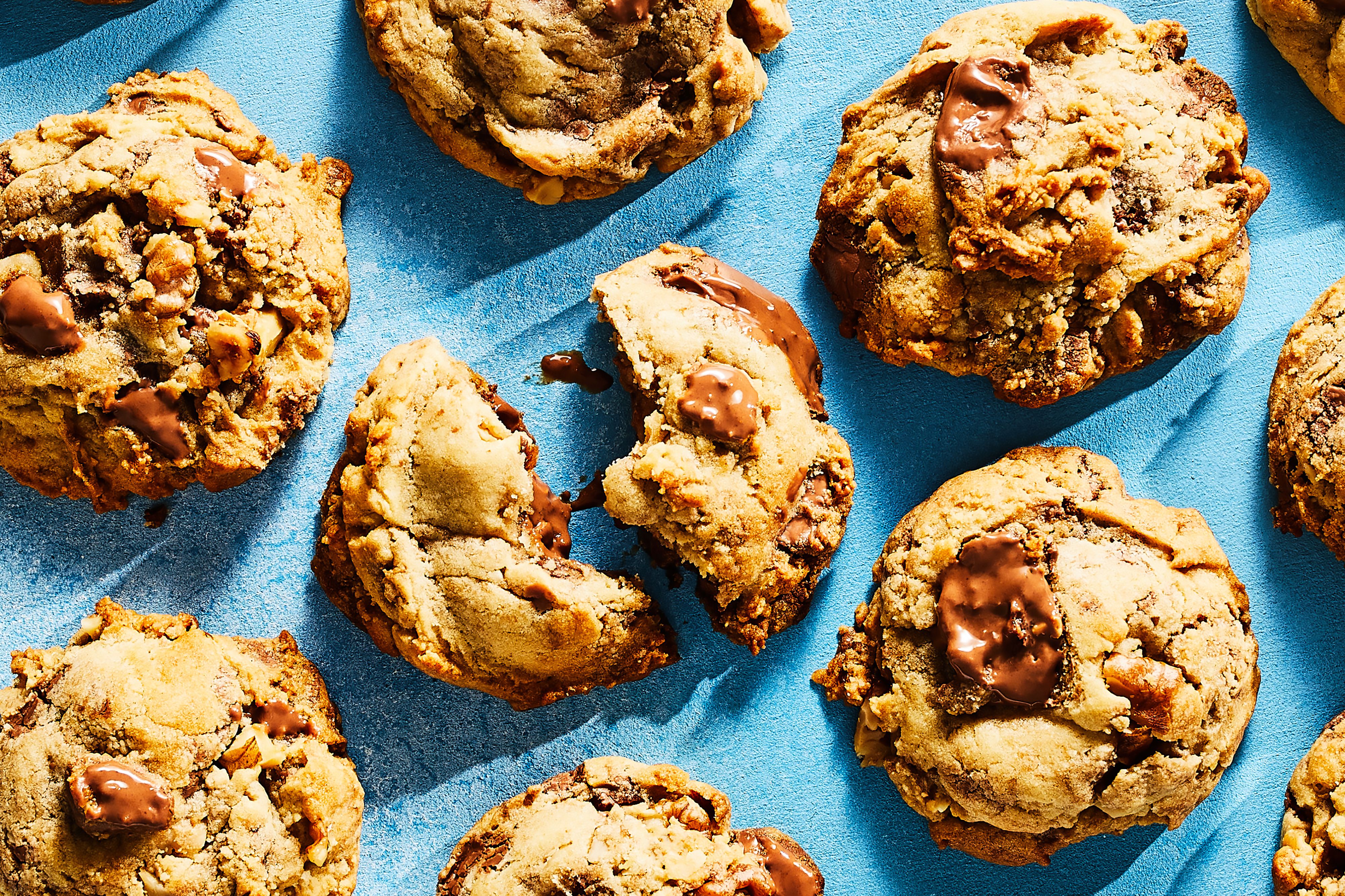

Chocolate chip cookies are the unofficial language of “I like you,” “I’m sorry,” “Good luck on your test,” and
“I had a long day and require immediate joy.” They’re also the one dessert that can start a friendly feud faster
than sports: thin and crispy vs. thick and gooey vs. soft and chewy vs. whatever my grandma made.
This guide is here to help you bake the kind of chocolate chip cookies you actually wanton purpose. We’ll break down the
ingredient “why,” the technique “how,” and the tiny tweaks that turn a good batch into the batch people text you about later.
(Yes, that’s a real life milestone. No, you don’t have to pretend to be humble about it.)
What Makes a Chocolate Chip Cookie “Perfect”?
“Perfect” chocolate chip cookies aren’t one thing. They’re a personal preference with butter involved.
The good news is that cookie texture is surprisingly controllable. The not-so-good news is that once you learn this,
you may start saying sentences like, “I’m adjusting my sugar ratio for spread,” which is a great way to clear a room at parties.
Choose your cookie personality
- Chewy: Bends before it breaks, stays soft for days, often has a deeper caramel note.
- Crispy: Snaps cleanly, usually thinner, with a toasty edge and a big crunch payoff.
- Thick & gooey: Tall, plush, dramatic chocolate pools, and centers that feel slightly underbaked (in a good way).
- Balanced classic: Crisp edges + chewy middlethe “why can’t we all get along” cookie.
The “perfect” cookie is simply the one where the texture matches the promise you made in your head while you were mixing.
Let’s make that happen.
The Short Origin Story (Yes, There’s a Toll House)
The chocolate chip cookie we know today is commonly traced back to the late 1930s, when Ruth Graves Wakefield created
what became known as the Toll House cookie in Massachusetts. The cookie’s popularity exploded, and the idea of
chocolate “morsels” (chips made for baking) became part of American dessert culture.
In other words: this isn’t just a cookie. It’s edible historyconveniently served with milk.
Ingredient Deep Dive: The Cookie Physics Behind the Magic
Great chocolate chip cookies don’t come from “secret ingredients” as much as they come from understanding what each ingredient does.
Once you know the job description, you can hire the right ingredient for the vibe.
Flour: structure, chew, and the “why is it cakey?” question
All-purpose flour is the standard because it gives reliable structure without making cookies tough. If you want a chewier cookie,
increasing flour protein (like using some bread flour) can help add bite. If you want a more tender cookie, lean on all-purpose
and avoid overmixing once flour is addedbecause gluten develops when flour meets moisture and agitation, and cookies are not
applying for a job in breadmaking.
Measuring matters. Too much flour is one of the fastest routes to dry or cakey cookies. If you can, use a kitchen scale.
If you can’t, spoon flour into the measuring cup and level it offno packing, no “mountain of flour,” no chaos.
Butter: flavor and spread (and why brown butter tastes like a bakery)
Butter brings flavor, tenderness, and spread. The way you use it changes everything:
- Softened butter (creamed): traps air when beaten with sugar, helping cookies rise a bit and bake up lighter.
- Melted butter: reduces trapped air, often making cookies denser and chewier.
- Brown butter: adds nutty, toffee-like depth by toasting milk solidsbig flavor upgrade with minimal extra effort.
One note with brown butter: it loses water as it cooks, which can change texture. Many recipes compensate by adding a bit more liquid
(or carefully balancing eggs and sugar). That’s why some brown-butter cookies taste intensely rich and still stay chewy instead of dry.
Sugar: sweetness, chew, crispness, and that shiny crackly top
Sugar isn’t just sweetnessit’s structure and moisture control.
- Brown sugar: adds molasses plus moisture, helping create chew and deeper caramel flavor.
- White sugar: encourages spread and crispness and helps edges brown.
More brown sugar generally leans chewy. More white sugar generally leans crisp. A mix often creates the classic “crisp edge, chewy center”
balance. Also: sugar helps create that glossy, crinkly top when it dissolves well and the dough bakes just right.
Eggs: binding, moisture, and the yolk advantage
Eggs bind dough, add moisture, and help cookies set. Yolks bring fat and emulsifiers, which can boost richness and chewiness.
If you want a softer, chewier cookie, an extra yolk (instead of an extra whole egg) is a popular move. More egg white can add structure
but may push you toward cakier territory if the rest of the recipe isn’t balanced.
Leavening: baking soda vs. baking powder
Baking soda helps cookies spread and brown and can support that classic cookie flavor when paired with brown sugar.
Baking powder adds lift and can make cookies puffier. Many “classic” chocolate chip cookie recipes use mostly baking soda, while some modern
versions use a little of both to fine-tune height and tenderness.
Salt & vanilla: the tiny ingredients doing heavy lifting
Salt keeps cookies from tasting flat and makes chocolate taste more like chocolate. Vanilla rounds out the flavor and makes the cookie taste
“complete.” Want your cookies to taste more like a bakery? Don’t skip salt. Also consider finishing warm cookies with a tiny pinch of flaky salt
if your chocolate is very sweet.
Chocolate: chips, chunks, wafers, and the “puddle strategy”
Chips hold their shape. Chunks melt into irregular pockets. Wafers/discs melt into dramatic puddles. You can also mix chocolates for complexity:
semisweet for classic flavor, dark for intensity, and milk chocolate for extra sweetness and nostalgia.
If you want those magazine-cover pools of chocolate, reserve a handful of chocolate pieces and press them onto the tops of dough balls right
before baking. It’s not cheating. It’s styling.
Technique That Changes Everything
1) Creaming vs. “one-bowl melted butter”
Creaming softened butter with sugar adds air, which can give cookies a slightly lighter interior. Melted butter recipes often create denser,
chewier cookies with more spread. Neither is “better”they’re different cookie moods. If you want reliable thick cookies, creaming plus chilling
is a strong combination. If you want chewy and easy, melted butter is a weeknight hero.
2) Stop overmixing (your cookie dough isn’t training for a marathon)
Overmixing after flour is added can make cookies tougher or cakier. Mix dry ingredients in just until you don’t see streaks of flour, then stop.
The dough should look cohesive, not like it has been emotionally processed.
3) Chill or rest the dough: the simplest “upgrade” step
Chilling dough helps in three big ways: it firms up fat (less spreading), allows flour to hydrate (better texture), and lets flavors develop
(more depth). Even 30–60 minutes helps. A longer rest (overnight or up to a couple of days) can produce noticeably richer, more caramel-forward
cookies with better browning.
If you’re short on time, chill pre-scooped dough balls. They cool faster and you can bake a few at a timefresh cookies on demand, like a
tiny home bakery with fewer health inspections.
4) Scoop size, spacing, and why “even” matters
Use a cookie scoop for uniform size so cookies bake evenly. Crowding the pan encourages cookies to steam each other and can lead to pale,
soft edges. Give them room to spread and brown.
5) Pan choice and bake temp (a quiet source of heartbreak)
Dark pans brown faster and can lead to darker bottoms. Light-colored aluminum pans tend to bake more evenly. Parchment paper helps prevent sticking
and encourages consistent spread. Silicone mats can reduce spread and browning slightlysometimes helpful, sometimes not, depending on your goal.
Oven temperature matters, too. Higher heat can set edges quickly (crisp edges, chewy center). Lower heat can yield a more evenly baked cookie
but may reduce that edge-to-center contrast. If your oven runs hot or cold, consider using an inexpensive oven thermometerbecause trusting your
oven’s “350°F” is like trusting a cat not to knock something off a counter.
6) Optional: “pan-banging” for ripples and crispy-chewy texture
Some bakers use a technique where they gently tap or “bang” the pan during baking to create rippled edges and a chewy center.
This encourages the cookie to collapse and spread in waves. It’s part science, part theater, and 100% satisfying.
A Reliable Base Recipe (Then Make It Yours)
Below is a dependable, classic-style chocolate chip cookie recipe you can customize. It aims for the sweet spot: crisp edges, chewy centers,
and enough chocolate to make people “accidentally” wander into your kitchen.
Classic Chocolate Chip Cookies (balanced: crisp edges + chewy center)
- All-purpose flour: 2 1/4 cups (about 270g)
- Baking soda: 1 tsp
- Fine salt: 3/4 tsp
- Unsalted butter (softened): 1 cup (226g)
- Brown sugar (packed): 3/4 cup (about 150g)
- Granulated sugar: 1/2 cup (about 100g)
- Large eggs: 1 whole egg + 1 yolk
- Vanilla extract: 2 tsp
- Semisweet chocolate chips/chunks: 2 cups (about 340g), plus extra for topping
How to make them
- Whisk flour, baking soda, and salt in a bowl.
- Cream butter and both sugars until fluffy, about 2–3 minutes. (You want light and creamy, not “I ran a marathon.”)
- Mix in egg, yolk, and vanilla until smooth.
- Add dry ingredients and mix just until combined.
- Stir in chocolate. Reserve a handful to press on top later.
- Chill dough at least 1 hour (overnight is even better for flavor).
- Heat oven to 350°F. Scoop 2-tablespoon portions onto parchment-lined baking sheets.
- Press a few extra chips/chunks on top of each dough ball.
- Bake 10–12 minutes, until edges are golden and centers look slightly underdone.
- Cool 5–10 minutes on the sheet (they finish setting), then move to a rack.
Quick customization guide
- Want chewier cookies? Use more brown sugar than white sugar, add an extra yolk, and chill the dough longer.
- Want crispier cookies? Increase white sugar slightly, bake 1–2 minutes longer, and use thinner scoops.
- Want thicker cookies? Chill thoroughly, use taller dough balls, and avoid warm baking sheets.
- Want deeper flavor? Brown some (or all) of the butter and rest dough overnight.
Troubleshooting: When Cookies Have Opinions
“My cookies spread into one giant cookie map.”
- Dough was too warm. Chill longer.
- Butter was overly soft or melted when it shouldn’t be.
- Too little flour (or flour measured too lightly), or too much sugar.
- Baking sheet was hot from a previous batchalways cool it between rounds.
“Why are my cookies cakey?”
- Too much flour or too many eggs.
- Overmixing (especially after adding flour) can add extra air and structure.
- Too much baking powder, or a recipe designed for thicker, cake-like cookies.
“My cookies are dry.”
- Overbakedpull them when centers still look a bit soft.
- Too much flour, not enough brown sugar, or not enough fat.
- Stored uncoveredcookies lose moisture fast. Use an airtight container.
“They taste kind of…meh.”
- Add enough salt (seriously).
- Use better chocolate or mix chocolates.
- Rest dough longer for deeper flavor.
- Consider brown butter for a quick flavor upgrade.
Make-Ahead, Storage, and Freezer Cookies (Your Future Self Will Thank You)
Chocolate chip cookie dough is one of the best “bake it later” gifts you can give yourself.
- Refrigerate dough: Cover tightly and chill 1–72 hours, depending on your recipe and patience level.
- Freeze dough balls: Scoop onto a tray, freeze until solid, then store in a freezer bag.
- Bake from frozen: Add 1–3 minutes to bake time, keeping the same visual cues (golden edges, slightly soft center).
- Store baked cookies: Airtight container at room temp. If you like them softer, add a slice of bread for a day to help retain moisture.
Mix-Ins That Play Nice With Chocolate Chip Cookies
Mix-ins are fun, but balance matters. You want add-ons that enhance the cookie without turning it into a trail mix bar having an identity crisis.
- Toasted nuts: walnuts or pecans add crunch and depth.
- Toffee bits: caramelized sweetness and texture.
- Oats: a heartier chew (use sparingly unless you want oatmeal-chocolate-chip territory).
- Espresso powder: boosts chocolate flavor without making cookies taste like coffee.
- Flaky salt finish: especially good with milk chocolate or very sweet dough.
The Cookie Chronicles: of Real-Life Chocolate Chip Cookie Energy
Chocolate chip cookies aren’t just foodthey’re a moment. They’re the smell that sneaks down the hallway and makes everyone “just happen”
to wander into the kitchen. They’re the batch you bake “for a friend” and then aggressively protect with your body like a goalkeeper.
They’re the confidence boost that comes from pulling a tray out of the oven and thinking, “Wow. I did that.”
Ask a room full of people about chocolate chip cookies and you’ll hear stories before you hear recipes. Someone will mention the first time they
learned to bakestanding on a chair, carefully pouring vanilla like it’s rocket fuel, and feeling very official. Someone else will talk about
bake sales where cookies were currency: one cookie for a compliment, two for the good seat at lunch, three for a copy of someone’s notes.
A parent will remember the “cookie emergency” that turned into an unexpected family tradition: a rainy afternoon, bored kids, and a mixing bowl
big enough to qualify as a swimming pool.
There’s also the experience of discovering your personal cookie truth. Maybe you grew up thinking chocolate chip cookies were supposed to be
crisp and thin because that’s what showed up at every holiday gatheringstacked like golden shingles. Then one day you try a thick, gooey,
bakery-style cookie and suddenly you understand why people line up for them. Or maybe you’re the opposite: you bite into a soft cookie and
think, “This is nice, but where’s the snap?” (Valid. Cookies are allowed to have crunch.)
The funniest thing is how small decisions become big memories. You brown butter once and your kitchen smells like toasted caramel, and now you
associate that smell with comfort. You chill dough overnight and wake up feeling like a pastry professional, even if you’re still wearing pajama
pants that say “Weekend Mode.” You sprinkle flaky salt on top and watch someone take a bite, pause, and quietly say, “Oh.” That’s the sound of
successsubtle, respectful, and slightly jealous.
And then there’s the universal chocolate chip cookie experience: the “just one more” loop. You promise yourself one cookie. Then you break that
promise because the second cookie is “for texture comparison,” and the third is “to confirm consistency,” and the fourth is “because I’m the baker
and this is my tax.” By the time you’re on cookie number five, you’ve accepted that chocolate chip cookies don’t just get bakedthey get lived.
If you want the most honest cookie advice possible, it’s this: bake the cookie you love, not the cookie you think you’re supposed to love.
Crispy, chewy, thick, thinthere’s room in the world for all of them. Especially if there’s a glass of milk nearby.