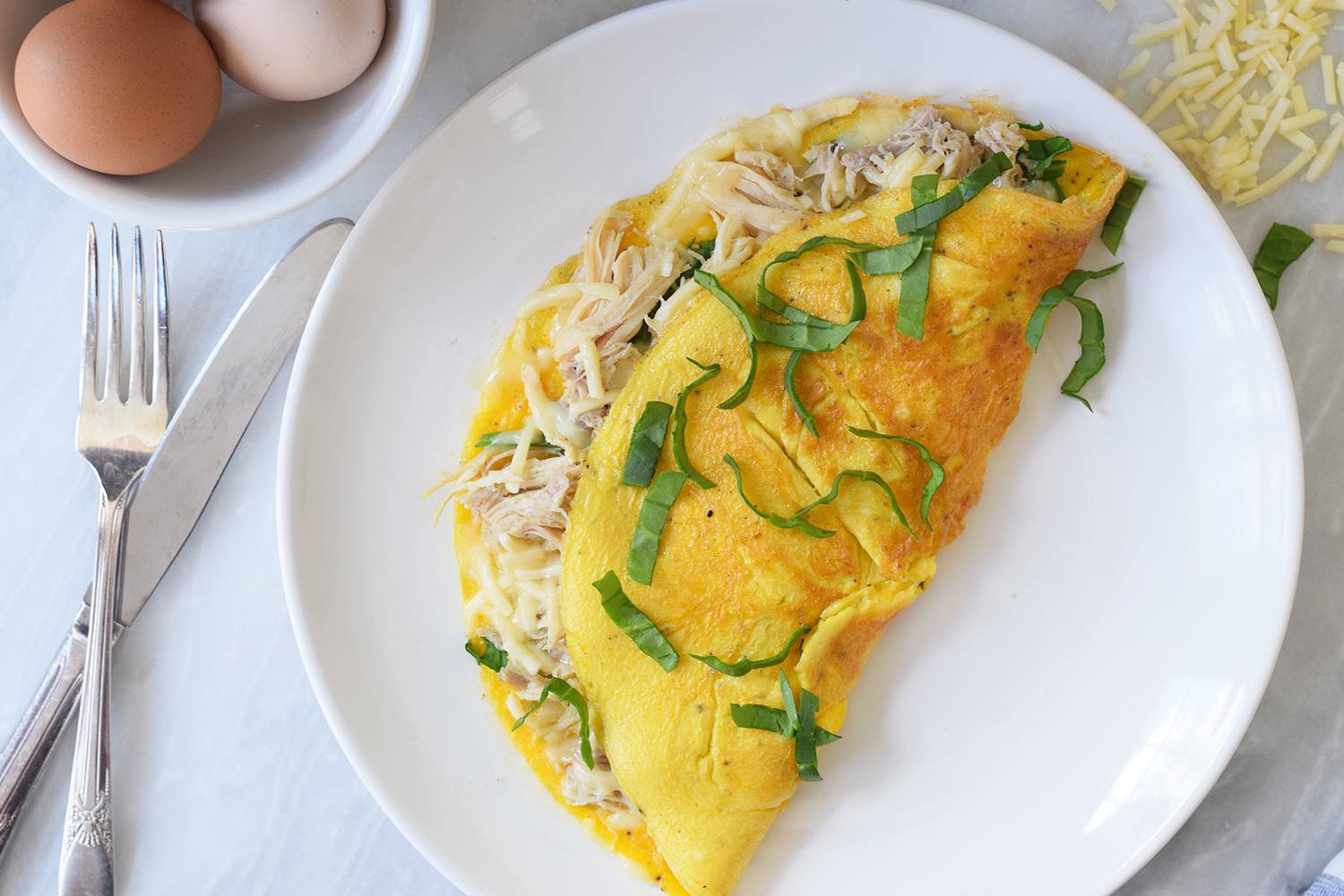

If you’ve ever stared into your fridge at leftover chicken and a carton of eggs and thought, “There has to be something more exciting than yet another chicken salad,” this chicken omelette recipe is your new best friend. It’s fast, budget-friendly, packed with protein, and feels fancy enough for brunch but simple enough for a Tuesday night dinner.
Inspired by classic diner-style omelettes and modern, veggie-filled versions from popular U.S. food blogs, this recipe walks you through how to get fluffy eggs, juicy chicken, and melty cheese in one golden, folded package. You’ll also get pro tips from omelette-obsessed cooks: how to beat your eggs (but not too much), exactly how hot your pan should be, and easy variations like Buffalo chicken, Greek-style, or dairy-free options.
Ready to turn leftover rotisserie chicken into a restaurant-level meal in under 15 minutes? Grab a nonstick skillet and let’s get cracking. Literally.
Why This Chicken Omelette Belongs in Your Regular Rotation
- High in protein: Eggs plus chicken means a filling meal that keeps you full for hours.
- Perfect for leftovers: Rotisserie chicken, grilled chicken, or last-night’s roast all work beautifully.
- Fast: With ingredients prepped, you can have this on the table in about 10–15 minutes.
- Flexible: Works for breakfast, lunch, or dinner, and takes well to all kinds of veggie add-ins.
- Beginner-friendly: You don’t need chef-level skills to make it look and taste impressive.
Ingredients You’ll Need
For One Generous Chicken Omelette
- 3 large eggs
- 2–3 tablespoons milk or water (optional, for slightly lighter eggs)
- Salt, to taste (start with about 1/4 teaspoon)
- Freshly ground black pepper, to taste
- 1–2 teaspoons butter or olive oil for the pan
For the Chicken Filling
- 1/3–1/2 cup cooked chicken, shredded or finely chopped (rotisserie, grilled, or baked)
- 2–3 tablespoons shredded cheese (Gruyère, mozzarella, cheddar, or a mix)
- 2–3 tablespoons chopped fresh spinach, bell pepper, tomato, or onions (optional but recommended)
- 1 teaspoon chopped fresh herbs like parsley, chives, or cilantro (optional)
Note: This recipe assumes your chicken is already cooked. Adding raw chicken to an omelette is a no-go: the eggs will overcook long before the chicken is safe to eat.
Optional Add-Ins and Swaps
- Dairy-free: Skip the cheese and use olive oil instead of butter.
- Low-carb / keto: Stick to non-starchy veggies (spinach, peppers, mushrooms, tomatoes).
- Extra indulgent: Add a spoonful of cream cheese or a bit more shredded cheese for a richer filling.
Step-by-Step: How to Make a Chicken Omelette
1. Prep the Chicken and Fillings
- Shred or chop the cooked chicken into small, bite-sized pieces so it heats quickly and doesn’t make bulky pockets.
- Chop veggies (spinach, tomatoes, onions, peppers) into small pieces. Smaller pieces cook faster and distribute better.
- Grate or shred the cheese so it melts quickly inside the omelette.
2. Beat the Eggs the Right Way
- Crack the eggs into a medium bowl.
- Add a pinch of salt and, if you like, a tablespoon or two of water or milk. Water gives more steam and can make the omelette lighter; milk adds a bit of richness.
- Beat with a fork until the yolks and whites are fully combined and slightly foamy. You want small bubbles, not a stiff, over-whipped foam. Over-aerating can make the texture spongy instead of tender.
3. Warm the Pan and Start the Eggs
- Place a nonstick skillet (8–10 inches for one omelette) over medium-low heat.
- Add butter or oil and swirl to coat the bottom.
- Pour in the beaten eggs and let them sit undisturbed for 10–20 seconds until the edges just begin to set.
- Using a silicone spatula, gently pull the cooked edges toward the center, tilting the pan so uncooked egg flows into the gaps. Repeat around the pan until most of the egg is lightly set but still a bit glossy on top.
4. Add the Chicken, Fill, and Fold
- Once the eggs are about 70–80% set, sprinkle the chicken and veggies evenly over one half of the omelette.
- Add the cheese and herbs over the chicken and veggies.
- Let everything sit for another 20–40 seconds so the cheese starts to melt and the chicken warms through.
- Use your spatula to gently fold the bare half of the omelette over the filling. Slide the omelette toward the edge of the pan, tilt it, and carefully transfer it onto a plate.
- Let it rest for a minute or two before cutting so the cheese can finish melting and the omelette sets just enough to slice cleanly.
Serve hot with toast, a small salad, or some crispy hash browns if you’re feeling like a diner hero.
Pro Tips for a Fluffy, Tender Chicken Omelette
- Medium-low heat is your friend: High heat browns and toughens eggs quickly. A slightly slower cook gives you soft, custardy eggs.
- Don’t overfill: Too much filling makes the omelette hard to fold and easy to rip. Aim for 1/3–1/2 cup chicken plus a small handful of veggies and cheese.
- Use pre-cooked chicken: This keeps the egg from overcooking while you wait for chicken to be done.
- Beat the eggs just enough: Mix until uniform and lightly foamy. You’re aiming for smooth, not whipped cream.
- Prep fillings first: Omelettes cook fast. Have everything chopped and ready before you pour eggs into the pan.
- Nonstick skillet + flexible spatula: This combo gives you the best chance at a clean fold and a tear-free omelette.
Flavor Variations You’ll Love
Buffalo Chicken Omelette
- Toss the cooked chicken with a spoonful of Buffalo wing sauce.
- Use cheddar or Monterey Jack cheese.
- Serve with a drizzle of ranch or blue cheese dressing on top.
Veggie-Loaded Chicken Omelette
- Add extra spinach, mushrooms, or finely diced zucchini.
- Use a lighter cheese like part-skim mozzarella.
- Top with salsa or sliced avocado instead of extra cheese for a fresher feel.
Greek-Inspired Chicken Omelette
- Swap the cheese for crumbled feta.
- Add chopped tomato, spinach, and a few sliced olives.
- Finish with a squeeze of lemon and a sprinkle of dried oregano.
Whole30 or Dairy-Free Chicken Omelette
- Skip the cheese entirely and use olive oil or ghee instead of butter.
- Load up on veggies, especially peppers, onions, and spinach.
- Serve with a spoonful of guacamole or sliced avocado for richness.
What to Serve With a Chicken Omelette
A chicken omelette is basically a complete meal, but a good side never hurt anyone. Try:
- Fresh fruit: Berries, melon, or orange slices balance the richness of eggs and cheese.
- Whole-grain toast or English muffin: Adds fiber and makes the dish feel more substantial.
- Simple side salad: Mixed greens with a light vinaigrette cut through the fat and brighten the plate.
- Hash browns or breakfast potatoes: For a classic diner-style breakfast.
Storing and Reheating Leftover Chicken Omelette
- Let the omelette cool to room temperature before storing.
- Transfer to an airtight container and refrigerate for up to 3 days.
- Reheat gently in a covered nonstick skillet over low heat, or in the microwave at 50% power in 30-second bursts until warmed through.
- If the omelette seems dry when reheated, serve it with salsa, a spoonful of yogurt or sour cream, or a drizzle of olive oil.
Nutrition Snapshot (Approximate)
Exact nutrition will depend on your portion sizes and ingredients, but a typical three-egg chicken omelette with cheese and a bit of spinach usually provides:
- High protein: Around 30–40 grams from eggs and chicken combined.
- Healthy fats: From eggs, oil or butter, and cheese (if used).
- Moderate calories: Enough to be a full meal, especially when served with a simple side.
- Micronutrients: B vitamins, choline, iron from eggs; plus vitamins A and C, and fiber from veggies.
Common Chicken Omelette Questions
Can I use raw chicken in an omelette?
No. Always use fully cooked chicken. Raw chicken takes much longer to reach a safe internal temperature than eggs, so your omelette would be overcooked and still unsafe to eat. Cook the chicken first, or use leftovers.
How many eggs should I use?
For one person, 2–3 eggs is ideal. Two eggs give a lighter breakfast; three make a more filling meal, especially when combined with chicken and veggies.
Do I have to add milk or water?
No. Some cooks like a tablespoon or two of liquid to make the omelette a touch lighter, but great omelettes can be made with just eggs, salt, and a bit of fat in the pan.
Can I make this ahead for meal prep?
Yes, but understand that freshly cooked omelettes have the best texture. For meal prep, you can pre-cook and season the chicken and chop all veggies in advance. Then you only have to beat the eggs and cook when you’re ready to eat.
What’s the best pan for a chicken omelette?
A nonstick skillet (8–10 inches) gives the smoothest, easiest experience, especially for beginners. A well-seasoned cast iron pan can also work, but nonstick makes the folding process much less stressful.
Real-Life Experiences & Ideas with Chicken Omelettes
Chicken omelettes show up in more everyday situations than you might expect. Many busy parents lean on them as a “fast but real” dinner when everyone is hungry and time is short. Leftover rotisserie chicken from the weekend becomes Monday night’s protein-packed omelette with spinach and cheese, and suddenly dinner is done in the time it would take to scroll a food delivery app.
College students and young professionals often discover chicken omelettes as a budget move. A carton of eggs and a pack of chicken breasts or a store-bought rotisserie bird stretch into multiple meals. Instead of plain scrambled eggs, a chicken omelette feels like a complete plate: protein, veggies, and a bit of cheese for comfort. It’s a smart way to eat well without complicated recipes or expensive ingredients.
Home cooks who meal prep also turn to chicken omelettes when they’re tired of the usual chicken-and-rice containers. Some will batch-cook chicken and chop vegetables on Sunday, then quickly cook a fresh omelette during the week. That way, the eggs are always soft and tender, but the prep work is already done. It’s a flexible system: one day the omelette is loaded with spinach and tomatoes, another day it becomes a Buffalo-style version with hot sauce and cheddar.
Families with kids sometimes use chicken omelettes as a low-pressure cooking lesson. Omelettes help children learn basic kitchen skillscracking eggs, whisking, stirring gently in a panwhile still being easy for adults to supervise. Each kid can choose their own filling: one might go for chicken, cheddar, and mild salsa, while another picks chicken, mozzarella, and a few hidden veggies. The dish turns into a customizable “egg taco” that makes picky eaters more willing to try new flavors.
Chicken omelettes also show up in healthier lifestyle changes. When people decide to cut back on processed foods or sugary breakfasts, this kind of high-protein, veggie-packed meal often becomes part of the rotation. It works well for those following low-carb or higher-protein eating patterns, especially when you swap out toast for fresh fruit or a simple salad. The beauty of the dish is that it feels indulgentmelty cheese, savory chicken, buttery eggswhile still being reasonably balanced.
For people who love brunch culture but don’t always want to eat out, chicken omelettes are a smart way to bring restaurant energy home. Making a tall stack of pancakes for a crowd is fun but time-consuming; flipping omelettes to order can be easier than it sounds once you get the hang of it. Set out bowls of different fillingschicken, peppers, onions, spinach, cheese, hot saucesand let each person “order” their custom combo. The cook becomes a one-person omelette bar, and everyone gets a plate that feels made just for them.
Even late-night snackers find a place for the chicken omelette. When you’re hungry after a long day and don’t want something heavy or overly processed, cracking two eggs and tossing in leftover chicken can be just right. It cooks fast, uses what you already have, and doesn’t leave you with a sink full of dishes. Over time, many home cooks develop their “signature” chicken omelette: the exact ratio of eggs to chicken, the favorite cheese, the one veggie that always makes it in.
In short, a chicken omelette isn’t just a recipeit’s a reliable format you can adapt to different moods, schedules, and health goals. Once you’ve mastered the basic technique of gentle heat, well-beaten eggs, and modest filling, you can turn almost any leftover chicken into a satisfying, fast, and surprisingly elegant meal.