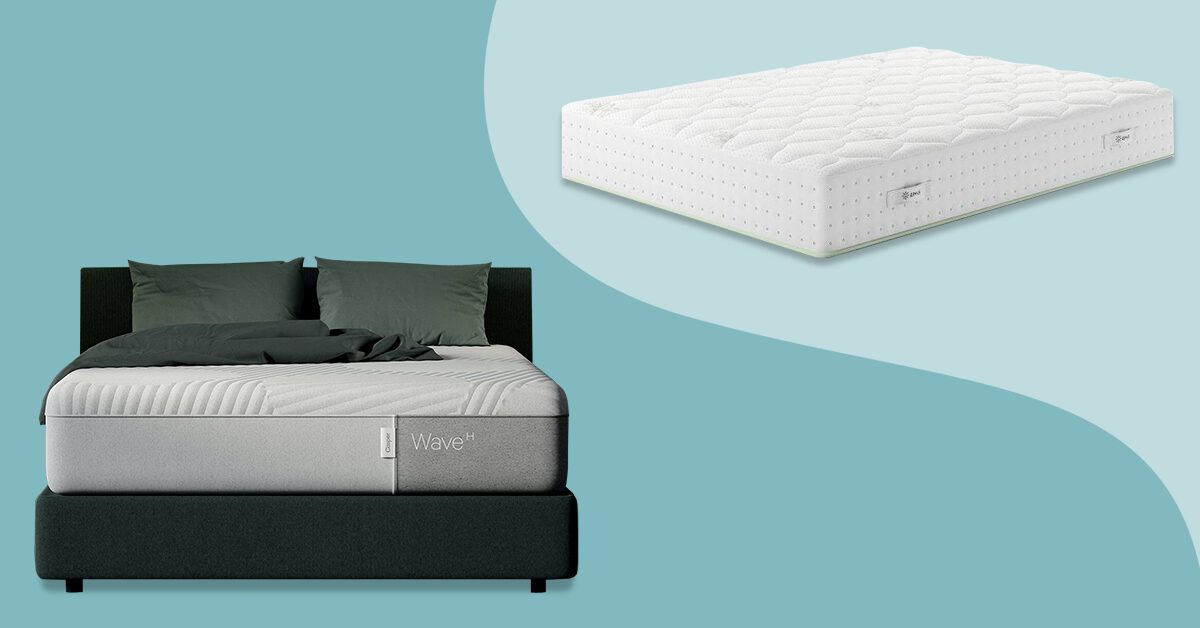

Buying a mattress online is a little like ordering a burrito you can’t unwrap for 100 nights: you think you know what you’re getting… until you’re three nights in and your lower back is filing a formal complaint. If you’re deciding between Casper and Zinus, you’re not alonethese are two of the most common “bed-in-a-box” names Americans compare when they want better sleep without turning mattress shopping into a part-time job.
Here’s the big picture: Casper tends to be the more “engineered,” polished optionmore consistent feel, stronger overall support (especially for back and combination sleepers), and a brand experience that feels premium. Zinus is the value champoften dramatically cheaper, widely available (especially online), and surprisingly comfy for the priceparticularly if you like a softer, huggy memory foam feel. But “cheap and cheerful” can also mean tradeoffs in edge support, temperature control, and long-term durability.
Quick Answer (Because You’re Busy and Your Current Mattress Isn’t)
- Buy Casper if you want a more balanced feel (less “stuck”), better all-around support, a more refined foam build, and a smoother brand-directed buying experienceespecially if this is your primary mattress for the next 7–10 years.
- Buy Zinus if your budget is tight, this mattress is for a guest room / first apartment / college setup, you love a classic memory-foam “sink-in” feel, or you’re okay upgrading sooner rather than later.
- If you’re heavier (roughly 230+ lbs), or you sleep hot, or you need strong edge supportlean Casper or a Zinus hybrid with more structure.
Brand Snapshot: What You’re Really Paying For
Casper in a nutshell
Casper built its reputation around thoughtfully tuned foam layers (often described as a “balanced foam” feel), zoning for spinal alignment, and a product lineup that aims to work for a wide range of sleepers. In plain English: Casper tries to feel supportive without feeling like a rock, and contouring without swallowing you whole.
Zinus in a nutshell
Zinus is known for budget-friendly mattresses (and furniture) that deliver a lot of comfort-per-dollar. Their best-known models are memory foam classics like the Green Tea line. When Zinus is good, it’s “Wait… this was under $500?” good. When it’s not, the complaints are usually about heat, edges, and how the mattress holds up after a few years.
Price & Value: The Real Casper vs. Zinus Gap
Let’s not pretend price doesn’t matterit’s literally why this comparison exists. Zinus mattresses commonly land in the low hundreds to mid hundreds for a queen depending on thickness and whether it’s all-foam or hybrid, with frequent sales. Casper typically sits higheroften mid hundreds to well over $1,000 for a queen depending on model (and it also runs frequent promotions).
Here’s a practical way to think about value: Zinus maximizes comfort today for the least money. Casper aims to maximize comfort today plus consistency and longevity. If you’re furnishing a guest room or your first place, Zinus is hard to beat. If you’re replacing a mattress you’ve hated for five years and you want to stop thinking about it for the next decade, Casper starts to make more sense.
Feel & Firmness: “Balanced Foam” vs. “Memory Foam Hug”
Casper feel: supportive, responsive, less sink
Many reviewers describe Casper’s flagship foam feel as more “on top” of the mattress than “in it,” with contouring that doesn’t trap you. Casper models also commonly use zoning (firmer support under the hips, gentler under shoulders) to help keep your spine alignedespecially useful for back sleepers and combination sleepers who roll around at night like they’re trying to find the TV remote in their dreams.
Zinus feel: classic memory foam, deeper contour, softer edges
Zinus, especially its popular all-foam lines, tends to deliver a more traditional memory foam experience: slower response, more body-hug, and a cushier first impression. That can feel amazing for side sleepers who want pressure relief at the shoulders and hipsparticularly lighter and average-weight sleepers. The downside is that some people feel “stuck,” and edge areas can compress more.
Real-life examples by sleeping position
- Side sleepers: If you’re lighter to average weight and love plush contour, Zinus can feel cozy and pressure-relieving. If you want pressure relief but also steadier support (less saggy over time), Casper often wins.
- Back sleepers: Casper’s zoning and more balanced support generally works better for keeping hips from dipping. Zinus can work if you pick a firmer option, but softer models may feel unsupportive in the lumbar area.
- Stomach sleepers: Casper is usually the safer bet because it’s less likely to let your midsection sink. Many Zinus foam models can feel too soft here unless you’re lighter and choose a firmer build.
- Combination sleepers: Casper’s easier movement is a plus. If you switch positions a lot, the “slow melt” of some Zinus foams can feel like quicksandcomfortable quicksand, but still.
Cooling & Temperature: Who Sleeps Hotter?
Foam mattresses have a reputation for sleeping warm (foam is cozy; physics is rude). Both brands offer cooling featuresbreathable covers, gel infusions, airflow channels, hybrid optionsbut performance varies by model.
Casper generally targets a more breathable, airy feel in its foam designs, and its “cooling” models are built specifically for hot sleepers. Zinus often includes gel memory foam or infused foams (like green tea/charcoal in some models) and offers cooling-focused versions, but budget foam can still trap heatespecially if you use a thick mattress protector and flannel sheets (a.k.a. “the sleep sauna starter kit”).
Motion Isolation, Edge Support, and… Let’s Call It “Mattress Acrobatics”
Motion isolation (good for couples)
All-foam mattresses usually isolate motion well, and both brands score points here. If you’re sharing a bed with someone who wakes up when a cat blinks two rooms away, foam can be a relationship saver. Casper’s balanced foam often gives strong motion control while still being easier to move on, while Zinus can be very quiet and stillsometimes at the cost of responsiveness.
Edge support (sitting, tying shoes, not rolling off)
Edge support is where many budget all-foam beds struggle. With Zinus, edge compression is a common tradeoffespecially on softer models. Casper tends to do better overall, and hybrid builds (from either brand) usually improve edges thanks to coils and reinforced perimeter structure.
Responsiveness (for moving around)
If you like a mattress that “meets you halfway” when you change positions, Casper is typically the easier mover. Zinus can feel slower and deepergreat for cuddly pressure relief, less great if you hate that stuck-in-foam sensation.
Durability & Sagging: Who’s More Likely to Age Gracefully?
This is the part where the price difference shows up over time. Higher-quality foams and more deliberate construction generally hold up betterespecially for heavier sleepers and couples. Casper positions itself as a longer-term purchase and backs that with a decade-long warranty standard in the category.
Zinus can absolutely last several years (and many owners are happy), but durability feedback is more mixedpartly because “Zinus” covers a huge range of models and thicknesses, and partly because budget foams can soften sooner. If you’re looking for the best odds of “still feels good in year 7,” Casper is typically the safer wager.
Sleep Trial, Returns, and Warranty: Read This Before You Click “Buy”
Casper policies (common U.S. direct-to-brand experience)
Casper typically offers a 100-night trial for mattresses purchased through Casper, with returns that are described as free and straightforward after an initial adjustment period. Their mattress warranty is commonly 10 years and includes specific standards for what counts as a defect (for example, measurable indentations beyond a stated threshold).
Zinus policies (direct vs. third-party matters)
Zinus advertises a 100-night home trial and a 10-year warranty when you buy directly from Zinus. If you buy through a third-party marketplace (like Amazon or big-box retailers), the return and trial experience may follow the seller’s rules instead of Zinus’sso it’s smart to double-check before purchasing.
Pro tip: If you’re the kind of person who wants maximum trial protection, buying direct from the brand is often the cleanest path. If you’re bargain hunting through a marketplace, screenshot the return terms on the day you buy. Future You will thank Present You.
Materials, Certifications, and the “Fiberglass Question” (Yes, We’re Going There)
Both brands commonly market CertiPUR-US certified foams (a widely used certification focused on certain emissions and materials standards), and some Zinus models also highlight textile certifications like OEKO-TEX. These aren’t magic shields against every problem, but they’re useful signals for shoppers who care about certain chemical and emissions benchmarks.
Fiberglass: what shoppers should know
Fiberglass has been used in some mattresses (particularly in budget categories) as part of fire safety barriers. The risk issue isn’t “sleeping on it” so much as what can happen if a cover is removed or damaged and fibers escapesomething that has been the subject of consumer warnings and lawsuits in the broader industry. Zinus has been one of the most discussed brands in this context historically, and more recent coverage and listings indicate certain newer models are marketed as fiberglass-free.
Practical, non-alarmist advice: Don’t remove or unzip a mattress cover unless the label explicitly says it’s removable and washable. Use a mattress protector. If you’re concerned, look for listings or specs that explicitly state “fiberglass-free,” and verify via the law label on arrival. If you’re buying used, be extra carefulbecause you don’t know how the previous owner treated the cover.
Which One Fits Your Life? Shopper “Profiles”
Choose Casper if you are…
- A back or combination sleeper who wants balanced support and easier movement.
- Someone who keeps mattresses longer and wants more consistency year over year.
- Sharing a bed and you care about motion control plus decent edge stability.
- Willing to pay more to reduce the odds of “Why does my mattress feel tired already?”
Choose Zinus if you are…
- Budget-focused and want a comfortable mattress without the premium price tag.
- Outfitting a guest room, kids’ room, rental, or a “good enough for now” setup.
- A side sleeper who loves a plush, memory-foam hug (especially in thicker models).
- Okay upgrading sooner if comfort changes after a few years.
Casper vs. Zinus: Side-by-Side Comparison Table
| Category | Casper | Zinus |
|---|---|---|
| Typical Price | Mid to premium | Budget to mid |
| Feel | Balanced foam, more responsive | Classic memory foam hug (often slower response) |
| Best For | Back/combination sleepers; long-term value | Budget shoppers; guest rooms; side sleepers who like plush |
| Motion Isolation | Strong (varies by model) | Often very strong (all-foam especially) |
| Edge Support | Generally better; hybrids improve further | Often weaker on all-foam; hybrids improve |
| Cooling | Better on average; dedicated cooling lines available | Varies widely; budget foam may trap heat |
| Durability | Typically stronger long-term consistency | More mixed; depends heavily on model and thickness |
| Trial & Warranty | Commonly 100-night trial, 10-year warranty (direct) | 100-night trial, 10-year warranty (direct; third-party varies) |
Final Verdict: Which Should You Buy?
If you want the simplest recommendation: Casper is the safer “main mattress” pick for most sleepers who can afford it. The feel is more universally appealing, support tends to be more consistent, and it’s designed for the long haul. Zinus is the smarter “value” pick if you need comfort on a budget, you’re furnishing a secondary space, or you’re okay with potentially replacing it sooner.
The best move is matching the mattress to your use case: if it’s for your everyday sleep, your back health, and the next decade of morningsCasper earns its keep. If it’s for a guest room, starter home, or “I’d rather spend the difference on literally anything else” budgetZinus can be a win.
Real-World Experiences: What Buying Casper vs. Zinus Feels Like (500+ Words)
Let’s talk about the part reviews don’t always capture: the experience. Not “lab-tested pressure maps” (useful!) but the lived reality of being a human who owns a rectangle of foam the size of a small canoe.
1) The unboxing moment: “This can’t possibly become a mattress… right?”
With either brand, your first experience is the same: a suspiciously compact box arrives, and you wonder if you accidentally bought a very large loaf of bread. Zinus tends to feel more “DIY warehouse magic”you drag the box inside, slice the plastic carefully, and watch it inflate like a sleeping bag that just got promoted to full-time mattress. Casper’s unboxing is similar, but the vibe is usually more polished: clearer instructions, more “brand voice,” fewer moments where you stare at the packaging like it’s about to ask you to build a bookshelf with one Allen key and blind optimism.
2) The first-night feel: “Cloud” vs. “support with manners”
Many Zinus buyers report that immediate comfort can be shockingly good for the moneyespecially if they like that slow-sinking memory foam feel. It’s the mattress equivalent of putting on a hoodie fresh from the dryer. Cozy. Conforming. A little clingy. Casper often feels more balanced: you still get cushioning, but it’s less likely to feel like the mattress is hugging you back a little too hard. If you change positions a lot, Casper’s “easier movement” can feel like a small luxury every nightlike upgrading from a sticky swivel chair to one that actually swivels.
3) The “heat check” at 2:17 a.m.
If you sleep hot, this is where people start forming strong opinions. A budget foam bed can feel warmer, especially with thicker foam and less airflow. Zinus models vary: some sleepers say they’re fine, others end up doing the midnight blanket kick and negotiating a peace treaty with their sheets. Casper’s higher-end designs and cooling-focused options tend to get more consistent praise for temperature controlthough no foam mattress is immune if you pair it with heat-trapping bedding. (If your comforter is basically a portable sauna, no mattress can save you.)
4) The “edge life”: sitting, scrolling, and existential dread
Real life includes sitting on the side of the bed to put on socks while doomscrolling. Casper generally feels sturdier at the edges, so you’re less likely to feel that “tilt toward the abyss.” With many Zinus all-foam models, edges can compress morefine if you sleep centered, annoying if you sprawl or share a smaller size. Some Zinus hybrids improve this, which is why a hybrid can be a smart middle ground when you want Zinus pricing but need more structure.
5) The return-policy reality: buying direct vs. marketplace roulette
This is where shoppers’ stories diverge. When you buy direct from either brand, policies are usually clearer and the process more standardized. When you buy through a marketplace seller, experiences can range from “easy return” to “please print these 14 labels and schedule a pickup during the next lunar eclipse.” Many experienced shoppers treat mattresses like they treat airline tickets: the brand matters, but the seller and terms matter just as much. Screenshot the policy, keep your order confirmation, and give the mattress a fair trial period before judging ityour body needs time to adjust.
Bottom line on experiences: Zinus often delivers a delightful “how is this so comfortable for this price?” first impression, especially for side sleepers and budget buyers. Casper tends to deliver a steadier, more consistent long-term relationshipless dramatic, more dependable. And honestly? The best mattress is the one that makes you wake up without hating your spine. Romance is nice, but spinal alignment is hotter.