
Somewhere between “I don’t have time for this” and “Why did no one text me back?” a funny thing happens:
a lot of us wake up in midlife and realize our social circle has…shrunk. We have coworkers, neighbors,
group chats, maybe a book club we attend every other blue moonbut real friends, the ones who
know our history and still like us? Those can feel surprisingly rare.
Brooke Shields knows that feeling. After growing up in front of cameras, starring in everything from
Blue Lagoon to a guest role on Friends, she still found herself in her 50s realizing that
the friends who truly saw her were the ones she’d chosen carefully later in life. Her recent memoir,
Brooke Shields Is Not Allowed to Get Old: Thoughts on Aging as a Woman, and the conversations
she’s had while promoting it shine a bright, funny, and surprisingly practical light on what it means to
find real friends when you’re no longer the youngest person in the room.
The good news? Real friendship is absolutely still on the table at 40, 50, 60, and beyond. In fact, research
suggests that high-quality friendships in adulthood are one of the strongest predictors of emotional and even
physical well-being. And as Brooke’s story shows, sometimes the friendships
that arrive later are the ones that fit us best.
Brooke Shields’ Midlife Friendship Plot Twist
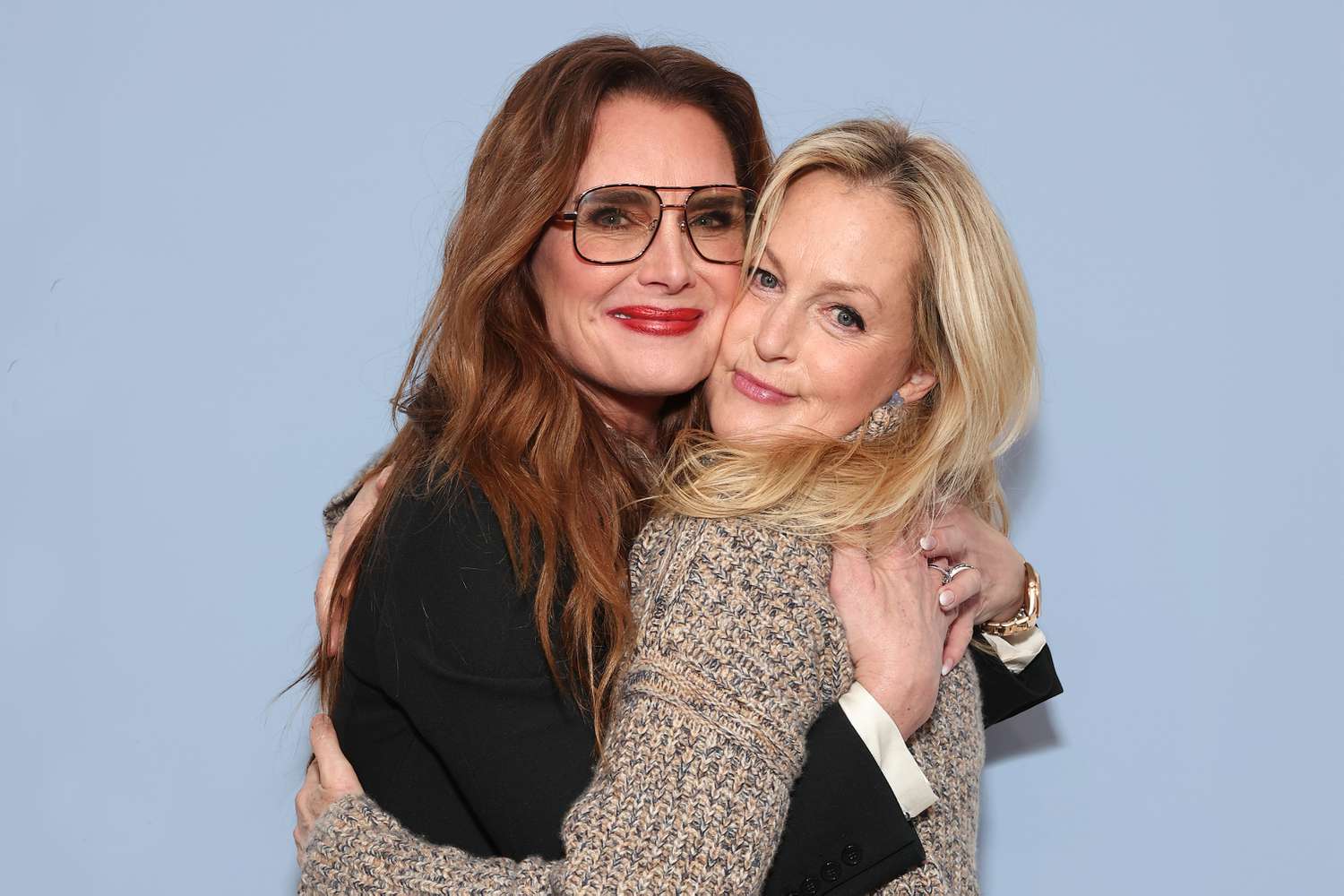
In an excerpt from her memoir, Brooke shares how she became close with comedian and writer Ali Wentworth.
She wasn’t a childhood bestie or a college roommatethey truly connected when Brooke was around 50. After
watching Ali’s show Nightcap, Brooke did something a lot of us would be too shy to try: she wrote
a basically cold email saying, “You don’t really know me, but I think you’re brilliant and I’d love to work
with you.”
That message did more than land her a spot on a TV show. It cracked open the door to a genuine friendship
one built not on childhood proximity or shared homeroom but on mutual respect, chemistry, and the courage
to reach out. Brooke has said that in her 50s, she feels she has fewer friends, but the ones she does have
are deeper, more intimate, and far more aligned with who she is now, not just who she was as a teen model
or young actress.
At events and in interviews, she’s also talked about the “power of female friendships” in midlifehow
sharing stories about parenting, aging, health, and work with other women has helped her feel grounded
and excited about this chapter instead of dreading it.
It’s Not the Number of FriendsIt’s the Depth
One of Brooke’s biggest realizations mirrors what psychologists see in the data: our friend list usually
gets shorter with age, but the friendships that remain (or that we intentionally create) are often richer.
Large surveys and longitudinal studies find that what really matters for adult happiness isn’t how many
friends we haveit’s whether we feel understood, supported, and emotionally safe with the ones we do have.
Brooke puts it simply: her friends help keep her aliveemotionally and, she believes, literally. She’s
described time with friends as an act of self-love, saying that she often leaves those hangouts knowing
herself a little better or remembering something she actually likes about herself, reflected back through
their eyes.
Why Finding Real Friends Later in Life Feels So Hard
If you’ve ever tried to make a new friend after 30, you know the struggle. Everyone is busy, tired, or
drowning in logistics. Social science backs this up: work and caregiving demands, moves, divorces, and
shifting routines mean our twenties friendship patterns just don’t work anymore.
On top of that, we’re living through what some researchers call a “friendship recession.” U.S. surveys show
that the share of adults reporting no close friends has risen dramatically compared with the 1990s,
while the number of people with large friendship networks has dropped.
And yet, the benefits of friendship only get more important with age. Strong, supportive connections are
linked with lower stress, better immune function, and even longer life span. Studies of “Blue Zones,” where
people often live into their 90s and beyond, consistently find that community ties and close friendships
are major ingredients in that longevity recipe.
So yes, making friends in midlife is harderbut it’s also more meaningful. You’re not just looking for
someone to split a pizza with; you’re looking for people you can text from the doctor’s waiting room or
celebrate your kid’s graduation with. That’s a different level of connection.
Brooke’s Unofficial Playbook for Finding Real Friends Later in Life
Brooke doesn’t walk around handing out laminated rules for making friends (though honestly, that would sell),
but if you listen to her interviews and read her memoir, a few clear principles show up again and again.
1. Be Brave Enough to Go First
That email she sent to Ali Wentworth? That was a risk. She could have gotten no reply, a polite brush-off,
or just ghosted. Instead, she led with admiration and a genuine desire to collaborateand it opened the door
to a friendship that has become part of her inner circle.
Most of us wait to be chosen by a friend group that already exists. Brooke’s story is a reminder: sometimes
you have to be the one to say, “Hey, I think you’re greatwant to get coffee?”
2. Let People See the Real You
In one conversation about reinventing herself and making friends, Brooke emphasized that if we want real
friends, we have to be willing to show who we really areeven the needy, messy, or uncertain parts. That
means being vulnerable and, yes, sometimes asking for help.
That might look like admitting you’re lonely, confessing you don’t know what you’re doing with your career
right now, or being honest about health challenges instead of slapping on a “I’m fine!” smile.
3. Prioritize Quality Over Quantity
Brooke has talked about noticing she had fewer friends as she got olderbut also recognizing that the level
of trust and intimacy in those friendships had gone up. She’s not chasing a big squad;
she’s investing in a small, solid crew.
The research agrees: one or two close, emotionally supportive friendships can do more for your well-being
than a dozen casual acquaintances you only see at big group dinners.
4. Build Friendship into Your Actual Schedule
It’s romantic to imagine friendships just “happening,” but grown-up life runs on calendars. Studies of how
people spend time show that almost every activity feels more enjoyable when we do it with others, from
errands to workouts to just sitting around.
Brooke models this in a highly public way with her podcast, Now What? with Brooke Shields, where
she regularly sits down for deep conversations about failure, reinvention, and resilience. That kind of
intentional, scheduled connection is friendship fuelwhether you’re hosting a podcast or just planning
a monthly brunch.
Signs You’ve Found a “Real Friend” in Midlife
How do you know if a new connection is worth rearranging your calendar for? Brooke’s experiencesand a lot
of friendship researchpoint to a few green flags.
-
They’re genuinely happy for your wins. Not just “like the post” happyremember the details happy.
They celebrate your promotion, your creative project, or your decision to finally take a solo trip. -
They show up for the unglamorous stuff. Doctor appointments, kid drama, aging parents, bad hair days
real friends aren’t just here for the premieres; they’re here for the waiting rooms. -
You can disagree without it detonating the friendship. In midlife, people have fully formed opinions.
Real friends can say, “I see it differently, but I still love you.” -
There’s reciprocity. You’re not always the therapist, and you’re not always the one being rescued.
You take turns leaning on each other. -
You feel more like yourself after spending time together. Brooke has said she often leaves time
with friends knowing more about herself or remembering something she likes about who she is. That’s the
kind of emotional mirror a real friend holds up.
Practical Ways to “Do a Brooke” and Find Real Friends Later in Life
You don’t need a memoir or a red-carpet invite to reboot your social life. Here are some Brooke-inspired,
research-backed moves you can try this year.
-
Send your version of the “Ali Wentworth email.” Reach out to someone you admirea colleague, someone
from your gym, another parent, the person who always makes you laugh in meetings. Compliment something
specific and suggest a coffee, walk, or Zoom chat. -
Leverage existing spaces more intentionally. If you’re already at PTA, work events, volunteer shifts,
or faith/community gatherings, pick one person to talk to more deeply each time instead of floating in
small talk. -
Give friendships time to marinate. Adult friendships tend to grow slowly. Researchers estimate it can
take dozens of hours together to move from acquaintance to real friendso don’t write someone off because
the first coffee was slightly awkward. -
Be the planner (even if you’re tired). Studies suggest we consistently underestimate how happy social
time will make us. Schedule a standing monthly hang, walk-and-talk, or book-and-wine night. -
Protect your energy. Just because you’re open to new friends doesn’t mean everyone gets a backstage
pass to your life. Like Brooke, aim for fewer but better: people who feel safe, kind, and genuinely
supportive.
Real-Life Experiences: What Finding True Friends Later in Life Really Feels Like
On paper, “make new friends in your 50s” sounds like a project with color-coded tabs and a three-month
timeline. In real life, it’s messier, funnier, and more humanexactly the territory Brooke Shields tends
to live in.
Imagine this: you’re 52, your kids are suddenly more interested in their own lives than in your Friday-night
plans, and you realize you’ve spent the last decade scheduling everyone else’s social calendar but your own.
You know parents from youth sports and coworkers from endless Zoom calls, but you haven’t had a soul-nourishing
conversation that wasn’t interrupted by someone yelling “We’re out of cereal!” in months.
So you decide to try something Brooke-style bold. You email the funny person from your Pilates class:
“You always make me laugh; I’d love to grab coffee sometime and hear more about your dog / job / escape plan
from laundry.” Your finger hovers over “send” for a full minute. Your brain plays the greatest hits:
They’ll think I’m weird. They’re too busy. I should just be grateful for the friends I had in college.
Then you send it anyway.
A day later, they reply: “I’ve been wanting more local friends toohow about Saturday?” Suddenly, there’s
a tiny crack in the wall of midlife isolation. One coffee becomes a walk, then a double-family game night,
then a person you text when your doctor calls with confusing lab results. That’s how real adult friendship
often startsnot with instant best-friend chemistry, but with one small act of bravery followed by another.
Another story: maybe you reconnect with someone from your past. You notice an old college friend posting
about caring for an aging parent, and you send a quick DM: “Hey, I’m going through something similar. Want
to talk?” It leads to a long phone call filled with dark humor, honest tears, and the comfort of realizing
that yes, someone else gets it. You hang up thinking, Why did I wait ten years to call her?
These little moves might feel small, but they line up with what friendship research and real-world stories
both say: meaningful connections usually grow out of repeated, honest contactnot grand gestures. The more
often you show up as your unedited self, the more you attract people who are relieved to do the same.
Brooke’s own friendships reflect that arc. She’s talked about how friendships have helped carry her through
postpartum depression, career ups and downs, and the complicated reality of raising daughters in a very
public world. She doesn’t claim to have a perfectly curated “friend squad”; instead, she honors the people
who show up again and again, especially when life is not Instagram-ready.
And that’s a powerful reframe for anyone feeling late to the friendship party. Finding real friends later
in life isn’t a consolation prize; it’s a sign that you’re choosing more intentionally now. You’re no longer
bonding just because you sat next to each other in chemistryyou’re bonding because you share values,
worldviews, and a similar ability to laugh at life’s chaos.
Maybe the most Brooke-Shields way to approach friendship is this: treat it like an ongoing, imperfect,
sometimes hilarious experiment. There will be awkward brunches, unanswered texts, and people who never move
past the “we should get together sometime” stage. But there will also be the friend who brings soup when
you’re sick without asking, the one who texts you screenshots of your own strengths when you’re spiraling,
and the one who says, “You’re not oldyou’re just getting more interesting.”
Real friends later in life don’t erase the loneliness or the hard days. But like Brooke Shields, you might
look around one nightmaybe at a small dinner, maybe on a group chat after a long dayand realize: these
are my people. I chose them, they chose me, and we’re building something real right here, in the middle
of everything.
SEO JSON