
Note: This article is for general educational purposes and should not replace medical advice from a qualified healthcare professional.
Bronchoscopy sounds like one of those words invented by a committee of doctors who had never met a simple syllable they liked. But the idea behind it is surprisingly straightforward: it is a medical procedure that lets a doctor look inside the breathing tubes of the lungs. Think of it as a tiny guided tour of the airways, only instead of a tourist holding a camera, it is a trained pulmonary specialist using a thin tube called a bronchoscope.
A bronchoscopy can help diagnose lung problems, collect samples, remove blockages, investigate abnormal imaging results, and sometimes treat airway conditions during the same visit. It is commonly performed by a pulmonologist, a doctor who specializes in lung and breathing disorders. For many people, the procedure is outpatient, meaning they go home the same day after a short recovery period.
Still, it is completely normal to feel nervous before a bronchoscopy. The lungs are not exactly a casual neighborhood to visit. The good news is that modern bronchoscopy is usually well tolerated, carefully monitored, and designed to be as comfortable as possible. This guide explains what bronchoscopy is, why doctors use it, what happens before and during the procedure, possible risks, recovery tips, and real-world experiences that can help patients feel more prepared.
What Is a Bronchoscopy?
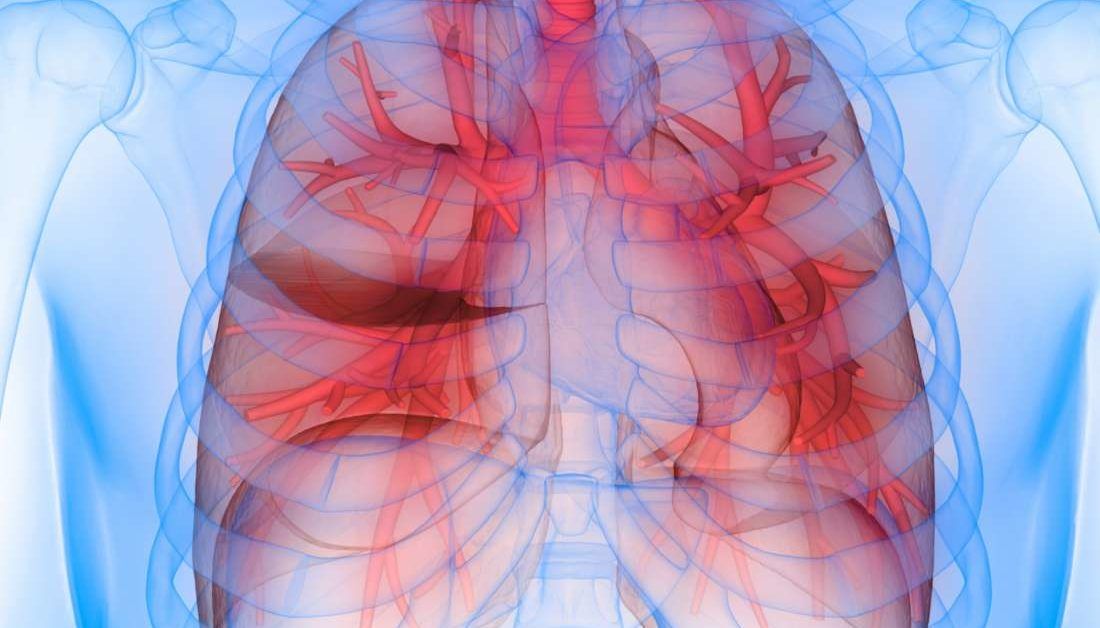
Bronchoscopy is a procedure used to examine the airways, including the throat, voice box, trachea, and larger breathing passages that lead into the lungs. During the test, a bronchoscope is inserted through the nose or mouth and gently guided down into the airways. The instrument has a light and camera so the healthcare team can see the inside of the lungs on a monitor.
There are two main types of bronchoscopy: flexible bronchoscopy and rigid bronchoscopy. Flexible bronchoscopy is the most common. It uses a thin, bendable scope and is often performed with local numbing medicine and sedation. Rigid bronchoscopy uses a straight, firm scope and usually requires general anesthesia. It is more often used when a doctor needs to remove a large object, control bleeding, open a narrowed airway, or perform certain advanced treatments.
Why Is Bronchoscopy Done?
A doctor may recommend a bronchoscopy when symptoms, imaging tests, or lab results suggest that something inside the lungs or airways needs a closer look. Chest X-rays and CT scans are helpful, but they can only show so much from the outside. Bronchoscopy gives the medical team a direct view, which can be valuable when the lungs are sending mysterious signals.
Common Diagnostic Uses
Bronchoscopy may be used to investigate a persistent cough, unexplained wheezing, coughing up blood, recurring pneumonia, abnormal chest imaging, suspected lung cancer, airway narrowing, lung infections, or inflammation. It may also help evaluate a lung nodule, a mass, swollen lymph nodes near the lungs, or changes seen after lung surgery or transplant.
During diagnostic bronchoscopy, the doctor may take samples. These can include mucus, fluid, cells, or tiny pieces of tissue. A bronchoalveolar lavage, often called BAL, involves washing a small area of the lung with sterile fluid and suctioning it back for testing. This can help identify infections, inflammatory lung diseases, or other conditions. Biopsies and brushings may be used when doctors need tissue or cell samples for closer examination under a microscope.
Therapeutic Uses
Bronchoscopy is not only for diagnosis. It can also be used to treat certain airway problems. For example, a doctor may remove mucus plugs, clear foreign objects, suction secretions, control minor bleeding, place a stent to keep an airway open, widen a narrowed airway, or remove abnormal tissue that is blocking breathing passages.
In advanced centers, bronchoscopy may be combined with technologies such as endobronchial ultrasound, robotic-assisted bronchoscopy, navigation systems, or specialized tools for treating airway tumors and strictures. These newer approaches can help doctors reach areas that were once difficult to sample without more invasive surgery.
How to Prepare for a Bronchoscopy
Preparation usually begins with a conversation. Your healthcare team will ask about your medical history, current medications, allergies, past reactions to anesthesia, bleeding problems, heart or lung conditions, and whether you take blood thinners. This is not the time to be shy. If you take aspirin, warfarin, clopidogrel, apixaban, rivaroxaban, supplements, or herbal products, mention them. Even “natural” products can sometimes affect bleeding risk.
Most patients are asked not to eat or drink for several hours before bronchoscopy. The exact timing depends on the facility, the type of anesthesia, and your medical situation. You may also be told which medicines to take or hold on the day of the procedure. People with diabetes, heart disease, sleep apnea, or severe breathing problems may receive special instructions.
Because sedation or anesthesia can slow your reflexes, you will usually need someone to drive you home. This is one of the most important instructions and also one of the easiest to underestimate. After bronchoscopy, you may feel awake enough to argue that you are perfectly fine, but your reaction time may disagree. Let someone else handle the steering wheel.
What Happens During the Procedure?
On the day of the bronchoscopy, you will typically check in, change into a gown, and have your vital signs measured. An IV may be placed so the team can give medication. Monitors may track your oxygen level, heart rate, blood pressure, and breathing. Supplemental oxygen may be provided during the procedure.
The healthcare team may spray or apply numbing medicine to your nose, mouth, or throat. This can taste bitter and may make your throat feel thick or strange for a while. Sedation is commonly used so you feel relaxed and may not remember much. Some bronchoscopies require deeper anesthesia, especially rigid bronchoscopy or more complex procedures.
The bronchoscope is then passed through the nose or mouth, down the throat, through the vocal cords, and into the airways. You may feel pressure or the urge to cough, but the team works carefully to keep you comfortable. The doctor examines the airway lining and may collect samples, suction mucus, perform a lavage, take a biopsy, or use other tools depending on why the bronchoscopy was ordered.
The procedure itself may take about 30 to 60 minutes, although the total appointment often takes longer because of preparation and recovery. If the bronchoscopy includes advanced sampling, ultrasound guidance, robotic navigation, or treatment, it may take more time.
Bronchoscopy Results: What Can It Find?
Bronchoscopy can reveal several types of problems. A doctor may see swelling, irritation, bleeding, abnormal growths, narrowing, infection-related secretions, airway collapse, scar tissue, or a foreign object. Sometimes the airways look normal, which can also be useful information.
Some results are available right away because the doctor can describe what was seen during the procedure. Other results take longer. Samples sent to a laboratory may need cultures, pathology review, special stains, or molecular testing. Infection cultures may take days, and cancer-related testing can take longer depending on the laboratory work needed.
After the results are complete, your healthcare provider will explain what they mean and what the next steps should be. This may include medication, follow-up imaging, another procedure, referral to a specialist, or simply monitoring if the findings are reassuring.
Risks and Possible Side Effects
Bronchoscopy is generally considered safe, but every medical procedure has possible risks. Most side effects are mild and temporary. Common short-term effects include sore throat, hoarseness, cough, nasal irritation, mild fever, grogginess, or small streaks of blood in mucus, especially if a biopsy was taken.
More serious complications are uncommon but possible. These include bleeding, infection, low oxygen levels during the procedure, breathing difficulty, airway irritation, abnormal heart rhythm, reaction to sedation or anesthesia, and pneumothorax, also known as a collapsed lung. Pneumothorax is more likely when a biopsy is taken from deeper lung tissue, but it is still considered uncommon.
Your personal risk depends on your health, the reason for the bronchoscopy, the type of procedure, and whether tissue samples or treatments are performed. People with severe heart disease, advanced lung disease, low oxygen levels, bleeding disorders, or certain infections may need extra evaluation before the procedure.
Recovery After Bronchoscopy
After the bronchoscopy, you will be monitored while the sedation wears off. Nurses or other team members will check your breathing, oxygen level, heart rate, and blood pressure. Your mouth and throat may remain numb for a few hours, so you should not eat or drink until your gag reflex returns. This rule exists for a good reason: swallowing while numb can increase the chance of choking or aspiration. Your throat may feel offended by this delay, but your lungs will appreciate the caution.
Once you are cleared to drink, you may start with small sips of water and then move to soft foods if tolerated. Soup, applesauce, yogurt, and warm drinks can be easier on the throat. Avoid alcohol, driving, important decisions, and operating machinery for the period recommended by your care team, often the rest of the day after sedation.
What Is Normal After Bronchoscopy?
It is common to have a sore throat, mild cough, hoarse voice, fatigue, or a small amount of blood-streaked mucus. These usually improve within a day or two. Some people feel sleepy for the rest of the day. If a biopsy was done, your doctor may give more specific instructions about activity, medications, and what symptoms to watch for.
When to Call a Doctor
Call your healthcare provider promptly if you develop chest pain, worsening shortness of breath, heavy bleeding, fever that does not improve, chills, severe weakness, fainting, or coughing up more than a small amount of blood. Also seek medical help if your symptoms feel unusual or rapidly worse. Recovery should generally move in the direction of better, not “why does my chest feel like it joined a marching band?”
Flexible vs. Rigid Bronchoscopy
Flexible bronchoscopy is used most often because it is less invasive and can reach many areas of the airway. It is commonly used for diagnosis, lavage, biopsy, and mild therapeutic work. It can often be done in a procedure suite with sedation.
Rigid bronchoscopy is less common but very important in certain situations. Because the rigid scope is wider and more stable, it can be useful for removing large foreign objects, managing significant bleeding, placing stents, or treating major airway obstruction. It usually happens in an operating room under general anesthesia.
Who Performs a Bronchoscopy?
Bronchoscopy is usually performed by a pulmonologist, interventional pulmonologist, thoracic surgeon, or another physician trained in airway procedures. The team may include nurses, respiratory therapists, anesthesia professionals, technicians, and laboratory specialists. In complex cases, the procedure may involve cancer specialists, infectious disease doctors, or surgeons as part of a broader care plan.
How to Feel More Prepared
One of the best ways to reduce anxiety is to ask specific questions before the procedure. Useful questions include: Why do I need this bronchoscopy? Will I have sedation or general anesthesia? Will you take a biopsy? How long should I plan to be at the facility? Which medications should I stop or continue? When will I get results? What symptoms should make me call after I go home?
Write your questions down before the appointment. Medical waiting rooms have a magical ability to erase perfectly good questions from your brain. A written list helps you leave with the information you need rather than remembering your most important question while sitting in the parking lot.
Patient Experiences: What Bronchoscopy Can Feel Like in Real Life
Every bronchoscopy experience is different, but many patients describe the same emotional pattern: nervous before the procedure, surprised by how little they remember during it, and relieved afterward. The anticipation often feels bigger than the actual test. That does not mean the procedure is “nothing,” but it does mean the unknown can be the loudest part of the experience.
Before bronchoscopy, patients often worry about breathing while the scope is in place. This is understandable. Breathing is one of those activities humans strongly prefer to keep uninterrupted. In most flexible bronchoscopies, the scope does not block the airway completely. The team monitors oxygen closely and can provide oxygen or adjust sedation if needed. Knowing this ahead of time can make the procedure feel less intimidating.
Another common experience is the strange sensation of throat numbing medicine. Some people describe it as thick, bitter, or awkward. It may make swallowing feel unusual for a while. This feeling is temporary, and the medical team checks that it is safe before allowing food or drink again. Patients who expect the numbness often handle it better because they are not surprised by it.
After the procedure, many people feel sleepy, thirsty, and mildly scratchy in the throat. A hoarse voice can make someone sound as if they have just finished a dramatic movie trailer narration. This usually improves quickly. Warm fluids, soft foods, and rest often help, but patients should follow their own discharge instructions, especially if a biopsy was taken.
People who undergo bronchoscopy for possible infection may feel anxious while waiting for culture results. Those being evaluated for a lung nodule or possible cancer may find the waiting period emotionally heavier than the procedure itself. In these situations, it can help to ask the healthcare team for a realistic timeline. Knowing whether results may take two days, five days, or longer can reduce the mental habit of checking the phone every seven minutes like it owes you money.
Caregivers also play an important role. A ride home is not just a transportation requirement; it is practical support. The person who comes with you can listen to discharge instructions, help you remember what the doctor said, pick up medications if needed, and make sure you rest. Because sedation can make people forget details, having another set of ears is useful.
Patients often say the best recovery plan is simple: clear the schedule, prepare easy food, keep water nearby once drinking is allowed, avoid major tasks, and give the body permission to be tired. Bronchoscopy may be minimally invasive, but it is still a procedure. Rest is not laziness; it is part of the treatment plan.
For many people, bronchoscopy provides answers that would be difficult to get otherwise. It can identify infections, confirm or rule out serious conditions, guide treatment, and sometimes fix a problem in the airway immediately. The experience may not be anyone’s idea of a spa day, but it can be an important step toward understanding what is happening in the lungs and choosing the right care.
Conclusion
Bronchoscopy is a valuable procedure that allows doctors to examine the airways, diagnose lung conditions, collect samples, and sometimes treat airway problems. It is commonly performed with a flexible scope, sedation, careful monitoring, and a recovery period before going home. While possible risks include bleeding, infection, low oxygen, breathing irritation, and rarely a collapsed lung, most people recover with mild temporary symptoms such as sore throat, cough, or fatigue.
The best preparation is clear communication with your healthcare team. Know why the procedure is being done, follow fasting and medication instructions, arrange transportation, and understand what symptoms require a call after the procedure. Bronchoscopy may sound complicated, but with the right information, it becomes less mysterious and much more manageable.