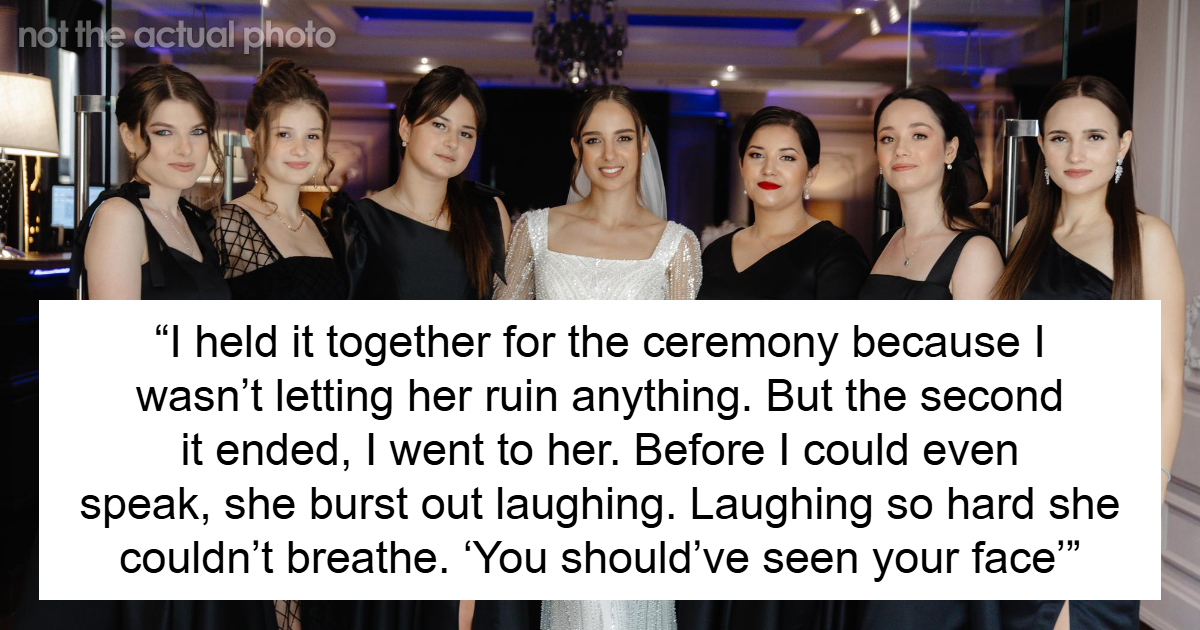

Some wedding surprises are charming. A handwritten vow. A grandma hitting the dance floor like she has been waiting 40 years for the DJ to play Beyoncé. A tiny ring bearer marching down the aisle with the confidence of a CEO. But a bridesmaid secretly changing into a bright red dress at an all-black wedding “as a prank”? That is less “cute surprise” and more “emergency group chat with screenshots.”
The viral wedding drama centers on a bride who planned a polished, all-black wedding aesthetic. The concept was simple: the wedding party and guests would wear black, creating a sleek, elegant backdrop while the bride stood out. Everyone knew the dress code. Everyone had agreed. Then, minutes before the ceremony, one bridesmaid allegedly swapped her approved black look for a tight, bold red dress and stepped into the ceremony like a human stop sign.
According to the story, the bridesmaid later laughed it off as a prank. The bride, however, was not laughing. And honestly, who could blame her? A wedding is not a surprise party for one bridesmaid’s sense of humor. It is a planned, emotional, expensive, once-in-a-lifetime event where the main characters are the couplenot the friend who apparently confused “supportive bridesmaid” with “final boss of wedding chaos.”
The All-Black Wedding Theme: Chic, Modern, And Very Clear
An all-black wedding may sound dramatic to traditionalists, but modern wedding style has moved far beyond old-fashioned rules. Black wedding guest attire is widely accepted today, especially for formal, evening, black-tie, winter, gothic, minimalist, or city weddings. In fact, black can look refined, practical, and photograph beautifully. It gives the event a cohesive visual identity without forcing guests into hard-to-find colors like “dusty mauve with a whisper of oat milk.”
For this bride, the all-black dress code was not random. It was the foundation of the day’s design. The black outfits created contrast, mood, elegance, and a unified look. That matters because weddings are not just ceremonies anymore; they are also highly visual events. Couples spend months choosing colors, flowers, lighting, table settings, dresses, suits, signage, and photography styles. When one person deliberately breaks the visual plan, the issue is not merely fashion. It becomes respect.
Why Dress Codes Matter More Than Guests Think
A wedding dress code is not a casual suggestion like “maybe bring a jacket.” It is part of the couple’s plan for the event. Guests are not being asked to erase their personality; they are being asked to participate in a shared moment. If the invitation says black tie, you do not show up in gym shorts. If it says beach formal, you do not arrive dressed for a snowstorm. And if it says all black, a bright red dress is not a little misunderstanding. It is a siren.
Dress codes also help prevent awkwardness. They tell guests how formal the event is, how to fit the venue, and what will look appropriate in photos. At an all-black wedding, a single red dress will dominate every image. It pulls the eye instantly. If that was accidental, it would be embarrassing. If it was intentional, it becomes a statement. In this case, the alleged “prank” made the bridesmaid the most visually noticeable person near the bride. That is where the internet collectively put down its coffee and said, “Oh no.”
The Red Dress Problem: Color, Context, And Main Character Energy
Red is not automatically forbidden at every wedding. In many Western weddings, a tasteful red outfit can be perfectly acceptable if the dress code allows it. Deep burgundy, wine, cranberry, or ruby shades can look beautiful for fall and winter celebrations. But bright red is powerful. It attracts attention. It photographs loudly. It says, “I have arrived,” whether the wearer means it or not.
Context changes everything. A red dress at a colorful cocktail wedding? Probably fine. A red dress at a festive holiday reception? Maybe adorable. A red dress at an all-black wedding where the bride specifically requested black? That is not fashion freedom; that is a flare gun.
The bridesmaid’s role makes the situation even worse. A regular guest breaking the dress code is awkward. A bridesmaid doing it is personal. Bridesmaids stand close to the bride during the ceremony. They appear in portraits. They are part of the visual frame around the couple. Their job is to support the day, not hijack it with a “gotcha” moment that only one person finds funny.
Why Calling It A “Prank” Did Not Help
A good prank has three basic ingredients: consent, timing, and a victim who can laugh afterward. A wedding ceremony is not the place to test any of those. The bride was walking down the aisle, experiencing one of the most emotional moments of her life. That is not the time for a friend to say, “Let me see what happens if I become a traffic cone in satin.”
The word “prank” often gets used as a magic eraser after bad behavior. Someone causes hurt, then claims everyone else is too sensitive. But impact matters. If the joke embarrasses someone, disrupts their wedding, and creates stress during a ceremony, it is not harmless. It is attention-seeking with a party favor attached.
In the reported story, the bride was so upset that she told the photographer to keep the bridesmaid out of the wedding photos. That decision may sound harsh to some readers, but it also makes sense. Wedding photos are not just snapshots; they are memories the couple paid to preserve. If one bridesmaid intentionally broke the dress code and created a painful reminder, the bride had every right to protect her album from becoming a museum exhibit titled “The Red Dress Incident.”
Was The Bride Overreacting?
Online reactions were overwhelmingly on the bride’s side, and the reason is simple: people understand the difference between a mistake and a stunt. If the bridesmaid had spilled something on her black dress and had no backup except red, the story would feel different. If the bride had approved the change, no problem. If the dress code had been vague, maybe there would be room for debate.
But according to the account, the bridesmaid knew the rule, changed at the last minute, allegedly lied that the bride approved it, and then laughed at the bride’s reaction. That is not a wardrobe malfunction. That is a full itinerary.
The bride’s responseremoving the bridesmaid from photos and reconsidering the friendshipwas less about a dress and more about trust. Weddings reveal relationships under pressure. Supportive friends ask, “How can I help?” Difficult friends ask, “How can I make this about me and still call it comedy?” The bride did not simply lose patience with a red dress. She discovered that someone close to her was willing to humiliate her during a vulnerable moment.
The Bridesmaid’s Job Is Support, Not Spotlight Theft
Bridesmaids have many possible duties: attending events, helping with planning, buying agreed-upon attire, showing up on time, calming nerves, and smiling through group photos even when their shoes are plotting against them. But the emotional job is bigger than the checklist. A bridesmaid is part of the bride’s support system.
That does not mean bridesmaids must become unpaid assistants or surrender their lives to wedding spreadsheets. Healthy wedding planning requires respect for everyone’s time, money, and comfort. But once someone accepts the role and agrees to the outfit, the basic expectation is straightforward: show up as promised. Wear the dress. Be kind. Do not launch a one-woman color rebellion during the ceremony.
The red dress prank broke the quiet social contract of the bridal party. It told the bride, “Your wishes matter less than my joke.” That is why the reaction was so strong. People can forgive an accident. They have a harder time forgiving deliberate embarrassment wrapped in laughter.
The Psychology Of “Main Character” Wedding Behavior
Weddings attract emotions like magnets attract refrigerator poetry. Joy, jealousy, nostalgia, stress, insecurity, family tension, money worries, and old friendship dynamics can all show up wearing waterproof mascara. Sometimes, a person who feels overlooked will create a moment that forces attention back onto them.
The phrase “main character energy” can be funny when someone confidently orders dessert or wears a fabulous coat to brunch. At a wedding, however, main character energy needs boundaries. The couple are the main characters. Everyone else is part of the cast, crew, and cheering audience. If a bridesmaid cannot handle that for one day, the issue is bigger than fabric.
A bright red dress at an all-black wedding functions like a spotlight. It says, “Look at me,” even if no words are spoken. When the wearer then laughs at the bride’s shock, the message becomes louder. The problem is not simply that she wore the wrong color. The problem is that she seemed to enjoy the bride’s discomfort.
How Couples Can Prevent Dress Code Drama
No couple can control every wedding-day surprise. Someone may get stuck in traffic, a flower girl may refuse to walk, or an uncle may discover the microphone and begin a speech no one requested. But couples can reduce fashion confusion with clear communication.
1. Put The Dress Code In Multiple Places
Include the dress code on the invitation, wedding website, reminder emails, and bridal party group chat. Use simple language. Instead of “midnight elegance,” say “all guests should wear black formal or semi-formal attire.” Creativity is lovely, but clarity prevents Aunt Linda from arriving in navy and insisting it is “basically black in spirit.”
2. Give Examples
For wedding party members, send photos or links showing acceptable styles, colors, lengths, and fabrics. If bridesmaids can choose their own dresses, define the exact color family. “Black only” is clear. “Dark colors” can become charcoal, navy, espresso, plum, or one cousin’s argument that forest green is emotionally black.
3. Confirm Outfits Before The Wedding
Ask bridesmaids to send photos of their final looks ahead of time. This should not be framed as controlling. It is practical. It avoids surprises and gives everyone time to fix issues. If someone is uncomfortable with the chosen outfit, that conversation should happen weeks before the ceremony, not five minutes before the aisle walk.
4. Create A Day-Of Point Person
The bride should not have to manage a dress code crisis while getting ready. Assign a planner, coordinator, maid of honor, sibling, or trusted friend to handle problems. If someone shows up in the wrong outfit, that person can quietly troubleshoot without turning the bride’s morning into a customer service desk.
How Guests Should Handle Dress Code Confusion
If you are invited to a wedding and the dress code confuses you, ask. That is the mature option. Do not guess wildly. Do not assume your interpretation is close enough. Do not show up in a statement outfit and hope charisma will carry the legal defense.
When in doubt, dress respectfully, avoid white unless specifically requested, avoid anything overly flashy, and follow the formality of the venue and time of day. For wedding party members, the standard is even higher. If the couple approved a look, wear it. If something goes wrong, communicate honestly. A stain, zipper issue, size problem, or shipping disaster can usually be solved. A secret prank is not a solution. It is the disaster.
What The Bride’s Photo Decision Says About Boundaries
One of the most discussed parts of the story was the bride’s decision to exclude the bridesmaid from the wedding photos. Some might say that was petty. But boundaries often look petty to people who benefited from there being none.
The photographer was hired to capture the couple’s day as they wanted to remember it. If the red dress represented humiliation, anger, and betrayal, removing it from the official album was a reasonable emotional boundary. The bride did not reportedly cause a scene during the ceremony. She held it together, completed the vows, and responded afterward in a way that protected her memories.
That is an important lesson. Not every conflict needs a dramatic public confrontation. Sometimes the strongest response is quiet: “You will not be in the photos. You will not rewrite this day. You will not turn my wedding album into evidence of your prank.” Elegant? Yes. Cold? Maybe. Understandable? Absolutely.
Should The Friendship Survive?
Whether the bride should forgive the bridesmaid depends on what happens next. Real apologies include accountability. They sound like, “I hurt you, I understand why, and I am sorry.” Fake apologies sound like, “I am sorry you are sensitive, but it was funny.” If the bridesmaid continued texting the bride to defend herself and minimize the situation, that would make reconciliation harder.
Friendship does not require tolerating public embarrassment. Weddings are emotionally revealing because they show who can celebrate you without competing with you. A friend who uses your wedding day as a stage for their prank may not be a safe person for future milestones either. Today it is a red dress. Tomorrow it is a baby shower announcement, graduation dinner stunt, or birthday speech that somehow becomes a roast.
Forgiveness is possible, but access is optional. The bride can forgive the bridesmaid privately and still decide the friendship no longer belongs in the front row of her life.
Lessons From The Red Dress Wedding Prank
This story went viral because it touches a nerve. Most people have known someone who hides selfishness behind humor. Most people have attended an event where one guest tried too hard to become the headline. And most people understand that weddings are stressful enough without someone adding “surprise betrayal in crimson” to the schedule.
The biggest lesson is simple: respect the couple’s reasonable requests. If a wedding theme is clear, follow it. If you are in the bridal party, honor the role. If you want to be funny, choose a moment that does not interrupt a ceremony, embarrass the bride, or live forever in professional photos.
A wedding is not the time to test loyalty through chaos. It is the time to show love through reliability. Wear the agreed dress. Arrive on time. Smile in the photos. Save the pranks for a board game night where the stakes are chips and bragging rightsnot someone’s once-in-a-lifetime aisle moment.
Personal Experiences And Real-Life Reflections On Wedding Dress Code Drama
Anyone who has been around wedding planning knows that dress codes can bring out surprisingly strong opinions. You can ask ten people to wear black and somehow receive eleven interpretations, including “dark navy,” “charcoal with sparkle,” and “this floral dress has black leaves if you zoom in emotionally.” Most confusion is innocent. Guests are trying to look nice, use what they already own, and avoid spending money on an outfit they may never wear again. That is understandable. But there is a huge difference between struggling with a dress code and deliberately breaking it for attention.
One common experience couples share is that people often treat wedding requests as optional until they understand the reason behind them. For example, an all-black wedding is not necessarily about being strict. It may be about photography, mood, formality, cultural style, or creating a clean visual frame. Once guests understand that their clothing contributes to the atmosphere, many become more cooperative. Communication helps. A friendly note like “We are asking everyone to wear black so the ceremony has a cohesive candlelit look” sounds more inviting than “Wear black or else.” Same rule, better delivery.
Another real-life lesson is that the bridal party needs earlier, clearer conversations than regular guests. Bridesmaids should know the exact expectations before accepting the role: dress color, budget, shoes, hair, makeup, arrival time, and whether they have flexibility. This protects everyone. A bridesmaid who hates the chosen look can speak up early. A bride who cares deeply about visual consistency can say so clearly. The earlier the conversation happens, the less likely anyone is to panic, rebel, or suddenly develop a suspicious “makeup emergency” before walking down the aisle.
Wedding pranks are especially risky because emotions are already running hot. A joke that might be hilarious at brunch can feel cruel during a ceremony. Imagine spending months planning an elegant event, paying vendors, coordinating family, managing stress, and trying to stay calmonly for a close friend to create a spectacle at the exact moment you are supposed to be most present. Even a strong person can feel shaken. That does not make the bride dramatic. It makes her human.
The healthiest wedding parties are built on trust. The couple trusts their friends to show up with love. The friends trust the couple to be reasonable. When either side breaks that trust, resentment grows quickly. The red dress story is memorable because the violation was so visible. But smaller versions happen all the time: someone ignores the timeline, changes shoes after being asked not to, complains loudly, makes a rude toast, or treats the bride’s preferences like a personal attack. These moments may seem small to outsiders, but they can feel enormous to the person whose wedding day is unfolding in real time.
The best advice for guests is boring but golden: do not make the couple manage your ego. Ask questions early. Follow the dress code. Bring backup shoes if needed. Keep jokes kind. If something goes wrong, tell the truth and help fix it. The best advice for couples is equally practical: be clear, be considerate, and choose wedding party members who respect boundaries. A beautiful wedding is not created by perfect colors alone. It is created by people who understand that love sometimes looks like wearing the black dress you agreed to wear and not turning yourself into a red-carpet emergency.
Conclusion
The bridesmaid’s red dress prank at an all-black wedding became viral because it was more than a fashion mistake. It was a lesson in respect, boundaries, friendship, and the danger of confusing cruelty with comedy. A wedding dress code is part of the couple’s vision, and when a bridal party member knowingly breaks it, the damage is emotional as much as visual.
The bride’s shock was understandable. Her decision to protect her photos was reasonable. And the internet’s reaction shows that many people still believe in one basic rule of wedding etiquette: do not upstage the couple. You do not need to be perfect to be a good wedding guest or bridesmaid. You simply need to be thoughtful, honest, and capable of letting someone else have the spotlight for one very important day.
Editorial note: This article is based on a reported viral wedding account and synthesized with general U.S. wedding etiquette guidance from established wedding, fashion, and lifestyle publications. Source links are intentionally omitted according to the publishing request.