
A boxer’s fracture sounds like something reserved for prizefighters, heavy bags, and dramatic movie scenes where someone punches a wall and instantly regrets their life choices. In reality, it can happen to almost anyone. You do not need a championship belt, a gym membership, or a questionable temper. A boxer’s fracture is a break in the fifth metacarpal, the long bone in the hand that connects the wrist to the pinky finger. It often occurs near the knuckle, which is why the pinky-side knuckle may look flattened, swollen, or a bit like it decided to retire early.
This injury commonly happens after punching a hard object, falling onto a closed fist, or taking a direct blow to the hand. Despite the name, trained boxers are not the only people affected. In fact, many actual boxers learn how to strike correctly and wrap their hands; the rest of us occasionally meet doors, walls, floors, sports equipment, or furniture with poor negotiation skills.
The good news is that many boxer’s fractures heal well with proper care. The less-good news is that ignoring the injury can lead to stiffness, reduced grip strength, chronic pain, poor alignment, or a knuckle that looks permanently “sunken.” This guide explains how boxer’s fractures are diagnosed, what treatment may involve, what recovery usually looks like, and how to avoid turning a small hand injury into a long-term annoyance.
What Is a Boxer’s Fracture?
A boxer’s fracture is usually a fracture of the neck of the fifth metacarpal bone. The metacarpals are the five long bones in the palm. The fifth metacarpal runs from the wrist toward the base of the little finger. The “neck” of the bone is the narrowed area just below the knuckle.
When force travels through a clenched fist, the fifth metacarpal can bend or break. The broken end may angle downward toward the palm, which can make the knuckle appear less prominent. Sometimes the finger may also rotate slightly, meaning the pinky does not line up properly when the hand closes into a fist. Rotation matters because even a small twist can make gripping, typing, writing, or holding a cup feel strangely awkward.
Common Causes of a Boxer’s Fracture
The classic cause is punching something solid. A wall, door, locker, desk, or another person’s skull is rarely impressed by human knuckles. The hand usually loses the argument.
However, a boxer’s fracture can also happen during sports, falls, bicycle accidents, rough play, or direct trauma to the side of the hand. Athletes in football, basketball, martial arts, hockey, skateboarding, and other contact or fall-prone activities may experience this type of injury. It can also occur at home from slipping, catching yourself awkwardly, or striking the hand against furniture. Yes, the coffee table remains undefeated.
Symptoms of a Boxer’s Fracture
Symptoms can appear quickly after the injury. Some people know immediately that something is wrong; others assume it is “just a bruise” until swelling and pain make the hand harder to use.
Typical symptoms include:
- Pain on the pinky side of the hand
- Swelling around the knuckle or back of the hand
- Bruising that may spread across the palm or fingers
- A flattened or sunken-looking pinky knuckle
- Tenderness when touching the fifth metacarpal
- Difficulty making a fist
- Reduced grip strength
- Stiffness in the little finger or ring finger
- A finger that crosses over another finger when making a fist
- Numbness, tingling, or unusual coldness in the finger, which needs prompt medical attention
Not every boxer’s fracture looks dramatic. A mild fracture can still allow some movement, which tricks people into thinking everything is fine. Unfortunately, “I can move it” does not always mean “it is not broken.” Hands are surprisingly determined, but bones still have rules.
When to See a Doctor
You should get medical evaluation if you have significant hand pain, swelling, bruising, deformity, or difficulty moving your fingers after an injury. Go urgently if the hand looks misshapen, the skin is broken, the finger feels numb, the hand becomes pale or cold, or the pain is severe.
Open wounds over a knuckle deserve special attention, especially if the injury happened during a punch. A cut near a fracture may raise the risk of infection. Doctors also need to check whether tendons, joints, nerves, or blood vessels are involved. In short: if your hand looks like it has filed a complaint, let a professional read it.
How a Boxer’s Fracture Is Diagnosed
Diagnosis usually begins with a physical exam and a conversation about how the injury happened. A healthcare provider will look for swelling, tenderness, bruising, deformity, wounds, and changes in finger alignment. They may ask you to open and close your hand, straighten your fingers, or gently make a fist.
The rotation check
One important part of the exam is checking for finger rotation. When you make a fist, the fingertips should generally point toward the same area near the wrist. If the pinky overlaps or crosses under another finger, the fracture may be rotated. Rotation often requires closer attention because it can affect hand function even if the X-ray does not look terrifying at first glance.
X-rays
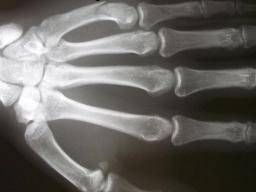
X-rays are the standard imaging test for confirming a boxer’s fracture. They show where the bone is broken, how much it is angled, whether the pieces are displaced, and whether nearby joints are involved. Follow-up X-rays may be used during recovery to make sure the bone is staying in a good position while it heals.
CT scan or MRI
Most boxer’s fractures do not require advanced imaging. However, a CT scan or MRI may be considered if the injury is complex, if the fracture is hard to see on X-ray, or if a doctor suspects additional soft-tissue or joint damage.
Boxer’s Fracture Treatment Options
Treatment depends on the severity of the fracture, the amount of angulation, whether the finger is rotated, whether the skin is broken, and how stable the bone is. The goal is simple: help the bone heal in a position that allows the hand to work well again.
1. First aid before medical care
Until you are evaluated, rest the hand and avoid using it. Remove rings immediately if possible because swelling can make jewelry dangerously tight. Apply a cold pack wrapped in cloth for short periods, keep the hand elevated, and avoid trying to “snap” anything back into place. Hands are not DIY furniture.
2. Splinting or casting
Many boxer’s fractures are treated without surgery. A common option is an ulnar gutter splint, which supports the pinky side of the hand, wrist, and sometimes the ring and little fingers. Some mild, stable fractures may be treated with buddy taping or a removable brace, depending on the provider’s judgment.
Immobilization often lasts several weeks. During this time, the splint or cast keeps the bone protected while healing begins. It is important to keep the splint dry, avoid inserting objects inside it to scratch, and follow instructions about finger movement. The splint is there to help the bone heal, not to become a snack shelf, drumstick, or mystery odor experiment.
3. Closed reduction
If the bone is angled too far out of position, a doctor may perform a closed reduction. This means the bone is realigned without surgery, usually after numbing the area or providing pain control. Afterward, the hand is placed in a splint or cast, and X-rays may be taken to confirm improved alignment.
4. Surgery
Surgery is not needed for every boxer’s fracture, but it may be recommended when the fracture is severely displaced, unstable, open, rotated, involves a joint, or cannot be kept aligned with a splint. Surgical repair may use pins, screws, plates, or wires to hold the bone in position while it heals.
Surgery may also be considered for people who need precise hand function for work, sports, or daily activities. A musician, mechanic, athlete, surgeon, artist, or anyone who depends heavily on hand strength and coordination may need a more tailored plan.
Pain Management and Home Care
Pain is usually strongest in the first few days and gradually improves. Doctors may recommend over-the-counter pain relievers, but you should follow medical advice, especially if you have allergies, stomach problems, kidney disease, liver disease, bleeding risks, or take other medications.
Swelling control is a big part of comfort. Elevate the hand above heart level when possible, especially during the early stage. Move the fingers that are not immobilized if your provider says it is safe. Gentle motion can help reduce stiffness and swelling, but pushing through sharp pain is not heroic; it is just your hand asking why you are like this.
Recovery Timeline: What to Expect
Recovery varies by injury and treatment. Many uncomplicated boxer’s fractures improve significantly within several weeks, but full comfort, strength, and flexibility can take longer. People often return to light daily activities before they return to heavy gripping, contact sports, weightlifting, or punching bags.
First few days
Swelling, tenderness, and bruising are common. The hand may feel stiff, and gripping can be painful. The priority is protection, elevation, and following medical instructions.
Weeks 1 to 3
The bone begins healing, but it is not ready for stress. You may have a splint, cast, or brace. Follow-up visits may check alignment and make sure swelling is improving.
Weeks 3 to 6
Many people continue immobilization or transition to a removable support. Some begin gentle motion exercises if cleared by a clinician. Do not rush back to sports just because the pain is better. Bones can be quiet before they are strong.
Weeks 6 to 8 and beyond
Many people return to more normal activities around this stage, depending on healing and medical clearance. Grip strength, range of motion, and confidence may still need work. Some soreness after heavier use can linger for weeks or months, especially if the hand has been stiff.
Hand Therapy and Exercises
Hand therapy may be recommended after the bone has healed enough for movement. A hand therapist can guide exercises to restore range of motion, reduce stiffness, improve grip strength, and rebuild coordination.
Common rehab goals include straightening and bending the fingers, improving wrist motion, reducing swelling, and gradually returning to daily tasks. Therapy may involve gentle stretching, tendon gliding, grip exercises, putty work, and functional activities such as writing, lifting light objects, or practicing work-specific movements.
The key word is gradually. Your hand is not a sports car coming out of the shop ready for a racetrack. It is more like a cautious cat: it needs patience, encouragement, and absolutely no sudden chaos.
Possible Complications
Most boxer’s fractures heal well, especially when treated early. Still, complications can happen. These may include stiffness, reduced grip strength, chronic pain, visible knuckle changes, malunion, nonunion, infection, or problems with finger rotation.
A slightly flattened knuckle may remain after healing and may not affect function. However, persistent pain, poor finger alignment, loss of motion, or weakness should be checked. The goal is not only to heal the bone but also to restore a useful, comfortable hand.
Can You Prevent a Boxer’s Fracture?
You cannot prevent every fall or accident, but you can reduce risk. In sports, use proper protective gear and learn safe technique. In boxing or martial arts, proper hand wrapping, gloves, coaching, and striking mechanics matter. Outside the gym, the best prevention strategy is also the least glamorous: do not punch hard objects. Walls do not learn lessons. They simply stand there and win.
If anger is what caused the injury, consider healthier ways to manage stress, such as stepping away, talking it out, exercising safely, or practicing breathing techniques. Your future hand will appreciate the maturity. So will your drywall.
Living With a Boxer’s Fracture
Daily life with a boxer’s fracture can be surprisingly inconvenient. Buttoning shirts, tying shoes, opening jars, typing, showering, cooking, and carrying a backpack may become minor adventures. Plan ahead by keeping essentials within easy reach, using your uninjured hand more often, and asking for help with tasks that require gripping or lifting.
Follow the activity limits given by your healthcare provider. Returning too soon to sports, weight training, or heavy work can delay healing or shift the fracture. If you are given a splint, wear it as directed. Removing it early because “it feels fine” is one of those decisions that may sound clever for five minutes and annoying for five weeks.
Real-World Experiences and Practical Lessons From Boxer’s Fracture Recovery
People who recover from a boxer’s fracture often say the injury taught them two things: hands are extremely useful, and healing is not always as fast as the internet makes it sound. The first week can feel clumsy. Even simple things like brushing teeth, putting on socks, or opening a bag of chips become small engineering projects. Suddenly, the non-dominant hand gets promoted from assistant manager to full-time employee, and it may not be ready for the responsibility.
One common experience is underestimating swelling. Many people expect pain, but they are surprised by how tight, heavy, or stiff the hand feels. Elevation helps, but it can be boring. Keeping the hand raised while watching TV, studying, or resting can make a real difference. The trick is consistency. The hand does not care that you elevated it beautifully for seven minutes yesterday; it wants regular attention.
Another practical lesson is that splints and casts change your routine. Showering may require covering the hand. Writing may become slower. Typing may be awkward. Sleeping can be uncomfortable if the hand is bumped or trapped under a pillow. A helpful strategy is to prepare a “recovery zone” with water, phone charger, snacks, medications if approved by your doctor, and anything else you use often. Think of it as a command center, except the mission is not world domination; it is not dropping your phone on your face.
People also notice that stiffness can feel discouraging once the splint comes off. The hand may look smaller, weaker, or less coordinated. That does not mean recovery has failed. Immobilized joints often need time to wake up. Gentle exercises, hand therapy, and patience usually help. Progress may come in small victories: making a better fist, holding a cup without discomfort, typing longer, or finally opening a door without making a dramatic face.
Returning to sports or gym workouts is another area where patience pays off. Many people feel tempted to test the hand too early. The problem is that pain relief can arrive before full bone strength. A hand that feels “pretty good” may still be vulnerable. Waiting for medical clearance is not weakness; it is strategy. Nobody wants to restart the healing clock because they challenged a dumbbell to a duel.
Emotionally, a boxer’s fracture can be frustrating, especially when it happened from a momentary decision like punching a wall. The useful response is not endless embarrassment; it is learning. Anger fades, but a hand injury can hang around. Finding safer outlets for stress is part of recovery too. The strongest comeback is not just a healed bone. It is a better plan for the next bad day.
Conclusion
A boxer’s fracture is a common hand injury involving the fifth metacarpal near the pinky knuckle. It often happens after punching a hard object, falling onto a closed fist, or taking a direct blow to the hand. Symptoms may include pain, swelling, bruising, a flattened knuckle, trouble making a fist, and reduced grip strength.
Diagnosis usually requires a physical exam and X-rays. Treatment may include splinting, casting, buddy taping, closed reduction, or surgery, depending on alignment, rotation, stability, and severity. Recovery often takes several weeks, and hand therapy may be needed to restore motion and strength. With prompt care, patience, and a little respect for walls, most people can return to normal activities with good hand function.
Note: This article is for general educational purposes only and is not a substitute for professional medical diagnosis or treatment. Anyone with a suspected hand fracture should seek care from a qualified healthcare provider.