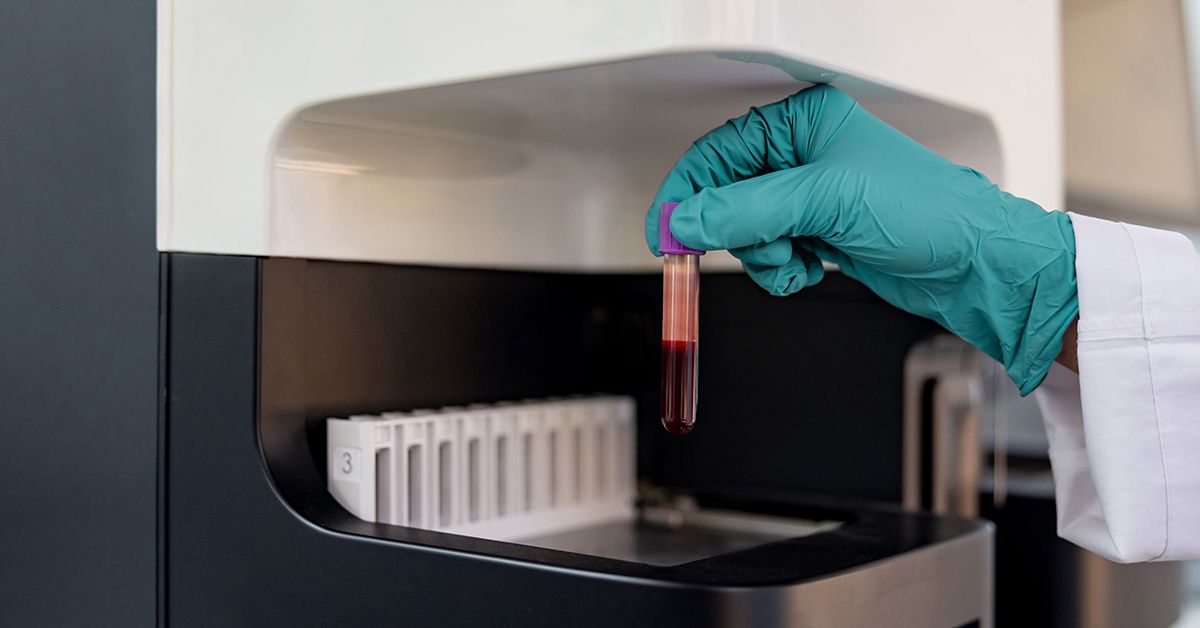

Let’s start with the million-dollar digestive question: can a blood test diagnose exocrine pancreatic insufficiency, or EPI? The honest answer is, not by itself. That may sound a little rude on the pancreas’s part, but EPI is one of those conditions that usually takes a team effort to diagnose. Blood work matters, stool testing matters, symptoms matter, and sometimes imaging joins the party too.
EPI happens when the pancreas does not make or deliver enough digestive enzymes to break down food properly. When that happens, your body struggles to absorb nutrients, especially fat. The result can be bloating, greasy stools, weight loss, gas, fatigue, and vitamin deficiencies. In other words, your digestive system stops acting like a well-run kitchen and starts behaving like a sandwich shop with no bread, no knives, and one deeply confused cashier.
Because the symptoms overlap with conditions such as irritable bowel syndrome, celiac disease, inflammatory bowel disease, chronic pancreatitis, and even gallbladder problems, diagnosing EPI is rarely a one-test shortcut. That is exactly why people search for terms like blood tests for EPI and how EPI is diagnosed. They want clarity. And frankly, their intestines do too.
What Is EPI, and Why Is It So Easy to Miss?
Exocrine pancreatic insufficiency is a digestive disorder caused by inadequate pancreatic enzyme activity. The pancreas normally releases enzymes that help digest fat, protein, and carbohydrates. When those enzymes are missing or too low, food is not fully broken down, which leads to malabsorption and nutritional problems over time.
Doctors often suspect EPI in people with high-risk conditions such as chronic pancreatitis, cystic fibrosis, pancreatic cancer, pancreatic surgery, or repeated episodes of pancreatitis. It can also appear in some people with diabetes, celiac disease, Crohn’s disease, or other disorders that affect the gut or pancreas. That wide range of causes is one reason diagnosis can feel like solving a mystery with three missing pages.
Another reason EPI gets missed is that some people do not develop classic oily, floating stools right away. Symptoms may build slowly. A person may first notice weight loss, vitamin deficiencies, low energy, bloating after meals, or bathroom habits that have become, shall we say, dramatically more memorable than anyone requested.
Are Blood Tests Enough to Diagnose EPI?
Usually, no. Blood tests do not usually confirm EPI on their own. Instead, they help doctors look for the consequences of poor digestion and absorption. Think of blood work as the evidence trail, not the final courtroom verdict.
That distinction matters. A patient may come in asking for a “blood test for pancreatic insufficiency,” but in real-world practice, clinicians usually combine blood tests with symptom review and a stool test, most often the fecal elastase test. If the person has risk factors for pancreatic disease, doctors may also order imaging or other specialized tests.
So, if you are looking for the simple version, here it is: blood tests support the diagnosis of EPI, but stool testing usually plays the lead role.
What Blood Tests Can Show in Suspected EPI?
1. Fat-Soluble Vitamin Deficiencies
One of the most important roles of blood work in EPI is checking for low levels of fat-soluble vitamins A, D, E, and K. Since EPI makes fat digestion difficult, the body may have trouble absorbing these nutrients. Over time, those deficiencies can affect vision, bone health, immune function, skin health, bruising, and overall energy.
Vitamin deficiencies do not prove EPI by themselves, but they can strongly support the diagnosis, especially when the symptoms fit the pattern. If a patient has greasy stools, weight loss, and low vitamin D, that combination tells a more convincing story than any one clue alone.
2. Mineral Deficiencies and Signs of Malnutrition
Doctors may also use blood tests to check for low minerals or other signs of malnutrition. When the digestive process is not working well, the body may not absorb enough nutrients even if the person is eating a normal diet. That is one reason some patients say, “I’m eating, but I still feel depleted.” In EPI, that feeling may be very real.
In clinical practice, blood work helps reveal whether the condition has already begun affecting nutrition. That information can guide treatment, including pancreatic enzyme replacement therapy and vitamin supplementation.
3. Pancreatic Blood Tests Such as Lipase or Amylase
Some patients hear about lipase or amylase blood tests and assume those will diagnose EPI directly. Not quite. These tests are more commonly used to look for pancreatic inflammation or injury, especially pancreatitis, rather than confirm exocrine pancreatic insufficiency itself.
That said, they can still be useful in the bigger picture. If a doctor suspects that chronic or recurrent pancreatitis is the underlying reason for EPI symptoms, these blood tests may be part of the workup. They help answer a slightly different question: not just “Do you have EPI?” but also “Why might your pancreas be struggling in the first place?”
4. Cause-Finding Blood Tests in Special Cases
Sometimes clinicians order blood tests to investigate the underlying cause of pancreatic problems. For example, if autoimmune pancreatitis is suspected, additional blood work may be used. If the history suggests an inherited disorder, genetic testing may be considered. These tests do not replace EPI testing, but they help build the diagnostic map.
That is why the diagnostic process can seem longer than expected. Medicine is not being dramatic. It is just trying not to blame the pancreas for something the small intestine did.
The Test That Usually Starts the Process: Fecal Elastase
If you remember one test name from this article, make it this one: fecal elastase-1, often shortened to fecal elastase or FE-1. This is the stool test most commonly used as the initial test for EPI.
It measures elastase, a pancreatic enzyme, in a stool sample. A low level suggests the pancreas is not producing enough digestive enzymes. It is widely used because it is noninvasive, practical, and easier to obtain than more specialized pancreatic function tests.
Still, it is not perfect. It tends to be better at identifying more severe EPI than mild or moderate cases. That means a person can have symptoms, risk factors, and ongoing digestive trouble even when the result is not crystal clear. When that happens, doctors step back and look at the full clinical picture rather than treating one lab number like a tiny digestive dictator.
Other Tests Doctors May Use
72-Hour Fecal Fat Test
This test measures how much fat ends up in the stool over a multi-day collection period. It can help show that fat malabsorption is happening, but it is cumbersome and not especially practical for routine use. Patients do not typically describe it as “fun.” That is because it is not fun. It is stool logistics with paperwork.
Direct Pancreatic Function Tests
These specialized tests can measure how the pancreas responds to stimulation, such as secretin. They may offer useful information, but they are not widely available in the United States and are generally reserved for specific settings or specialty centers.
CT, MRI, and Endoscopic Ultrasound
Imaging tests are important when doctors need to evaluate the cause of pancreatic dysfunction. A CT scan, MRI, or endoscopic ultrasound may show chronic pancreatitis, pancreatic duct problems, scarring, calcifications, tumors, or structural changes. But imaging alone does not diagnose EPI. It helps identify what may be damaging the pancreas or contributing to symptoms.
How Doctors Usually Put the Diagnosis Together
The diagnosis of EPI is usually based on a combination of:
- Symptoms such as steatorrhea, weight loss, bloating, gas, abdominal discomfort, and malnutrition
- Medical history, especially chronic pancreatitis, cystic fibrosis, pancreatic surgery, or pancreatic cancer
- Stool testing, especially fecal elastase
- Blood tests for fat-soluble vitamin deficiencies, minerals, and nutritional problems
- Imaging or cause-specific tests when doctors need to evaluate pancreatic disease more closely
That is why a patient may leave the first appointment with several lab orders instead of one magical answer. EPI diagnosis is often a pattern-recognition exercise. The goal is not just to confirm the condition, but to find out how severe it is, what caused it, and what the body has been missing along the way.
Common Real-World Scenarios
A Person with Chronic Pancreatitis
A patient with long-term pancreatic inflammation develops weight loss, greasy stools, and low vitamin levels. The doctor orders fecal elastase, nutritional blood work, and imaging review. In this situation, the clinical suspicion for EPI is high, and the diagnosis may come together relatively quickly.
A Patient with “IBS” That Never Quite Fits
Another person has months of bloating, loose stools, and unexplained fatigue. Standard treatments for IBS do not help. Blood work shows nutritional deficits, and stool testing reveals low fecal elastase. Suddenly, the puzzle pieces make more sense. It was not just a sensitive stomach. It was an enzyme problem wearing a disguise.
A Person After Pancreatic or Gastrointestinal Surgery
Someone who has had pancreatic, stomach, or small bowel surgery starts struggling with digestion and weight maintenance. Blood tests suggest poor nutrient absorption, and stool testing supports EPI. In these cases, the surgery history can be an important clue.
Why Early Diagnosis Matters
Untreated EPI can lead to ongoing fat malabsorption, vitamin deficiencies, muscle loss, low energy, weak bones, and poor quality of life. The good news is that once EPI is recognized, treatment can help significantly. Pancreatic enzyme replacement therapy, often called PERT, can improve digestion, reduce symptoms, and help the body absorb nutrients more effectively.
That is why diagnosis is not just about naming a condition. It is about stopping the slow drain on nutrition and helping people feel like food is working for them again instead of filing daily complaints.
What Patients Often Experience During the Diagnostic Journey
For many people, the path to an EPI diagnosis does not begin with the words “pancreatic insufficiency.” It begins with smaller frustrations that slowly get harder to ignore. A meal that used to feel normal now causes bloating. Favorite foods suddenly seem to trigger urgent bathroom trips. Pants fit differently because of unexplained weight loss. Energy drops. Skin feels dry. Hair may seem thinner. A person might even start to wonder whether the problem is stress, aging, a random food intolerance, or just bad luck with takeout.
One common experience is being told, at least early on, that the symptoms sound like something more familiar, such as IBS, reflux, or general indigestion. That is understandable because EPI symptoms overlap with many other digestive disorders. But from the patient’s perspective, it can feel exhausting. They know something is off, yet nothing quite explains why eating has become such a high-stakes event.
Then the testing begins. Blood work may be the first sign that the issue is bigger than a “sensitive stomach.” A low vitamin level, evidence of malnutrition, or other abnormal nutrition markers can validate what the patient has already been feeling for months: this is not imaginary, and it is not just in their head. That moment matters. It changes the conversation.
For some people, the stool elastase test becomes the turning point. It is not glamorous, and no one is putting “expert stool sample coordinator” on a résumé, but the result can finally explain the pattern. Patients often describe a mix of relief and annoyance. Relief, because the symptoms have a name. Annoyance, because they wish the answer had come sooner.
People with chronic pancreatitis or previous pancreatic surgery may reach the diagnosis faster because the risk is already on the doctor’s radar. Others, especially those without obvious pancreatic disease, may go through more back-and-forth before EPI is considered. That delay can be frustrating, but it also reflects how carefully clinicians need to rule out similar conditions.
Once diagnosed, many patients say treatment changes daily life in practical ways, not just medical ones. Meals become less intimidating. Social events feel easier. Travel gets less complicated. Grocery shopping stops feeling like a suspense thriller. And perhaps most importantly, people often regain confidence that their body can work with them again instead of against them.
The emotional side matters too. Digestive illness can be isolating. Symptoms are private, inconvenient, and not exactly dinner-table conversation. Patients may feel embarrassed, dismissed, or tired of explaining why they do not feel well. A clear diagnosis can reduce that uncertainty. It gives people a framework, a treatment plan, and a reason to stop blaming themselves for symptoms they were never going to fix with willpower or peppermint tea alone.
Final Thoughts
When it comes to blood tests for EPI, the biggest takeaway is simple: blood work is important, but it is only one part of the diagnosis. Doctors use blood tests to look for vitamin deficiencies, mineral problems, and signs of malnutrition. They often use stool testing, especially fecal elastase, as the main initial test, and they may add imaging or specialized studies to identify the cause.
So, if you are asking whether a blood test alone can diagnose exocrine pancreatic insufficiency, the answer is usually no. But blood tests can provide crucial evidence that supports the diagnosis, reveals the nutritional impact of the condition, and helps guide treatment. In other words, they may not write the whole story, but they definitely supply several of the most important chapters.