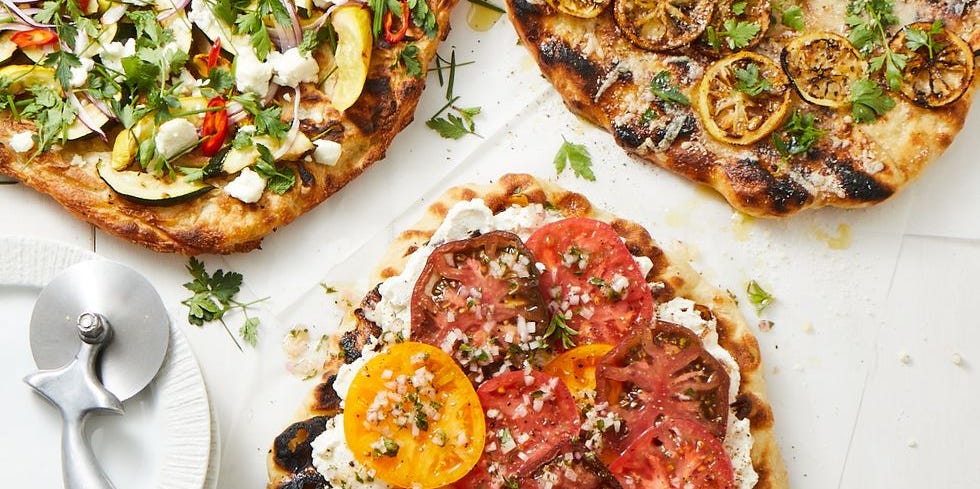

If your grill has ever made you whisper, “You’re basically a wood-fired oven with better social skills,” you’re already halfway to great grilled pizza.
The magic is simple: insane heat + open flame flavor + a crust that gets both crisp and a little chaotic (in the best way).
The trick is making that chaos repeatableso your first pizza isn’t a masterpiece and your second one isn’t a burnt, floppy apology.
This guide gives you a foolproof grilled pizza recipe, plus two reliable methods (direct-on-grates and stone/steel),
specific timing cues, and the small “chef-y” details that keep the dough from welding itself to the grill.
You’ll finish with pizza that’s blistered, chewy, smoky, and proudly not-from-the-oven.
Why grilled pizza tastes better than it has any right to
A grill can hit the kind of heat most home ovens only dream about. That higher temperature means faster crust expansion,
more browning, and those leopardy char spots people post online like they invented fire.
Meanwhile, the lid traps heat above the pizzaso the toppings cook without turning the bottom into a carbon souvenir.
Done right, grilled pizza has a crisp underside, a tender center, and a smoky edge that makes basic pepperoni feel like a summer event.
Done wrong… it’s a snack called “Why is the cheese still cold?” We’re choosing the first timeline.
What you need (and what you can absolutely fake)
Essential gear
- A grill: gas or charcoal (both work). Pellet grills also workthink “convection-y pizza oven vibes.”
- Long tongs and/or a large metal spatula (you want leverage, not panic).
- Instant-read thermometer (optional but helpful) and a timer (not optional if you value your eyebrows).
Nice-to-have gear (aka the “I do this a lot” starter pack)
- Pizza peel: makes launching and retrieving less like a circus.
- Pizza stone or steel: best for thicker dough or if you want more “oven-like” control.
- Bench scraper: for dough wrangling and countertop cleanup that feels oddly satisfying.
The two winning methods
Method A: Directly on the grates (fast, smoky, classic grilled pizza)
You par-cook the dough on one side, flip, then top the cooked side and finish with the lid down.
This method delivers bold char and the most “grill-forward” flavor. It’s also the method most likely to make you say,
“Wow, that cooked fast,” which is grilling’s love language.
Method B: On a stone/steel (more controlled, great for heavier toppings)
Preheat a pizza stone/steel on the grill, then bake like you would in an ovenexcept hotter and smokier.
This is fantastic when you want a more even bottom crust or when you’re using a thicker dough.
Best Grilled Pizza Recipe (Direct-on-Grates Method)
Yield: 2 large (12–14-inch) pizzas or 4 personal pizzas
Total time: ~2 hours (or up to 2 days if you cold-ferment the dough for better flavor)
Ingredients
For the dough (easy, dependable, grill-friendly)
- 3 1/2 cups (420g) bread flour (all-purpose works, but bread flour gives better chew)
- 1 1/2 tsp (6g) fine sea salt
- 1 tsp (4g) sugar (optional, helps browning)
- 2 1/4 tsp (7g) instant yeast (or active drysee note below)
- 1 1/3 cups (315g) warm water (about 95–105°F)
- 2 tbsp (28g) olive oil (plus more for handling)
Active dry yeast note: Dissolve it in the warm water for 5–10 minutes until foamy, then proceed.
For the sauce (simple, not watery)
- 1 cup crushed tomatoes (or a thick pizza sauce)
- 1 small garlic clove, grated (optional)
- 1 tbsp olive oil
- 1/2 tsp dried oregano
- Salt and pepper to taste
Toppings (choose 2–3, not 12this is pizza, not a moving day)
- 8–10 oz low-moisture mozzarella, shredded
- Fresh basil, arugula, or parsley (add after cooking)
- Pepperoni, cooked sausage, or prosciutto (thin, or pre-cook if raw)
- Thin-sliced onions, mushrooms, or peppers (pre-cook if thick or watery)
- Parmesan or pecorino for finishing
- Hot honey, chili flakes, or a drizzle of good olive oil
Step 1: Make the dough
-
In a large bowl, whisk flour, salt, sugar (if using), and yeast.
Add warm water and olive oil. Mix until a shaggy dough forms. -
Knead 6–8 minutes by hand (or 4–5 minutes in a stand mixer) until smooth and elastic.
If sticky, lightly oil your hands instead of dumping in lots of flour. -
Place dough in an oiled bowl, cover, and let rise 60–90 minutes until doubled.
For better flavor, refrigerate 24–48 hours (covered), then bring to room temp ~60 minutes before grilling. - Divide into 2 balls for large pizzas (or 4 for personals). Cover and rest 20–30 minutes so the dough relaxes.
Step 2: Set up the grill (two-zone heat is your best friend)
You want one hot side for searing the crust and one cooler side for finishing with the lid closed.
This prevents “black bottom, cold top syndrome.”
- Gas grill: Preheat all burners high 10–15 minutes. Then turn one burner down to low (cool zone) and keep the other(s) high (hot zone).
- Charcoal grill: Pile coals on one side (hot zone) and leave the other side coal-free (cool zone). Lid on to preheat.
- Target temp: Aim for ~500–650°F at the grates for direct grilling. (If it’s lower, cook time increases; if it’s higher, blink slowly and stay focused.)
Step 3: Prep toppings like a pro (aka “everything ready before dough hits grill”)
Grilled pizza cooks fast. The moment dough hits the grates, the clock starts sprinting.
Have sauce, cheese, toppings, oil, tongs, and a tray ready next to the grill.
- Keep sauce thick and use less than you think (wet toppings = steamed crust).
- Pre-cook raw sausage, mushrooms, thick onions, or anything that releases water.
- Cut small and thin so everything finishes at the same time.
Step 4: Shape the dough (thin-ish wins on a grill)
- On a lightly oiled surface, press dough into a disk, then stretch to a 12–14-inch oval or round.
- Brush one side lightly with olive oil. (Oil helps release and promotes browning.)
- If you’re nervous, make smaller pizzas first. Smaller pizzas are basically training wheels you can eat.
Step 5: Grill the first side (the par-bake)
- Clean the grates well, then oil them lightly with a high-heat oil on a folded paper towel held with tongs.
- Lay the dough oiled-side down on the hot zone. Close the lid for 30–60 seconds if needed to help it puff.
- Cook 60–120 seconds, rotating as needed, until the underside is browned with char spots and the top looks bubbly.
Step 6: Flip, top, and finish (the part where your organization pays rent)
- Flip the crust. Now the cooked side is on topthis is your topping platform.
-
Layer smart: Add cheese first (it helps protect the crust from sauce sogginess),
then sauce, then toppings. Keep it light. - Slide the pizza to the cooler zone. Close the lid and cook 3–6 minutes until cheese melts and the bottom is crisp.
- Move briefly back toward the hot zone if you want extra char, but watch closely.
- Remove, rest 1–2 minutes, then add fresh herbs/finishing oil. Slice and serve.
Stone/Steel Method (more “oven-like,” great for thicker crust)
If you love the idea of grilled pizza but want fewer moving parts, use a pizza stone or steel.
You’ll still get grill flavor, but with more predictable bottom browning.
- Place stone/steel on the grates and preheat with the lid closed for about 25–30 minutes.
- Keep the grill around 450–550°F (stone method can scorch if you go nuclear).
- Launch stretched dough onto the stone (use a peel with semolina or cornmeal).
- Add sauce/cheese/toppings quickly, close lid, and cook 6–10 minutes until bubbly and browned.
Flavor combos that actually work on a grill
The grill rewards simple toppings and bold finishers. Here are combinations that cook evenly and taste like you planned ahead
(even if you didn’t).
1) Classic Margherita-ish (because it never fails)
- Crushed tomatoes + low-moisture mozzarella
- Finish with basil + olive oil + flaky salt
2) Pepperoni + hot honey (sweet heat, minimal effort)
- Light sauce + mozzarella + pepperoni
- Finish with hot honey and chili flakes
3) BBQ chicken (use pre-cooked chickenyour grill is busy enough)
- BBQ sauce (thin layer) + mozzarella + cooked shredded chicken
- Red onion (thin) + cilantro after cooking
4) Summer veggie (farmers’ market energy)
- Ricotta or mozzarella + grilled zucchini ribbons + cherry tomatoes (halved)
- Finish with lemon zest and arugula
Troubleshooting: the 9 most common grilled pizza problems (and fixes)
1) Dough sticks to the grates
Fix: Preheat longer, clean better, oil lightly. Also oil the dough side that hits the grates. If the dough tears, don’t “fight” it
let it cook 15–20 seconds more; it often releases once browned.
2) Burnt bottom, undercooked top
Fix: Use two-zone cooking. After the flip and toppings, move to the cooler side and close the lid. The lid is basically your top heater.
3) Pale crust with no char
Fix: Increase heat for the first side and add a tiny pinch of sugar to dough if browning is slow. Also don’t overload with wet toppings.
4) Soggy middle
Fix: Use less sauce, thicker sauce, and pre-cook watery vegetables. Shred low-moisture mozzarella instead of using fresh mozzarella as your main cheese.
5) Dough keeps shrinking while you stretch it
Fix: Rest it. Dough is like a stubborn toddlerif it resists, it’s tired. Cover and rest 10 minutes, then stretch again.
6) Toppings aren’t cooked through
Fix: Pre-cook raw meats, slice vegetables thin, and keep the pizza in the cooler zone longer with the lid closed.
7) Cheese melts slowly
Fix: Close the lid and avoid constant peeking. Also, shred cheese smaller so it melts faster.
8) Crust tears during transfer
Fix: Make smaller pizzas, oil your hands (not the counter with flour blizzards), and avoid over-stretching the center.
9) Everything is happening too fast
Fix: Lower the hot-zone heat a notch and extend cook time slightly, or use the stone method for more control.
Also: set up a topping station. Your future self will thank you while holding a slice.
Food safety and smart prep notes
- Raw meat: Pre-cook sausage and chicken. The pizza may finish before the meat does.
- Cross-contamination: Keep raw proteins separate from your cooked toppings and tools.
- Hold time: Don’t let dough sit uncovered in the sun too long. Keep it covered and cool if it’s a hot day.
FAQ: Quick answers before your next cookout
Can I use store-bought dough?
Absolutely. Let it warm up so it stretches easily, and keep the pizzas a bit smaller and thinner.
Store-bought dough can be slightly wetter or springier, so resting it is extra helpful.
Gas or charcoalwhat’s better?
Charcoal gives deeper smoky notes and can run very hot. Gas offers steadier control.
Both make excellent pizza if you use a two-zone setup and keep the lid closed when finishing.
What’s the best grill temperature for pizza?
For direct-on-grates grilled pizza, aim around 500–650°F at the grates. For stone/steel, 450–550°F is usually a sweet spot.
The real rule: hot enough to brown fast, controlled enough to melt toppings before the crust incinerates.
Should I use cornmeal?
Cornmeal (or semolina) is most useful when launching onto a stone/steel with a peel.
For direct-on-grates grilling, oil is typically your best nonstick helper.
Conclusion: Your best grilled pizza is a system, not a miracle
Great grilled pizza isn’t about secret ingredients. It’s about a repeatable routine:
two-zone heat, par-cook and flip, light toppings, and lid closed to finish.
Once you lock that in, the fun part startstoppings, char preferences, and the smug satisfaction of making pizza outdoors like it’s a sport.
One last reminder: grilled pizza cooks fast, but compliments last all night. Set up your station, keep toppings ready,
and treat the grill like the high-heat pizza engine it is. Then enjoy your very edible victory lap.
Experience Notes: What Grilled Pizza Teaches You (The Fun, Real-World Stuff)
Grilled pizza has a funny way of turning a casual backyard cook into a well-organized person for exactly ten minutes.
The first “experience lesson” most people learn is that pizza on a grill is not a slow Sunday simmerit’s closer to a sprint.
The dough hits the grates and suddenly everyone is asking questions (“What toppings are we doing?” “Is it ready?” “Can I open the lid?”),
and you realize grilled pizza is basically a delicious group project. The win is building a little rhythm: dough stretched, oil brushed,
toppings lined up, tools in arm’s reach. When that rhythm clicks, you’ll feel like you’re running a tiny outdoor pizzeriaminus the rent.
Another common experience: the “first flip confidence boost.” The initial side cooks quickly, and when you flip the crust and see
those char marks and bubbles, it’s instant reassurance. It’s also when you learn a sneaky truthpizza topping strategy matters more
on a grill than in an oven. Heavy sauce and mountains of vegetables can steam the crust before it crisps, so grilled pizza nudges you
toward restraint. People often discover that the best grilled pies are simpler: a thin swipe of sauce, a sensible layer of cheese,
and toppings that either cook fast or are already cooked. It’s not less excitingit’s more focused. Like editing a sentence until it lands.
You’ll also collect “heat management stories.” On some grills, the hot zone is really hotespecially charcoalso rotating the dough
becomes second nature. This is where you start noticing cues instead of strict times: the top surface bubbling, the edge firming up,
the underside showing browned stripes. Those cues are what separate grilled pizza that’s consistently great from grilled pizza that’s
“mostly fine except for that one corner.” Over time, you’ll probably develop a personal preference for char levelsome people want
gentle golden, others want confident blistering. Grilled pizza lets you dial that in like a signature.
The social experience is part of the charm, too. Grilled pizza naturally encourages a build-your-own setup, which means everyone
gets involvedsometimes helpfully, sometimes… enthusiastically. A smart move is to offer a “house pizza” first (simple, crowd-pleasing),
then let people customize the next rounds. It reduces decision fatigue and keeps the grill flow moving. And once people taste that smoky crust,
the topping debates become less important because everyone is chewing happily.
Finally, grilled pizza is an excellent teacher of recovery. A small tear? Fold it, patch it, or turn it into a rustic shape and keep going.
A little extra char? Call it “wood-fired style” and slice with confidence. The best grilled pizza nights aren’t perfectthey’re lively,
fast, and a little unpredictable. The payoff is huge: a crust you can’t quite replicate indoors, a meal that feels like an event,
and the oddly satisfying feeling that you just used a grill for something that isn’t a burger. That’s growth. Delicious, cheesy growth.