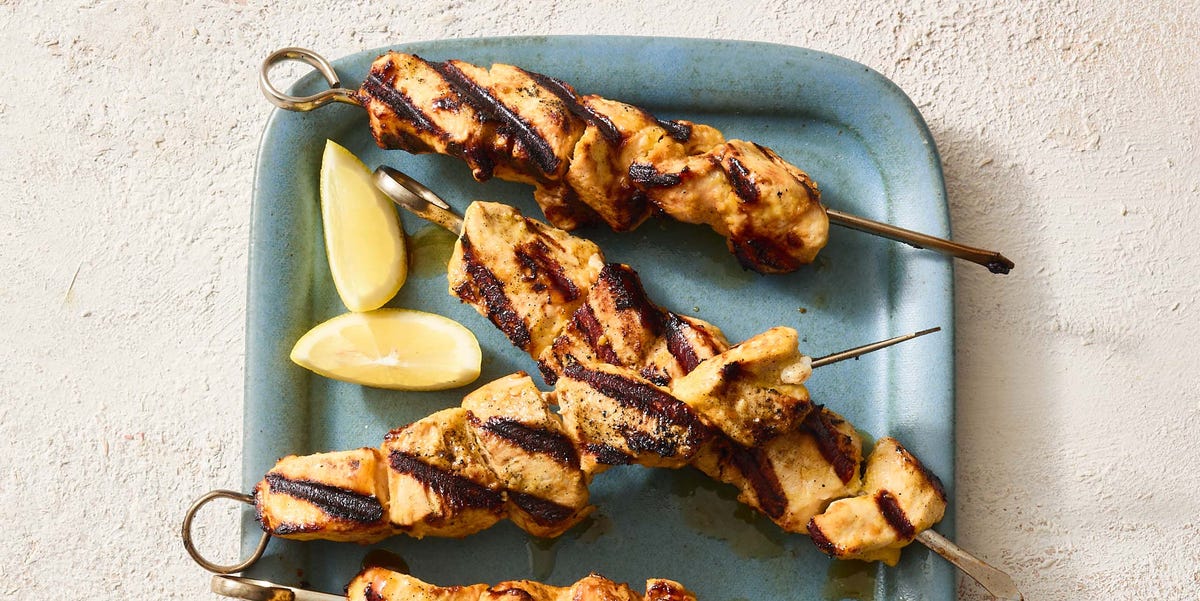

Citrus-marinated chicken skewers are the kind of meal that tastes like you planned your life better than you did.
Bright, juicy, a little charred at the edges, and somehow “fresh” even when you’re eating it straight off the skewer
over the sink like a goblin (no judgmentskewers were basically invented for that).
This guide walks you through how to build a citrus marinade that actually delivers: bold flavor, tender chicken, and
reliable grilling results. You’ll get the “why” (so you can wing it later), the “how” (so dinner happens today),
and the “don’t do this unless you enjoy dry chicken” moments we all learn the hard way.
What Makes Citrus Marinade So Good?
1) Citrus brings flavor in two different ways: juice and zest
Citrus juice gives acidity and brightness. Citrus zest (the colored outer peel) carries aromatic oils that smell like
summer even if you’re cooking in a hoodie. If you only use juice, your marinade can taste “flat sour.” If you use zest
plus juice, it tastes like citrus, not like you lost a fight with a lemon.
2) Salt does the heavy lifting
A good marinade is secretly a light brine. Salt helps chicken stay juicy by improving how it retains moisture during cooking.
That’s why “just citrus juice” marinades often disappointwithout salt, you get zing but not depth.
3) Time matters (and more is not always more)
Citrus is acidic. Acid is useful in moderation, but too much time can make the outside of chicken turn oddly soft or
mealy. For skewerswhere pieces are small and exposedshorter marinating times usually win.
The Best Citrus Marinade Blueprint
This is the core formula you can memorize. Once you have it, you can swap flavors endlesslyorange-lime-chili one night,
lemon-herb the next, grapefruit-honey when you’re feeling fancy.
Core ratio (for about 2 pounds of chicken)
- Citrus: 1/3 cup fresh citrus juice (mix and match: orange + lime is a classic)
- Zest: 1 to 2 teaspoons zest (from 1 to 2 citrus fruits)
- Oil: 1/4 cup olive oil (or avocado oil)
- Salt: 1 1/4 teaspoons kosher salt
- Sweet (optional but helpful for browning): 1 to 2 teaspoons honey or brown sugar
- Aromatics: 2 to 4 cloves garlic (minced) and/or 1 teaspoon grated ginger
- Spices: 1 teaspoon ground cumin or smoked paprika (or both, if you’re feeling confident)
- Heat (optional): pinch of red pepper flakes or 1 chopped jalapeño
Recipe: Best Citrus-Marinated Chicken Skewers
Ingredients
- 2 pounds boneless, skinless chicken thighs (preferred) or chicken breast
- 1/3 cup fresh orange juice
- 2 tablespoons fresh lime juice
- 1 to 2 teaspoons orange zest + 1 teaspoon lime zest
- 1/4 cup olive oil
- 1 1/4 teaspoons kosher salt
- 1/2 teaspoon black pepper
- 3 cloves garlic, minced
- 1 teaspoon ground cumin
- 1 teaspoon smoked paprika
- 1 to 2 teaspoons honey (optional, for caramelized edges)
Optional add-ons (choose your vibe)
- Herby: 2 tablespoons chopped cilantro or parsley
- Spicy: 1 teaspoon chili powder or a minced jalapeño
- Greek-ish: 2 tablespoons Greek yogurt (adds gentle tang and helps browning)
Tools
- Grill (gas or charcoal) or grill pan
- Skewers (metal recommended; wooden also works)
- Instant-read thermometer (your future self will thank you)
Step-by-step instructions
-
Prep the skewers.
If using wooden skewers, soak them in water for at least 20–30 minutes so they’re less likely to burn.
(Metal skewers: skip this and feel superior.) -
Cut the chicken evenly.
Cut into 1 to 1 1/4-inch chunks. Consistent size means consistent cooking, which means fewer “somehow raw and dry”
piecesan impressive but tragic achievement. -
Make the marinade.
In a bowl, whisk orange juice, lime juice, zest, olive oil, salt, pepper, garlic, cumin, smoked paprika, and honey.
Taste it. It should be bright, savory, and slightly salty. If it tastes bland now, it won’t magically get louder later. -
Marinate.
Add chicken to a zip-top bag or covered container, pour in marinade, and turn to coat.
Refrigerate for 30 minutes to 4 hours (1–2 hours is a sweet spot for most kitchens). -
Thread the skewers.
Thread chicken pieces with a little breathing room between them. Pack them too tightly and you’ll steam, not grill.
For extra stability, use two skewers per row of chicken (especially with thighs). -
Preheat the grill.
Aim for medium-high heat. Clean and lightly oil the grates. Hot grill + clean grates = less sticking. -
Grill.
Grill skewers about 8–12 minutes total, turning every 2–3 minutes for even browning.
If you used honey/sugar, watch carefullysweet marinades brown fast and can burn if ignored. -
Check doneness the smart way.
Use an instant-read thermometer and cook chicken to 165°F at the thickest piece.
Then rest skewers for 3–5 minutes so juices settle.
Timing Cheat Sheet
| Task | Best Range | Why it matters |
|---|---|---|
| Marinate time | 30 minutes to 4 hours | Plenty of surface flavor; too long in strong acid can hurt texture |
| Grill time | 8 to 12 minutes | Depends on chunk size and heat; turn often for even char |
| Rest time | 3 to 5 minutes | Juicier bites, less drip-loss |
Flavor Variations That Still Count as “Best”
Orange-Lime-Chili (cookout classic)
- Swap cumin for chili powder
- Add 1 teaspoon grated ginger
- Finish with chopped cilantro and extra lime wedges
Lemon-Herb “Greek-ish”
- Use lemon juice + lemon zest
- Add oregano (1 teaspoon dried or 1 tablespoon fresh)
- Stir in 2 tablespoons Greek yogurt for a gentler tang and juicy texture
Grapefruit-Honey (surprisingly addictive)
- Use grapefruit juice + zest
- Increase honey to 1 tablespoon (then watch for burning)
- Add a pinch of smoked paprika for “sweet-meets-fire” energy
The “Shortcut Citrus” Option (for real life)
No, bottled juice isn’t the same as freshbut if it gets dinner on the table, it’s still a win.
If using bottled juice, don’t skip zest (fresh zest makes it taste alive). And go easy on the marinating time, since
bottled juices can vary in acidity and sweetness.
Pro Tips for Juicy Skewers (and Fewer Regrets)
Choose thighs when you can
Chicken thighs are more forgiving on the grilljuicy, flavorful, and less likely to dry out if you get distracted
because someone is arguing about which song “counts as classic rock.”
Pat off excess marinade if it’s very wet or sugary
You don’t need to rinse (please don’t rinse). Just let excess drip off, and if the surface looks glossy-wet, pat lightly
with paper towels. This helps you get char instead of burnt syrup.
Use two-zone heat if you can
On charcoal, pile coals on one side. On gas, leave one burner off. Start skewers over direct heat for browning,
then move to indirect heat if they’re browning too fast before cooking through.
Don’t guess doneness
Chicken goes from “juicy” to “why is this chewable drywall” quickly. A thermometer removes the drama.
Pull at 165°F and rest.
Food Safety Notes (Because Delicious Shouldn’t Be Risky)
- Marinate in the refrigerator, not on the counter.
- Keep raw chicken (and its marinade) away from ready-to-eat foods. Use separate plates and utensils.
-
Don’t reuse marinade from raw chicken as a sauce unless you boil it.
Even better: reserve a clean portion of marinade (or make a quick fresh drizzle) before chicken touches anything. - Cook poultry to 165°F for safety.
- Refrigerate leftovers promptly and eat within a few days for best quality.
What to Serve with Citrus Chicken Skewers
Citrus chicken loves anything that’s cool, crunchy, or carb-adjacent. A few solid pairings:
- Tzatziki or yogurt-cucumber sauce (cooling and tangy)
- Grilled veggies (zucchini, peppers, red onionskewer-friendly)
- Coconut rice (sweetness balances citrus bite)
- Simple salad with avocado and toasted pepitas
- Warm pita or tortillas for an easy “skewer taco” situation
Oven and Air Fryer Options (When the Grill Is a Myth)
Oven broiler
Thread chicken onto skewers (use metal or soak wooden thoroughly), place on a foil-lined sheet pan, and broil 4–6 inches
from the heat. Turn skewers every few minutes until browned and cooked to 165°F.
Air fryer
If your skewers fit, air fry at a high setting (often 375–400°F) and turn halfway through. Cook times vary by model, so
use a thermometer for the final call. You’ll miss a little smoky char, but you’ll gain “didn’t have to go outside,” which
is a powerful flavor.
FAQ
Can I marinate overnight?
You can, but it’s not always ideal with citrus-heavy marinades. If you need to prep ahead, consider either:
(1) marinating for a shorter time (1–4 hours), or (2) using a gentler acidic base (like a yogurt-citrus blend) and keeping
the citrus juice portion modest. When in doubt, shorter is safer for texture.
Is zest really necessary?
Not strictly, but it’s what makes “citrus-marinated” taste like citrus rather than sour chicken. Zest delivers aroma and
complexity without turning the whole thing into acid soup.
How do I prevent sticking?
Preheat well, clean grates, and lightly oil the grill. Don’t force the first flipif it’s sticking, it usually needs
another minute to release naturally.
of Real-World Skewer Experiences (So You Don’t Learn the Hard Way)
Here’s what tends to happen when citrus chicken skewers meet actual human life: people show up hungry, someone forgets a
serving utensil, and the grill runs hotter than expected because your neighbor is very excited about charcoal. The good news?
Citrus-marinated chicken is surprisingly resilientif you treat it like skewers and not like a “set it and forget it”
brisket fantasy.
One common experience home cooks report is the “wow, that browned fast” moment. Citrus marinades often include some natural
sugars (especially if you use orange juice or honey). On a hot grill, that sweetness browns quickly, which is wonderful when
you’re attentive and chaotic when you’re not. The practical fix is simple: keep the lid open more often, turn every couple of
minutes, and use a two-zone setup so you can slide skewers to safety if they start to darken before they’re cooked through.
This is also where thighs earn their paycheckthey stay juicy even if you need an extra minute on indirect heat.
Another real-life scenario: you prep early, toss chicken in marinade, and then the day gets away from you. If you’re crossing
the 4-hour mark and you’re using a strong citrus base, you may notice the outside of the chicken feels softer or looks a bit
“cooked” before it hits heat. That’s the acid doing its thing. It’s not automatically a disaster, but it can lead to a slightly
mushy surface once grilled. A smart workaround is to keep your prep flexible: mix the marinade ingredients in advance, keep the
chicken plain in the fridge, and combine them closer to cooking time. Or, if you know you’ll need longer marinating time, shift
the marinade toward a gentler base by adding a spoonful or two of yogurt and dialing back the juice.
Skewer mechanics are also a frequent “learning moment.” If chicken spins when you try to flip it, it’s annoying at best and a
dropped-skewer tragedy at worst. Many cooks solve this by using flat metal skewers or threading chicken with two skewers
parallel to each other. It looks a little extra, but it makes flipping cleaner, keeps pieces flat against the heat, and helps
you get those even caramelized edges that make skewers feel restaurant-y.
Finally, there’s the party factor: citrus chicken skewers tend to disappear fast. If you’re feeding a group, plan for about
2–3 skewers per adult (more if they’re the “protein first” crowd). If you want to feel like a genius host, reserve a small bowl
of fresh finishing saucesomething as easy as orange zest, lime juice, olive oil, salt, and chopped herbs. Drizzle it right before
serving. It wakes up the flavor, makes the platter look glossy and intentional, and creates that “what’s in this?” reaction that
keeps people hovering near the grill like it’s a concert.
Conclusion
The best citrus-marinated chicken skewers aren’t complicatedthey’re balanced. Use zest for aroma, salt for juiciness, oil for
richness, and just enough citrus juice to brighten everything without turning the texture weird. Grill hot, turn often, cook to
165°F, and let the skewers rest before you attack them like you haven’t eaten all day. (Even if you haven’t.)