
“You’re done with treatment!” might be the most beautiful sentence you’ll ever hear—and also one of the most confusing. Because right after the hugs and happy tears, the hard questions sneak in: Should I do more treatment, just in case? What if the cancer comes back? How much side effect is too much?
Welcome to the post-cancer treatment balancing act: weighing your quality of life against the risk of recurrence. It’s not a simple math problem. It’s more like juggling while walking a tightrope—with your health, future plans, and sanity all in the mix.
This guide walks you through what doctors mean by recurrence risk, how ongoing or extended treatments can help (and complicate things), and how to make choices that honor both your body and your life. We’ll talk about real-world scenarios, questions to ask your oncology team, and what other survivors often wrestle with along the way.
Life After the “Last” Treatment: What Really Changes
Many people assume life snaps back to “normal” once chemotherapy, radiation, or surgery ends. In reality, survivorship is its own phase of cancer care, with its own challenges and decisions.
Common Long-Term and Late Effects
Depending on your cancer type and treatment, you might still be dealing with:
- Fatigue that feels like someone stole your batteries and forgot to tell you.
- Sleep problems, including trouble falling or staying asleep.
- Pain, joint stiffness, or neuropathy (tingling, burning, or numbness in hands and feet).
- Brain fog (a.k.a. “chemo brain”) that makes multitasking or remembering names harder.
- Emotional changes, such as anxiety, depression, or fear of recurrence.
- Sexual health issues, including low libido, pain with intimacy, or body image concerns.
These lingering effects matter when you’re considering additional or extended treatment. If you’re already running on fumes, adding another medication with more side effects may feel like too much—even if it promises a small bump in recurrence protection.
The Fear of Recurrence Is Real
Fear of recurrence is one of the top concerns survivors report, right up there with long-term side effects, finances, and fatigue. It can show up as:
- Racing thoughts before scans or follow-up visits.
- Worry that every ache or cough means the cancer is back.
- Difficulty planning for the future because “what if?” is always in the background.
That fear naturally pushes some people toward “doing everything possible,” even if the benefit is small. Others lean toward protecting their current quality of life, even if that means accepting a little more uncertainty. Both responses are understandable, and neither is “wrong.”
Understanding Recurrence Risk (Without Needing a Statistics Degree)
To make sense of post-treatment options, it helps to understand what doctors mean by recurrence risk.
Recurrence Risk Isn’t One-Size-Fits-All
Your personal risk of cancer coming back depends on several factors, including:
- Cancer type (breast, colorectal, lung, prostate, etc.).
- Stage at diagnosis (early-stage vs more advanced disease).
- Tumor biology (hormone receptor status, HER2 status, molecular markers, gene profiles).
- Response to initial treatment (was all visible disease removed or eradicated?).
- Other health conditions (heart disease, diabetes, kidney disease, etc.).
For some early-stage cancers, the chance of recurrence after standard treatment is already quite low. In others, the risk may still be moderate or high, especially in the first few years. That’s why your oncologist may bring up options like extended hormone therapy, maintenance immunotherapy, or additional chemotherapy.
Relative Risk vs Absolute Risk
When you hear numbers, it’s crucial to understand the difference between relative risk and absolute risk:
- Relative risk reduction sounds big: “This treatment can lower your risk by 30%.”
- Absolute risk reduction answers, “30% of what?”
For example:
- If your baseline recurrence risk is 30%, a 30% relative reduction lowers it to about 21%. That’s a 9-point absolute improvement, which may feel very meaningful.
- If your baseline risk is 5%, the same 30% relative reduction takes you down to 3.5%. That’s just a 1.5-point absolute difference, which some people will accept treatment for—and others will not.
Getting these numbers in plain language is vital when you’re deciding whether more treatment is worth the trade-offs.
Post-Cancer Treatment Options: Beyond “You’re Done”
After primary treatment (surgery, main chemotherapy, radiation), your team may discuss several options. Think of them as different “paths” with different balances of benefit, risk, and lifestyle impact.
Path 1: Surveillance-Only (Watchful Follow-Up)
For many survivors, the recommended plan is regular follow-up visits and tests without additional active treatment. This usually includes:
- Physical exams at set intervals.
- Periodic imaging (like mammograms, CT scans, or ultrasounds) when appropriate.
- Blood work or tumor markers if relevant.
- Monitoring and managing long-term side effects and general health.
Surveillance doesn’t “prevent” recurrence, but it aims to catch problems early while also minimizing unnecessary treatment toxicity. For people whose recurrence risk is already low, this approach often provides a good balance: less day-to-day disruption, fewer side effects, and still a solid safety net.
Path 2: Extended or Maintenance Therapy
In other situations, your team might recommend extending or adding treatment after your main therapy is done. Examples include:
- Extended hormone therapy (for some breast or prostate cancers).
- Maintenance targeted therapy or immunotherapy (for certain lung, colorectal, and other cancers).
- Prolonged oral chemotherapy in specific cancer types.
The idea is to keep microscopic cancer cells from growing or returning. The trade-off? These drugs can come with ongoing side effects:
- Hot flashes, mood swings, joint pain, and bone loss with some hormone therapies.
- Fatigue, skin problems, diarrhea, or immune-related side effects with targeted and immunotherapies.
- Continued clinic visits, lab checks, copays, and time away from work or family.
For higher-risk situations, the potential reduction in recurrence can be large enough that many people feel the trade-off is worth it. For lower-risk survivors, those same side effects may feel like “overkill.”
Path 3: Clinical Trials and Emerging Strategies
Some survivors qualify for clinical trials aimed at:
- Refining surveillance schedules.
- Testing shorter, smarter, or more targeted maintenance therapies.
- Using AI and real-world data to better personalize recurrence risk and follow-up plans.
Clinical trials can offer access to cutting-edge care, but they may also add visits, tests, or uncertainty about long-term outcomes. Again, it’s a balance between potential benefits and day-to-day life impact.
Quality of Life: More Than Just “Not Dying”
Most survivors don’t think in pure survival percentages. You’re also weighing how you feel, how you function, and how you want to live.
Physical and Emotional Well-Being
Quality of life includes:
- How much energy you have for work, parenting, hobbies, or simply getting out of bed.
- How much pain or discomfort you experience every day.
- Your ability to concentrate, remember, and make decisions.
- Your mood, anxiety levels, and sense of control over your health.
If an added treatment significantly worsens any of these areas, you may fairly question whether the benefit in recurrence reduction is worth it—especially if that benefit is modest.
Financial Toxicity: The Invisible Side Effect
There’s also the money side, sometimes called financial toxicity:
- Insurance deductibles and co-pays that pile up like laundry.
- Lost wages from missed work or reduced hours.
- Travel, parking, childcare, and other “side costs” of ongoing treatment.
Studies show that cancer-related financial stress is linked to worse quality of life and even worse health outcomes. In other words, if paying for another year of treatment means constant money anxiety, it’s not a small side issue—it’s a real part of the risk–benefit equation.
Relationships, Identity, and Time
Beyond health and finances, your sense of self matters too. Survivors often ask:
- “Do I want to spend the next two years in clinics, or do I want to travel / move / start that project?”
- “How will more treatment affect my role as a parent, partner, or caregiver?”
- “Do I feel more like a ‘patient’ than a person, and do I want that to continue?”
None of these questions appear on a lab test, but they deeply influence what “the right choice” looks like for you.
How to Balance Quality of Life Vs Recurrence Risk
This is where evidence, values, and communication all meet. You don’t have to make this decision overnight, and you don’t have to make it alone.
Step 1: Ask for Clear, Personalized Numbers
When your team suggests ongoing or extended therapy, try questions like:
- “What is my risk of recurrence right now if I do nothing more?”
- “How much will this treatment lower that risk in absolute terms?”
- “Is the benefit mostly in preventing distant (metastatic) recurrence, local recurrence, or both?”
- “Are there decision tools or risk calculators for my specific cancer type?”
Having numbers (even approximate ranges) turns a vague fear into something you can weigh against concrete side effects.
Step 2: Get Honest About Your Tolerance for Side Effects
Ask yourself:
- “What side effects am I already living with, and how much worse could they get?”
- “What side effects would I absolutely not accept?”
- “If this treatment makes my day-to-day life harder, for how long am I willing to put up with that?”
Bring those answers to your visit. Saying, “I’m willing to do more treatment, but I can’t handle anything that worsens my neuropathy,” gives your team a clear starting point.
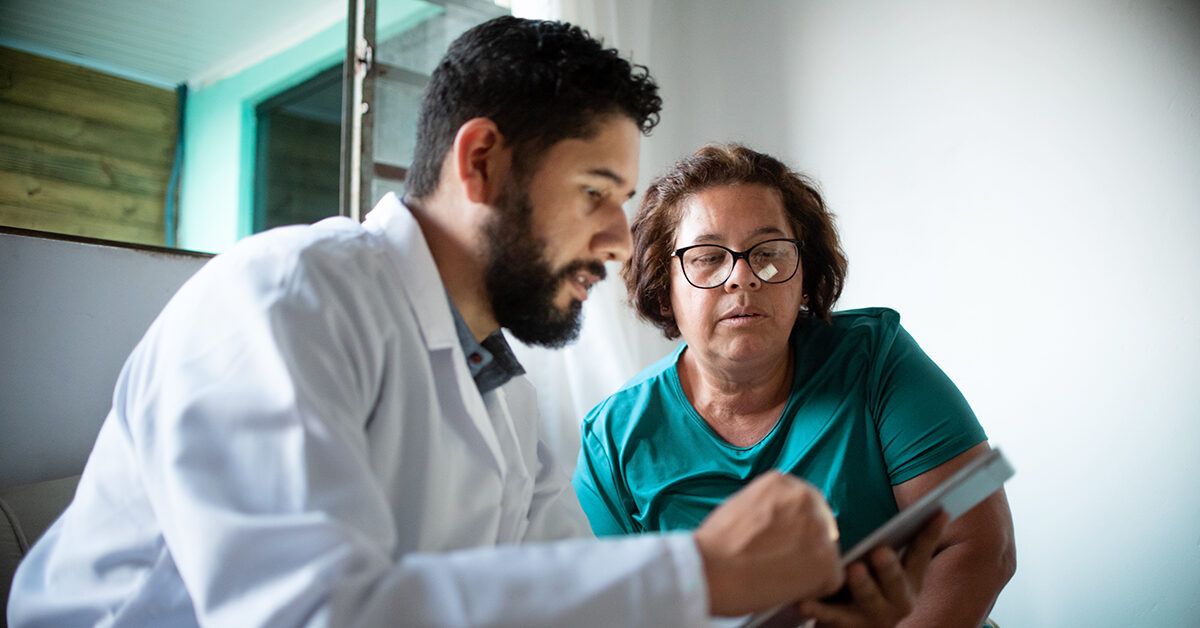
Step 3: Practice Shared Decision-Making
Modern cancer care emphasizes shared decision-making, which means:
- Your team shares the best available evidence.
- You share your values, fears, goals, and deal-breakers.
- Together, you work toward a choice that fits both the science and your life.
Decision aids (booklets, online tools, or worksheets) can help you compare options side by side and reduce decision regret down the road.
Step 4: Consider Your Whole Health Plan
You’re not choosing between “more treatment” and “doing nothing.” Even if you skip extended therapy, you can still:
- Follow a structured surveillance schedule.
- Address long-term side effects with rehab, pain specialists, or integrative therapies.
- Adopt lifestyle habits linked to lower recurrence risk and better overall health (physical activity, not smoking, balanced eating, limited alcohol, stress management).
- Seek counseling, support groups, or survivorship programs to help with fear of recurrence and anxiety.
All of these are active choices that support both quality of life and long-term health.
Real-World Scenarios: How People Decide
Scenario 1: Early-Stage Breast Cancer and Extended Hormone Therapy
Alex is 48 and finished five years of hormone therapy after early-stage, hormone receptor–positive breast cancer. Her oncologist explains that taking the medication for another five years could further lower her recurrence risk—but she’s already dealing with joint pain, hot flashes, and sleep problems.
After reviewing her recurrence numbers, Alex learns that extended therapy may reduce her absolute risk by a few percentage points. She asks herself, “Is it worth five more years of feeling 75 years old at 48?” For her, the answer is no. She chooses to stop therapy, but sticks closely to her follow-up plan, exercise routine, and counseling for fear of recurrence.
Scenario 2: Stage III Colon Cancer and Maintenance Therapy
Jordan is 62, recently completed surgery and chemotherapy for stage III colon cancer, and is offered an additional period of maintenance treatment. The potential benefit is greater in his case, but he already has significant neuropathy and worries about losing his ability to work with his hands.
With his oncologist, Jordan weighs the numbers and decides to accept a shorter duration of maintenance treatment, with a plan to stop early if neuropathy progresses. This middle-path option reflects both his desire to reduce recurrence and his need to preserve his livelihood.
Scenario 3: Choosing a Clinical Trial vs Standard Surveillance
Riley finished treatment for a blood cancer and qualifies for a trial investigating a new maintenance drug. The drug’s benefits are promising but not yet proven; it also requires frequent visits to a major cancer center several hours away.
Riley’s top priorities are spending time with family and minimizing hospital trips. After discussing it thoroughly, they decide that standard surveillance aligns better with their goals. Riley feels confident in this choice because it came from a careful shared decision-making process, not from fear alone.
of Lived Experience: Walking the Tightrope
Statistics and guidelines are important, but life is lived in the spaces between clinic appointments. Here’s what “balancing quality of life vs recurrence” can look like in everyday, human terms.
1. The “I Want My Life Back” Moment
Many survivors describe a day when they look around and think, “I am so tired of being a patient.” It might be while filling yet another prescription at the pharmacy, watching friends post vacation photos from a chemo chair, or putting on a hospital gown for the hundredth time. That moment doesn’t mean they’re ungrateful to be alive; it means they’re hungry for a life that feels like more than appointments.
When more treatment is on the table, that feeling becomes part of the decision. Some people say, “If this buys me a real chance to avoid metastatic disease, I’ll keep going.” Others say, “I’d rather have fewer years feeling well than more years feeling half-alive.” Both positions come from love—love for family, love for time, love for feeling like themselves again.
2. The Quiet Work of Fear Management
Fear of recurrence doesn’t usually look like movie-style panic. It’s more subtle. You might notice you’re holding your breath during scan week, or you’re compulsively checking your patient portal for lab results. You may mentally replay conversations with your oncologist, wondering if you missed a clue or a better option.
Balancing quality of life includes acknowledging that fear and finding tools to keep it from running the show. Some survivors swear by therapy or support groups. Others use mindfulness, journaling, or faith practices. A few simply schedule a “worry appointment” with themselves—30 minutes to catastrophize, and then they gently shift their focus back to life outside cancer. None of these strategies change your recurrence risk, but they absolutely change how you experience it.
3. The Financial Reality Check
Money conversations are awkward, but cancer doesn’t care about social etiquette. If ongoing treatment threatens your ability to pay your mortgage, put food on the table, or keep your insurance, that’s not just a “budget issue.” It can affect mental health, relationships, and access to care if you eventually skip meds or visits to save money.
Many survivors have found it empowering to bring finances into the medical conversation: “If we choose this option, my out-of-pocket costs will be about X dollars per month. Is there a lower-cost alternative with similar benefit? Are there patient assistance programs?” Being open about financial stress can lead to practical help and more realistic treatment planning.
4. Redefining “Good Outcomes”
Before cancer, “success” might have meant career milestones, marathon medals, or a perfectly curated Instagram grid. After cancer, the bar can shift in surprisingly beautiful ways: getting through a day without a nap, going to your kid’s recital, laughing at something that has nothing to do with health.
When you evaluate treatment options, it helps to ask, “What does a good outcome look like for me?” For some, it’s maximizing the odds of being alive at ten years, even if that means more treatment now. For others, it’s the ability to enjoy the next two or three years with minimal medical interference. There’s no universal right answer—only the answer that best matches your values and hopes.
5. Giving Yourself Permission
One of the hardest parts of this balancing act is the pressure to “fight” the right way. Survivors sometimes worry that if they decline more treatment, others will think they’ve “given up.” In reality, choosing a path that prioritizes quality of life can be just as brave as choosing more aggressive treatment. Both require facing uncertainty with open eyes.
Giving yourself permission might sound like this: “I’ve listened to the data, I understand the risks, and I am choosing the option that fits my life and values. That is not quitting; that is owning my story.” Bringing your care team, family, and support network into that conversation can transform the decision from lonely to shared.
Bringing It All Together
Balancing post-cancer treatment options is not about picking the “perfect” path. It’s about finding a plan that respects both the science and your humanity. That means:
- Getting clear information about your recurrence risk and how much any extra treatment will actually change it.
- Weighing side effects, practical burdens, finances, and emotional well-being alongside survival numbers.
- Using shared decision-making with your oncology team so you’re not carrying the decision alone.
- Remembering that quality of life is not a luxury add-on—it’s a core part of good care.
In the end, you are more than a statistic, a scan result, or a set of guidelines. You’re a whole person with dreams, responsibilities, and a life to live after cancer. The “right” treatment balance is the one that lets you look at your reflection and say, “Given everything I knew at the time, I chose the path that felt most true to me.” And that, truly, is fit for a king.