
If you wake up with a sore, puffy bump on your eyelid, your first thought is usually not calm, measured medical analysis. It is more like, “Great. My eye has grown its own tiny volcano.” The good news is that a stye is usually more annoying than dangerous. The even better news is that styes are not usually considered contagious in the way pink eye is. Still, that does not mean you should start sharing towels, makeup, or pillowcases like a generosity influencer.
A stye is a common eyelid problem that often appears as a red, tender lump near the eyelashes or just inside the lid. It may look dramatic, feel irritating, and make you blink like your eye is filing a complaint. But in most cases, it improves with warm compresses, better eyelid hygiene, and a little patience. Understanding what causes a stye, how bacteria can play a role, and how to prevent it from coming back can save you a lot of discomfort later.
In this guide, we will answer the big questionAre styes contagious?and cover symptoms, causes, prevention tips, treatment options, and the signs that mean it is time to call a doctor instead of trying to out-stare the mirror.
Are Styes Contagious?
The short answer is: usually no, not in the classic person-to-person way. A stye is generally a localized infection or inflammation involving an eyelid oil gland or eyelash follicle. It is not typically treated like pink eye, which can spread quickly through classrooms, households, and offices.
That said, there is an important little asterisk here. Because bacteria are often involvedespecially Staphylococcus bacteria that commonly live on the skinsome bacteria from a draining stye can spread through direct contact. So while the stye itself is not usually labeled contagious, the bacteria around it can still hitch a ride on your hands, washcloths, pillowcases, contact lenses, or eye makeup.
That is why hygiene matters so much. If you touch your stye and then rub your other eye, use the same towel on someone else, or keep wearing contaminated contact lenses, you may increase the risk of irritation or another infection. In plain English: your stye is not a social butterfly, but the bacteria around it can still be rude houseguests.
How a Stye Differs From Pink Eye
People often confuse styes with pink eye because both involve redness and irritation around the eye. But they are not the same thing. Pink eye usually affects the thin membrane covering the white of the eye and inside the eyelid, often causing widespread redness, discharge, and contagious spread. A stye, on the other hand, is usually a single painful bump on the eyelid. It is more like a blocked, irritated, or infected gland than a rapidly spreading eye infection.
What Exactly Is a Stye?
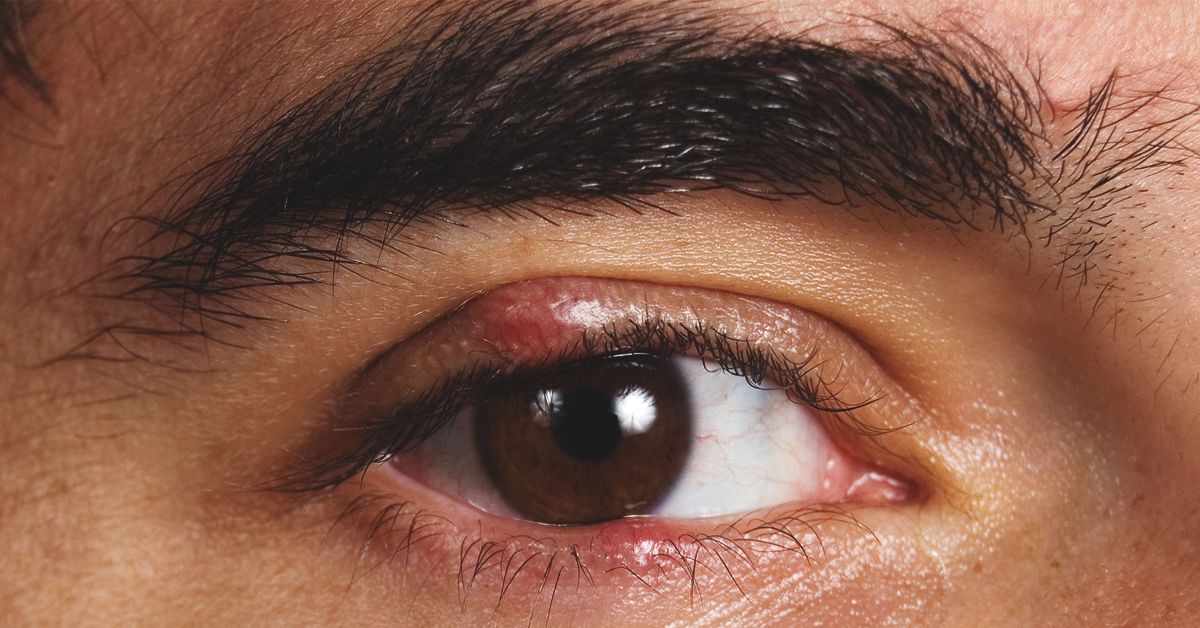
A stye, also called a hordeolum, is a painful bump that forms when an oil gland or eyelash follicle becomes blocked and inflamed, often with bacterial involvement. It may appear:
- On the outside of the eyelid, near the base of the eyelashes
- On the inside of the eyelid, where it can feel deeper and more uncomfortable
Styes are often filled with pus, which is why they can resemble a small boil or pimple. They may start with tenderness, swelling, and redness before the lump becomes obvious.
Stye vs. Chalazion
This is where things get confusing fast. A chalazion is not the same as a stye, even though people use the terms like they are cousins who borrow each other’s names. A chalazion usually develops when an oil gland gets blocked without an active infection. It often feels firmer, grows more slowly, and is usually less painful than a stye.
So if your eyelid lump is sore, red, and tender, it is more likely a stye. If it is a firm, painless bump that lingers, a chalazion may be the better fit. Either way, warm compresses are often the first step.
What Causes Styes?
Most styes happen because a small gland in the eyelid gets clogged and bacteria move in. The most common bacterial culprit is Staphylococcus aureus, a type of bacteria that normally lives on human skin. It usually minds its business, but when it slips into a blocked gland or hair follicle, trouble starts.
Here are the most common causes and triggers of styes:
- Touching your eyes with unwashed hands
- Poor contact lens hygiene
- Sleeping in eye makeup
- Using old or contaminated cosmetics
- Rubbing your eyes often
- Chronic eyelid inflammation, such as blepharitis
- Skin conditions like rosacea or seborrheic dermatitis
- A history of previous styes
Some people are simply more prone to recurring styes because of oily eyelids, chronic inflammation, or underlying skin conditions. If styes keep coming back, the issue may be less about bad luck and more about a lid hygiene problem that needs regular attention.
Common Stye Symptoms
Styes usually do not arrive quietly. Common symptoms include:
- A red bump on the eyelid
- Pain or tenderness
- Swelling of the eyelid
- Tearing or watery eyes
- A scratchy feeling, like something is in the eye
- Crusting near the eyelashes
- Sensitivity when blinking
If the bump is deep inside the eyelid, the swelling may look more dramatic than the bump itself. In some cases, the entire eyelid becomes puffy enough to make people wonder whether they got stung by a bee, lost a fight with a dust bunny, or both.
How Long Does a Stye Last?
Most styes improve within a few days and go away within about one to two weeks. Warm compresses often help them drain and heal faster. Some resolve without any medical treatment at all.
However, not every eyelid bump gets the memo. A stye can linger, become more swollen, or transition into a chalazion. If it is not getting better after a couple of days of home care, or if it keeps recurring in the same area, it is smart to get it checked.
How to Treat a Stye at Home
For most people, home treatment is the main event. The star player is the warm compress.
Best Home Remedies for a Stye
- Apply a warm compress for 5 to 10 minutes, two to four times a day
- Use a clean washcloth each time so you do not reintroduce bacteria
- Gently cleanse the eyelid with mild soap and water or an eyelid cleanser
- Take a break from contact lenses until the stye heals
- Skip eye makeup while the area is inflamed
What You Should Not Do
- Do not squeeze, pop, or lance the stye yourself
- Do not keep wearing potentially contaminated eye makeup
- Do not keep reusing the same dirty washcloth
- Do not rub the eye constantly just because it feels irritated
Squeezing a stye might seem like a quick fix, but it can worsen inflammation, spread bacteria, and turn a small problem into a larger one. This is one of those rare life situations where leaving the bump alone is the truly mature choice.
How to Prevent Styes
If you are someone who gets styes more than once, prevention becomes less of a suggestion and more of a lifestyle upgrade. The goal is to reduce bacteria, avoid blocked oil glands, and keep your eyelids cleaner than your average lazy Tuesday usually allows.
Smart Prevention Tips
- Wash your hands often and avoid touching your eyes
- Remove all eye makeup before bed
- Replace mascara and eyeliner regularly
- Never share eye makeup, towels, or washcloths
- Clean and disinfect contact lenses exactly as directed
- Use regular warm compresses if you are prone to styes
- Manage blepharitis or rosacea with your doctor’s guidance
- Protect your eyes from dust and irritants when possible
For people with chronic eyelid inflammation, gentle lid scrubs or regular eyelid cleansing may lower the risk of future flare-ups. It is not glamorous, but neither is hosting repeat performances of “The Eyelid Bump Returns.”
When a Stye Might Spread Bacteria
Although styes are not usually classified as contagious, bacteria can spread through contact. This matters most when the stye is draining. Here are the situations where you should be extra careful:
- You touch the stye and then touch the other eye
- You share towels, pillowcases, or washcloths
- You use the same makeup products during and after the infection
- You keep wearing contact lenses without proper cleaning
Basic hygiene can reduce the odds of spreading bacteria to yourself or anyone else. Wash your hands after touching the area, launder pillowcases and washcloths often, and avoid sharing anything that touches the eye area. This is not overreacting. This is your eyelids asking for a little professionalism.
When to See a Doctor
Most styes are minor, but some deserve medical attention. Contact a healthcare professional if:
- The stye is not improving after 48 hours of home care
- It keeps coming back
- Redness or swelling spreads across the whole eyelid or into the face
- You develop vision changes, significant pain, or light sensitivity
- You cannot comfortably open the eye
- You have fever or feel generally unwell
A doctor may recommend prescription treatment, evaluate whether it is really a stye or a chalazion, or drain the area if necessary. Rarely, what looks like a stubborn stye may turn out to be another eyelid condition altogether.
Final Thoughts
So, are styes contagious? Usually not in the way most people mean by contagious. They are generally localized eyelid infections or inflammation, not the kind of condition that tears through households the way viral pink eye can. But because bacteria may be involved, especially if the stye is draining, good hygiene still matters a lot.
The best defense is simple: keep your hands clean, treat your eyelids kindly, replace old makeup, handle contact lenses properly, and resist the urge to squeeze the bump like you are starring in a questionable skincare tutorial. Most styes heal well with warm compresses and patience. If they do not, or if the symptoms get worse, let a medical professional take the wheel.
Everyday Experiences With Styes: What People Commonly Notice
One reason styes cause so much anxiety is that they sit in a very inconvenient place: your face, specifically near one of the body parts people notice immediately. A tiny stye can feel emotionally larger than it really is. Many people describe the first day the same way. They think their eye feels “off,” maybe a little sore, maybe a little itchy, but nothing dramatic. Then by the next morning, the eyelid is swollen, tender, and suddenly the mirror feels personally judgmental.
A common experience is mistaking a stye for a pimple, an allergy flare, or the start of pink eye. Someone might try rinsing the eye, using allergy drops, or blaming pollen, dust, stress, lack of sleep, or the universe in general. Later, when the bump becomes more obvious, it finally clicks that this is not just irritationit is a stye taking center stage.
People who wear contact lenses often say a stye feels especially disruptive. Even if the bump is small, blinking can become uncomfortable, and wearing lenses may suddenly feel like putting plastic on top of a complaint letter. Many also realize, in hindsight, that they were a little too casual with lens hygiene or touched their eyes more than they thought. A stye has a way of turning ordinary habits into suspicious characters in a mystery novel.
Eye makeup users also share a familiar pattern. They may notice the stye after sleeping in mascara, using older eyeliner, or applying makeup during a hectic week when nightly routines got a little lazy. Then comes the tragic but necessary moment of deciding whether to throw out favorite products. Few things are less exciting than replacing a perfectly good mascara because your eyelid decided to revolt, but it is often the smarter move.
Parents frequently describe styes in children as confusing at first. Kids may complain that their eye hurts, but they do not always explain where or how. By the time adults spot the bump, there is already swelling and a lot of blinking, rubbing, and understandable drama. The challenge is getting children to leave the stye alone, avoid rubbing it, and sit still for warm compresses. For many families, this becomes less of a treatment plan and more of a tiny negotiation summit.
Another common experience is recurring styes. People with blepharitis, rosacea, oily eyelids, or chronic irritation often say the first stye seemed like bad luck, but the second or third one felt like a pattern. That is usually the moment when eyelid hygiene becomes part of daily life instead of an afterthought. Warm compresses, lid cleansing, clean pillowcases, and better makeup habits may not sound thrilling, but many people report fewer flare-ups once they stay consistent.
Perhaps the most relatable experience of all is how tempting it is to squeeze a stye. Almost everyone thinks about it. Most regret it if they try. The better stories usually come from the people who used warm compresses, gave it time, kept their hands off, and let the irritation settle down without turning a minor eyelid problem into a bigger one.