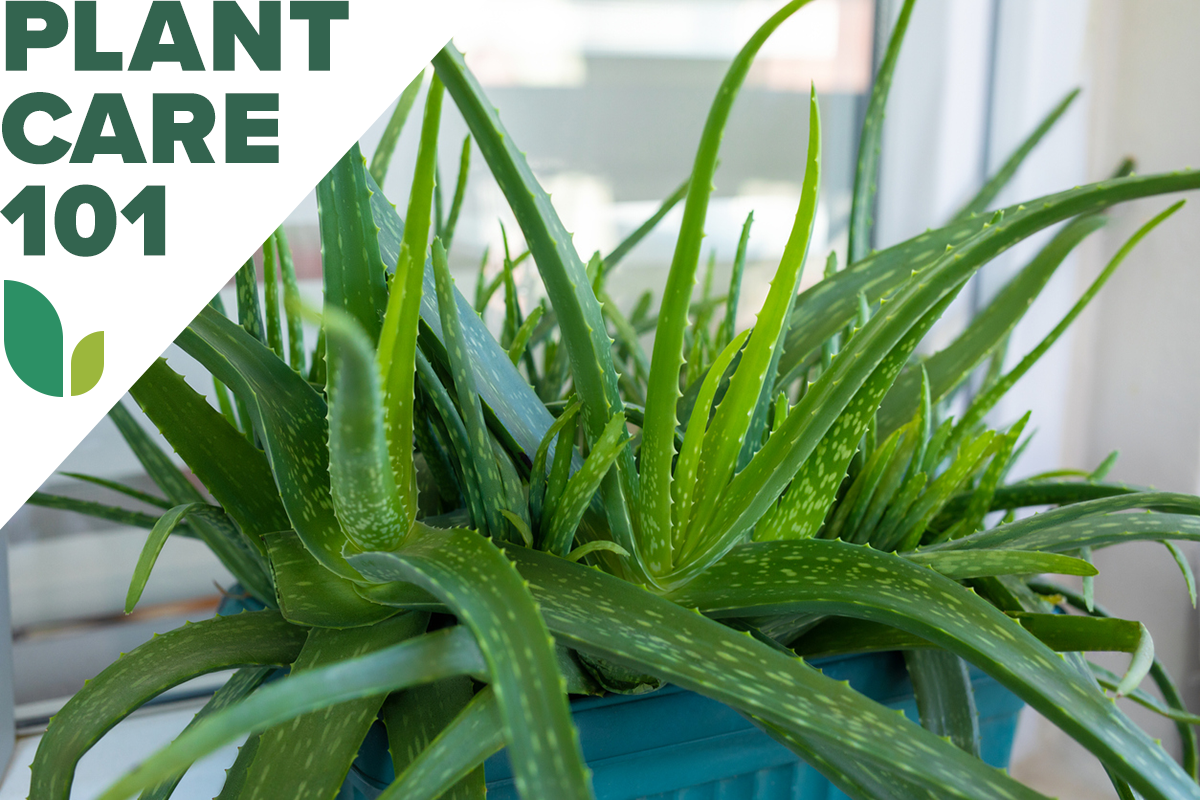

If plants came with personality types, aloe vera would be the chill friend who brings the first-aid kit to the beach. It doesn’t ask for much, looks good without trying, and is always ready with soothing gel when you burn yourself on a baking sheet. But as simple as aloe vera care seems, many people still end up with floppy, yellow, or shriveled leaves and wonder what went wrong.
This guide breaks down aloe vera plant care from a practical, Bob Vila–style perspective: no fluff, just what actually keeps this succulent happy indoors or out. We’ll cover light, water, soil, temperature, repotting, pups (yes, baby aloes!), and the most common mistakesplus some real-world “I learned the hard way” stories at the end.
Meet Your Aloe Vera: A Tough but Sensitive Succulent
Aloe vera (Aloe barbadensis miller) is a desert succulent. Its thick, fleshy leaves store water, which is why it can shrug off dry air and skipped waterings. In its native habitats, it grows in hot, sunny, well-drained spotsconditions you’ll want to mimic as much as possible at home.
Beyond looking sculptural on a windowsill, aloe is famous for its clear inner gel. Many people use that gel on minor burns and dry skin. Just keep in mind that the yellow sap (called aloin) just under the leaf skin can be irritating, and the plant is considered toxic to pets if ingested. So your aloe should live where cats, dogs, and toddlers can admire it, not chew on it.
The big picture: think “desert vacation,” not “swamp retreat.” Bright light, fast-draining soil, and a careful watering routine will do more for your aloe than any fancy fertilizer ever could.
Light: A Sunny Seat, Not a Full-On Tanning Bed
Light is where aloe vera care often starts to go sideways. Give it too little, and you’ll get floppy, stretched-out leaves. Give it too much, too fast, and the leaves can scorch or turn a reddish-brown color.
Best Indoor Light for Aloe Vera
- Ideal exposure: Bright, indirect light or gentle direct sun.
- Best windows: South- or west-facing windows are usually perfect, especially if the sun is filtered through a sheer curtain.
- Signs of too little light: Long, thin, bending leaves that lean toward the window and lose their firm, upright look.
- Signs of too much light: Brown, crispy patches or leaves that turn orange or reddish.
If your aloe has been living in a dim corner and you suddenly move it into blazing sun, that’s basically a sunburn waiting to happen. Instead, move it closer to brighter light over a week or two so it can adapt.
Outdoor Light and Hardiness
In warm climates (roughly USDA Zones 9–11), aloe can live outside year-round. It prefers full sun to light shade, with some afternoon shade in very hot areas. In colder regions, you can move your aloe outdoors for summer but bring it back in before temperatures dip near freezing.
Always acclimate it slowly outdoors: start in bright shade or morning sun, then step up to more direct sun so the leaves don’t scorch.
Pot and Soil: Drainage Is Everything
If aloe vera had a single, non-negotiable demand, it would be: “Do not let my roots sit in wet, heavy soil.” Poor drainage is one of the fastest ways to kill an aloe via root rot.
Best Containers for Aloe Vera
- Material: Terracotta or unglazed ceramic is ideal because the pot breathes and helps water evaporate.
- Drainage hole: Absolutely mandatory. No drainage hole, no aloe (at least not for long).
- Size: Choose a pot just a bit larger than the root ball. Oversized pots hold too much moisture.
Soil Mix That Keeps Roots Happy
Aloe vera likes a gritty, sandy mix that drains quickly. Look for:
- Cactus or succulent mix: A good, off-the-shelf choice.
- DIY blend: About 2 parts regular potting soil mixed with 1 part perlite or pumice and 1 part coarse sand.
- Surface dressing: A thin layer of small gravel or pebbles on top can keep the base of the leaves dry and discourage rot.
Regular, heavy potting soil used straight from the bag is usually too dense. If that’s all you have, lighten it up generously with perlite or sand before planting.
Watering: Less Often, More Intentionally
Most aloe emergencies come down to wateringusually too much. Remember, this is a succulent designed to ride out droughts. It’s far better to underwater a bit than to drown the roots.
How Often to Water Aloe Vera
Instead of watering on a calendar schedule, use the soil as your guide:
- Check first: Stick a finger 1–2 inches into the soil. If it’s completely dry, it’s time to water.
- Growing season (spring–summer): Many indoor aloes need water roughly every 2–3 weeks, depending on light, temperature, and pot size.
- Dormant season (fall–winter): Growth slows, so watering may drop to once every 3–4 weeks or even less.
- Outdoors: In hot, dry climates, potted plants may need a bit more frequent watering; in rainy areas, you may barely need to water at all if nature is doing the job.
How to Water Properly
- Water deeply until it runs out of the drainage hole.
- Discard any water that collects in the saucer.
- Let the soil dry out completely again before the next drink.
Signs You’re Overdoing or Underdelivering
Overwatering: Leaves become soft, mushy, or yellow; they may fall over at the base. The soil smells sour, and roots may be brown and slimy.
Underwatering: Leaves wrinkle, curl, or look thinner than usual, often with dry brown tips. The soil may pull away from the pot edges.
If you suspect overwatering, let the soil dry out thoroughly. In severe cases, unpot the plant, trim rotten roots, and repot in fresh dry soil, then hold off watering for about a week.
Temperature and Humidity: Desert Air, Living Room Comfort
Aloe vera does best in typical indoor conditions, which is part of its appeal. Aim for:
- Temperature: About 55°F to 80°F (13°C to 27°C). It can handle brief higher temps if not overwatered, but it hates frost.
- Humidity: It prefers dry to average household air. No extra misting needed (or wanted).
If you’re putting aloe outside for summer, remember to bring it back in before nights consistently dip below 50°F. Frost-damaged aloe leaves often turn watery and transparentusually a one-way road to rot.
Fertilizing Aloe Vera: Light on the Snacks
Aloe vera is not a heavy feeder. In fact, if the soil is reasonably fresh and your plant looks healthy, you can often skip fertilizer altogether.
If you do want to fertilize:
- Use a balanced, water-soluble houseplant fertilizer or a cactus/succulent formula.
- Dilute it to half the recommended strength.
- Apply once in spring, just as the growing season begins.
More fertilizer does not mean more aloe gel or better growthin many cases, it just stresses the plant or leads to salt buildup in the soil.
Repotting and Aloe Pups: Making More Plants the Easy Way
A healthy aloe vera will eventually outgrow its pot or start sending up adorable little offsets (pups) around the base. That’s your cue to repot.
When to Repot Aloe Vera
- The plant is top-heavy and keeps tipping over.
- Roots are circling the pot or poking out of the drainage hole.
- The soil no longer drains well or has compacted.
- Pups are crowding the parent plant.
How to Repot Step by Step
- Wait until the soil is dry; it’s easier to remove the plant.
- Gently slide the plant out, supporting the base of the leaves.
- Shake or brush off old soil and inspect the roots, trimming any mushy or rotten parts with clean scissors.
- Place the plant in a slightly larger pot filled with fresh succulent mix.
- Backfill around the roots, leaving the base of the leaves just above the soil line.
- Skip watering for about a week to let any root damage callus over, then resume your normal watering pattern.
Separating and Potting Pups
Pups are small plants growing at the base, often with their own root systems. To separate them:
- Loosen the soil and gently tease the pups away, keeping as many roots as possible.
- Let them sit in a dry, shaded spot for a day if roots were cut; this helps prevent rot.
- Plant pups in small pots with succulent soil and water lightly after a few days.
Congratulationsyou’ve just cloned your aloe for free. They make great gifts or backups in case your original plant has a rough season.
Common Aloe Vera Problems and How to Fix Them
Floppy, Pale Leaves
Usually caused by low light, sometimes combined with overwatering. Move the plant to a brighter spot and adjust your watering schedule so the soil dries out between waterings.
Brown, Crispy Tips
Often a sign of underwatering, very low humidity, or salt buildup from hard water or fertilizer. Trim off the worst damage, water more consistently (but still sparingly), and occasionally flush the soil with clean water to remove salts.
Soft, Mushy Leaves
A classic symptom of rot from too much water or poor drainage. Remove affected leaves, check the roots, and repot into fresh, drier soil if needed. Then give the plant time to recover before watering again.
Pests: Mealybugs and Scale
Aloe isn’t a pest magnet, but it can occasionally attract mealybugs or scale insects. Treat small infestations by dabbing pests with cotton swabs dipped in rubbing alcohol. For larger issues, a gentle insecticidal soap rated for succulents can helpjust avoid over-saturating the plant.
Using Aloe Vera Safely at Home
Many people keep aloe around for its soothing gel, especially in kitchens and sunny climates. A few basic safety notes:
- Only use the clear inner gel on skin; rinse off the bitter yellow sap (aloin) first.
- Test a small patch if you have sensitive skin; some people can still react.
- Do not feed aloe leaves or gel to pets; it can cause digestive upset and more serious issues.
- Talk with a healthcare provider before ingesting aloe products, especially if you take medications or have health conditions.
Quick Aloe Vera Care Checklist
- Light: Bright, indirect light to gentle direct sun; avoid sudden intense sun.
- Soil: Fast-draining cactus or succulent mix, ideally in a terracotta pot with a drainage hole.
- Water: Deep but infrequent. Let soil dry completely before watering again.
- Temperature: Keep between about 55°F and 80°F; protect from frost.
- Fertilizer: Optional; at most, a light feeding once in spring.
- Repotting: When roots crowd the pot or pups take over.
Get those basics right, and your aloe vera will repay you with years of low-maintenance, sculptural good looksand a handy emergency gel supply when you toast your fingertips.
Real-Life Aloe Lessons: Experiences That Make You a Better Plant Parent
Advice is great, but nothing sticks quite like the plant that flopped on your watch. Here are a few “experience-based” aloe care lessons that many plant parents eventually learnand that you can borrow without sacrificing your own succulent.
The Windowsill Overachiever
Imagine someone brings home a gorgeous aloe and immediately parks it in the brightest, hottest south-facing window they have. For a week, it looks fine. Then the leaves start turning reddish-brown and patchy. The instinct is to water more (it looks “dry,” right?). Unfortunately, the plant was already stressed from sudden intense sun, and the extra water sits in the soil, pushing it toward root rot.
The fix in hindsight is simple: adjust just one thing at a time. When you increase light, keep watering conservative until you see how the plant responds. When you move to a hotter window, give the aloe time to acclimate, then tweak the water if needed. That one mental checklistchange light, then observe, then adjust watercan save a lot of leaves.
The Overly Loving Waterer
On the opposite end is the plant parent who expresses love mainly through watering. They’re used to ferns and tropical plants, so they treat aloe the same way. Every few days, they pour on a bit more water “just to make sure it’s not thirsty.” At first, the aloe looks okay; succulents are good at hiding problems. But slowly, the base of the plant gets soft, and leaves start folding over like cooked noodles.
What people usually remember from this experience is that “dry doesn’t mean danger” for a succulent. Letting soil dry completely, even for another week after that, is not neglectit’s normal. Many experienced growers intentionally wait an extra few days after the soil feels dry, just to be sure. Once you see how an aloe perks up after a deep, occasional watering (instead of constant sips), it’s much easier to trust the drought-friendly routine.
The Repotting Procrastinator
Another common story: the aloe that’s been in the same plastic nursery pot for three years, leaning dramatically to one side with half a dozen pups crammed at the base. The plant is still alive, but it’s wobbly, and watering feels like trying to hydrate a bundle of roots more than soil.
When this plant finally gets repottedinto a slightly wider terracotta pot with fresh succulent mix and a couple of pups moved to their own containersthe difference is striking. Leaves firm up, new growth appears, and watering becomes more predictable. The takeaway: repotting is not a dangerous surgery; it’s more like updating an apartment lease for roots. If your aloe looks cramped or unstable, it’s worth giving it new real estate.
The “I Thought It Was Dead” Comeback
Aloe can also surprise you with its ability to bounce back. Many plant owners have a story about an aloe forgotten on a shelf or patiobone-dry soil, wrinkled leaves, maybe a little dust for seasoning. Just when they’re about to toss it, they give it one good watering, and over the next few weeks the leaves plump up, and a pup even appears.
That doesn’t mean you should test the limits on purpose, but it does highlight how forgiving aloe can be when the basics (light, drainage, and infrequent watering) are in place. If your plant still has some firm green tissue, it’s often worth giving it a careful rescue attempt before giving up.
Putting It All Together
Across all these experiences, a pattern appears: aloe vera thrives when you treat it like what it isa desert succulent, not a thirsty houseplant. Bright light, fast-draining soil, patience between waterings, and a bit of attentiveness when it comes to repotting are usually all it needs. The more you observe how your specific plant responds in your specific home, the more second nature aloe care becomes.
With a little practice, “Aloe Vera Plant Care 101” stops feeling like a course and starts feeling like common sense. At that point, the only real challenge is resisting the urge to adopt another aloe every time you pass the garden center.