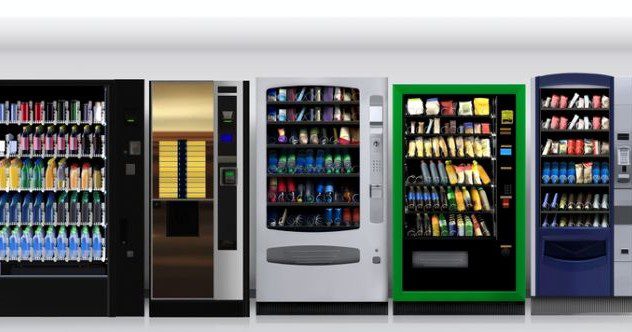

Vending machines are the quiet comedians of modern life. They stand in hallways, airports, hospitals, laundromats, factories, schools, subway stations, and hotel lobbies, silently promising salvation in the form of chips, coffee, phone chargers, medicine, pizza, orif the universe is feeling theatricala full-sized car. They do not judge your 2 a.m. candy bar purchase. They simply blink, hum, and accept payment.
But behind that familiar glass window is a surprisingly strange story. Vending machines are not just snack boxes with wires. They are ancient engineering experiments, retail robots, public health tools, safety hazards, marketing platforms, and tiny museums of human impatience. The history of vending machines stretches from Egyptian temples to New York train platforms to Japanese streets lined with machines selling hot coffee, umbrellas, broth, eggs, and noodles.
Below are 10 interesting and bizarre facts about vending machines that prove automatic retail is far weirderand much more importantthan most people realize.
1. The First Vending Machine Sold Holy Water
Long before someone angrily shook a machine for a stuck bag of pretzels, the earliest known vending machine appeared in the first century C.E. It is usually credited to Hero of Alexandria, a Greek engineer and mathematician working in Roman Egypt. His machine dispensed holy water in temples.
The mechanism was beautifully simple. A worshipper dropped a coin into a slot. The coin landed on a small pan connected to a lever. The weight of the coin opened a valve, releasing a measured amount of water. When the coin slid off, the valve closed. In other words, the first vending machine was not designed for soda, candy, or microwave burritos. It was designed to stop people from taking too much sacred water.
Why This Fact Is So Bizarre
The idea sounds futuristic, but it is almost 2,000 years old. The basic vending machine principleinsert payment, receive product, no human attendant neededhas barely changed. Today’s machines may have touchscreens, QR codes, cashless payment systems, refrigeration, cameras, and inventory sensors, but the ancient business model is still there: “Pay first, receive thing second.” Hero would probably recognize the concept, although he might be deeply confused by Flamin’ Hot Cheetos.
2. The First U.S. Vending Machines Sold Gum in New York
In the United States, vending machines became commercially important in 1888 when the Thomas Adams Gum Company installed machines on New York transit platforms. These early machines sold gum, including Tutti-Frutti gum, to commuters who wanted a quick chew while waiting for a train.
This was a perfect match of product, place, and timing. Gum was small, inexpensive, easy to dispense, and appealing to people with a few spare coins. Transit platforms had steady foot traffic. Nobody needed a sales pitch. The machine did the job quietly, one coin at a time.
The Birth of Impulse Buying
Those gum machines helped prove one of the golden rules of vending machine business: location matters more than almost anything. A vending machine in the wrong spot is just a very heavy decoration. A vending machine in the right spot becomes a tiny, tireless store that never asks for a lunch break.
3. Some Vending Machines Are Dangerous When People Shake Them
Here is a vending machine fact that sounds like an urban legend but is very real: full-sized machines can be dangerous if rocked, tilted, or shaken. The U.S. Consumer Product Safety Commission has warned that falling soda machines caused deaths and serious injuries, especially when people tried to shake machines to get free drinks, loose change, or stuck products.
The reason is simple physics. A loaded vending machine can weigh hundreds of pounds, and some large units can weigh over 1,000 pounds. Once that kind of metal cabinet tips past its balance point, it is not a snack machine anymore. It is a refrigerator-sized gravity problem.
The Lesson
If a candy bar gets stuck, do not fight the machine like it owes you money. Use the refund process, contact the operator, or accept that the universe has temporarily defeated your snack plan. The chips are not worth becoming a cautionary label.
4. Japan Turned Vending Machines Into a Culture
No discussion of bizarre vending machine facts is complete without Japan. Japan is famous for having one of the highest vending machine densities in the world. Although total machine counts have declined from earlier peaks, the country still has millions of machines, especially beverage machines, spread across train stations, sidewalks, office buildings, rural roads, tourist areas, and residential neighborhoods.
Japanese vending machines are famous not just because there are many of them, but because they sell such a wide range of products. Visitors may find machines offering hot canned coffee, cold tea, bottled water, ramen, soups, ice cream, umbrellas, batteries, toys, masks, rice, eggs, and regional specialty drinks. Some machines even provide emergency supplies during disasters.
Why Japan Loves Vending Machines
The success of vending machines in Japan is tied to convenience, low vandalism rates, dense urban living, reliable maintenance, and a consumer culture that values fast service. A drink vending machine on a quiet street corner can feel like a tiny lighthouse for thirsty pedestrians. In the summer, it offers cold tea. In the winter, it may offer hot coffee. That is not just retail; that is seasonal friendship with buttons.
5. Vending Machines Can Sell Almost Anything
When most people hear “vending machine,” they imagine soda, chips, candy, and maybe a sad granola bar that has been leaning against the glass since the previous presidential administration. But modern vending machines can sell an astonishing range of items.
There are machines that dispense cupcakes, pizza, fresh eggs, umbrellas, beauty products, electronics, books, art, socks, phone chargers, flowers, prescription pickup orders, and personal health products. Some automated retail systems are designed for cars, allowing customers to pick up vehicles from giant glass “car vending machines” after completing much of the purchase online.
From Snacks to Full Meals
Food vending has become especially creative. Some pizza vending machines store refrigerated pizzas, heat them internally, and serve them hot within minutes. Cupcake machines became famous for delivering boxed desserts through a mechanical arm. Farm vending machines can sell eggs, dairy, and produce directly from local producers. The vending machine has moved far beyond “press B7 for peanuts.”
6. Vending Machines Are Secretly Data Machines
Old vending machines waited passively for coins. Modern smart vending machines can collect sales data, track inventory, report errors, monitor temperature, support cashless payments, and help operators plan restocking routes. In industrial settings, vending machines can dispense tools, gloves, safety glasses, batteries, and maintenance supplies while tracking who took what and when.
This turns vending into more than automated selling. It becomes inventory control. A factory can place a machine near a production line so workers can access safety equipment 24/7. Managers can monitor usage patterns, reduce waste, and avoid stockouts. In offices, smart micro markets and connected vending machines help operators learn which products sell best at different times of day.
The Future Is Predictive
As more machines become connected, operators can use predictive maintenance and real-time inventory tools to fix problems before customers notice them. In the future, a vending machine may know it is about to run out of sparkling water before the afternoon rush. That is both useful and slightly unsettling, like your refrigerator developing career ambition.
7. Vending Machines Have Become Public Health Tools
Vending machines are not only about snacks. They are increasingly used to improve access to essential health products. Universities and public health programs have used vending machines to distribute COVID-19 test kits, condoms, emergency contraception, pregnancy tests, over-the-counter medicine, and other wellness supplies.
In some communities, machines and repurposed dispensing boxes are also used to provide free access to naloxone, a medication that can reverse opioid overdoses. The goal is simple: put time-sensitive health products where people can reach them quickly, privately, and without waiting for an office to open.
Why Access Matters
For students, shift workers, rural residents, and people without easy transportation, a 24/7 health vending machine can close a real access gap. Privacy matters too. Not everyone wants to ask a cashier for a sensitive product. A vending machine does not raise eyebrows. It does not say, “Interesting choice.” It simply dispenses the item and minds its mechanical business.
8. Vending Machines Are Regulated More Than You Might Think
Because vending machines sell food and beverages, they are not free from rules. In the United States, vending machine operators who own or operate 20 or more machines must disclose calorie information for covered food items, subject to certain exemptions. This rule is designed to help consumers make more informed choices.
Schools also face nutrition rules. USDA Smart Snacks in School standards apply to foods sold outside the main school meal program, including foods sold in vending machines during the school day. That means school vending machines are often required to meet limits related to calories, sugar, sodium, and fat.
Snack Freedom Meets Nutrition Policy
This is where vending machines become a miniature battlefield between convenience and health. People want snacks. Public health officials want better choices. Students want something tasty. Parents want something that does not glow in the dark. The vending machine, poor thing, just stands there holding baked chips and bottled water while everyone argues.
9. Cashless Payments Changed the Vending Machine Business
For decades, vending machines were ruled by coins and crumpled dollar bills. Everyone knew the ritual: flatten the bill, feed it in, watch it get rejected, smooth it on the corner of the machine, try again, whisper a threat, and finally succeed. Modern machines increasingly accept credit cards, debit cards, mobile wallets, QR codes, campus cards, and employee badges.
Cashless payment makes vending more convenient and can increase sales because people are less likely to walk away when they do not have exact change. It also helps operators track purchases more accurately. At the same time, many consumers still carry cash, and cash remains important for emergencies and for people who do not use bank cards or mobile wallets.
The Best Machines Accept More Than One Way to Pay
The smartest vending strategy is not “cash only” or “card only.” It is flexibility. A vending machine that accepts coins, bills, cards, and mobile payments has fewer excuses to lose a sale. In retail, every payment barrier is a tiny door slamming shut.
10. Vending Machines Are Tiny Experiments in Human Behavior
Vending machines reveal a lot about people. They show what we crave when nobody is watching. They show how location changes demand. A gym machine might sell protein bars and electrolyte drinks. A hospital machine might sell coffee, sandwiches, and phone chargers. A hotel lobby machine might sell toothbrushes, pain relievers, and late-night chocolate therapy.
They also show how much design matters. Clear windows, bright lighting, simple buttons, accurate product photos, working payment systems, and reliable dispensing all influence whether customers trust the machine. A vending machine that looks clean and well stocked feels helpful. A dusty machine with flickering lights feels like it may sell haunted crackers.
The Psychology of the Button
There is something satisfying about pressing a button and watching a product drop. Vending machines turn shopping into a tiny event. The spiral coil turns. The item slides forward. Everyone holds their breath. Will it fall? Will it get stuck? Will two items drop by accident, briefly restoring your faith in destiny? That moment of suspense is part of the strange charm.
Why Vending Machines Still Matter
Vending machines survive because they solve a timeless problem: people need things when stores are closed, staff are unavailable, or time is short. They are especially useful in places where convenience matters more than browsing. Airports, campuses, hospitals, factories, apartment buildings, hotels, gyms, and office towers all benefit from automated retail.
The vending machine business is also evolving. Traditional snack and drink machines now compete with micro markets, delivery apps, convenience stores, and cashierless retail. But vending machines still have advantages. They require less space than a store, can operate all day and night, and can be placed exactly where demand exists.
The next generation of vending machines will likely be smarter, more specialized, and more connected. Expect more machines selling fresh food, health products, local goods, electronics, safety supplies, and customized items. The vending machine of the future may look less like a snack cabinet and more like a compact robotic store.
Real-World Experiences and Lessons From Vending Machines
Almost everyone has a vending machine story. Some are small victories: the cold drink that appears just when a long meeting has drained your soul, the airport phone charger that rescues a dying battery, the chocolate bar that turns a bad afternoon into a slightly less dramatic bad afternoon. Others are tiny tragedies: the sandwich that looks better in the photo than in real life, the dollar bill rejected seven times, or the bag of chips that stops one inch from freedom.
The most memorable vending machine experiences usually happen when the machine is the only option. Picture a hospital waiting room at midnight. The cafeteria is closed, the coffee shop is dark, and everyone is tired. Suddenly, the vending machine becomes more than a convenience. It becomes a miniature survival station. A paper cup of coffee may not be gourmet, but at that hour it tastes like civilization. A pack of crackers feels like a feast. The machine hums in the corner like a metal guardian of emotional support snacks.
Travel creates another classic vending experience. In train stations, rest stops, and airports, vending machines help people solve urgent little problems. A bottle of water before boarding. A pack of gum before a meeting. An umbrella when the weather decides to behave like a soap opera. These purchases are not glamorous, but they are useful in the exact moment usefulness matters most.
Workplaces offer a different lesson. Office vending machines reveal the rhythm of the day. Coffee and breakfast bars move early. Chips and soda disappear in the afternoon slump. Chocolate becomes suspiciously popular after stressful meetings. A smart operator can read a workplace through its vending sales almost like a diary, except the diary says, “Everyone needed caffeine at 3:14 p.m.”
Schools and universities show how vending machines can become part of campus life. Students use them between classes, late at night, before exams, and after workouts. When machines offer healthier options, wellness products, or emergency supplies, they can support more than hunger. They can support independence, privacy, and access. A well-placed machine on campus can save time, reduce embarrassment, and make essential items available when traditional offices are closed.
There is also a lesson in trust. People return to vending machines that work. If a machine accepts payment smoothly, keeps products fresh, displays prices clearly, and actually delivers the selected item, customers remember. If it steals money or traps snacks, customers also rememberusually with stronger language. Reliability is the secret ingredient. A vending machine does not need charm, but it does need competence.
In the end, vending machines are interesting because they sit at the intersection of convenience, technology, behavior, and mild comedy. They are practical, but never boring. They can sell sacred water, gum, pizza, medicine, cupcakes, car keys, or hot coffee. They can be lifesavers, snack dealers, data collectors, and tiny retail experiments. And despite all their technology, they still give us that same little moment of suspense: press the button, watch the coil, hope gravity is on your side.
Conclusion
Vending machines may look ordinary, but their story is packed with strange history, clever engineering, public health innovation, safety lessons, and cultural surprises. From Hero of Alexandria’s holy-water dispenser to modern smart vending machines that track inventory and accept mobile payments, automatic retail has always reflected what people need most: speed, convenience, and sometimes a bag of chips at the exact moment life becomes too much.
The next time you pass a vending machine, take a second look. That humming box is part ancient invention, part retail robot, part behavioral science experiment, and part emergency snack therapist. Not bad for something that spends most of its life standing beside a break room trash can.
Note: This article is based on synthesized historical, safety, regulatory, industry, and consumer information from reputable sources, rewritten in original language for web publication.