
Note: This article is for general educational purposes and is not a substitute for medical advice. Anyone with symptoms of celiac disease, gluten sensitivity, or wheat allergy should speak with a qualified healthcare professional before making major diet changes.
Welcome to Gluten-Free Living: Less Panic, More Pasta Alternatives
Starting a gluten-free lifestyle can feel a little like being dropped into a grocery store with a magnifying glass, a growling stomach, and a suspicious relationship with bread. Suddenly, wheat, barley, rye, malt, soy sauce, crackers, cereal, and even some soups are giving you side-eye. But take a deep breath. Living gluten-free is not about giving up joy, flavor, or your social life. It is about learning a new food map.
A gluten-free diet removes gluten, a protein found in wheat, barley, rye, and triticale. For people with celiac disease, avoiding gluten is medically necessary because gluten can trigger an immune reaction that damages the small intestine. Others may follow a gluten-free diet because of non-celiac gluten sensitivity or wheat allergy. Some people try it because they think it is automatically healthier, but that is not always true. A gluten-free brownie is still a brownie. Delicious? Yes. A vegetable? Unfortunately, no.
This beginner’s guide to living gluten-free will walk you through what gluten is, what foods to avoid, what you can happily eat, how to read labels, how to prevent cross-contact, how to dine out, and how to build balanced meals without feeling like your plate has joined a strict secret society.
What Does Gluten-Free Actually Mean?
Gluten is a natural protein found in certain grains. It helps dough stretch, bread rise, and pizza crust achieve that chewy magic that makes people emotional. In a gluten-free diet, you avoid foods and drinks made with wheat, barley, rye, and triticale. This includes obvious foods like regular bread, pasta, pizza crust, cakes, cookies, and crackers, but gluten can also hide in less obvious places.
Common Gluten-Containing Ingredients
When you are new to gluten-free eating, watch for ingredients such as wheat flour, durum, semolina, farina, spelt, graham flour, barley malt, malt vinegar, rye, brewer’s yeast, and triticale. Gluten can also appear in breaded meats, seasoned chips, sauces, gravies, soups, salad dressings, imitation seafood, flavored rice mixes, and some processed meats.
The good news is that many foods are naturally gluten-free. Fresh fruits, vegetables, eggs, unprocessed meat, poultry, fish, beans, lentils, nuts, seeds, milk, plain yogurt, cheese, potatoes, rice, corn, quinoa, buckwheat, millet, sorghum, teff, and certified gluten-free oats can all be part of a satisfying gluten-free lifestyle.
Who Should Follow a Gluten-Free Diet?
A gluten-free diet is essential for people with celiac disease. In celiac disease, gluten triggers an autoimmune response that can damage the lining of the small intestine and interfere with nutrient absorption. Symptoms may include diarrhea, bloating, abdominal pain, fatigue, anemia, headaches, skin rashes, joint pain, or unexplained weight changes. Some people have few digestive symptoms, which is why diagnosis can be tricky.
People with non-celiac gluten sensitivity may feel better when avoiding gluten, even though they do not test positive for celiac disease. Symptoms can overlap with celiac disease, including bloating, stomach discomfort, fatigue, brain fog, and headaches. Wheat allergy is different again: it is an immune reaction to wheat and may involve hives, swelling, breathing symptoms, or digestive distress.
If you suspect celiac disease, do not remove gluten before testing unless your healthcare provider tells you to. Celiac blood tests and intestinal evaluation are most accurate when you are still eating gluten. In other words, do not ghost gluten before the doctor has a chance to investigate.
Gluten-Free Foods You Can Eat With Confidence
Many beginners focus so much on what they cannot eat that they forget the gluten-free world is still packed with excellent food. A smart gluten-free diet starts with naturally gluten-free whole foods, not just packaged substitutes.
Fresh Produce
Fruits and vegetables are naturally gluten-free. Apples, berries, bananas, oranges, leafy greens, carrots, peppers, squash, potatoes, sweet potatoes, onions, tomatoes, broccoli, and cauliflower are all safe in their plain form. Be careful with prepared vegetable dishes, frozen sauces, or restaurant sides that may include flour-based thickeners or shared cooking surfaces.
Proteins
Plain meat, poultry, fish, seafood, eggs, beans, lentils, tofu, nuts, and seeds are naturally gluten-free. The trouble usually begins when protein is breaded, marinated, seasoned, or cooked in shared fryers. Grilled chicken is usually a friend. Crispy fried chicken from a shared fryer is more of a frenemy.
Gluten-Free Grains and Starches
Rice, corn, quinoa, buckwheat, millet, amaranth, sorghum, teff, potatoes, tapioca, arrowroot, and cassava can help replace wheat-based staples. Quinoa works well in bowls and salads, rice is budget-friendly and versatile, corn tortillas can rescue taco night, and buckwheat pancakes prove that “wheat” in the name does not always mean wheat in the food.
Dairy
Milk, plain yogurt, cheese, and butter are generally gluten-free. However, flavored yogurts, cheese spreads, processed cheese products, and ice creams with cookie or brownie mix-ins need label checks. When in doubt, read the ingredient list and look for a gluten-free claim.
Foods to Avoid on a Gluten-Free Diet
Some foods are obvious gluten sources. Others are sneaky little crumbs of chaos. Beginners should start by avoiding regular wheat-based bread, pasta, cereal, crackers, cookies, cakes, pastries, pizza crust, flour tortillas, couscous, many breaded foods, most beer, and anything made with barley malt.
Be cautious with soy sauce, teriyaki sauce, gravy, creamy soups, bouillon cubes, spice blends, processed meats, veggie burgers, candy, flavored chips, instant oatmeal, malted drinks, imitation crab, and restaurant fries. These foods may contain gluten ingredients or may be exposed to gluten during preparation.
How to Read Gluten-Free Labels Without Losing Your Mind
Label reading is one of the most important gluten-free skills. In the United States, foods labeled “gluten-free,” “free of gluten,” “without gluten,” or “no gluten” must meet FDA requirements. That label is especially useful for packaged foods, grains, flours, snacks, sauces, and foods that are more likely to have cross-contact during processing.
Start with the allergen statement, but do not stop there. Wheat must be declared as a major allergen, but barley and rye may not be highlighted in the same way. That means a product can say “contains no wheat” and still include barley malt. Read the full ingredient list. Look for wheat, barley, rye, malt, brewer’s yeast, and any suspicious grain-based ingredient.
Certified Gluten-Free vs. Labeled Gluten-Free
Some products carry third-party gluten-free certification. This can offer extra peace of mind, especially for people with celiac disease who need strict gluten avoidance. However, many foods without certification may still be gluten-free if they are labeled properly and meet regulatory standards. The safest choice depends on your medical needs, sensitivity level, and comfort with the brand.
The Oat Question: Friend, Foe, or Breakfast Drama?
Oats are naturally gluten-free, but they are often grown, transported, or processed near wheat, barley, or rye. This creates a risk of cross-contact. For a gluten-free diet, especially for celiac disease, choose oats specifically labeled gluten-free. Some people with celiac disease may still react to oats because of a protein called avenin, so it is smart to introduce oats carefully and talk with a dietitian if symptoms continue.
Cross-Contact: The Tiny Crumb Problem
Cross-contact happens when gluten-free food touches gluten-containing food or surfaces. For people with celiac disease, even small amounts can matter. This is why a shared toaster can become the villain of the kitchen. Other common cross-contact risks include shared cutting boards, butter containers full of toast crumbs, shared peanut butter jars, wooden spoons, baking pans, colanders, and deep fryers.
Simple Ways to Keep Your Kitchen Gluten-Free
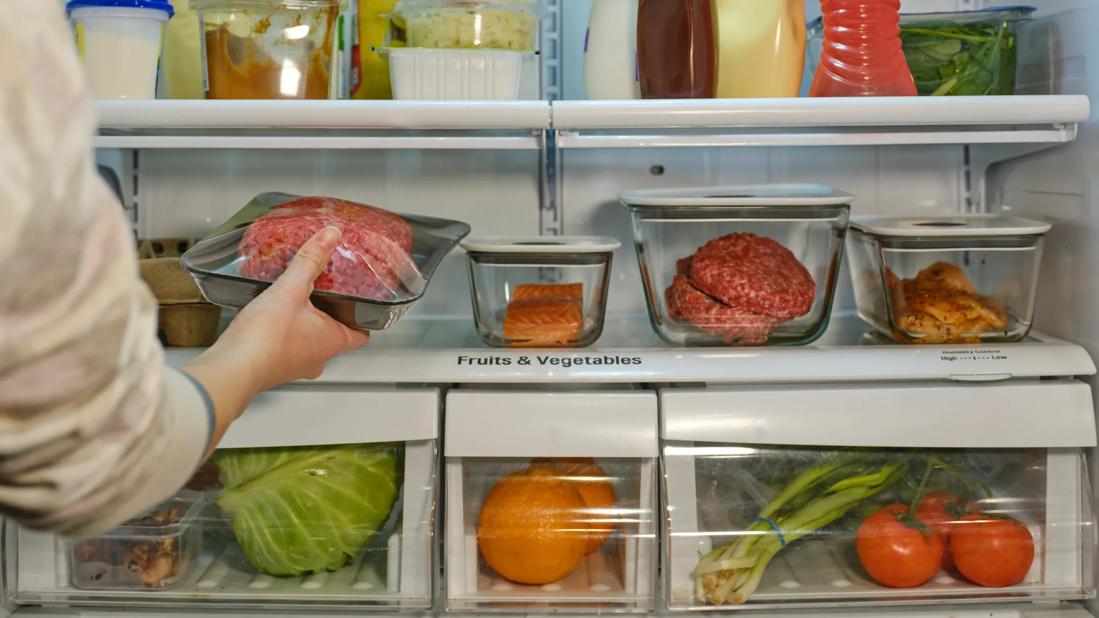
If your home is fully gluten-free, the job is easier. If you share a kitchen with gluten eaters, create a gluten-free zone. Use separate toasters, cutting boards, condiments, and baking tools. Label gluten-free items clearly. Store gluten-free foods above gluten-containing foods to avoid falling crumbs. Wash counters before preparing meals. Use squeeze bottles for condiments when possible because knives love collecting crumbs like tiny gluten souvenirs.
Building a Balanced Gluten-Free Plate
One beginner mistake is replacing every wheat-based food with a packaged gluten-free version. Gluten-free bread, pasta, cookies, and crackers can be helpful, but they should not become the whole diet. Some gluten-free packaged foods are low in fiber and may contain more sugar, salt, or refined starches than expected.
A balanced gluten-free plate includes protein, vegetables or fruit, healthy fats, and fiber-rich carbohydrates. For example, try grilled salmon with roasted sweet potatoes and broccoli, chicken tacos on corn tortillas with avocado and salsa, a quinoa bowl with black beans and peppers, or eggs with potatoes and sautéed spinach.
Watch These Nutrients
People starting a gluten-free diet may need to pay attention to fiber, iron, calcium, vitamin D, folate, zinc, and B vitamins. This is especially true if they previously relied on fortified wheat products. Choose nutrient-dense foods such as beans, lentils, leafy greens, nuts, seeds, eggs, dairy or fortified alternatives, gluten-free whole grains, and lean proteins. A registered dietitian can help build a plan that is safe, balanced, and realistic.
Gluten-Free Grocery Shopping for Beginners
At the grocery store, begin around the perimeter: produce, plain proteins, eggs, dairy, and fresh foods. Then move into the aisles for gluten-free grains, beans, canned tomatoes, spices, sauces, and packaged products. Look for naturally gluten-free staples before filling the cart with specialty items. This approach is often healthier and easier on the budget.
Starter Gluten-Free Grocery List
A practical beginner grocery list might include eggs, chicken, canned tuna, plain Greek yogurt, rice, quinoa, corn tortillas, potatoes, sweet potatoes, beans, lentils, salad greens, frozen vegetables, berries, bananas, apples, olive oil, nuts, peanut butter, hummus, salsa, gluten-free oats, gluten-free pasta, and one good gluten-free bread you actually enjoy.
Do not buy ten kinds of gluten-free bread in one emotional shopping trip. Gluten-free products vary wildly in taste and texture. Try one at a time. Some are soft and delicious. Some taste like they were baked during a sandstorm. Your freezer will thank you for being selective.
Eating Out Gluten-Free
Restaurants can be manageable when you ask clear questions. Look for menus with gluten-free labels, but do not stop there. Ask whether gluten-free items are prepared on shared surfaces or cooked in shared fryers. Fries may look innocent, but if they share oil with breaded chicken, they are not safe for someone who needs strict gluten avoidance.
Good questions include: “Do you have a dedicated gluten-free fryer?” “Is the sauce thickened with flour?” “Can you change gloves before preparing my meal?” “Is the grill shared with breaded items?” “Can you prepare this without croutons or bread?” Be polite, specific, and confident. You are not being difficult; you are protecting your health.
Traveling Gluten-Free Without Packing Your Whole Kitchen
Travel takes planning, but it gets easier. Pack gluten-free snacks such as nuts, fruit, protein bars labeled gluten-free, rice cakes, tuna packets, popcorn, jerky labeled gluten-free, or instant gluten-free oatmeal cups. Research restaurants before you go. Save a few safe options on your phone. If flying, bring more snacks than you think you need because airport hunger turns everyone into a dramatic philosopher.
When staying in hotels, consider rooms with mini-fridges or kitchenettes. For road trips, grocery stores can be safer than random fast-food stops. A simple meal of rotisserie chicken labeled gluten-free, salad, fruit, and microwave rice can save the day.
Gluten-Free Meal Ideas for Busy Beginners
Breakfast can be gluten-free oats with berries, scrambled eggs with potatoes, Greek yogurt with nuts and fruit, or a smoothie with protein and spinach. Lunch might be a rice bowl with chicken and vegetables, corn tortilla tacos, a baked potato with chili, or a big salad with beans and avocado. Dinner can be salmon with quinoa, turkey lettuce wraps, gluten-free pasta with marinara, stir-fry with gluten-free tamari, or sheet-pan chicken with vegetables.
For snacks, try cheese and fruit, hummus with veggies, popcorn, boiled eggs, trail mix, rice cakes with peanut butter, yogurt, or gluten-free crackers. The goal is not perfection. The goal is having safe, satisfying food ready before hunger convinces you that a vending machine counts as a restaurant.
Common Beginner Mistakes to Avoid
The first mistake is assuming “wheat-free” means gluten-free. It does not always. Gluten also comes from barley and rye. The second mistake is ignoring sauces and seasonings. Soy sauce, gravy, malt flavoring, and spice blends can be hidden gluten sources. The third mistake is trusting restaurant menu labels without asking about preparation.
Another common mistake is eating too many refined gluten-free packaged foods and not enough whole foods. Gluten-free living is healthiest when it includes vegetables, fruits, lean proteins, beans, nuts, seeds, and gluten-free whole grains. Finally, many beginners forget about emotional adjustment. Food is social, cultural, comforting, and sometimes a reward for surviving Tuesday. Give yourself time to adapt.
What to Do If You Accidentally Eat Gluten
Accidental gluten exposure can happen, especially in the beginning. If you have celiac disease or strong sensitivity, symptoms may include bloating, diarrhea, nausea, fatigue, headache, brain fog, or body aches. Drink fluids, eat simple gluten-free foods, rest, and return to your safe routine. If symptoms are severe, persistent, or unusual, contact a healthcare professional.
Do not use one mistake as proof that you have failed. Gluten-free living has a learning curve. Every label you read and every restaurant question you ask builds skill. Eventually, the process becomes much less intimidating.
Experience Section: Real-Life Lessons From Going Gluten-Free
One of the biggest lessons from living gluten-free is that confidence comes from repetition. The first grocery trip may feel like a detective mission. You pick up a sauce, read the label, put it back, pick it up again, Google an ingredient, sigh deeply, and consider eating only bananas forever. But after a few weeks, patterns appear. You learn your safe brands, your favorite meals, and which aisles deserve your time.
Another real-life lesson is that home cooking becomes your superpower. You do not need to become a professional chef. You simply need a few reliable meals. A rice bowl can become ten different dinners depending on toppings. Corn tortillas can become tacos, breakfast wraps, or quick quesadillas. Potatoes can become baked potatoes, hash, wedges, or soup. Once you build a small rotation, gluten-free eating feels less like a restriction and more like a system.
Social situations may be the hardest part at first. Family dinners, office parties, weddings, and birthday celebrations often revolve around shared food. The easiest strategy is to communicate early and kindly. Tell hosts what you need, offer to bring a dish, and avoid making people guess. Most people want to help, but they may not understand that “just a little flour” is not harmless for someone with celiac disease.
Eating out also teaches patience. Some restaurants understand gluten-free needs beautifully. Others think removing the bun from a burger and leaving it on the same crumb-covered plate is a solution. It is not. Over time, you learn which restaurants ask smart questions, which servers take concerns seriously, and which places are better for coffee than dinner.
The emotional side matters, too. It is normal to miss old favorites. It is normal to feel annoyed when everyone else grabs pizza without thinking. It is also normal to celebrate when you find a gluten-free bread that does not crumble like ancient parchment. Small wins count. Finding a safe bakery, discovering a great pasta, mastering gluten-free pancakes, or packing a snack before a long day can feel surprisingly empowering.
Budget is another real concern. Specialty gluten-free foods can be expensive. A practical approach is to buy naturally gluten-free staples first: rice, potatoes, beans, eggs, vegetables, fruit, canned fish, plain yogurt, and corn tortillas. Then use specialty products strategically. Buy gluten-free bread, pasta, or flour blends when they truly improve your meals, not because every product with a gluten-free label deserves a ride in your cart.
Finally, the best experience-based advice is to keep learning without becoming afraid of food. Gluten-free living requires attention, but it should not steal all the joy from eating. With practice, your kitchen becomes safer, your shopping gets faster, your restaurant questions become smoother, and your meals become satisfying again. The goal is not to live in fear of crumbs. The goal is to build a lifestyle that protects your health and still leaves room for flavor, comfort, and the occasional excellent gluten-free cupcake.
Conclusion: Gluten-Free Living Gets Easier
Living gluten-free as a beginner may feel overwhelming, but it becomes much more manageable when you focus on the basics: avoid wheat, barley, rye, and triticale; read labels carefully; prevent cross-contact; choose naturally gluten-free whole foods; and ask questions when eating out. For people with celiac disease, a strict gluten-free diet is necessary for long-term health. For others, medical guidance can help determine whether gluten is truly the issue.
The best gluten-free lifestyle is not built on fear or bland food. It is built on knowledge, planning, and meals you actually enjoy. Start simple, keep safe staples nearby, learn your labels, and give yourself grace. Even the most confident gluten-free eater was once a beginner staring suspiciously at a salad dressing bottle.