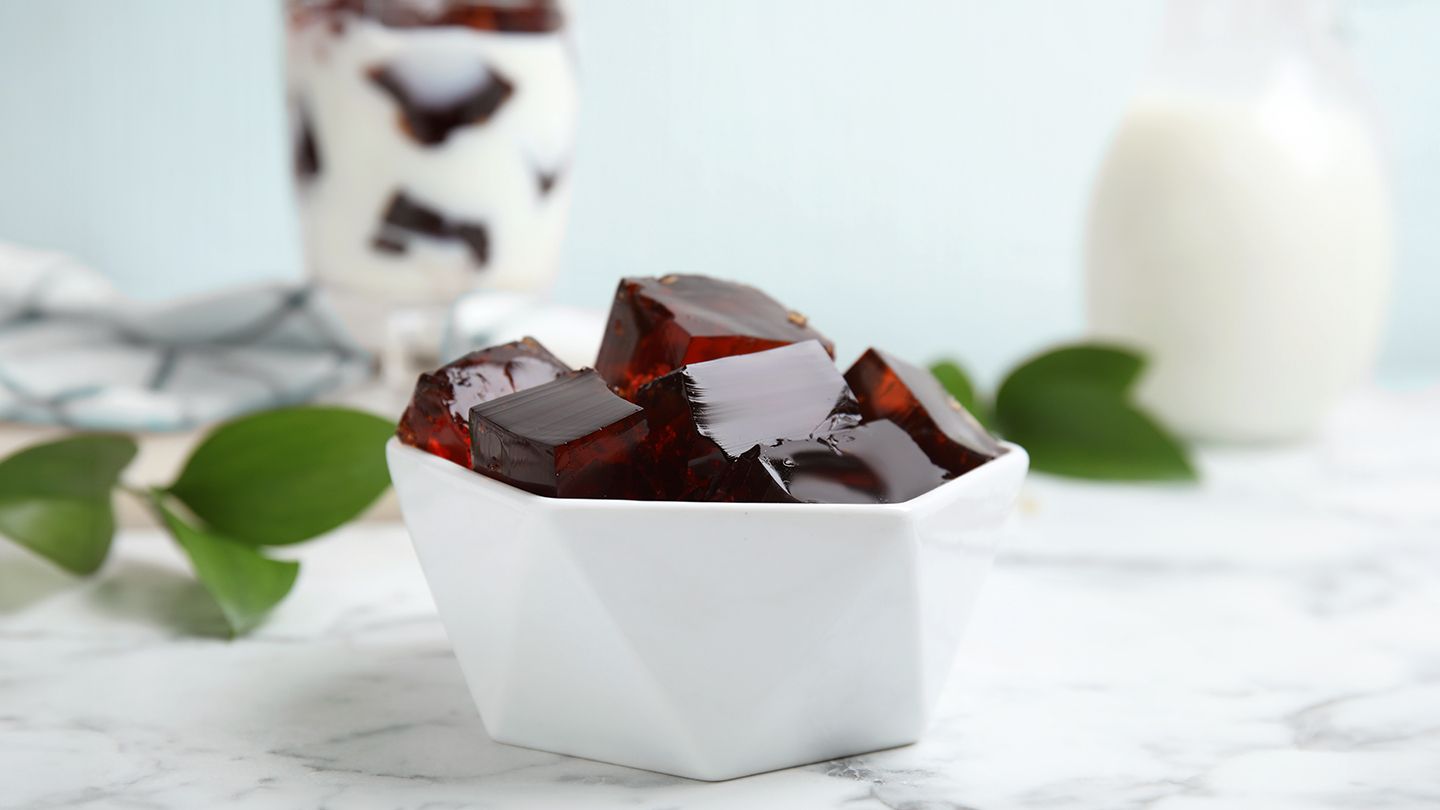

Grass jelly looks like dessert’s mysterious goth cousin: dark, glossy, pleasantly wobbly, and usually surrounded by colorful fruit, milk, or syrup. Popular across China, Taiwan, Vietnam, Thailand, Indonesia, Malaysia, and other parts of Asia, this herbal jelly has also become a familiar addition to bubble tea shops and Asian dessert cafés throughout the United States.
So, is grass jelly good for your health? Plain or lightly sweetened grass jelly can be a refreshing, relatively light dessert. The plant used to make traditional black grass jelly contains polysaccharides, polyphenols, flavonoids, and other compounds that show antioxidant and metabolic activity in laboratory research. However, most impressive health claims are based on cell experiments or animal studiesnot large, well-controlled human trials. Meanwhile, a bowl loaded with brown sugar syrup, sweetened creamer, tapioca pearls, and condensed milk can turn this modest jelly into a sugar parade wearing a health-food hat.
The practical answer is simple: grass jelly can fit into a healthy diet, but its benefits depend heavily on how it is made, sweetened, and served.
What Is Grass Jelly?
Traditional black grass jelly is made from the dried leaves and stems of Platostoma palustre, a plant also known as Mesona chinensis or Chinese mesona. Despite the name, it is not made from lawn clippings, and your backyard mower is not part of the recipe.
The plant material is boiled in water to extract its natural compounds. Depending on the recipe, alkaline ingredients and starch may be added to help the liquid set into a firm, smooth jelly. Once cooled, it is sliced into cubes, strips, or spoonable pieces.
Grass jelly has a mild herbal flavor, sometimes described as slightly bitter, smoky, or tea-like. Because the jelly itself is not intensely sweet, it is commonly served with sugar syrup, honey, sweetened milk, coconut milk, fruit, red beans, shaved ice, taro balls, or boba.
Black Grass Jelly Versus Green Grass Jelly
Black grass jelly usually comes from Chinese mesona. Green grass jelly, often called green cincau, may be made from other plants, including Cyclea barbata. Their colors, preparation methods, textures, and phytochemical profiles differ, so research involving one type should not automatically be applied to every product labeled “grass jelly.”
Grass Jelly Nutrition: What Is Actually in It?
There is no single nutrition profile for grass jelly. A plain homemade jelly, a canned sweetened product, a powdered mix, and a grass jelly milk tea may have dramatically different amounts of calories, carbohydrates, added sugar, sodium, and fiber.
The finished jelly is generally low in fat and protein. Plain versions are often fairly light because much of their weight comes from water. However, instant powders may contain substantial amounts of starch or sugar, while ready-to-eat products may arrive pre-soaked in syrup.
Do not judge a grass jelly dessert by the black cubes alone. The supporting cast often determines its nutritional value. Sweetened condensed milk, flavored creamer, brown sugar syrup, coconut cream, tapioca pearls, and canned fruit can contribute far more calories and sugar than the jelly.
Check the Label Instead of Guessing
For packaged grass jelly, examine the serving size, total carbohydrates, total sugars, added sugars, sodium, and ingredient list. The U.S. Food and Drug Administration sets the Daily Value for added sugar at 50 grams on a 2,000-calorie diet. A food containing 5% of the Daily Value or less per serving is generally considered low in that nutrient.
The American Heart Association recommends an even lower daily limit for most people: no more than about 25 grams of added sugar for women and 36 grams for men. A large grass jelly drink can approach or exceed those amounts when it includes syrup, sweetened milk, and multiple toppings.
Potential Health Benefits of Grass Jelly
1. Plain Grass Jelly Can Be a Lighter Dessert Choice
When served plain or with minimal sweetener, grass jelly may be lower in calories than cake, ice cream, pastries, or desserts made with heavy cream. Its water-rich texture also provides a generous-looking portion without necessarily delivering an equally generous calorie bill.
This does not make grass jelly a weight-loss product. It simply means that replacing a richer dessert with a modest serving of lightly sweetened jelly may reduce overall calorie intake. The substitution matters more than any supposed fat-burning property of the herb.
2. The Mesona Plant Contains Antioxidant Compounds
Researchers have identified polyphenols, flavonoids, polysaccharides, and related plant compounds in Mesona chinensis. Laboratory studies suggest that some extracts can neutralize free radicals or protect cells from oxidative damage under experimental conditions. Specific compounds studied include caffeic acid derivatives, flavonoids, and rosmarinic-acid-related substances.
That sounds promising, but “antioxidant activity in a laboratory test” does not mean eating a bowl of jelly will prevent aging, cancer, or chronic disease. Digestion, dose, preparation, storage, and human metabolism all influence whether plant compounds produce meaningful effects in the body.
3. Mesona Polysaccharides May Have Biological Activity
Polysaccharides are complex carbohydrates that can contribute to the texture of grass jelly. Studies involving isolated mesona polysaccharides have reported antioxidant, immune-related, and gut-microbiome effects in cells or animals. Researchers are also exploring their possible use as natural thickeners and functional food ingredients.
However, purified extracts used in research are not nutritionally identical to a commercial cup of grass jelly. The amount of active polysaccharide remaining in a finished dessert may vary according to the plant variety, extraction process, added starch, storage time, and serving size.
4. Early Research Suggests Possible Metabolic Effects
Animal studies have investigated whether mesona extracts might influence cholesterol, triglycerides, inflammation, glucose metabolism, or gut bacteria. Some experiments have reported improved blood-lipid markers in rodents fed high-fat diets. Other work suggests certain extracts may affect metabolic pathways associated with fat and glucose regulation.
These findings are interesting research leads, not treatment recommendations. Grass jelly has not been proven to lower cholesterol, reverse diabetes, treat fatty liver disease, or replace prescription medication in humans.
5. It Can Add Variety to a Plant-Focused Eating Pattern
A healthy diet does not need to consist entirely of kale salads looking emotionally exhausted. Traditional plant-based foods can add flavor, cultural variety, and satisfaction. Grass jelly can be paired with fresh fruit, unsweetened soy milk, nuts, or seeds to create a more balanced snack.
Enjoyment matters because an eating pattern is more sustainable when it includes foods people genuinely like. Grass jelly’s greatest contribution may be that it offers a fun dessert format that can be customized without automatically requiring large amounts of fat or sugar.
What Grass Jelly Probably Cannot Do
It Does Not Medically “Cool” the Body
In several Asian food traditions, grass jelly is considered a cooling food and is eaten during hot weather. It certainly can feel refreshing when served chilled. However, there is not strong evidence that it lowers core body temperature, cures heatstroke, removes “internal heat,” or treats fever.
Anyone with signs of heat illnesssuch as confusion, fainting, vomiting, rapid breathing, or extremely high body temperatureneeds prompt medical attention, not a larger dessert spoon.
It Is Not a Diabetes Remedy
The herbal plant and the finished dessert must be considered separately. Even if mesona extracts show glucose-related effects in experimental research, a grass jelly drink containing sugar syrup and sweetened creamer can raise blood glucose substantially.
The American Diabetes Association advises limiting sugar-sweetened beverages because they can increase blood glucose while adding significant calories. People with diabetes should count the total carbohydrates in the entire serving, including milk, syrup, fruit, tapioca pearls, and other toppingsnot just the jelly cubes.
It Is Not Necessarily High in Fiber or Micronutrients
Grass jelly is sometimes promoted as a fiber-rich superfood, but the actual fiber content depends on how it is processed. Plant extracts may contain polysaccharides, yet a heavily filtered commercial jelly made mainly with water and starch may provide little dietary fiber.
It is also not typically a major source of protein, essential fats, calcium, vitamin D, iron, or other nutrients Americans commonly need. Grass jelly can complement a nutritious meal, but it should not be expected to carry the whole nutritional orchestra.
Possible Downsides and Safety Considerations
Added Sugar Is the Biggest Concern
The main nutritional downside is usually not the herbit is the company the herb keeps. Excessive intake of added sugar is associated with weight gain, poorer blood-sugar control, unhealthy blood-lipid levels, and increased risk of type 2 diabetes and cardiovascular disease. Sugar-sweetened beverages are particularly easy to overconsume because liquid calories may not provide the same fullness as solid food.
Ingredients Vary Widely
Packaged grass jelly may contain corn starch, tapioca starch, rice flour, wheat-derived ingredients, artificial flavors, colors, preservatives, or high-intensity sweeteners. People with food allergies, celiac disease, or ingredient sensitivities should read the package rather than assuming every dark jelly is made from the same recipe.
Toppings Can Change the Saturated-Fat Content
Coconut milk and coconut cream create an excellent flavor combination, but generous portions can add substantial saturated fat and calories. Dairy creamers may also contain added sugar or saturated fat. A small amount can provide plenty of flavor without turning the bowl into a tropical swimming pool.
Texture May Be Difficult for Some People
Grass jelly is slippery and often cut into bite-size cubes. Young children, older adults, and people with swallowing difficulties should receive appropriately sized pieces and close supervision. Thick drinks containing jelly pieces should be consumed slowly rather than inhaled through an oversized straw during an ambitious boba sprint.
How to Make Grass Jelly Healthier
- Choose unsweetened or lightly sweetened jelly. Add sweetness yourself so you control the amount.
- Request half syrup or no syrup. Bubble tea shops can often adjust sweetness levels.
- Use fresh fruit. Mango, berries, melon, peaches, or citrus provide flavor and nutrients without requiring a syrup flood.
- Choose unsweetened milk. Unsweetened soy milk adds protein, while regular dairy milk can contribute protein and calcium.
- Limit the topping collection. Grass jelly plus boba plus pudding plus red beans plus whipped cream is not a snack; it is a committee meeting.
- Watch the portion. A small bowl can be satisfying, especially when paired with fruit or a protein source.
- Compare labels. Similar-looking cans may contain very different amounts of added sugar and sodium.
Who Should Be More Careful?
People managing diabetes, insulin resistance, high triglycerides, or weight-related conditions should pay close attention to sweeteners and total carbohydrates. Those following a medically prescribed kidney, low-sodium, or allergy-restricted diet should review the nutrition label and ingredient list with their healthcare professional when necessary.
Grass jelly is generally consumed as a food, but concentrated herbal extracts or supplements are a different matter. Pregnant or breastfeeding individuals, people taking several medications, and anyone considering a high-dose mesona supplement should discuss it with a qualified clinician. Research on ordinary food portions cannot automatically establish the safety of concentrated products.
Experience-Based Notes: What People Often Notice When Trying Grass Jelly
The following observations summarize common practical experiences with grass jelly and nutrition-label realities. They are not personal anecdotes or clinical evidence.
The First Bite Is Often Less Sweet Than Expected
Someone ordering grass jelly for the first time may expect a flavor similar to grape gelatin or chocolate pudding. Instead, plain grass jelly is subtle, herbal, and mildly bitter. The experience can be surprising because its shiny black appearance suggests a dramatic flavor, while the actual taste is closer to delicate herbal tea that has decided to become furniture.
This mildness is useful. It allows grass jelly to absorb the flavor of fruit, milk, tea, or a small amount of syrup. People who initially dislike it often enjoy it more after pairing it with chilled soy milk or fresh mango rather than eating it completely plain.
Sweetness Level Determines Whether It Feels Light or Heavy
A homemade bowl containing grass jelly, crushed ice, fruit, and a teaspoon of syrup usually feels refreshing rather than rich. The same jelly served with condensed milk, brown sugar, coconut cream, sweetened red beans, and tapioca pearls can feel much heavier.
This contrast teaches an important lesson: the perceived healthfulness of a dessert can change without changing its main ingredient. People may finish an elaborate grass jelly drink believing they made a low-calorie choice, only to discover that the sweetened base and toppings contributed most of the calories.
Packaged Products Can Produce Label Shock
Shoppers sometimes assume all canned grass jelly is nearly calorie-free. After comparing labels, they may find one can is mostly unsweetened jelly while another contains added syrup and several servings per container. A package that displays a modest calorie number per serving may contain three or four servings, which matters when the entire can disappears during one movie.
The most useful shopping habit is to calculate the nutrition for the amount actually eaten. Multiply the calories, carbohydrates, and added sugar per serving by the number of servings consumed. Nutrition labels are honest, but they occasionally require the reader to bring a calculator and emotional resilience.
Some People Find It Satisfying, but Not Everyone Does
The large volume and chewy-soft texture may help some people feel satisfied after a small dessert. Others find plain grass jelly too low in protein and richness to keep hunger away for long. Adding fresh fruit and unsweetened soy milk can make the snack more substantial without relying on excessive sugar.
Responses to the texture also vary. Fans describe it as smooth and refreshing. Skeptics may call it slippery or medicinal. Trying a small serving is sensible before buying a container large enough to qualify as home décor.
Blood-Sugar Responses Depend on the Whole Bowl
People monitoring glucose may notice little change after a modest serving of unsweetened grass jelly but a much larger rise after a sweetened milk tea containing syrup and tapioca pearls. Individual responses differ, and the total carbohydrate content matters more than the product’s herbal reputation.
A practical approach is to choose less syrup, skip extra pearls, keep the portion moderate, and pair the dessert with a meal containing protein and fiber. People using a glucose meter or continuous glucose monitor can observe their own response and discuss recurring patterns with a registered dietitian or healthcare professional.
Homemade Versions Offer the Most Control
Preparing grass jelly at home allows people to adjust the sweetness, portion size, fruit, and milk. A basic bowl might include chilled grass jelly cubes, strawberries, unsweetened soy milk, and a small drizzle of honey. Another option is grass jelly with iced tea, lemon, and mint.
The first homemade batch may not have the perfectly firm texture of a commercial product, especially when using powder. Following package directions carefully and allowing enough chilling time usually helps. Refrigerate prepared jelly promptly and use clean utensils to maintain food safety.
Overall, the most positive experiences tend to come from treating grass jelly as an enjoyable dessert ingredientnot as medicine and not as a free pass for unlimited syrup.
Final Verdict: Is Grass Jelly Healthy?
Grass jelly can be a healthy-enough dessert when it is plain, lightly sweetened, and served in a reasonable portion. It is usually low in fat, may be relatively low in calories, and originates from a plant containing potentially beneficial polyphenols and polysaccharides.
Still, there is not enough high-quality human research to claim that ordinary grass jelly prevents disease, lowers cholesterol, controls diabetes, strengthens immunity, or detoxifies the body. Most evidence for these effects involves concentrated extracts, isolated compounds, cells, or animals.
The healthiest strategy is to focus on the full recipe. Choose less added sugar, add fresh fruit, consider a protein-containing milk, and avoid piling on every topping available. Grass jelly can be part of a balanced eating patternbut it remains dessert, not a doctor in a wobbly black coat.