
Bone density may not be the flashiest health topic at the dinner table, but it quietly does one of the most important jobs in the body: keeping your skeleton strong enough to carry you through life without turning every stumble into a medical drama. Think of your bones as a living savings account. In childhood and young adulthood, you make deposits. Later in life, especially after age 30, the body may start making withdrawals. The goal is to keep the balance high enough that your bones stay sturdy, flexible, and fracture-resistant.
This bone density summary explains what bone density means, why it matters, how testing works, what low bone density can signal, and what practical steps support lifelong bone health. Whether you are reading this because a doctor mentioned a DEXA scan, you are concerned about osteoporosis, or you simply want your bones to behave like premium construction material instead of stale breadsticks, this guide gives you the essentials in plain English.
What Is Bone Density?
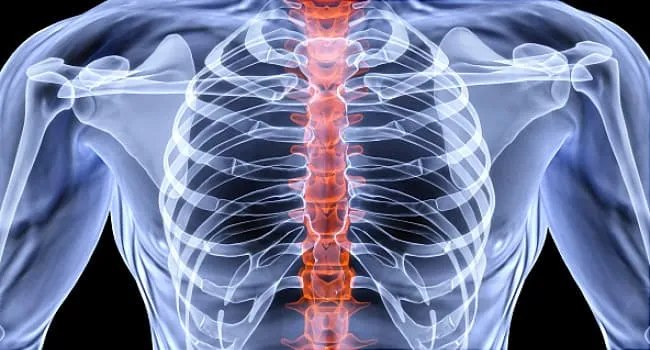
Bone density, also called bone mineral density or BMD, measures the amount of mineralsmainly calcium and phosphoruspacked into your bones. The denser your bones are, the stronger they usually are. Stronger bones are less likely to break from a minor fall, awkward twist, or everyday bump.
Bone is not dead material. It is living tissue that constantly remodels itself. Old bone breaks down, and new bone forms. During youth, the body builds bone faster than it loses it. Peak bone mass is usually reached in early adulthood. After that, the remodeling process can gradually shift, and bone loss may begin to outpace bone rebuilding.
Low bone density does not always mean osteoporosis, but it can be an early warning sign. Osteopenia is the term used for bone density that is lower than normal but not low enough to be classified as osteoporosis. Osteoporosis is more serious and means bones have become weak enough that fracture risk is significantly higher.
Why Bone Density Matters
Healthy bone density helps protect independence, mobility, posture, and quality of life. A fracture is not just a broken bone; it can interrupt work, exercise, sleep, social life, and confidence. Hip, spine, and wrist fractures are especially common concerns in people with osteoporosis.
The tricky part is that low bone density often has no obvious symptoms. You do not wake up one morning and hear your bones politely announce, “We are getting thinner now.” Many people discover bone loss only after a fracture or a bone density test. That is why screening and risk awareness matter.
Common Signs That May Point to Bone Loss
Low bone density itself is usually silent, but possible clues include loss of height, a stooped posture, back pain from a vertebral fracture, or a bone that breaks more easily than expected. If someone fractures a bone after a simple fall from standing height, doctors may consider whether fragile bones played a role.
How Bone Density Is Measured
The most common test for measuring bone density is a DEXA scan, also written as DXA. DEXA stands for dual-energy X-ray absorptiometry. Thankfully, the test is much easier than the name. It is quick, noninvasive, and uses low-dose X-rays to estimate bone mineral content, usually at the hip and spine. Sometimes the forearm is tested too.
During the scan, you lie still while the machine measures bone density. There are no needles, no tunnel like an MRI, and no need to practice your “brave patient” face. The results help estimate fracture risk, diagnose osteoporosis, and monitor whether treatment or lifestyle changes are working.
Understanding T-Scores
For most adults age 50 and older, bone density results are reported as a T-score. This compares your bone density with that of a healthy young adult.
- Normal bone density: T-score of -1.0 or higher
- Osteopenia: T-score between -1.0 and -2.5
- Osteoporosis: T-score of -2.5 or lower
The lower the T-score, the lower the bone density. However, a T-score is not the whole story. Doctors also consider age, fracture history, family history, medications, smoking, alcohol use, medical conditions, and fall risk.
What About Z-Scores?
A Z-score compares your bone density with what is expected for someone your age, sex, and body size. It is often used in younger adults, premenopausal women, and children. A very low Z-score may encourage a healthcare provider to look for medical causes of bone loss, such as hormone problems, digestive disorders, kidney disease, or medication effects.
Who Should Consider Bone Density Testing?
Bone density testing is commonly recommended for women age 65 and older. Postmenopausal women younger than 65 may also need screening if they have risk factors for osteoporosis or fracture. For men, screening decisions are more individualized and often depend on age, fracture history, medication use, and other health risks.
A doctor may recommend a DEXA scan earlier if someone has had a low-trauma fracture, takes long-term corticosteroids, has rheumatoid arthritis, has low body weight, smokes, drinks heavily, has a parent who had a hip fracture, or has a condition that affects nutrient absorption. In short, if your bones have a résumé full of risk factors, they may deserve a closer look.
Major Risk Factors for Low Bone Density
Bone density is shaped by genetics, hormones, nutrition, movement, and lifestyle. Some risks cannot be changed, but many can be managed.
Age and Hormonal Changes
Bone loss becomes more common with age. In women, bone loss often accelerates after menopause because estrogen levels drop. Estrogen helps protect bone, so lower levels can make bones lose mineral density more quickly. Men can also develop osteoporosis, especially with aging, low testosterone, certain medications, or chronic disease.
Low Calcium and Vitamin D Intake
Calcium is a main building block of bone, while vitamin D helps the body absorb calcium. Without enough of both, the body may pull calcium from bones to keep blood levels stable. That is not exactly the kind of withdrawal you want from your skeletal savings account.
Not Enough Weight-Bearing Exercise
Bones respond to healthy stress. Weight-bearing activities such as walking, stair climbing, dancing, jogging, and hiking encourage bones to stay strong. Resistance training also helps by strengthening muscles and stimulating bone. Swimming and cycling are excellent for heart health, but because they are not weight-bearing, they do not challenge bones in the same way.
Smoking and Excess Alcohol
Smoking is linked with poorer bone health and higher fracture risk. Heavy alcohol use can interfere with calcium balance, hormone levels, coordination, and fall risk. Your bones are not impressed by smoke breaks or endless happy hours.
Medical Conditions and Medications
Conditions such as rheumatoid arthritis, hyperthyroidism, celiac disease, inflammatory bowel disease, chronic kidney disease, and some endocrine disorders can contribute to bone loss. Long-term use of corticosteroids, some seizure medications, certain cancer treatments, and other drugs may also affect bone density. Never stop prescribed medication on your own, but ask your healthcare provider whether bone protection should be part of your plan.
Nutrition for Better Bone Density
Food is one of the most practical tools for supporting bone density. A bone-friendly diet does not require exotic powders or a pantry that looks like a chemistry lab. It starts with consistent, nutrient-rich meals.
Calcium-Rich Foods
Good calcium sources include milk, yogurt, cheese, calcium-fortified plant milks, fortified orange juice, tofu made with calcium sulfate, canned salmon or sardines with bones, kale, bok choy, collard greens, and some fortified cereals. Many adults need about 1,000 to 1,200 milligrams of calcium per day, depending on age and sex.
Food-first calcium is usually preferred because it comes packaged with other nutrients. Supplements can help when diet falls short, but more is not always better. Too much calcium can cause side effects and may not provide extra bone benefit. A healthcare provider can help determine whether a supplement makes sense.
Vitamin D Sources
Vitamin D is found in fatty fish, fortified milk, fortified plant beverages, fortified cereals, and egg yolks. Sunlight also helps the body make vitamin D, although sunscreen use, skin tone, season, location, age, and time indoors can affect production. Some people need a vitamin D supplement, especially if blood levels are low.
Protein and Other Bone Nutrients
Protein supports muscle and bone structure. Magnesium, potassium, phosphorus, vitamin K, and zinc also play roles in bone health. A balanced diet with lean protein, beans, nuts, seeds, fruits, vegetables, whole grains, and healthy fats supports the broader system that keeps bones strong.
Exercise and Bone Density: Move Like Your Skeleton Is Watching
Exercise is one of the best lifestyle tools for maintaining bone density and reducing fall risk. The winning combination usually includes weight-bearing activity, resistance training, posture work, and balance exercises.
Weight-Bearing Exercise
Weight-bearing exercise means your body works against gravity while your feet and legs support your weight. Brisk walking, dancing, tennis, stair climbing, and low-impact aerobics are examples. These activities send a useful signal to bones: “Stay strong; we still need you.”
Strength Training
Resistance training with weights, bands, machines, or body weight helps build muscle. Strong muscles improve stability and support bones. Exercises such as squats, wall pushups, rows, step-ups, and hip strengthening movements may be helpful when performed safely.
Balance Training
Balance training reduces the chance of falls, which is critical because the strongest bone strategy is not breaking one in the first place. Tai chi, heel-to-toe walking, single-leg stands near a counter, and gentle balance drills can improve coordination and confidence.
People with osteoporosis or a history of fractures should talk with a healthcare provider or physical therapist before starting intense exercise. Some movements, especially repeated forward bending or twisting under load, may not be safe for fragile spines.
Bone Density and Falls: The Partnership Nobody Wants
Low bone density raises fracture risk, but falls often provide the final insult. That means fall prevention is bone protection. Simple home changes can make a big difference: remove loose rugs, improve lighting, install grab bars where needed, keep walkways clear, wear supportive shoes, and review medications that may cause dizziness.
Vision checks, hearing care, strength training, and balance exercises also help. If you have pets, remember that adorable dogs and cats can become furry trip hazards. Love them, feed them, but do not let them become surprise ankle-level ninjas.
Treatment Options for Low Bone Density
Treatment depends on the severity of bone loss, fracture risk, age, medical history, and personal preferences. Lifestyle changes are important for everyone, but some people also need medication.
Common Medication Categories
Bisphosphonates are often used as first-line treatment for people at high fracture risk. Other options may include denosumab, selective estrogen receptor modulators, hormone-related therapy in selected cases, or bone-building medications such as teriparatide, abaloparatide, or romosozumab for certain high-risk patients. Each medication has benefits, risks, timing rules, and follow-up needs.
The best treatment plan is personal. A person with mild osteopenia and no fractures may focus on nutrition, exercise, and monitoring. Someone with osteoporosis and a prior hip or spine fracture may need a more aggressive plan.
How Often Should Bone Density Be Checked?
Repeat testing depends on baseline results and risk level. Some people may not need another scan for several years, while others need closer monitoring. If medication is started, doctors may repeat a DEXA scan to evaluate response. The timing should be individualized rather than based on guesswork or anxiety-driven calendar stalking.
Everyday Habits That Support Bone Density
Small daily habits add up. Bone health is not built from one heroic smoothie or a single weekend of enthusiastic gym behavior. It is built from repeated choices.
- Eat calcium-rich foods daily.
- Get enough vitamin D through safe sun exposure, food, or supplements when needed.
- Include protein at meals.
- Walk, climb stairs, dance, or do other weight-bearing activities.
- Strength train at least a few times per week if safe for you.
- Practice balance exercises.
- Avoid smoking.
- Limit alcohol.
- Make your home safer to reduce falls.
- Ask your doctor about bone density testing if you have risk factors.
Common Myths About Bone Density
Myth 1: Only Older Women Need to Care About Bone Density
Older women are at higher risk, but men and younger adults can also have low bone density. Chronic illness, medications, hormone changes, eating disorders, low body weight, and family history can affect people of different ages.
Myth 2: If You Drink Milk, You Are Automatically Safe
Milk can be a good calcium source, but bone health depends on more than one food. Vitamin D, protein, exercise, hormones, medical conditions, medication use, and fall prevention all matter.
Myth 3: Osteoporosis Always Causes Pain
Osteoporosis is often painless until a fracture occurs. That is why screening can be valuable. Waiting for symptoms is like waiting for your smoke alarm to send a handwritten invitation.
Myth 4: Exercise Is Too Dangerous With Low Bone Density
The right exercise is usually helpful. The key is choosing safe activities, building gradually, and getting professional guidance if fracture risk is high.
Real-Life Experience: What Bone Density Awareness Looks Like Day to Day
Imagine someone named Linda, a 62-year-old woman who feels generally healthy. She walks her dog, works part-time, and has a deep emotional relationship with coffee. At a routine checkup, her doctor asks about family history. Linda mentions that her mother had a hip fracture in her 70s. She also went through menopause early and has taken steroid medication several times for asthma flares. Her doctor recommends a DEXA scan.
The scan shows osteopenia. Linda is surprised because she feels fine. That reaction is common. Low bone density usually does not arrive with flashing lights or a dramatic movie soundtrack. Her doctor explains that osteopenia is not a disaster, but it is a sign to take action before osteoporosis develops.
Linda starts by reviewing her diet. She realizes her calcium intake is inconsistent. Some days she eats yogurt and leafy greens; other days lunch is crackers, coffee, and optimism. She begins adding Greek yogurt with berries at breakfast, canned salmon once a week, fortified almond milk in smoothies, and cooked greens at dinner. She does not become perfect, because nobody becomes perfect after one medical appointment. But she becomes more consistent.
Next, she checks vitamin D. Her blood level is low, so her clinician recommends a supplement. Linda also starts walking more intentionally. Instead of strolling only when the dog feels inspired, she aims for brisk walks most days. She adds light strength training twice a week using resistance bands and hand weights. At first, she worries she will look silly. Then she realizes everyone at the gym is too busy counting reps, adjusting earbuds, or pretending not to hate lunges.
Her physical therapist teaches her safe posture habits. Linda learns to hinge from the hips instead of rounding her back when picking things up. She practices balance exercises near the kitchen counter. She removes a loose hallway rug that has been trying to assassinate her since 2017. She adds a nightlight near the bathroom and moves clutter away from the stairs.
After several months, Linda feels steadier and stronger. Her bone density may not transform overnight, but her overall fracture risk improves because she is addressing multiple factors: nutrition, vitamin D, strength, balance, and fall prevention. She also understands her numbers better. Instead of seeing the DEXA scan as a scary report card, she treats it as useful information.
This experience highlights an important lesson: bone density care is not about panic. It is about building a routine that bones can trust. For one person, that may mean walking, calcium-rich meals, and safer shoes. For another, it may include medication, physical therapy, and regular scans. For someone else, it may start with asking a doctor whether long-term medication use affects bone health.
The best bone health plan is realistic. If someone hates running, they do not need to become a marathoner. Dancing in the living room, climbing stairs, lifting weights safely, gardening, and brisk walking can all count. If dairy is not an option, fortified foods, tofu, greens, fish with bones, and supplements when appropriate can help fill gaps. If balance feels shaky, training can begin gently with support nearby.
Bone density awareness also changes how people think about aging. Instead of accepting weakness as inevitable, they can take practical steps to preserve strength. Bones respond to care at every stage of life. They may be quiet, but they are not passive. Feed them, load them safely, protect them from falls, and check them when risk factors suggest it. That is not glamorous, but neither is a hip fracture. Strong bones are the kind of behind-the-scenes success everyone deserves.
Conclusion
Bone density is a powerful indicator of skeletal strength and future fracture risk. A DEXA scan can help identify normal bone density, osteopenia, or osteoporosis before a major injury happens. While age, genetics, and hormones influence bone health, everyday choices matter too. Calcium, vitamin D, protein, weight-bearing exercise, strength training, balance work, smoking avoidance, alcohol moderation, and fall prevention all play meaningful roles.
The big takeaway is simple: do not wait for a fracture to start caring about bone density. Strong bones are built and protected over time, one meal, one walk, one strength session, and one safer household choice at a time. Your skeleton may not send thank-you cards, but it will appreciate the effort.
Note: This article is for educational purposes only and should not replace medical advice, diagnosis, or treatment from a licensed healthcare professional. Anyone concerned about low bone density, osteoporosis, fractures, supplements, or medication should speak with a qualified healthcare provider.