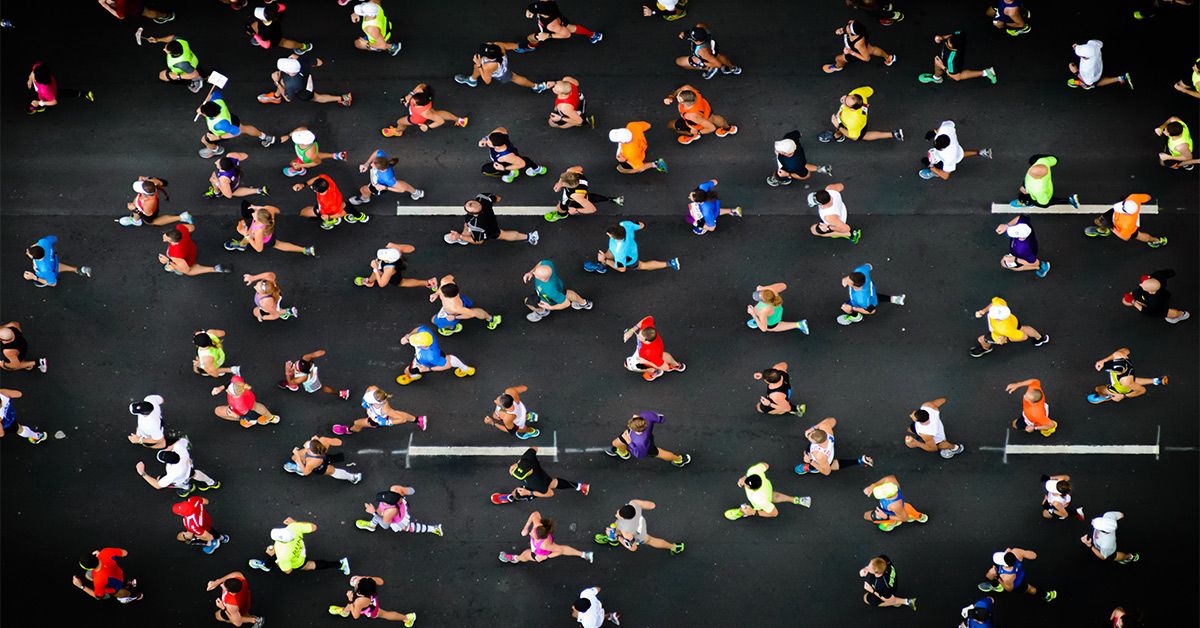

A 10K race is the Goldilocks distance of running: longer than a quick 5K, less life-consuming than a half marathon, and just far enough to make your legs ask, “Are we doing this on purpose?” At 6.2 miles, the 10K rewards endurance, pacing, patience, and a little mental stubbornness. It is approachable for newer runners, challenging for experienced racers, and endlessly adjustable depending on your goal.
So, what is the average 10K time? For many recreational runners who train consistently, a realistic 10K finish time falls somewhere between 50 and 70 minutes. Beginners may take 70 to 90 minutes or more, while experienced runners often aim for 45 to 60 minutes. Competitive age-group runners may finish in the 35- to 45-minute range, and elite athletes can run dramatically faster. But here is the important part: your best 10K time is not simply a number on a clock. It is the result of training history, age, fitness, pacing, weather, course elevation, sleep, fueling, and whether your shoelace decides to stage a rebellion at mile four.
This guide breaks down average 10K times, what affects performance, how to train smarter, how to race well, and how to recover so you can return to running without walking down stairs like a cautious penguin.
What Is a 10K Race?
A 10K is a 10-kilometer race, equal to 6.2 miles. It is one of the most popular road race distances because it offers a satisfying challenge without requiring the high weekly mileage often associated with marathon training. A 10K can be a first major race, a stepping-stone to a half marathon, or a speed-focused goal for runners who already have endurance.
Unlike a 5K, which can feel fast and fiery from the start, a 10K demands control. Start too quickly and the second half may feel like negotiating with your lungs in a courtroom. Start too slowly and you may finish with energy left over, which is great for brunch but not ideal for a personal record. The sweet spot is a steady, sustainable pace that feels controlled early and challenging late.
Average 10K Time: What Most Runners Can Expect
The average 10K time varies widely because runners come from different backgrounds. Some people race after months of structured training. Others sign up because a friend said, “It’ll be fun,” which is runner-speak for “You may question our friendship around mile five.”
General 10K Finish Time Ranges
Here is a practical breakdown for recreational runners:
- Beginner runners: 70 to 90 minutes or more
- Moderately fit recreational runners: 55 to 70 minutes
- Consistent runners: 45 to 60 minutes
- Advanced runners: 35 to 45 minutes
- Elite runners: often under 30 minutes for men and in the low-to-mid 30s for women
A 60-minute 10K means running about 9:39 per mile. A 50-minute 10K requires about 8:03 per mile. A 45-minute finish means holding roughly 7:15 per mile. These numbers can look tidy on paper, but on race day they are affected by heat, hills, crowding, hydration, sleep, and whether you accidentally ate a suspiciously heroic breakfast burrito.
Average 10K Time by Fitness Level
If you are new to running but already active, finishing a 10K in 65 to 80 minutes is a strong starting point. If you run three to five days per week and have built up to 15 to 30 miles weekly, the 50- to 70-minute range is common. Runners with several years of training, regular speed workouts, and good pacing may break 50 minutes. A sub-45 or sub-40 10K usually requires focused training, consistency, and a strong aerobic base.
Age and sex also influence average 10K times, but not as neatly as online charts suggest. A 55-year-old runner with ten years of consistent training may outrun a 25-year-old who trained mostly by thinking about running while buying shoes. Experience matters. So does recovery. So does learning not to sprint the first downhill just because gravity gave you a coupon.
What Affects Your 10K Time?
1. Training Consistency
Consistency is the quiet superpower of 10K performance. One heroic workout will not make you race-ready. Three months of steady runs, sensible progression, and enough rest will. Most runners improve when they combine easy runs, one longer run, one quality workout, and at least one rest or recovery day each week.
2. Weekly Mileage
You do not need marathon-level mileage for a good 10K, but you do need enough running volume to make 6.2 miles feel manageable. Beginners may prepare on 10 to 15 miles per week. Intermediate runners often do well around 15 to 30 miles per week. Advanced runners may train at higher volumes, but mileage should increase gradually. Jumping from “casual jogger” to “human greyhound” in two weeks is a reliable way to meet your local physical therapist.
3. Pacing Strategy
Pacing can make or break a 10K. A smart approach is to run the first mile slightly slower than goal pace, settle into rhythm through the middle miles, then push in the final two kilometers if you have energy left. Many runners run their best 10K with a slight negative split, meaning the second half is faster than the first.
4. Course and Weather
A flat, cool course is usually faster than a hilly, hot, humid one. Heat and humidity raise effort level, increase fluid loss, and make goal pace feel harder. On warm days, it is wise to adjust expectations. Your fitness did not vanish; it is simply wearing a sweat-soaked jacket.
5. Strength, Mobility, and Injury History
Strong glutes, calves, hamstrings, quads, and core muscles help you maintain form when fatigue arrives. Strength training two days per week can improve durability and running economy. Mobility work, dynamic warmups, and gradual mileage increases also reduce the risk of common running issues such as shin splints, runner’s knee, Achilles irritation, and plantar fasciitis.
How to Train for a Better 10K Time
Build an Aerobic Base First
Most 10K success comes from aerobic fitness. Easy running teaches your body to use oxygen efficiently, build capillaries, strengthen connective tissue, and handle more work without falling apart. Easy runs should feel conversational. If you cannot speak in short sentences, slow down. Your ego may complain, but your mitochondria will send a thank-you card.
Add One Long Run Each Week
A weekly long run helps 6.2 miles feel less intimidating. For a 10K, many runners build their long run to 6 to 9 miles. The long run should usually be easy, not a weekly race rehearsal. Think of it as endurance homework: not glamorous, but very useful.
Use Tempo Runs
Tempo running teaches you to hold a comfortably hard pace. A simple session might be 10 minutes easy, 15 to 25 minutes at tempo effort, then 10 minutes easy. Tempo pace should feel controlled but challenging, around the effort you could maintain for roughly an hour.
Try 10K-Specific Intervals
Intervals improve speed and efficiency. For a 10K, useful workouts include:
- 6 x 800 meters at 10K pace with easy jogging between repeats
- 5 x 1 kilometer slightly faster than goal pace
- 3 x 1 mile at goal 10K pace with 2 to 3 minutes easy recovery
- Hill repeats of 30 to 60 seconds to build strength and power
Do not stack hard workouts back-to-back. Your body adapts during recovery, not during the moment you are dramatically staring at your watch wondering why 800 meters has become a philosophical crisis.
Include Strength Training
Two short strength sessions per week can support better running form and injury resistance. Focus on squats, lunges, deadlifts, calf raises, step-ups, planks, side planks, and hip stability exercises. Keep the work controlled and progressive. You are training to run stronger, not auditioning to lift the treadmill.
Race-Day Tips for a Strong 10K
Warm Up Properly
A 10K is short enough that you should not spend the first two miles warming up. Before the race, walk or jog lightly for 10 to 15 minutes, then do dynamic movements such as leg swings, high knees, butt kicks, and a few short strides. You want to arrive at the start line awake, loose, and readynot cold and creaky like a folding chair from the garage.
Start Slower Than You Want To
The first mile of a race is dangerous because adrenaline makes every pace feel easy. Your watch may show a speed you have never held before, and your brain may whisper, “Maybe I’m amazing today.” Be careful. The 10K rewards discipline. Aim to run the first mile just a touch slower than goal pace, then gradually settle in.
Fuel Simply
Most runners do not need mid-race fuel for a 10K lasting under an hour, especially if they ate well beforehand. If you expect to be out there longer than 70 minutes, a small amount of carbohydrate may help, but practice it during training first. Race day is not the time to discover that a new gel turns your stomach into a washing machine.
Hydrate Based on Conditions
Drink normally in the hours before the race, and consider water during the race if it is hot, humid, or you will be running longer than an hour. Electrolytes may be useful for heavy sweaters or warm-weather events. Avoid overdrinking. The goal is balance, not becoming a portable aquarium.
Use Mental Checkpoints
Break the race into sections. The first two miles are for control. Miles three and four are for rhythm. Mile five is where focus matters. The final 1.2 miles are for gradually increasing effort and convincing your legs that, yes, the finish line is real and not a mirage created by sports drink fumes.
Recovery Tips After a 10K Race
Keep Moving After the Finish
After crossing the line, keep walking for several minutes. This helps your heart rate come down gradually and supports circulation. Sitting immediately may feel tempting, but a short walk can reduce stiffness and make the rest of the day more comfortable.
Rehydrate and Refuel
Within 30 to 60 minutes, eat a snack or meal with carbohydrates and protein. Carbohydrates help restore glycogen, while protein supports muscle repair. Good options include Greek yogurt with fruit, a turkey sandwich, eggs and toast, a smoothie, rice with chicken or tofu, or oatmeal with nut butter. If you raced in heat or sweat heavily, include fluids and electrolytes.
Take Recovery Seriously
Even though a 10K is shorter than a half marathon or marathon, racing hard creates muscle damage and nervous system fatigue. Plan a few easy days afterward. Walking, gentle cycling, mobility work, and light jogging can help, but avoid intense workouts until soreness fades and your energy returns.
Sleep Like It Is Training
Sleep is not a bonus feature. It is where adaptation happens. Aim for consistent, quality sleep during race week and after the event. If your legs are sore, elevate them briefly, stretch lightly, and avoid turning the evening into an Olympic event in couch collapsing.
Review the Race
A day or two later, review what went well and what you would change. Did you start too fast? Did you fade on hills? Did breakfast work? Were your shoes comfortable? Did you remember to smile for the race photographer, or do you now have photographic evidence of your soul leaving your body? Use the answers to improve your next training cycle.
Common 10K Mistakes to Avoid
Training Too Hard Too Often
Many runners think improvement means every run should feel difficult. In reality, most training should be easy, with a small portion dedicated to harder workouts. Too much intensity leads to burnout, soreness, and stalled progress.
Skipping the Taper
In the final week before a 10K, reduce training volume while keeping a little light intensity. This allows your body to absorb training and arrive fresh. Do not cram fitness at the last minute. The hay is in the barn, as runners say, though nobody knows why runners are suddenly farmers.
Ignoring Strength Work
Running alone can improve endurance, but strength training helps you handle the repetitive impact of running. It also supports better posture late in the race, when fatigue tries to fold you into a question mark.
Racing in New Gear
Do not wear brand-new shoes, socks, shorts, or a hydration belt on race day. Test everything in training. The only surprise you want during a 10K is how strong you feel, not how creatively a shirt can chafe.
Sample 10K Training Week
Here is a balanced week for an intermediate runner aiming to improve 10K performance:
- Monday: Rest or gentle mobility
- Tuesday: Intervals, such as 5 x 1 kilometer at 10K pace
- Wednesday: Easy run, 3 to 5 miles
- Thursday: Strength training plus short easy jog
- Friday: Rest or cross-training
- Saturday: Tempo run, 20 minutes comfortably hard
- Sunday: Long easy run, 6 to 9 miles
Beginners can reduce mileage, use run-walk intervals, and focus on finishing comfortably. Advanced runners can add volume, longer tempo segments, or more specific pace work. The best plan is the one you can repeat consistently without feeling like your calves are filing a formal complaint.
Real-World Experience: What Running a 10K Actually Feels Like
The experience of running a 10K is different from reading about one. On paper, 6.2 miles sounds tidy and mathematical. In real life, it has chapters. The first mile is excitement. The second is adjustment. The middle miles are negotiation. The last mile is where personality enters the chat.
Before the start, most runners feel a mix of nerves and energy. You may look around and see every type of person: the runner doing serious-looking drills, the friend group wearing matching shirts, the older athlete who looks calm enough to solve taxes mid-race, and the person checking their watch every 12 seconds. This is normal. A race start line is basically a fitness-themed airport gate.
When the race begins, the crowd pulls you forward. This is when discipline matters most. Many runners go out too fast because everyone around them is moving quickly. The pace feels easy because adrenaline is doing free labor. But a smart runner holds back slightly. In a good 10K, the first mile should feel almost too controlled. That restraint is not weakness. It is a savings account for later.
By miles two and three, the race settles. Breathing becomes steady. You begin passing some people and being passed by others. This is where it helps to focus on form: relaxed shoulders, quick cadence, quiet arms, eyes forward. If you are running by effort, aim for “comfortably hard.” You should not be gasping, but you should not feel like you could discuss your favorite streaming drama in detail either.
Around miles four and five, the 10K becomes honest. The early excitement has faded, and the finish is close but not close enough to celebrate. This is the mental zone. Instead of thinking, “I still have more than a mile left,” choose smaller goals. Run to the next turn. Catch the next person gradually. Hold your rhythm until the next water station. Count 20 strong breaths. These small mental tricks keep the race manageable.
The final mile is where many runners discover they had more left than they thought. If you paced well, you can increase effort. Your breathing will be heavier, your legs may feel thick, and your brain may suggest several hobbies that involve sitting down. Ignore the drama. Lift your posture, drive your arms, and focus on steady pressure. You do not need a movie-worthy sprint from half a mile out. A controlled build is often faster and far less chaotic.
Crossing the finish line brings a specific kind of satisfaction. Whether your time is 42 minutes or 82 minutes, you covered the same distance. You asked your body to do something difficult, and it answered. That feeling is why runners keep signing up for races even after swearing, somewhere around mile five, that they are “never doing this again.” Give it 24 hours. You may already be searching for the next one.
Recovery is part of the experience too. The best post-race plan is simple: walk, drink, eat, change into dry clothes, and be kind to your legs for a few days. The day after a hard 10K, stiffness is common. Take an easy walk, stretch gently, and avoid judging your fitness by how you feel going down stairs. Your body is repairing. Let it do its job.
The biggest lesson from the 10K is that improvement comes from patience. Your first race teaches pacing. Your second teaches confidence. Your third may teach you not to eat spicy takeout the night before. Every race gives feedback. Use it, laugh a little, and keep going.
Conclusion
The average 10K time for many recreational runners is around 50 to 70 minutes, but averages should guide you, not define you. A strong 10K depends on consistent training, smart pacing, strength work, good hydration, practical fueling, and recovery that is treated as part of the plan rather than an afterthought.
If you are preparing for your first 10K, focus on finishing comfortably and building confidence. If you are chasing a personal record, practice goal pace, add tempo runs and intervals, and learn how to start patiently. No matter your finish time, the 10K is a race that rewards both fitness and wisdom. Train well, race smart, recover fully, and remember: the clock matters, but the comeback matters too.