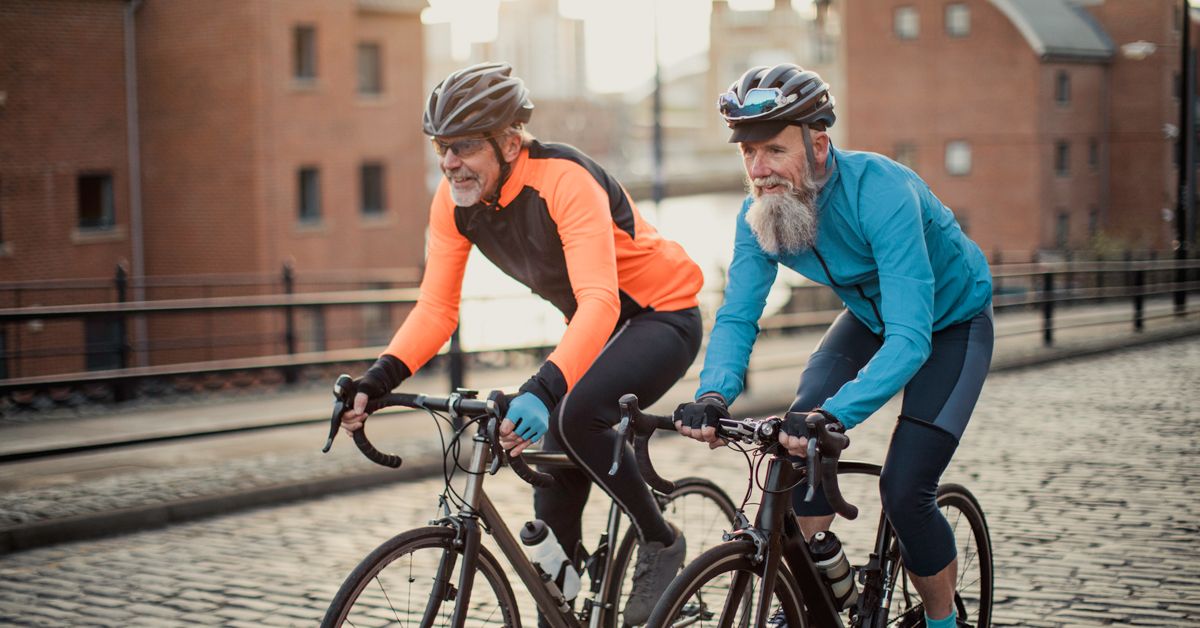

Getting older does not mean your bicycle has to become a decorative object in the garage next to the mystery box of extension cords. In fact, cyclile ways for older adults to stay active, protect mobility, and add a little adventure to an ordinary Tuesday.
Whether you prefer a classic cruiser, a recumbent bike, a three-wheeled trike, an indoor stationary bike, or a pedal-assist e-bike, cycling can be adjusted to meet your current fitness level. The goal is not to win the Tour de France before lunch. It is to move regularly, feel capable, and build a routine you actually want to keep.
For many older adults, biking offers a rare combination: it raises the heart rate without repeatedly pounding the knees, hips, and ankles. It can also be social, useful for errands, and surprisingly good for the mood. Still, safer cycling starts with choosing the right bike, preparing your body, and giving safety more attention than your old “I rode everywhere as a kid” confidence may suggest.
Why Cycling Is a Smart Exercise for Older Adults
Cycling is primarily an aerobic activity. That means it works the heart, lungs, and large muscles of the legs while helping improve stamina over time. Public-health guidance for older adults recommends working toward 150 to 300 minutes of moderate-intensity aerobic activity each week, plus muscle-strengthening work and balance-focused activity. A bike ride can help fill the aerobic portion of that plan, but it should be paired with strength and balance exercises rather than replacing them.
One of cycling’s biggest advantages is that it is low impact. Your legs are moving, but your body weight is supported by the saddle and frame instead of landing repeatedly on the ground. That can make cycling more comfortable than jogging for people managing knee discomfort, hip stiffness, or arthritis. Low-impact options such as cycling and stationary biking are commonly recommended for joint-friendly exercise.
There is also a simple lifestyle advantage: a bike ride does not have to feel like “exercise.” It can be a trip to the coffee shop, a loop around a local park, a ride with a grandchild, or a low-key way to explore your neighborhood. When movement is tied to enjoyment, it is easier to repeat. And repetition is where the real benefits live.
Health Benefits of Cycling for Seniors
1. Supports Heart and Lung Health
Regular moderate cycling makes the heart work a little harder, which can improve cardiorespiratory fitness over time. Physical activity is associated with better blood-pressure management, healthier cholesterol patterns, improved blood-sugar control, stress reduction, and better sleep. Those benefits come from regular movement overall, not from cycling alone, but biking can be an effective and enjoyable way to build that movement into the week.
A useful intensity check is the talk test. During a moderate ride, you should be breathing harder than usual but still able to speak in full sentences. If you can sing an entire power ballad without pausing for air, you may be riding too easily. If you can only communicate through dramatic hand signals, ease up.
2. Builds Leg Strength and Everyday Function
Pedaling uses the quadriceps, hamstrings, calves, glutes, and smaller stabilizing muscles around the hips and knees. Stronger legs can make ordinary activities feel easier, including rising from a chair, climbing stairs, carrying groceries, and walking farther without fatigue.
Cycling is not a complete strength-training program, however. It does not fully replace exercises for the upper body, core, and bone-supporting muscles. Add two weekly sessions of simple resistance work, such as resistance bands, chair squats, wall pushups, light dumbbells, or bodyweight exercises that match your ability.
3. May Be Easier on Achy Joints
For adults with arthritis or recurring joint soreness, cycling can be a friendlier option than high-impact workouts. The circular pedaling motion allows the knee to move through a controlled range without the repeated impact of running or jumping. A stationary or recumbent bike may be especially comfortable during periods when outdoor riding feels too demanding.
Comfort still matters. Pain that steadily increases, swelling that lasts, or a joint that feels unstable is not a signal to “push through.” It is a signal to reduce the load and speak with a health professional.
4. Helps Maintain Independence
Healthy aging is not just about adding years. It is also about protecting the ability to do what you want in those years. Consistent physical activity can support mobility, endurance, mood, sleep, and the confidence needed for daily life. Staying active may also help older adults maintain function and reduce fall risk when exercise includes balance and strength work.
A bike cannot do everything, but it can become part of a broader “keep doing my own thing” plan. That may be the most underrated fitness goal of all.
5. Boosts Mood, Routine, and Social Connection
A ride outdoors offers sunlight, fresh air, changing scenery, and a reason to leave the house. Indoor cycling can provide structure during hot, rainy, icy, or pollen-heavy days. Joining a local recreational riding group, meeting a friend for a weekly trail ride, or simply waving at familiar neighbors can turn exercise into social time rather than another item on the to-do list.
Should Older Adults Talk to a Doctor Before Cycling?
Many people can begin gentle cycling safely, especially on a stationary bike or a flat, protected path. Still, it is wise to check with a clinician before starting or increasing your routine if you have heart disease, uncontrolled high blood pressure, diabetes complications, severe osteoporosis, significant balance problems, recent surgery, chest discomfort, unexplained dizziness, fainting episodes, or new shortness of breath.
A clinician, physical therapist, or qualified exercise professional can help you decide what kind of cycling is realistic and safe. This is especially important if you use medications that can affect blood pressure, coordination, blood sugar, alertness, or hydration.
Stop exercising and seek medical guidance promptly if you develop chest pain, unusual pressure, faintness, severe shortness of breath, a racing or irregular heartbeat, or pain that is clearly different from normal muscle fatigue. A good ride should leave you pleasantly tired, not auditioning for a medical drama.
Choosing the Best Bike for Older Adults
Upright Comfort Bikes
Comfort bikes are often a good choice for casual riders because they usually have a more relaxed riding position, wider tires, and a softer saddle than traditional road bikes. Look for handlebars that allow you to sit fairly upright instead of forcing you to fold yourself into a pretzel.
Step-Through Bikes
A step-through frame has a low or absent top tube, making it easier to get on and off the bike. This can be particularly useful for people with limited hip mobility, stiff knees, or balance concerns. Mounting and dismounting should feel calm and controlled, not like a gymnastics event.
Recumbent Bikes
Recumbent bikes position the rider in a reclined seat with back support and pedals in front. They can be useful for people who want more stability, less pressure on the wrists, or a more supported posture. Stationary recumbent bikes are also popular for indoor exercise because getting on and off is often easier than with a traditional upright bike.
Three-Wheeled Adult Trikes
Adult tricycles remove the need to balance while stopped and can offer more confidence for riders who feel uneasy on two wheels. They are not automatically risk-free, though. Trikes handle differently around turns and can tip if cornered too quickly. Practice on a flat, empty surface before taking one onto busy paths or streets.
Pedal-Assist E-Bikes
Pedal-assist e-bikes can make hills, wind, and longer distances feel more manageable. They still require pedaling, and research suggests pedal-assist riding can reach moderate exercise intensity for many riders. However, e-bikes are heavier and can accelerate faster than standard bicycles, so older riders should begin with the lowest assistance setting and practice braking, turning, and mounting in a quiet area.
How to Start Cycling Safely
Start smaller than your enthusiasm. This is not a criticism. Enthusiasm is wonderful. It is just terrible at judging calf muscles on Day One.
For a beginner, try 10 to 15 minutes of easy riding two or three times per week. Use a stationary bike, a flat trail, a quiet neighborhood street, or a protected bike path. Keep the pace easy enough that you can talk comfortably. Add about five minutes to one or two rides each week as your confidence and stamina improve.
A simple starting schedule might look like this:
- Week 1: Two or three easy rides of 10 to 15 minutes.
- Week 2: Three rides of 15 to 20 minutes.
- Week 3: Three or four rides of 20 to 25 minutes.
- Week 4 and beyond: Gradually build toward 30-minute rides on most days, adjusting for your health, weather, and recovery.
Warm up for five minutes at a very easy pace, then cool down gradually instead of stopping abruptly after a hill or hard interval. A warm-up helps the heart rate and breathing rise more gradually and prepares muscles for activity.
Essential Cycling Safety Tips for Older Adults
Wear a Properly Fitted Helmet Every Ride
A helmet is not a fashion referendum. It is safety equipment. Choose a bicycle helmet that meets U.S. Consumer Product Safety Commission standards, sits level on your head, rests low on the forehead, and has a snug chin strap. Replace a helmet after a crash or major impact, even if it looks fine. CDC and CPSC guidance emphasizes that properly fitted helmets help reduce the risk of serious head injury in a crash.
Get the Bike Fit Right
A poor fit can turn a pleasant ride into a complaint letter from your knees, wrists, neck, and backside. Adjust the saddle so your knee remains slightly bent at the bottom of the pedal stroke rather than locking straight. Handlebar height should allow a comfortable posture without excessive strain on the neck or lower back.
If you are unsure, ask a reputable bike shop for a basic fitting. Even small adjustments to seat height, handlebar reach, pedal position, or saddle angle can make a dramatic difference. Bike-fit guidance for riders with joint concerns commonly stresses avoiding an overly high seat and maintaining a slight knee bend at the bottom of the pedal rotation.
Choose Safer Routes
Flat, well-maintained trails, dedicated bike paths, quiet residential streets, and parks are usually better starting points than fast traffic, steep hills, or rough roads. Avoid loose gravel, deep potholes, wet leaves, poor lighting, and unfamiliar intersections when possible.
Ride during daylight whenever you can. If you must ride near dawn, dusk, or cloudy conditions, use front and rear lights, reflectors, and bright or reflective clothing. Being able to see is good. Being seen is even better.
Check the Bike Before You Ride
Before each ride, take 30 seconds to check the basics:
- Tires are inflated and not visibly damaged.
- Brakes engage firmly and do not rub constantly.
- Chain and pedals move smoothly.
- Lights and reflectors are working.
- The saddle and handlebars are secure.
- You have water, a phone, identification, and any needed medication.
If the bike has been sitting for years, have it inspected by a qualified bike mechanic before riding. Rubber, cables, brakes, and tires do not improve with age merely because they have been resting.
Use Smart Road Habits
Follow local traffic laws, ride predictably, signal turns, stop at signs and lights, and avoid headphones, texting, or scrolling while moving. Keep both hands available for the handlebars and brakes. Do not assume drivers see you, even when you are wearing fluorescent yellow and feel like a human highlighter.
Comfort Tips That Make Cycling Easier
Small upgrades can prevent many common cycling complaints. A wider saddle may help some riders, but a saddle that is too soft can create pressure during longer rides. Padded cycling shorts, gloves, ergonomic grips, and a suspension seat post may improve comfort on rougher surfaces.
Drink water before and during longer rides, especially in warm weather. Use sunscreen, sunglasses, and breathable layers. In cold weather, keep hands and feet warm because stiff fingers make braking and shifting more difficult.
Most important, listen to your body. Mild muscle fatigue after a new activity is normal. Sharp pain, numbness, tingling, persistent joint swelling, or worsening discomfort is not. Adjust the bike, shorten the ride, take a rest day, or get professional advice.
Real-Life Cycling Experiences: What Older Riders Often Discover
The experiences below are composite examples based on common situations older adults encounter when returning to cycling. They are not individual medical case histories.
Many older adults begin cycling with a very practical goal: “I just want to move more without hurting my knees.” The first surprise is often how different cycling feels from walking or running. A rider who gets sore after a long walk may find that 10 minutes on a stationary bike feels manageable because the motion is smooth and the joints are not absorbing repeated impact. That early success can be a confidence boost. The person who expected to feel “too old for a bike” may suddenly start looking forward to the next ride.
Another common experience is discovering that the right bicycle matters more than toughness. Someone may struggle on a hand-me-down road bike with a narrow saddle and low handlebars, then try a step-through comfort bike or a recumbent model and think, “Oh, this is what people mean by comfortable.” A bike that fits well encourages consistency. A bike that makes your neck ache after six minutes becomes an expensive garage ornament.
Older riders often learn to appreciate slow progress. At first, a 15-minute route may feel like plenty. A small hill can seem personally insulting. After several weeks, that same route feels easier, and the rider may add an extra block, a park loop, or a stop at a local café. The change is not always dramatic from one day to the next, but it adds up. Stairs may feel less demanding. Walking the dog may feel easier. Carrying groceries may become less of a negotiation.
Social riding can also change the experience. Some people enjoy cycling alone because it offers quiet time and a break from screens. Others find that a weekly ride with a spouse, neighbor, friend, or local riding group keeps them motivated. The pace does not need to be impressive. A relaxed ride with conversation, snacks, and frequent photo stops still counts. In fact, it may be the kind of exercise routine people actually maintain for years.
Indoor cycling becomes especially valuable for riders dealing with extreme heat, rain, cold weather, poor air quality, or busy roads. A stationary bike may not offer scenic trails or surprise encounters with ducks, but it removes several barriers. You can ride in comfortable clothes, stop whenever you need, and avoid traffic entirely. For some older adults, indoor riding is the bridge that helps them build fitness before feeling ready for outdoor cycling.
There are also lessons in humility. Riders who once cycled everywhere as teenagers may realize that balance, reaction time, confidence in traffic, and flexibility have changed. That is not failure. It is useful information. Choosing flatter routes, using a mirror, riding with a companion, taking a skills refresher class, or switching to a trike or e-bike can make cycling safer and more enjoyable. Smart adaptations are not “giving up”; they are how people keep doing the activities they love.
Perhaps the best experience is the simple feeling of freedom. Cycling can make a neighborhood feel larger, a morning feel more purposeful, and exercise feel less like a chore. The ideal ride is not the fastest, longest, or most impressive one. It is the ride that gets you home safely, feeling stronger than when you left.
Final Thoughts
Cycling for older adults can support heart health, leg strength, joint-friendly movement, mood, and independence. The safest approach is to start gradually, use a properly fitted bike and helmet, choose low-stress routes, and combine cycling with strength and balance training.
Whether you ride outdoors, pedal indoors, cruise on a trike, or use an e-bike to tame hills, consistency matters more than speed. Choose the bike setup that feels stable, comfortable, and inviting enough to use again tomorrow.
Note: This article is for general educational purposes and is not a substitute for personal medical advice. Talk with a qualified healthcare professional before starting or changing an exercise routine, especially if you have chronic health conditions, recent injuries, or new symptoms.