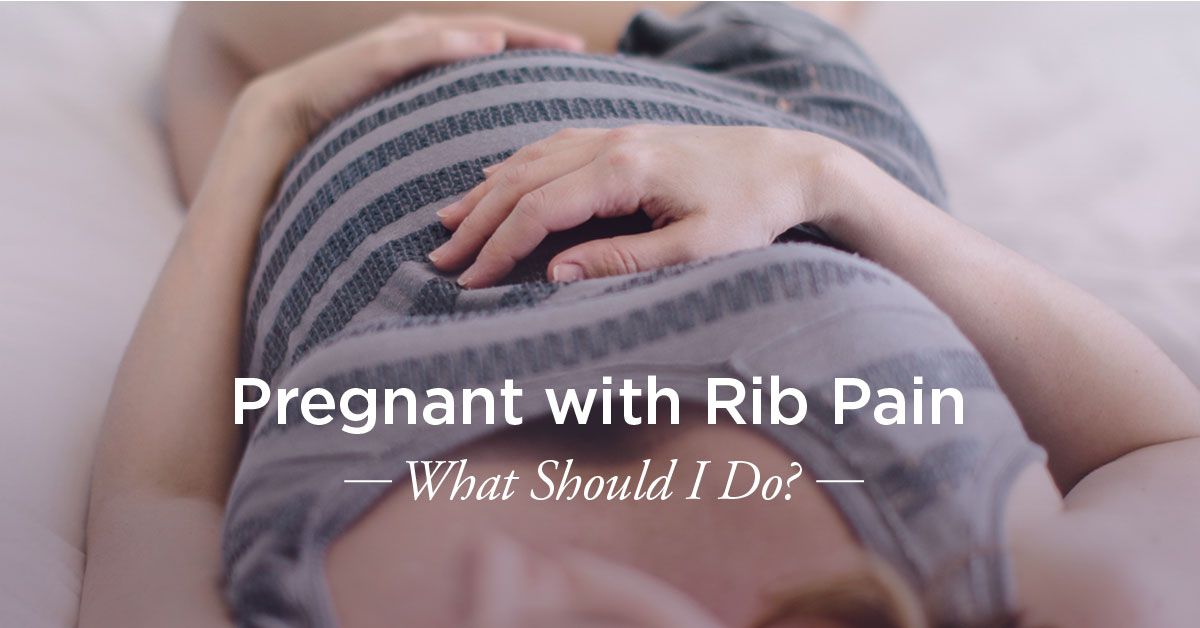

Pregnancy is full of magical moments. Feeling the baby kick. Hearing the heartbeat. Realizing you now grunt every time you stand up. And somewhere in that glamorous journey, many pregnant people discover a new annoyance: rib pain.
If your ribs suddenly feel bruised, squeezed, jabbed, or like a tiny tenant is practicing martial arts under your bra line, you are very much not alone. Rib pain during pregnancy is common, especially later in pregnancy when the uterus expands, the baby shifts upward, posture changes, and your muscles work overtime just to keep everyone upright. The good news is that rib pain is often caused by normal pregnancy changes. The less-fun news is that sometimes pain under the ribs can be a sign that something more serious is going on.
This guide breaks down what rib pain during pregnancy usually means, what you can do at home, when to call your doctor, and how to tell the difference between “annoying but typical” and “please do not just Google this at 2 a.m.” territory.
What Rib Pain During Pregnancy Usually Feels Like
Rib pain in pregnancy does not always show up the same way. For some people, it is a dull ache under the breasts or along the sides of the rib cage. For others, it feels sharp, stabby, or weirdly specific, like one rib has filed a complaint. It may happen on one side or both, come and go, or flare after meals, long periods of sitting, coughing, or sleeping in one awkward position too long.
Some pregnant people notice pain high in the abdomen right under the ribs. Others describe soreness between the ribs, tenderness when twisting, or a sensation of pressure that gets worse when the baby stretches upward. If the baby is breech or has a favorite foot-forward routine, you may feel repeated pokes in exactly the same spot. Tiny feet, big opinions.
Why Rib Pain Happens During Pregnancy
1. Your growing uterus is pushing everything north
As pregnancy progresses, the uterus expands upward and crowds the organs that used to enjoy a little elbow room. That extra pressure can lift the diaphragm, compress the area under the rib cage, and create a tight, achy, or breathless feeling. This is especially common in the late second trimester and third trimester.
2. The baby may be parked under your ribs
Baby position matters a lot. If your baby’s bottom, back, knees, or feet are wedged high, you can feel direct pressure under the ribs. Some people say it feels like a bowling ball in the chest. Others say it feels like their baby found one rib and decided to lease it long-term.
3. Your muscles and connective tissues are under strain
Pregnancy changes posture, balance, and the way your core works. As your belly grows, you may lean backward without realizing it, round your shoulders, or arch your back to compensate. That can strain the muscles between the ribs, irritate the chest wall, and make everyday motions like reaching, rolling over in bed, sneezing, or laughing feel surprisingly rude.
4. Heartburn and reflux can masquerade as rib discomfort
Hormones relax the valve between the esophagus and stomach, and the growing uterus increases pressure on the stomach. The result can be heartburn, reflux, bloating, and upper abdominal discomfort that seems to sit under the breastbone or ribs. Sometimes what feels like rib pain is really digestive drama in a very convincing costume.
5. Cartilage irritation can make the rib cage sore
The rib cage is not just bone. It includes cartilage, muscles, and joints where the ribs attach to the breastbone and spine. Those structures can become irritated, especially if you have been coughing, lifting, twisting, or sleeping in the same cramped position night after night. Pain near the front of the chest or tenderness when pressing on the area can point to a musculoskeletal cause.
6. Gas, gallbladder issues, or other abdominal causes can show up under the ribs
Not all pain under the ribs is actually “rib” pain. Sometimes the source is abdominal. Gas, constipation, indigestion, gallbladder irritation, or liver-related problems can all create discomfort in the upper abdomen, especially on the right side. That is why location, timing, and other symptoms matter.
When Rib Pain Is Most Common
Rib pain can happen at any point in pregnancy, but it is most common later on, when the baby is bigger and your torso feels like it is being renovated without a permit. Third-trimester rib pain is especially common because the uterus rises higher, the diaphragm has less room, and the baby often pushes upward with more force.
That said, early pregnancy pain under the ribs is not something to shrug off automatically. Severe pain early in pregnancy, especially if it comes with shoulder pain, dizziness, faintness, or bleeding, needs urgent medical attention. Pain that is sudden, intense, or paired with other warning signs always deserves a closer look.
What to Do About Rib Pain During Pregnancy
Change positions strategically
If the pain seems tied to pressure, your first move is simple: change angles. Stand up if you have been sitting for a long time. Sit taller if you have been slouching. Lie on your side instead of reclining flat on your back. Many pregnant people find that shifting positions gives the baby and the rib cage a new arrangement and reduces the “tiny heel in my soul” sensation.
Try raising the arm on the sore side overhead for a few seconds while taking slow breaths. This may help create a little more space between the ribs. Some people also get relief by leaning slightly away from the painful side.
Use pillows like they are part of your medical team
Pregnancy pillows, wedge pillows, and regular bed pillows can be surprisingly effective. Support your belly, back, and upper torso so your rib cage is not collapsing into a twist while you sleep. Side-sleeping with a pillow between your knees and one under your bump can reduce strain on the chest wall and spine.
Work on posture, not perfection
You do not need to sit like a ballet instructor for 14 hours a day. But small posture improvements can help. Think shoulders relaxed, chest open, chin level, and ribs stacked over hips instead of flared forward. If you work at a desk, take short standing breaks often. If you drive a lot, adjust your seat so you are not curling around the steering wheel like a shrimp.
Try gentle heat or a warm shower
A warm shower or a warm, not hot, compress on sore muscles can help relieve tension. Avoid excessive heat and do not place very hot pads directly on your belly. The goal is comfort, not rotisserie mode.
Move gently
Gentle stretching, walking, prenatal yoga, and mobility exercises can help if the pain is related to muscles or posture. The key word is gentle. This is not the moment to prove you still remember high school gymnastics. If an activity makes the pain sharper, stop. If you are unsure what is safe, ask your obstetric clinician or a prenatal physical therapist.
Eat smaller meals if reflux seems involved
If pain under the ribs gets worse after eating, especially with burning in the chest or throat, heartburn may be part of the problem. Smaller meals, eating more slowly, avoiding trigger foods, and not lying down right after eating can help. Greasy, spicy, acidic, and very large meals are common troublemakers. Basically, pregnancy sometimes turns pizza into a personal enemy.
Wear supportive clothing
A supportive bra without excessive tightness can reduce strain on the chest wall. Some people also benefit from a maternity support band, especially if posture and abdominal weight are contributing to upper-body tension.
Ask before taking medication
Acetaminophen is generally considered safe during pregnancy and is commonly recommended for pain relief, but you should still check with your OB-GYN, midwife, or other prenatal clinician before taking any medication regularly. Do not assume every over-the-counter pain reliever is pregnancy-friendly. Some medicines, including many NSAIDs, are not routinely recommended during pregnancy unless your clinician specifically tells you to use them.
Consider prenatal physical therapy or massage
If rib pain is persistent and clearly musculoskeletal, prenatal physical therapy can help improve posture, breathing mechanics, and body alignment. Massage from a pregnancy-trained professional may also help with muscle tightness. The important detail there is pregnancy-trained. This is not the season for mystery spa experiments.
When Rib Pain Is a Sign to Call Your Doctor
Most rib pain during pregnancy is uncomfortable, not dangerous. But some pain under the ribs can be linked to complications that need prompt care. Call your doctor, midwife, labor and delivery unit, or seek urgent medical care right away if you have any of the following:
- Severe or persistent pain under the right ribs or in the upper right abdomen
- Headache that does not go away
- Vision changes, such as spots, blurriness, or flashing lights
- Sudden swelling, especially in the face or hands
- Nausea or vomiting that starts suddenly after mid-pregnancy
- Shortness of breath at rest, worsening trouble breathing, or chest pain
- Fever, chills, or feeling acutely unwell
- Vaginal bleeding, leaking fluid, or regular painful contractions
- Decreased fetal movement
- Pain after a fall, blow, or other injury
- Severe pain early in pregnancy, especially with dizziness, fainting, or shoulder pain
These symptoms can be associated with conditions such as preeclampsia, gallbladder disease, acute fatty liver of pregnancy, infection, blood clots, or other urgent issues. Right-sided upper abdominal or rib pain deserves special respect because it can overlap with liver-related complications of pregnancy.
What Serious Causes Can Mimic “Normal” Rib Pain?
Preeclampsia
Preeclampsia is a serious pregnancy complication linked to high blood pressure and organ stress, often after 20 weeks of pregnancy. One warning sign can be pain in the upper abdomen or under the ribs on the right side. It may also come with headache, vision changes, swelling, nausea, or shortness of breath. This is not a “wait and see next week” symptom cluster.
Gallbladder problems
Pregnancy can increase the chance of gallbladder issues. Pain is often on the right upper side, may come after meals, and can radiate toward the back or shoulder. Nausea and vomiting may come with it. If your “rib pain” seems especially tied to eating, this is worth mentioning to your clinician.
Acute fatty liver of pregnancy
This condition is rare, but it is an emergency. It can cause upper right abdominal pain, nausea, vomiting, headache, and feeling very sick, especially late in pregnancy. Rare does not mean impossible, so severe persistent pain with illness symptoms needs evaluation.
Heartburn or severe reflux
Reflux is far more common than the scary stuff above, and it can cause burning pain under the breastbone or upper ribs, especially after meals or when lying down. It is uncomfortable, but usually manageable with diet changes and pregnancy-safe treatment.
Muscle strain or chest wall inflammation
If the pain is reproducible with movement, twisting, coughing, or pressing on the area, a musculoskeletal cause becomes more likely. It can still hurt plenty, but it is usually less ominous than pain tied to blood pressure, fever, or shortness of breath.
How Doctors May Evaluate Rib Pain During Pregnancy
If you contact your clinician, they will usually ask where the pain is, how severe it is, when it started, whether it comes and goes, and what other symptoms you have. They may check your blood pressure, ask about fetal movement, review your digestive symptoms, and decide whether you need lab work or imaging.
Depending on the situation, evaluation may include urine testing, blood tests, fetal monitoring, or an ultrasound. The point is not to make pregnancy feel like a detective series. The point is to rule out the conditions that should not be missed.
Can You Prevent Rib Pain During Pregnancy?
You cannot always prevent it completely because, frankly, the baby did not read your comfort preferences. But you may lower your chances of major flares by:
- Changing positions often
- Using supportive pillows at night
- Improving posture during sitting and standing
- Eating smaller meals if reflux is part of the picture
- Wearing supportive bras and comfortable clothing
- Staying gently active with pregnancy-approved movement
- Checking with your clinician early if symptoms change or intensify
Experience-Based Stories: What Rib Pain During Pregnancy Can Feel Like in Real Life
Rib pain sounds simple on paper, but in real life it can feel wildly different from one person to the next. One pregnant woman may describe it as a mild pressure that shows up only after a long workday. Another may feel like a tiny heel is permanently lodged under the right rib after dinner every night. The details vary, but the emotional theme is often the same: “I did not know this was a thing, and now I cannot stop noticing my ribs.”
A common experience happens during the third trimester. You are sitting at your desk, trying to answer an email like a normal person, and then the baby stretches upward. Suddenly there is a sharp jab under one rib, and you freeze like a statue until the baby shifts again. It lasts 10 seconds, but it feels much longer because you are negotiating with someone who does not yet speak English.
Another very typical story is nighttime rib pain. You finally assemble the world’s most elaborate pillow nest, lie on your side, get comfortable for nearly six glorious minutes, and then the pressure builds under your ribs. You roll over. Now your hip hurts. You stack another pillow. Now the reflux joins the party. Pregnancy really does know how to create ensemble casts.
Some people notice the pain mostly after meals. They may assume the baby is pushing upward, but the bigger issue is reflux or bloating. It can feel like burning under the breastbone, tightness in the upper abdomen, or soreness beneath the ribs that gets worse when lying down. Once they switch to smaller meals, stay upright after eating, and avoid their most reliable trigger foods, the “rib pain” suddenly becomes a lot less dramatic.
Others experience rib pain more like a muscle injury. It hurts when they twist to reach the back seat, cough, sneeze, laugh, or lift a toddler. The area may feel tender to touch, and a warm shower or better posture helps more than anything else. That kind of experience often points to strained muscles or chest wall irritation rather than a problem with the baby.
Then there are the stories that matter because they remind people not to ignore red flags. A pregnant person may think the pain under the right ribs is just another weird body change, but then a severe headache appears, vision gets blurry, or swelling increases quickly. That combination needs urgent care. In those cases, the rib pain was not “just ribs” at all. It was a sign that the body was asking for help in bold capital letters.
The most reassuring takeaway from these experiences is that rib pain during pregnancy is often manageable once you identify the pattern. If it changes with position, improves with support, flares with reflux, or clearly matches baby movement, that is often a clue that the cause is mechanical and common. If it is severe, constant, right-sided, or paired with concerning symptoms, it is time to call your clinician and let a real human with credentials sort it out.
Final Thoughts
Rib pain during pregnancy can be surprisingly intense, but it is often the result of ordinary pregnancy mechanics: a growing uterus, a determined baby, shifting posture, stretched muscles, or reflux. In many cases, simple changes like repositioning, pillow support, gentle stretching, smaller meals, and pregnancy-safe pain relief can make a real difference.
Still, pain under the ribs is one symptom that should never be dismissed automatically, especially on the right side or when it comes with headache, visual changes, swelling, trouble breathing, or feeling suddenly ill. Trust your instincts. Pregnancy is not the time to win awards for pretending you are fine.
If your symptoms are mild, start with the comfort measures above. If they are severe, unusual, or persistent, call your doctor. The best plan is not to panic, but also not to power through something your body is trying hard to flag.