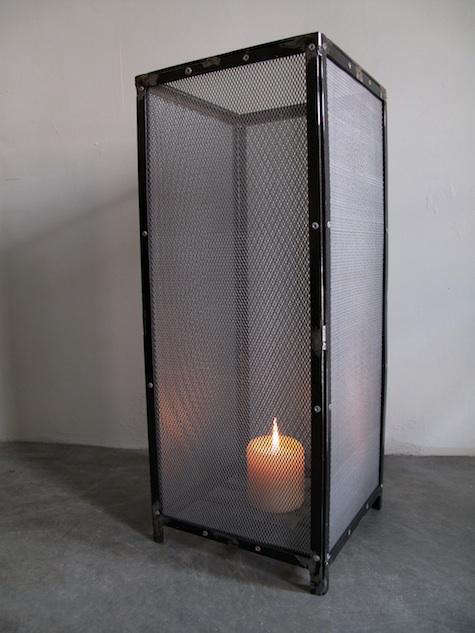

Some home accessories politely sit in a corner and wait to be noticed. The Ixelles Lantern from Casamidy is not one of them. This little architectural scene-stealer arrives with the confidence of a wrought-iron balcony, the manners of an old-world candleholder, and the modern restraint of a designer who knows when to stop adding things. In a world full of overly shiny, overly complicated lighting accessories, the Ixelles Lantern proves that a simple metal frame can still make a room feel edited, collected, and quietly expensive.
Casamidy, the design house founded by Jorge Almada and Anne-Marie Midy, has long been admired for combining contemporary furniture design with traditional artisan methods. The brand’s work often feels like a conversation between Mexico and Europe: hand-forged metalwork, classical silhouettes, Belgian restraint, Mediterranean ease, and enough personality to keep a minimalist from falling asleep. The Ixelles Lantern fits neatly into that language. It is spare but not cold, decorative but not fussy, and practical without looking like it was designed by a committee named “Function First.”
Originally spotlighted as a lacquered wrought-iron lantern, the Ixelles design has the kind of profile that works in several rooms without begging for a themed environment. It can lean rustic, urban, bohemian, Belgian, colonial, contemporary, or even slightly industrial depending on what surrounds it. That flexibility is why this accessory deserves a closer looknot just as a lantern, but as a design tool.
What Is the Ixelles Lantern?
The Ixelles Lantern is a Casamidy lighting accessory made around the brand’s signature metalwork vocabulary. The original lantern coverage described it as lacquered wrought iron with a tall, compact silhouette. Current Casamidy listings under the Ixelles name also show wrought-iron pieces with lacquered metal finishes, which means shoppers should always confirm current dimensions, finish options, and intended use before ordering. That is not a flaw; it is part of buying from a studio where designs may live across collections, formats, and custom variations.
The important thing is the design language. Ixelles is not trying to be a glittery Moroccan lantern, a farmhouse mason-jar situation, or a beach-house hurricane lamp that looks like it came free with a coastal candle. It has a leaner, more architectural attitude. The metalwork gives it structure. The open shape gives it air. The finish keeps it from feeling too polished. The result is a lantern that can hold a candle, anchor a tabletop, soften a corner, or make a patio look like someone with excellent taste just stepped away for five minutes.
Why Casamidy’s Design Language Matters
To understand the Ixelles Lantern, it helps to understand Casamidy. The company was established in 1998 by Jorge Almada and Anne-Marie Midy with the goal of blending modern design with traditional artisan manufacturing. Their work is often associated with San Miguel de Allende, Mexico, where local craft traditions, especially ironwork and metal detailing, become part of a broader design vocabulary.
What makes Casamidy interesting is that the brand does not treat craft as a decorative costume. The handmade quality is not there simply to say, “Look, texture!” Instead, the craftsmanship supports the form. Lines are strong. Materials are honest. Pieces often have historical references, but they rarely feel trapped in the past. That is a difficult trick to pull off. Many designs inspired by tradition either become too heavy or too nostalgic. Casamidy tends to keep the romance but remove the dust.
The Ixelles Lantern follows that approach. Wrought iron can easily become visually heavy, but the lantern’s spare geometry keeps it light. It feels more like a drawn outline than a bulky object. That makes it especially useful in rooms where accessories need to add character without adding clutter.
The Beauty of Wrought Iron in a Modern Home
Wrought iron has been part of interiors and architecture for centuries, showing up in gates, railings, sconces, garden furniture, balconies, and candle lanterns. In the wrong hands, it can feel medieval in the “where is the dungeon?” sense. In the right hands, it feels timeless, grounded, and sculptural.
The Ixelles Lantern belongs to the second group. Its appeal comes from contrast. Iron is strong, but candlelight is soft. The frame is structured, but the glow is atmospheric. The material feels durable, yet the object itself can be moved around easily. That balance makes the lantern ideal for people who like interiors with tension: old and new, rough and refined, handmade and edited.
In modern American interiors, wrought iron works especially well because it breaks up all the soft surfaces. Think linen sofas, pale oak floors, plaster walls, wool rugs, velvet pillows, and stone countertops. Lovely? Absolutely. But too much softness can make a room feel like a boutique hotel lobby where everyone whispers. A metal lantern adds a bit of punctuation. It is the design equivalent of a black belt with a white dress: simple, sharp, and surprisingly powerful.
How to Style the Ixelles Lantern Indoors
On a Console Table
A console table is one of the easiest places to use the Ixelles Lantern. Place it near a stack of books, a ceramic bowl, or a simple vase of branches. The lantern’s vertical shape helps add height, while its open frame prevents the arrangement from feeling blocked or crowded. For a clean look, keep the surrounding objects low and textural. A stone tray, linen-covered books, or a handmade dish will play nicely with the wrought iron.
Beside a Fireplace
Few accessories look more natural near a fireplace than a lantern. The Ixelles Lantern can sit on the hearth, beside a basket of wood, or near a pair of fireplace tools. Even when the fire is not lit, the lantern suggests warmth. That is a very useful decorating trick, especially in warmer months when the fireplace becomes a large black rectangle judging your furniture choices.
On a Dining Table
For dining, the Ixelles Lantern works best when used as a centerpiece with restraint. One lantern can create an intimate mood on a smaller table. Two or three can run down a longer table, especially for dinner outdoors or a low-lit evening meal. Pair it with unscented candles so the room smells like dinner, not “Vanilla Thunderstorm No. 7.” Add linen napkins, low greenery, and simple glassware for a look that feels elegant but not theatrical.
In a Bathroom
A lantern in a bathroom can feel unexpectedly luxurious. Place it near a freestanding tub, on a stool, or on a wide vanity if space allows. The metal frame brings in structure, while candlelight softens hard surfaces like tile, marble, and glass. Just be practical: keep flames away from towels, curtains, and anything that looks innocent but would absolutely betray you near fire.
How to Use the Ixelles Lantern Outdoors
The lantern form naturally belongs outdoors. Patios, balconies, covered porches, courtyards, and garden paths all benefit from portable lighting. The Ixelles Lantern is especially suited to outdoor settings because its design feels architectural rather than decorative in a seasonal way. It does not scream summer, fall, holiday, or “I bought this during a patio panic.” It simply adds glow and structure.
On a covered patio, use the lantern beside lounge chairs or near a low outdoor table. In a courtyard, place it along a wall or next to potted plants. In a garden, it can mark a transition point between seating areas. Large lanterns often work well in pairs, especially near doorways, but smaller versions can be scattered more casually.
The best outdoor styling uses layered lighting. A lantern alone is charming, but a lantern combined with wall sconces, path lights, or string lights creates depth. The Ixelles Lantern can provide the intimate glow while other lighting handles visibility. Think of it as the mood-setter, not the entire electrical department.
Design Styles That Pair Well with the Ixelles Lantern
Belgian-Inspired Interiors
Because the Ixelles name itself nods toward Brussels, it naturally suits Belgian-style interiors. These rooms often rely on muted palettes, linen upholstery, antique wood, plaster walls, and strong silhouettes. The lantern’s metal frame fits beautifully into that world. It adds definition without interrupting the calm.
Modern Rustic Spaces
Modern rustic design works best when it avoids clichés. The Ixelles Lantern helps because it brings craft and texture without resorting to barn doors, fake distressing, or signs that say “Gather” in a font with emotional baggage. Pair it with reclaimed wood, stone, leather, and matte ceramics for a grounded but polished look.
Spanish Colonial and Mediterranean Homes
Wrought iron is a natural fit in Spanish Colonial and Mediterranean interiors. The Ixelles Lantern can sit alongside Saltillo tile, white plaster, carved wood, and arched doorways without looking like a souvenir. Its pared-back shape keeps the effect sophisticated.
Contemporary Minimalism
Minimalist spaces need fewer objects, but better ones. A sculptural lantern like Ixelles can provide warmth in rooms that might otherwise feel too controlled. Use it against pale walls, concrete floors, or a simple black-and-white palette. The lantern’s handmade quality keeps minimalism from turning sterile.
Why This Lantern Still Feels Fresh
The phrase “new lantern” may belong to the original product announcement, but the design itself has aged well because it does not depend on trend gimmicks. There are no novelty shapes, no loud finishes, no overworked pattern, and no hardware trying to audition for a jewelry campaign. It is a strong shape in a durable material, which is usually the safest recipe for longevity.
Design trends change quickly. One year everyone wants brass. The next year blackened steel returns. Then suddenly chrome is “back,” as if it had been hiding in a witness protection program. The Ixelles Lantern sidesteps most of this because wrought iron and candlelight are not trend-dependent. They are elemental. Metal, flame, shadow, proportion: these things have been working since long before anyone had a Pinterest board.
Buying Tips Before You Order
Because Casamidy produces design-led pieces and may offer variations across collections, confirm the exact lantern size, finish, lead time, and intended candle or lighting use before purchasing. Ask whether the piece is designed for indoor use, covered outdoor use, or broader outdoor exposure. If using real candles, check ventilation and heat clearance. If using flameless candles, make sure the proportions still look right inside the frame.
Also think about scale. A lantern that looks dramatic in a product photo may disappear on a large patio, while an oversized lantern may bully a small console table. Measure the surface where it will sit. Use painter’s tape or a cardboard mockup if needed. It sounds overly serious until you avoid buying an accessory that looks like it is trying to park in your living room.
Care and Maintenance
Wrought iron is durable, but it still deserves care. Dust the lantern with a soft cloth and avoid harsh abrasive cleaners that can damage the lacquered finish. If the lantern is used outdoors, keep it in a covered area when possible and bring it inside during extreme weather unless the maker confirms the finish is suitable for exposure. Candle residue should be cleaned gently. A removable candle holder or glass insert can make maintenance easier.
For everyday use, flameless candles are a practical option, especially in homes with children, pets, curtains, or guests who talk with their hands. Real candles offer the most beautiful flicker, but they require attention. Never leave a flame unattended. The best design accessory is one that does not require a call to the fire department.
Experience Notes: Living with a Lantern Like Ixelles
The real charm of a lantern like the Ixelles is not fully visible when it is sitting empty in daylight. During the day, it reads as an object: a frame, a silhouette, a piece of metalwork. At night, it becomes atmosphere. That shift is what makes lanterns different from many other accessories. A bowl remains a bowl after sunset. A vase remains a vase. A lantern gets a second personality.
Imagine placing the Ixelles Lantern on a small balcony table at dusk. The daytime clutter is gone: coffee cups cleared, laptop closed, laundry rack politely dragged out of view. A candle goes inside, and suddenly the balcony feels intentional. Not large, not expensive, not professionally stagedjust considered. The metal frame catches the light, the shadows fall across the wall, and the whole space gains depth. That is the kind of small design move that can change how a home feels without changing the home itself.
Indoors, the experience is slightly different. On a console in an entryway, the lantern becomes a welcome gesture. It tells guests the house has a point of view before they even reach the living room. On a dining table, it slows the mood. People linger longer when the lighting is warm and low. Food looks better. Faces look kinder. Even takeout looks like it had a reservation.
What makes the Ixelles style especially useful is that it does not demand perfection around it. Some accessories only look good when everything else is immaculate. A lantern is more forgiving. It works beside a stack of mail, a half-read book, a slightly wrinkled linen runner, or a bowl of lemons that are absolutely there for decoration and not because anyone is making lemonade. Its handmade quality allows life to happen around it.
Another pleasure is portability. A fixed sconce or pendant has one job in one place. A lantern can migrate. It can begin the evening on the dining table, move to the patio after dessert, and end up beside the bathtub on a Sunday night. That flexibility matters in real homes, especially smaller ones. One beautiful lantern can do the work of several lesser accessories.
There is also something emotionally satisfying about candlelight inside iron. It feels old in the best way. Not outdated, but connected to slower rituals: dinner after sunset, garden conversations, quiet reading, stormy evenings, holiday tables, and ordinary Tuesdays that deserve better lighting. The Ixelles Lantern taps into that feeling without becoming sentimental. It is elegant, but not fragile. Romantic, but not sugary. Practical, but not boring.
For anyone trying to make a room feel more layered, the lesson is simple: choose accessories that create an experience, not just a look. The Ixelles Lantern does both. It adds shape when unlit and mood when glowing. It can be formal or casual, indoor or outdoor, old-world or modern. In other words, it behaves like the best kind of guest: charming, adaptable, and never too loud.
Conclusion
The Ixelles Lantern from Casamidy is more than a decorative candleholder. It is a compact expression of what makes the brand compelling: handcrafted metalwork, modern restraint, historical memory, and a talent for making practical objects feel poetic. Whether placed on a console, beside a fireplace, on a patio, or at the center of a dinner table, it brings warmth, structure, and a quiet sense of occasion.
In a market crowded with disposable accessories, the Ixelles Lantern feels refreshingly grounded. It does not chase trends. It does not rely on sparkle. It simply uses proportion, material, and glow to make a space feel more alive. And really, that is the whole point of a good lantern: not just to hold light, but to change the way a room receives it.