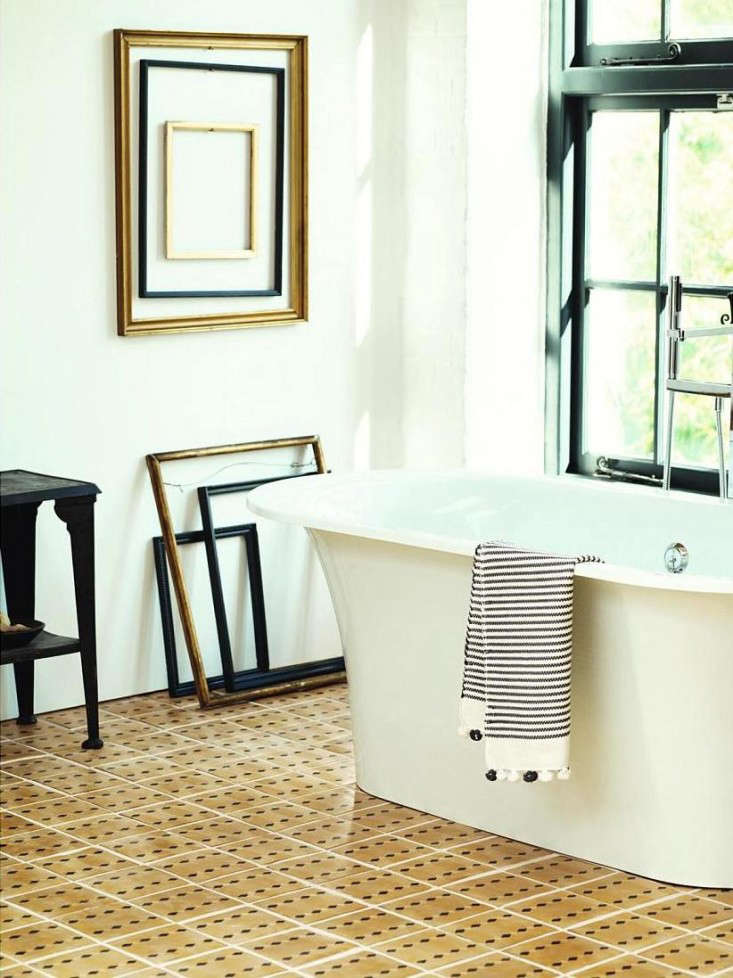

Some tiles are background players. They quietly do their job, survive spaghetti sauce, and politely avoid attracting attention. Neisha Crosland’s Domino Saffro They arrive with pattern, warmth, texture, and the kind of confidence usually reserved for a fabulous coat or a person who can order espresso in Italy without panicking.
Designed with Crosland’s signature love of decorative rhythm, the Domino Saffron look combines a lively geometric pattern with a golden saffron-toned palette. The result feels richly layered rather than overly precious: part vintage tilework, part modern decorative art, and part “why did I ever settle for plain beige?”
Whether used as a kitchen backsplash, a powder-room focal point, a fireplace surround, or a jewel-box floor, these hand-finished tiles bring personality to a room without requiring a parade of matching accessories. Their appeal is not perfection in the factory-line sense. It is character: small shifts in tone, glaze, texture, and finish that make a tiled surface feel composed by human hands rather than printed by a very organized robot.
Editorial note: Domino Saffron is associated with archival coverage of Neisha Crosland’s hand-finished tile work. Availability, exact dimensions, finish details, pricing, suitability for specific locations, and care requirements may vary by supplier or production run. Always request a current sample and written technical information before ordering.
What Makes Domino Saffron Hand Finished Tiles So Distinctive?
The immediate attraction is the color. Saffron is not merely yellow. It lives in a more interesting neighborhood, somewhere between warm ochre, burnished gold, toasted spice, and late-afternoon sunlight. In tile form, that warmth can make a cool bathroom feel friendlier, a shadowy hallway feel brighter, or a neutral kitchen feel less like it is waiting for a rental inspection.
Then there is the Domino pattern. Crosland’s work often plays with repetition, movement, and the tension between geometry and ornament. A repeating motif can look graphic from across the room, then reveal quieter details at close range. That dual personality is useful in interior design: the tile creates a statement, but it keeps offering something new after the initial “wow.”
Hand-finished tiles also have an advantage over overly uniform surfaces. Instead of looking copied and pasted, they can show nuanced changes in color and texture. Those variations are usually part of the visual language, not evidence that the tiles had a rough morning. In a room filled with painted cabinetry, natural stone, wood, metal hardware, and soft textiles, a slightly irregular tile surface can make the entire space feel more collected and less staged.
The Neisha Crosland Design Approach: Pattern With a Pulse
Neisha Crosland is known for bringing textile-minded pattern into interiors. Her work across wallpaper, fabric, flooring, rugs, and decorative surfaces reflects a fascination with repeated motifs, botanical references, architecture, historic ornament, and strong but nuanced color. That background matters because tiles are not simply small squares on a wall. They are a repeating surface, much like a woven fabric or printed wallpaper, except they must also survive water, steam, crumbs, paws, and the occasional dropped hairbrush.
Domino Saffron hand finished tiles benefit from that surface-design perspective. The pattern is not treated as a random flourish. It is meant to continue, connect, and create rhythm across a larger area. A single tile may be attractive, but a grid of tiles is where the design starts doing its best work.
This is one reason patterned handmade tile often feels more sophisticated than a single decorative accent piece. The material becomes architectural. It can guide the eye toward a vanity, frame a range, mark a transition from one zone to another, or turn an ordinary wall into a durable work of art.
Where Domino Saffron Tiles Work Best
A Kitchen Backsplash With Actual Personality
A backsplash is one of the best places to use an expressive tile pattern because the area is large enough to make an impact but contained enough to avoid visual overload. Domino Saffron can add warmth behind a range or sink, especially in kitchens with off-white, cream, walnut, oak, charcoal, deep green, or muted blue cabinetry.
Keep the rest of the kitchen relatively calm. Simple cabinet doors, understated countertops, and low-drama hardware allow the tiles to have their moment. This is not a request for boring design. It is simply a reminder that every room needs one lead singer. Let the tiles handle the vocals while the countertops play excellent bass.
A Powder Room That Guests Remember
Powder rooms are ideal for decorative risks because they are compact, separate from the main living spaces, and rarely asked to host a family movie night. A Domino Saffron tiled wall behind a vanity can make a small room feel intentional and luxurious. Pair it with a simple mirror, a warm metal sconce, and a vanity in dark wood, painted black, muted green, or soft ivory.
In a powder room, the tile can cover one wall, wrap the lower half of the room, or extend from floor to ceiling for a more immersive effect. The key is to choose one clear concept rather than scattering patterned tile in several unrelated spots.
A Fireplace Surround With Decorative Warmth
A fireplace surround is another natural setting for a patterned saffron tile. The color complements flame, wood, brass, bronze, and aged finishes, while the geometric rhythm can give a traditional hearth a more contemporary edge. Before selecting any tile for a fireplace application, confirm that the product is approved for the temperatures and installation conditions involved.
A Small Floor With Big Energy
Entryways, laundry rooms, vestibules, and bathroom floors are excellent candidates for patterned tile. A compact floor is enough space for the design to read clearly without turning the house into a maze of competing motifs. Domino Saffron can look particularly effective when framed by quieter wall finishes, such as limewash, painted plaster, soft white tile, or warm neutral paint.
How to Style a Saffron Tile Palette
The easiest way to style saffron-colored tile is to treat it like a warm neutral with better stories. It works beautifully with natural materials, including walnut, oak, linen, rattan, aged brass, unlacquered bronze, and honed stone. It can also play well with stronger colors when the palette is controlled.
Try pairing Domino Saffron hand finished tiles with deep indigo for a dramatic, globally inspired look. Combine them with dusty pink or clay for a softer, more romantic room. Use olive green or sage to create an earthy scheme that feels rooted and relaxed. Add black for sharper contrast, or ivory for a lighter, more classic balance.
The finish around the tile matters as much as the color. Matte painted walls will make a subtly glazed or textured tile feel more dimensional. Polished metal fixtures can add sparkle. A rougher plaster wall can emphasize the handmade character. The goal is not to make every surface equally busy. It is to create a conversation between smooth and textured, bright and quiet, polished and imperfect.
Choosing Grout for a Hand-Finished Patterned Tile
Grout is often treated as an afterthought, which is unfortunate because grout can either support a tile design or make it look as though someone drew a grid over it with a permanent marker. With a patterned tile such as Domino Saffron, grout color should be selected after viewing the actual tile sample in the room’s lighting.
A warm off-white or sand-colored grout can soften the grid and help the pattern read more continuously. A deeper grout may emphasize the shape of each tile and create a more graphic effect. Neither choice is automatically right. It depends on whether you want the overall surface to feel like a tapestry or a crisp mosaic.
Ask the installer to create a small mockup board using the real tile, proposed grout, and expected joint width. Look at it in daylight, evening light, and under the room’s installed fixtures. Tile is a long-term relationship; it deserves more than a five-minute decision under showroom fluorescent lights.
Installation Planning: The Details That Protect the Design
Decorative tile deserves careful planning before adhesive touches the wall or floor. Start by ordering samples. Hand-finished materials can show natural variation, and a sample is the best way to understand color, surface texture, edge character, and how the tile changes under your home’s lighting.
Next, plan the layout. A dry layout allows the installer to test the pattern repeat, identify where cuts will land, and decide how to center the design around a range, vanity, doorway, or fireplace opening. The goal is to avoid tiny slivers of tile in highly visible areas and to make the pattern feel deliberate rather than accidentally interrupted.
For floors and wet areas, use an experienced tile professional who understands substrate preparation, waterproofing, movement accommodation, grout selection, and the manufacturer’s specific requirements. A beautiful tile cannot compensate for an unstable surface beneath it. Even the most charming pattern has limits, and “I installed it over an uneven floor because optimism” is not a recognized technical method.
It is also wise to order extra material from the same production batch when possible. This provides flexibility for cuts, future repairs, and the natural color variation that often gives hand-finished tile its appeal. Keep a few spare tiles stored safely after installation. Years from now, you may be grateful when a repair requires one perfect replacement rather than a frantic internet treasure hunt.
Care and Maintenance for Hand-Finished Decorative Tile
The best maintenance plan begins with the product’s current care instructions. Different glazes, decorative finishes, substrates, and installation locations can require different treatment. In general, avoid harsh acidic cleaners, abrasive scouring pads, and mystery chemicals that promise to clean “everything.” If a cleaner sounds powerful enough to remove a spaceship decal, it may be too aggressive for decorative tile.
For routine care, a soft cloth or sponge with a mild, pH-neutral cleaner is usually the gentler choice. Wipe spills reasonably quickly, especially in kitchens and bathrooms. Clean grout according to the grout manufacturer’s recommendations, and reseal only when the product system specifically calls for it.
The goal is to preserve the tile’s finish, not scrub away the character that made you choose it. Handmade and hand-finished surfaces may develop a lived-in appearance over time. In the right setting, that patina can be part of the charm.
Is Domino Saffron Right for Your Home?
Domino Saffron is a strong choice for homeowners who want pattern without a cartoonish theme, warmth without orange overload, and craftsmanship without overly rustic styling. It is particularly appealing for people who enjoy interiors with layers: vintage pieces beside modern fixtures, simple cabinetry beside ornate materials, and rooms that feel assembled over time rather than ordered in one afternoon.
It may be less suitable for someone seeking a perfectly uniform, minimalist surface. Hand-finished decorative tile is meant to have presence. It asks to be noticed. That is its job, and it is very good at it.
The smartest approach is to use it where a room needs a focal point. A backsplash, powder room, fireplace, or small floor can deliver the full visual reward without requiring every square inch of the home to join the pattern party.
The Experience of Living With Neisha Crosland’s Domino Saffron Hand Finished Tiles
The experience of choosing Domino Saffron hand finished tiles begins long before installation day. It starts with a sample arriving in a small box, looking much more modest than the idea it carries. You hold it against cabinetry, move it near a window, place it beside a brass pull, and discover that the same tile can look golden in morning light, earthy in the afternoon, and almost candlelit at night.
That changing quality is part of the pleasure. Uniform materials are dependable, but handmade decorative surfaces can feel more alive. They respond to light, shadow, nearby colors, and the simple fact that a room changes mood throughout the day. In a kitchen, the pattern may look crisp and architectural during breakfast, then warmer and softer after sunset when under-cabinet lighting comes on.
During installation, the experience becomes more practical. The tile is no longer an object of admiration on a countertop; it becomes a pattern that must be aligned, spaced, cut, and protected. This stage can feel slow, especially when a skilled installer pauses to check the repeat or reconsiders a cut near a corner. That patience is usually a very good sign. Decorative tile rewards careful work. A rushed layout can make a sophisticated pattern look confused, while a well-planned layout makes the same material feel effortless.
Once installed, Domino Saffron has the rare ability to make everyday routines feel slightly more ceremonial. Making coffee becomes more pleasant when the backsplash behind the machine has texture and warmth. Washing hands in a small powder room feels a little less ordinary when the wall is quietly doing the visual equivalent of good conversation. Even a hallway can gain a sense of arrival when a patterned floor suggests that the house has a point of view.
The tiles also tend to become a conversation starter. Guests may not know the designer’s name or the history of the pattern, but they notice that the room feels different. They may ask whether the tile is old, handmade, imported, or custom. That ambiguity is part of its success. Good decorative materials often feel as though they could belong to several eras at once.
Living with a patterned handmade surface also changes the way you decorate around it. You become more selective. Instead of adding another loud accessory, you might choose a simple linen towel, a sculptural soap dish, a plain ceramic vase, or a piece of art that echoes the tile’s warmth without competing for attention. The tiles help edit the room because they already provide enough visual interest.
Over time, the best part is that the design does not become invisible. Plain finishes can fade into the background after a few weeks. Domino Saffron is more likely to reward a second look. It may be subtle on one day and dramatic on another, depending on the weather, the lighting, or the color of flowers on the counter. That is the lasting appeal of a well-designed hand-finished tile: it does not merely cover a surface. It gives the room a memory.
Final Thoughts
Neisha Crosland’s Domino Saffron Hand Finished Tiles offer more than color and pattern. They bring warmth, visual rhythm, and a handcrafted sensibility to interiors that need a memorable focal point. Their saffron tone can make a cool room feel more inviting, while the Domino pattern adds a decorative structure that works across both traditional and contemporary spaces.
Use them where they can be appreciated: behind a range, around a fireplace, beneath your feet in a small entry, or on a powder-room wall that deserves better than bland paint. Plan the layout carefully, choose grout thoughtfully, and respect the variation that comes with a hand-finished surface. The result can be a room that feels personal, polished, and pleasantly impossible to ignore.