
Origami lights from Holland sound like something a charming Dutch inventor would fold on a rainy afternoon beside a canal, then casually hang above the dining table as if paper had always wanted to become architecture. In reality, the idea is not far from that cozy image. Dutch paper lighting, especially origami-inspired lamps from independent studios such as Studio Snowpuppe in The Hague, blends mathematical folding, soft illumination, handmade craft, and a very Dutch love of practical beauty.
These lamps are not merely “paper shades.” They are sculptural objects that turn a plain bulb into a glowing geometric flower, seashell, moth wing, or folded mountain range. They carry the serenity of Japanese origami, the warmth of Scandinavian-style interiors, and the clarity of Dutch design. That may sound like a passport with too many stamps, but in a good way.
For homeowners, renters, stylists, and anyone tired of ceiling lights that make a living room feel like a dentist’s waiting room, origami lights from Holland offer a gentler solution. They diffuse light, create atmosphere, and add personality without screaming, “I bought a statement piece and now everyone must discuss it.”
What Are Origami Lights from Holland?
Origami lights from Holland are lighting fixtures, usually pendant lamps, table lamps, wall lamps, or floor lamps, designed with folded paper or paper-like materials. The term “Holland” is often used casually to refer to the Netherlands, and in the world of contemporary design, Dutch studios have become known for clean lines, resourceful materials, and playful experimentation.
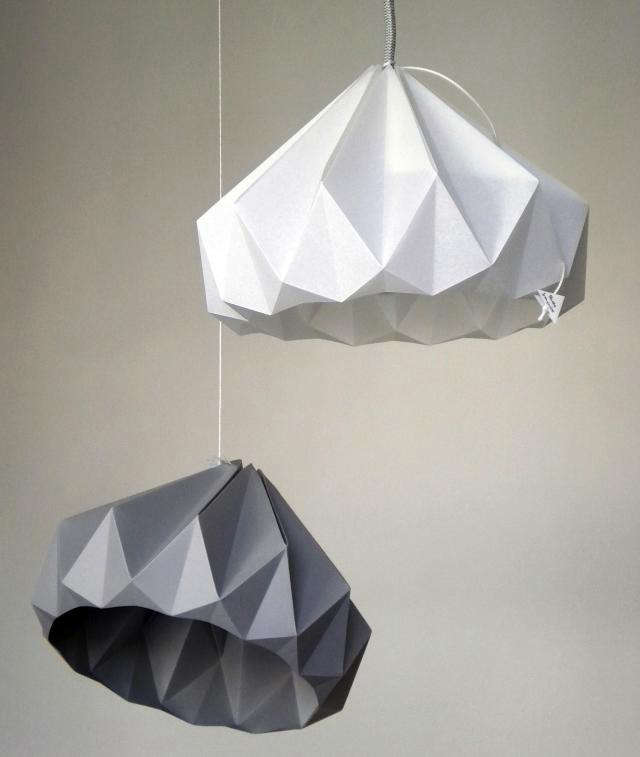
The best-known examples are handmade paper lamps inspired by origami folds. Many designs use thick, high-quality paper, precision folding patterns, wooden details, and simple lighting components. The result is a lampshade that looks airy but intentional, delicate but not flimsy, and modern without feeling cold.
Unlike a flat fabric shade, an origami lampshade has ridges, peaks, valleys, and repeating geometric angles. When the light turns on, those folds become part of the performance. Shadows gather in the creases, highlights land on the raised planes, and the whole object seems to shift from folded paper into a small glowing sculpture.
Why Dutch Origami Lighting Feels So Distinctive
Dutch design has a reputation for being clever, modest, and slightly mischievous. It often asks, “What if we used a humble material in a smarter way?” Origami lighting fits that personality beautifully. Paper is everyday. Folding is ancient. But combine them with precision, color, proportion, and LED technology, and suddenly the humble material becomes home decor with architectural confidence.
Many Dutch origami lamps are inspired by nature: moths, leaves, waves, seed pods, shells, flowers, and birds. This matters because geometric lighting can sometimes feel too sharp or technical. Nature-based folding softens the look. A lamp can have crisp lines while still feeling organic, like a tulip that secretly studied engineering.
The Hague Connection
The Hague, a city better known for international institutions, seaside air, and stately streets, is also home to creative makers who work at a smaller and more personal scale. Studio Snowpuppe, founded by architect Nellianna van den Baard and industrial designer Kenneth Veenenbos, is one example often associated with Dutch handmade origami lighting. Their work focuses on paper and wood, small-series production, soft colors, and carefully folded forms.
This background helps explain why the lamps feel both artistic and usable. An architect thinks about volume, shadow, and space. An industrial designer thinks about function, repeatability, and how an object behaves in real homes. Together, those perspectives create lighting that is pretty enough for a design magazine but practical enough to survive dinner, homework, late-night tea, and the occasional “Where did we put the remote?” search party.
The Beauty of Folded Paper Light
The secret power of origami lighting is diffusion. A bare bulb can be harsh. A folded paper shade filters and softens the light, spreading it more evenly through the room. Instead of glare, you get glow. Instead of interrogation-room energy, you get “let’s stay in and make soup” energy.
Paper also changes the mood of light. Warm white bulbs become warmer. Shadows become decorative. Corners feel calmer. This is why paper lamps, rice paper lanterns, and sculptural parchment lights have had staying power in interior design for decades. From Japanese lantern traditions to midcentury paper icons and modern designer fixtures, paper remains one of the most emotionally appealing materials for lighting.
Why Folds Matter
Folds do more than create shape. They add strength. A flat sheet of paper bends easily, but a folded sheet can hold form with surprising confidence. This is the same principle that makes corrugated cardboard strong and pleated textiles structured. Origami lamps use that logic in a decorative way: the folds give the shade body, rhythm, and movement.
Each crease also catches light differently. A triangular fold may appear bright on one side and shadowed on another. A curved fold can look soft and shell-like. A tight pleat can create a fan effect. This play of brightness and shadow gives origami lamps their visual richness, even when the color palette is simple.
Popular Styles of Origami Lights from Holland
Origami Pendant Lamps
Pendant lamps are the classic format. Hung above a dining table, kitchen island, reading nook, or bedside area, an origami pendant becomes both a light source and a centerpiece. The best designs are bold enough to be noticed but airy enough not to visually crush the room.
Rounder folded shades feel friendly and cloudlike. Angular shades feel architectural. Long oval or shell-inspired shapes work beautifully over rectangular tables. Small pendants can be grouped in threes for a more dramatic installation, because one folded lamp is charming, but three folded lamps are a tiny design parade.
Origami Table Lamps
Origami table lamps are excellent for bedrooms, sideboards, console tables, and desks that need atmosphere rather than stadium lighting. They work especially well in spaces where texture matters: next to linen bedding, a ceramic vase, a stack of books, or a wooden nightstand.
Because paper shades are visually light, they do not dominate small rooms. They add form without clutter. If your bedside table already contains a book, lip balm, phone charger, glass of water, and one mysterious receipt from 2022, an origami lamp can still make the scene look intentional.
Origami Wall Lamps
Wall lamps with folded shades can create beautiful ambient light in hallways, reading corners, and bedrooms. They are especially useful when floor space is limited. A folded wall light can act like a small illuminated sculpture, adding depth to a blank wall without requiring a giant framed print that says “Gather.”
Origami Floor Lamps
Floor lamps give the folded-paper look more height and presence. They are ideal for living rooms, lounge corners, and quiet spaces where a soft vertical glow can replace harsh overhead lighting. A tall origami floor lamp can make a room feel calmer and more layered, especially when combined with table lamps and indirect lighting.
How to Style Origami Lights in Your Home
Origami lights are surprisingly flexible. They fit minimalist apartments, cozy cottages, modern townhouses, creative studios, and family homes that contain both good taste and at least one plastic dinosaur under the sofa.
In a Minimalist Room
Use a white, cream, beige, or pale gray origami lamp to add texture without disrupting the clean look. The folds provide visual interest, while the soft color keeps the mood quiet. Pair it with light wood, matte black accents, and simple furniture.
In a Colorful Interior
Choose a pastel or muted color: dusty pink, soft yellow, sage green, powder blue, or warm terracotta. Origami lamps often look best when the color feels gentle rather than neon. The shape is already doing a lovely little dance; the color does not need to bring a marching band.
In a Dining Area
A folded pendant above the dining table creates intimacy. Hang it low enough to define the table area but high enough that guests can see each other without ducking around a paper mountain. As a general guide, many pendant lights work well when suspended about 30 to 36 inches above a tabletop, though ceiling height and shade size matter.
In a Bedroom
Use origami lights as bedside pendants or table lamps for a calm evening glow. Warm white LED bulbs are usually best. A dimmable bulb or smart bulb can help shift the room from reading mode to sleep mode without requiring the emotional drama of bright overhead lighting at 11:47 p.m.
Choosing the Right Bulb for Paper Origami Lamps
Because origami lights often use paper shades, bulb choice matters. LED bulbs are typically the smartest option. They use far less energy than traditional incandescent bulbs, last much longer, and emit much less heat. That lower heat output is especially important around paper or paper-like materials.
Brightness should be chosen by lumens, not watts. For soft ambient lighting, a lower-lumen bulb may be enough. For a dining pendant or reading corner, you may want more output, ideally softened by the shade. Color temperature matters too. Warm white light, often around 2700K to 3000K, usually flatters paper shades and creates a cozy atmosphere.
Always follow the lamp maker’s maximum wattage and installation instructions. Paper lighting can be safe and durable when used correctly, but it should not be paired with an old hot bulb, damaged wiring, or a “creative” electrical setup invented during a burst of overconfidence.
Are Origami Lights Durable?
Quality varies. A well-made origami lamp uses sturdy paper, careful folding, proper fixtures, and thoughtful packaging. It should hold its shape under normal indoor use. However, paper is still paper. It does not enjoy water, rough handling, greasy kitchen steam, or being used as a toy by children, cats, or adults who say “I just want to see how it’s made.”
To keep an origami lamp looking fresh, dust it gently with a feather duster, soft brush, or clean microfiber cloth. Avoid wet cleaning unless the manufacturer specifically says it is safe. If the shade is near a kitchen, place it away from heavy cooking zones where oil and steam may collect.
Sustainability and the Appeal of Simple Materials
One reason origami lights feel timely is their material honesty. In a world full of shiny plastic objects pretending to be luxury, folded paper feels refreshingly direct. It is lightweight, often recyclable depending on coatings and components, and visually warm. When combined with efficient LED lighting and long-lasting design, a paper lamp can support a slower, more thoughtful approach to decorating.
That does not mean every paper lamp is automatically sustainable. Shipping, adhesives, coatings, packaging, and replacement parts all matter. Still, handmade origami lighting encourages a different relationship with objects. Instead of buying a disposable shade because it is cheap, the buyer chooses a crafted piece because it has personality and presence.
Origami Lights vs. Regular Lampshades
A regular lampshade often disappears into the background. That can be useful, but it is not always exciting. Origami lights bring texture, geometry, and shadow. They are more expressive than a drum shade and usually softer than a metal pendant. They sit in a sweet spot between functional lighting and decorative art.
Compared with glass lighting, paper feels warmer and lighter. Compared with metal lighting, it feels gentler. Compared with fabric shades, it can feel more sculptural. The tradeoff is care: paper needs a little more respect. But then again, so do houseplants, wool sweaters, and relationships with neighbors who own leaf blowers.
Buying Tips for Origami Lights from Holland
Check the Scale
Measure before buying. A lamp that looks charming online may be much larger or smaller than expected. In a small bedroom, a huge folded pendant can feel like a friendly spaceship. In a large dining room, a tiny shade can look like it got lost on the way to the ceiling.
Look at the Material
Good paper lighting should specify the type or quality of paper, the construction method, and any included electrical components. Handmade lamps may show tiny variations, which is part of their charm. Machine-perfect sameness is not the goal here.
Review Installation Details
Some origami shades are designed to hang over an existing light source, while others include cords, sockets, ceiling cups, or table-lamp bases. Check what is included before ordering, especially if you are buying internationally. Electrical standards and plug types may differ between Europe and the United States.
Choose Color Carefully
White and cream shades are the most versatile. Pastels add personality without overwhelming the room. Dark shades can look dramatic but may reduce light output. If you want maximum glow, choose lighter paper. If you want mood and contrast, darker tones can be stunning.
Specific Examples of How These Lamps Transform a Room
Imagine a small apartment living room with white walls, a tan sofa, and a plain rental ceiling fixture. Replace the harsh bulb cover with a folded paper pendant, and the room immediately gains softness and texture. The walls look warmer. The sofa looks more expensive. Even the slightly tired coffee table seems to stand taller, emotionally speaking.
In a dining room, a large origami pendant can define the table like a visual anchor. Add linen napkins, a wood bowl, and low music, and suddenly Tuesday pasta becomes “dinner at our place.” The lamp does not cook, sadly, but it does improve the lighting on whatever you managed to cook.
In a child’s room, a folded paper lamp can create a magical but calm atmosphere. Choose gentle colors and safe installation. The sculptural shape feels imaginative without relying on cartoon themes that a child may outgrow in six months.
Experiences Related to Origami Lights from Holland
The first experience many people have with origami lights from Holland is surprise. A paper lamp sounds fragile until you see a well-made one in person. Then the reaction changes. The folds are crisp. The shape feels intentional. The shade weighs very little, yet it carries the visual presence of a much heavier object. It is the design equivalent of a quiet person saying one brilliant sentence at dinner.
Installing one can also change how you think about lighting. Many homes rely too heavily on overhead fixtures. One bright ceiling light may technically illuminate a room, but it rarely flatters the space. When an origami pendant is added, especially with a warm LED bulb, the room begins to feel layered. The light is no longer just “on” or “off.” It has mood, direction, and softness.
In a home office, an origami light can make long working hours feel less mechanical. The folded shade adds a handmade element near screens, cables, keyboards, and all the tiny devices that blink as if they know too much. A soft paper lamp on a shelf or side table can reduce the visual coldness of technology and make the room feel more human.
There is also a tactile pleasure to these lamps, even when you are not supposed to constantly touch them. You can sense the patience behind the folds. Unlike mass-produced plastic lighting, origami lamps show process. They remind you that design can come from a sheet, a crease, and a repeated gesture. That makes them especially appealing to people who enjoy craft, architecture, stationery, bookbinding, ceramics, or anything made slowly enough to have a soul.
Visitors tend to notice them. Not always loudly, but with curiosity. “Is that paper?” is a common question. Then comes the closer look, the slight head tilt, and the realization that the shade is not printed or molded but folded. In this way, origami lights work as conversation pieces without being obnoxious. They do not demand applause. They simply glow and wait for people to become interested.
Living with one also teaches restraint. Because the lamp has a strong shape, the surrounding decor can stay simple. A single folded pendant may do the work of several smaller accessories. This is useful in modern homes where people want warmth but not clutter. The lamp becomes the texture, the art, and the atmosphere all at once.
The best experience, however, happens at night. During the day, the lamp is a sculptural paper object. At dusk, it becomes something else entirely. The folds catch light. The room relaxes. The ceiling feels less empty. The corners become softer. It is a small domestic transformation, but a real one. And that is the charm of origami lights from Holland: they make ordinary rooms feel carefully considered, without making them feel staged.
Conclusion
Origami lights from Holland combine craft, geometry, warmth, and practical design in a way few lighting pieces can. They prove that paper can be strong, modern, expressive, and surprisingly luxurious when handled with care. Whether used as a pendant above a dining table, a bedside lamp, a wall feature, or a sculptural floor light, these Dutch-inspired folded lamps bring softness to modern interiors and character to everyday spaces.
Their appeal lies in contrast. They are simple but sophisticated, lightweight but visually powerful, traditional in technique yet contemporary in style. In a world where many homes are overlit, overdecorated, and overwhelmed, an origami lamp offers a calmer path: fold the material, soften the light, and let the room breathe.
Note: This article is an original, publication-ready synthesis based on real information about Dutch origami-style lighting, paper lamps, LED lighting principles, and contemporary interior design trends.