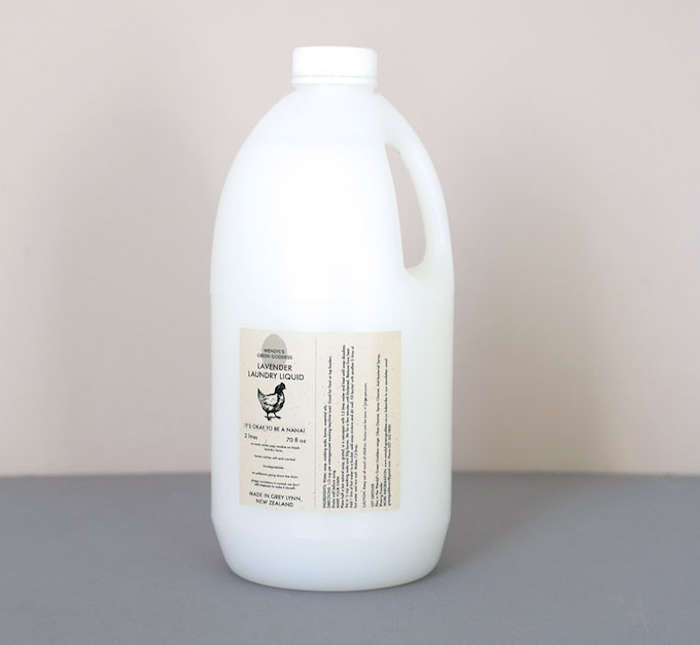

Note: This article is for informational home-care reading. Always follow your washer manual, garment care labels, and safe handling directions for ingredients such as borax, washing soda, soap, and essential oils.
Why Wendyl Nissen’s Lavender Laundry Liquid Still Feels Fresh
Some laundry products arrive in glossy plastic bottles with superhero promises: “Whiter whites!” “Mountain-fresh breeze!” “One capful to change your destiny!” Wendyl Nissen’s Lavender Laundry Liquid takes a quieter route. It belongs to the old-fashioned, low-fuss school of home care: simple soap, washing soda, borax, hot water, and a small cloud of lavender scent. No neon blue goo. No mystery perfume named after a waterfall that has clearly never met a real waterfall.
Wendyl Nissen, a New Zealand writer and natural-home advocate, helped popularize a style of household cleaning that feels part practical, part nostalgic, and part rebellion against cupboards packed with overcomplicated products. Her lavender laundry liquid became one of those recipes people shared because it was affordable, gentle in spirit, and satisfying to make. There is something deeply pleasing about turning a few basic ingredients into a large batch of laundry liquid. It feels like kitchen chemistry, except your socks are the final exam.
For American readers, the appeal is easy to understand. Many households are looking for lower-waste laundry routines, fewer overpowering fragrances, and more control over what touches their clothes. At the same time, modern laundry has changed. High-efficiency machines use less water. Detergents are carefully engineered with surfactants, enzymes, stabilizers, and fragrance systems. Homemade laundry soap can work well for some families, but it also requires realistic expectations. Wendyl Nissen’s Lavender Laundry Liquid is best appreciated as a simple, traditional laundry soap mixturenot as a miracle potion that can remove motor oil, grass stains, spaghetti sauce, and the emotional residue of Monday morning all at once.
What Is Wendyl Nissen’s Lavender Laundry Liquid?
Wendyl Nissen’s Lavender Laundry Liquid is a homemade-style laundry wash built around a few familiar ingredients: grated soap, washing soda, borax, water, and lavender essential oil. The classic version uses soap dissolved in hot water, then combines it with washing soda and borax before diluting the mixture into a larger batch. As it cools, it may thicken into a soft gel-like liquid, especially depending on the soap used.
The lavender is not just there to make the laundry room smell like a tiny spa wearing linen pants. It gives the liquid its signature identity. Lavender has long been associated with clean, calm, and fresh-smelling homes. In laundry, the scent is usually subtle once clothes are dry, especially compared with commercial scented detergents. That is part of the charm. Your towels smell clean, not like they are auditioning for a perfume counter.
The formula is often described as suitable for everyday washing and gentle items, though delicate fabrics always deserve extra caution. Wool, silk, lace, and vintage textiles can be temperamental. They are basically the cats of the fabric world: beautiful, dramatic, and not always interested in your plans. Before using any homemade laundry liquid on special garments, test first and check the care label.
The Ingredient Story: Simple, Familiar, and Worth Understanding
Soap: The Cleaning Base
Traditional laundry liquid recipes often begin with grated bar soap or vegetable-based soap. Soap helps lift oils and soil from fabric, but it is not the same thing as modern detergent. Detergents are formulated to work in a wide range of water temperatures and water hardness levels, while soap can react with minerals in hard water and leave residue if overused. That does not make soap “bad.” It simply means it has a personality, and like any personality in a laundry room, it must be managed.
If you live in an area with soft water, a soap-based laundry liquid may rinse more cleanly. In hard-water areas, you may notice stiffness, dullness, or buildup over time if you use too much. The solution is usually moderation: use a small amount, avoid overloading the washer, and occasionally run a machine-cleaning cycle.
Washing Soda: The Laundry Workhorse
Washing soda, also known as sodium carbonate, is more alkaline than baking soda. In laundry, alkalinity helps loosen greasy soil and improve cleaning performance. It also helps soften water by binding with minerals that can interfere with cleaning. Think of washing soda as the sensible friend who shows up with a clipboard when your laundry basket is out of control.
Because washing soda is alkaline, it should be handled with care. Avoid breathing dust, keep it away from eyes, and store it safely away from children and pets. Natural does not mean harmless. Lava is natural too, and nobody is sprinkling that into a rinse cycle.
Borax: Useful, But Not Casual
Borax has a long history as a laundry booster. It can help with odor control, water softening, and general cleaning support. However, it is also an ingredient that deserves respect. It should not be eaten, inhaled, or handled carelessly. If you use a borax-based recipe, label the container clearly and keep it out of reach of kids, pets, and curious adults who think every jar in the laundry room is “probably fine.”
Some people prefer to avoid borax completely, especially in homes with very young children, pregnancy concerns, sensitive skin, or respiratory issues. In those cases, a borax-free laundry product or a certified safer commercial detergent may be the better choice. Wendyl Nissen’s recipe style is appealing because it is simple, but simple still requires thoughtful use.
Lavender Essential Oil: The Signature Scent
Lavender essential oil gives this laundry liquid its memorable personality. It smells gentle, herbal, and clean without shouting. Still, essential oils are concentrated plant compounds, not magical fairy mist. Some people react to fragrance, including natural fragrance. If you have sensitive skin, eczema, asthma, migraines triggered by scent, or fragrance allergies, consider reducing the amount of lavender oil or skipping it altogether.
The best version of “clean” is the one your household can comfortably live with. For some people, that is lavender. For others, it is fragrance-free. Both are valid. Laundry should not require bravery.
Why People Love This Laundry Liquid
It Feels Economical
One reason homemade laundry liquid became popular is cost. A small amount of soap, washing soda, borax, and essential oil can produce a large batch. For families who do frequent laundry, that can be appealing. Children, pets, gardening clothes, gym wear, kitchen towelssome households generate laundry with the enthusiasm of a popcorn machine. A big batch of laundry liquid can feel like a tiny victory.
It Reduces Packaging Waste
Making laundry liquid at home can reduce the number of disposable detergent bottles you buy. Reusing containers also feels wonderfully practical. There is a quiet satisfaction in pouring homemade laundry liquid into an old jug and thinking, “Look at me, being responsible.” It is not dramatic, but adulthood rarely is.
It Gives You Control
Commercial detergents can contain many ingredients: surfactants, enzymes, brighteners, fragrance blends, preservatives, dyes, and stabilizers. Many are useful and tested, but some consumers prefer a shorter ingredient list. Wendyl Nissen’s Lavender Laundry Liquid offers control. You know what went in. You can adjust scent. You can make less or more. You can also decide that laundry day should smell faintly like lavender instead of “Arctic Thunder Blossom,” which sounds less like detergent and more like a rejected superhero.
Where It Shines Best
This laundry liquid is most suitable for lightly to moderately soiled everyday fabrics: shirts, pajamas, sheets, towels that are not heavily funky, and household linens. It can be especially enjoyable for people who prefer a gentle, old-fashioned laundry routine and do not need intense stain-fighting every load.
For tough stains, pre-treatment matters. A soap-based liquid alone may not fully remove oil, tomato sauce, blood, grass, makeup, or mystery stains from a child’s shirt that no one will explain. Treat stains quickly. Use cold water first for protein stains like blood or egg. Use a stain brush gently. Give the product time to work before washing.
For athletic wear, cloth diapers, medical laundry, pet bedding, greasy work clothes, or heavily soiled towels, a modern detergent may perform better. Enzymes and advanced surfactants exist for a reason. They are not glamorous, but neither is sniffing a T-shirt and realizing it has survived the wash unchanged.
How to Use It Without Annoying Your Washing Machine
Use Less Than You Think
One of the most common laundry mistakes is using too much cleaning product. More soap does not always mean cleaner clothes. It can mean residue, stiffness, dull colors, and a washing machine that starts smelling like a damp basement with opinions.
Start small. For a standard load, many homemade laundry liquid users begin with about one-quarter to one-half cup, depending on batch concentration, water hardness, and washer type. High-efficiency machines use less water, so they need low-sudsing products and careful dosing. If you see suds lingering or clothes feel coated, reduce the amount.
Shake or Stir Before Use
Homemade laundry liquid can separate or thicken as it sits. This is normal. Shake the bottle or stir the container before measuring. If it becomes too thick to pour, warm water can help loosen it. Do not panic if the texture looks more like pudding than a sleek commercial detergent. Homemade laundry liquid has rustic confidence.
Keep the Washer Clean
Soap residue, minerals, lint, and moisture can build up in washers over time. Leave the washer door open after use, clean the detergent drawer, wipe the rubber gasket on front loaders, and run a maintenance cycle as recommended by the manufacturer. This matters even more if you wash mostly in cold water or use soap-based products.
Cold Water, Hot Water, and the Great Laundry Debate
Cold-water washing saves energy and is gentler on many fabrics. Most everyday laundry can be washed in cold water, especially if stains are treated first and loads are not overloaded. Cold water helps preserve colors, reduce shrinking, and keep clothes looking better longer. Your black jeans will thank you by remaining black instead of slowly becoming “sad charcoal.”
Hot water still has a place. Use warmer or hot settings when sanitation is important, such as illness-related laundry, some towels, bedding, cleaning cloths, and heavily soiled items. Always check the care label. The goal is not to worship cold water or hot water. The goal is to choose the right temperature for the job, like a grown-up with a laundry basket and a dream.
Is Wendyl Nissen’s Lavender Laundry Liquid Eco-Friendly?
It can be part of a more eco-conscious laundry routine, especially when paired with smart habits: washing full loads, using cold water when appropriate, line-drying when possible, avoiding excess product, and reusing containers. The biggest environmental wins in laundry often come from energy use, water use, packaging, and clothing longevity.
However, “homemade” is not automatically greener in every situation. Ingredients still have supply chains. Borax is mined. Essential oils require plant material, processing, and transport. Using too much soap can require extra rinsing, which wastes water. A thoughtful laundry routine beats a romantic one every time.
If your homemade liquid works well, your clothes rinse clean, and your washer stays healthy, it can be a satisfying lower-waste option. If it causes buildup, skin irritation, or machine trouble, a concentrated, fragrance-free, certified safer detergent may be the better environmental and practical choice. Sustainability should make life better, not turn laundry into a weekly courtroom drama.
Common Mistakes to Avoid
Do Not Mix Random Cleaning Ingredients
Laundry rooms attract experiments. Some are clever. Some are how warning labels are born. Never mix bleach with ammonia, vinegar, or unknown cleaners. Do not combine products unless you understand the chemistry and the label allows it. “I saw it online” is not a safety protocol.
Do Not Ignore Skin Reactions
If clothes washed in lavender laundry liquid cause itching, redness, burning, or rashes, stop using it. Rewash clothing with a fragrance-free detergent and an extra rinse. The culprit may be lavender oil, soap residue, borax, or simply too much product. Sensitive skin is not being dramatic; it is doing its job loudly.
Do Not Use It as a Cure-All
Wendyl Nissen’s Lavender Laundry Liquid is charming, practical, and useful. It is not a stain-removing wizard. Keep realistic expectations. Use stain removers when needed. Use oxygen bleach for appropriate whites and colorfast fabrics. Use specialized detergent for technical fabrics if performance clothing holds odor.
Practical Tips for Better Results
Sort laundry by color, soil level, and fabric type. Pretreat stains early. Do not overload the machine. Use the right water temperature. Measure the laundry liquid instead of free-pouring like a cooking show host with no budget. Store the batch in a labeled container. Keep it cool, sealed, and away from children and pets.
If your laundry feels stiff, try using less liquid. If whites look dull, check water hardness and consider occasional oxygen bleach where fabric labels allow. If towels lose absorbency, avoid fabric softener and reduce soap buildup. If your washer smells, clean it before blaming the laundry liquid. Machines, like humans, sometimes just need maintenance and a little fresh air.
Hands-On Experience: Living With Lavender Laundry Liquid
Using Wendyl Nissen’s Lavender Laundry Liquid feels different from using a commercial detergent. The first difference is the making of it. Grating soap is oddly satisfying for about thirty seconds, then it becomes a tiny arm workout. The kitchen fills with a clean soap smell, the water turns cloudy, and the mixture begins to look like something your grandmother would trust more than anything with a holographic label.
The lavender scent is the best part of the process. It drifts through the room gently, not aggressively. It does not smell like a synthetic candle called “Laundry Unicorn.” It smells herbal, warm, and calming. When poured into bottles, the liquid may look rustic and uneven, which is part of the homemade experience. Commercial detergent looks polished because teams of chemists made sure it behaves beautifully on a shelf. Homemade laundry liquid looks like it has a vegetable garden and strong opinions about wasting money.
In everyday use, the biggest lesson is restraint. The temptation is to pour in a generous amount because homemade products feel less concentrated. That is usually a mistake. Too much can leave fabric feeling less fresh, not more. With a moderate dose, lightly soiled clothes come out clean and softly scented. Sheets washed with lavender laundry liquid can feel especially pleasant, because the fragrance is subtle enough to be cozy without turning bedtime into an aromatherapy ambush.
Towels are a good test. If the liquid is overused, towels may eventually feel less fluffy or less absorbent. Reducing the amount and running an occasional hot maintenance wash for the machine can help. Kitchen towels with oil or strong food odors may need extra help. A stain treatment or a stronger detergent may be better for those loads. There is no shame in using the right tool. Even the most devoted natural-home fan does not need to defeat spaghetti sauce with vibes alone.
For delicate hand-wash items, the experience can be lovely when done carefully. A small amount dissolved well in water creates a gentle wash bath with a light lavender scent. The key is rinsing thoroughly. Soap left behind is not softness; it is residue wearing a nice perfume. For wool or silk, caution is essential, and a specialty wash may still be safer.
The routine also changes how you think about laundry. Instead of treating detergent as an invisible product that appears from a store shelf, you become aware of ingredients, water temperature, load size, and fabric care. That awareness may be the real gift of Wendyl Nissen’s Lavender Laundry Liquid. It turns laundry from a mindless chore into a small household ritual. Not glamorous, exactly, but grounded. You make something, you use it carefully, and your clothes come out clean. In a world of overpromising products, that simplicity has its own quiet luxury.
Conclusion
Wendyl Nissen’s Lavender Laundry Liquid remains appealing because it combines thrift, simplicity, scent, and a little old-fashioned self-reliance. It is not perfect for every washer, every fabric, or every household. It asks users to measure carefully, rinse well, store safely, and pay attention to skin sensitivity and machine maintenance. But when used thoughtfully, it can be a rewarding part of a gentler laundry routine.
The best way to approach it is with balanced expectations. Enjoy the lavender. Appreciate the low-waste mindset. Respect the chemistry. Use modern detergents when modern stains demand them. Laundry is not a purity contest; it is the practical art of getting life’s evidence out of fabric.