
The ‘90s and ‘00s were not perfect, but they had a strange kind of sparkle. Before every memory was backed up to the cloud, people collected moments in shoeboxes, CD binders, sticker-covered notebooks, disposable cameras, and folders named “random stuff” on family computers. Fashion was louder, phones were dumber, malls were social headquarters, and nobody had to explain why a tiny digital pet could emotionally destroy an entire classroom before lunch.
Today, nostalgia for the 1990s and early 2000s is everywhere. Gen Z is discovering Y2K fashion as if low-rise jeans were ancient ruins. Millennials are watching their middle school outfits return to stores and wondering whether this is healing or a prank. Meanwhile, retro tech, physical media, maximalist home decor, and pre-algorithm entertainment are getting fresh attention because people miss a world that felt more tactile, social, and delightfully weird.
So let’s open the glittery time capsule. Here are 30 trends that made the ‘90s and ‘00s magical—and that many people secretly, loudly, or while wearing butterfly clips wish would come back.
Why ‘90s And ‘00s Nostalgia Feels So Powerful
The magic of these decades comes from contrast. The ‘90s were the bridge between analog and digital life. The ‘00s were the wild first chapter of being online, before every platform became polished, optimized, monetized, and weirdly good at knowing you looked at one toaster one time.
Back then, trends spread through TV, malls, magazines, school hallways, music videos, and word of mouth. A look could become iconic because one celebrity wore it on MTV. A toy could become a national obsession because someone brought it to recess. A song could define a summer because it played on the radio every 23 minutes and nobody complained because, honestly, it slapped.
Modern nostalgia is not just about wanting old stuff back. It is about wanting the feeling back: slower discovery, more personality, fewer screens, and more shared cultural moments. The trends below are tiny portals into that feeling.
30 Trends That Deserve A Comeback
1. Butterfly Clips
Butterfly clips were tiny plastic confidence boosters. They made every hairstyle look like it had wandered out of a teen magazine and into a school dance. Their comeback makes sense because they are cheap, colorful, playful, and impossible to take too seriously—which is exactly what modern style needs.
2. Frosted Lip Gloss
Nothing said “I have plans after school” like a shiny layer of frosted gloss. It was sticky, dramatic, and somehow always attracted hair during windy weather. Today’s cleaner formulas could bring back the shimmer without the sensation of wearing dessert glue.
3. Low-Rise Jeans
Low-rise jeans are controversial, and for good reason. They were less a garment and more a threat. Still, their return proves how powerful Y2K fashion remains. The modern version works best when it is styled with comfort, better sizing, and absolutely no requirement to suffer for the aesthetic.
4. Baggy Cargo Pants
Cargo pants offered what modern life often denies us: pockets. Real pockets. Pockets with dreams. In the ‘90s and ‘00s, they crossed from skater style to pop-star uniform to everyday cool. Their comeback feels practical, relaxed, and ready to carry three lip balms, keys, and emotional baggage.
5. Velour Tracksuits
The velour tracksuit was luxury, laziness, and celebrity culture rolled into one extremely soft outfit. It belonged at airports, brunch, sleepovers, and music videos. A modern comeback would be easy: better cuts, richer colors, and a little less rhinestone chaos—unless rhinestone chaos is the whole point.
6. Baby Tees
Baby tees were small shirts with big attitude. They often featured slogans, cartoon graphics, or brand logos that made an outfit feel instantly personal. Their appeal today is obvious: they are easy to thrift, easy to style, and perfect for anyone who wants their shirt to have a personality disorder in the best way.
7. Platform Sandals And Wedges
Platforms gave people height without demanding the balance skills of a circus performer. Wedges, especially, captured the optimistic energy of early 2000s fashion. They are already reappearing because they are bold, nostalgic, and more wearable than stilettos that look like punishment with straps.
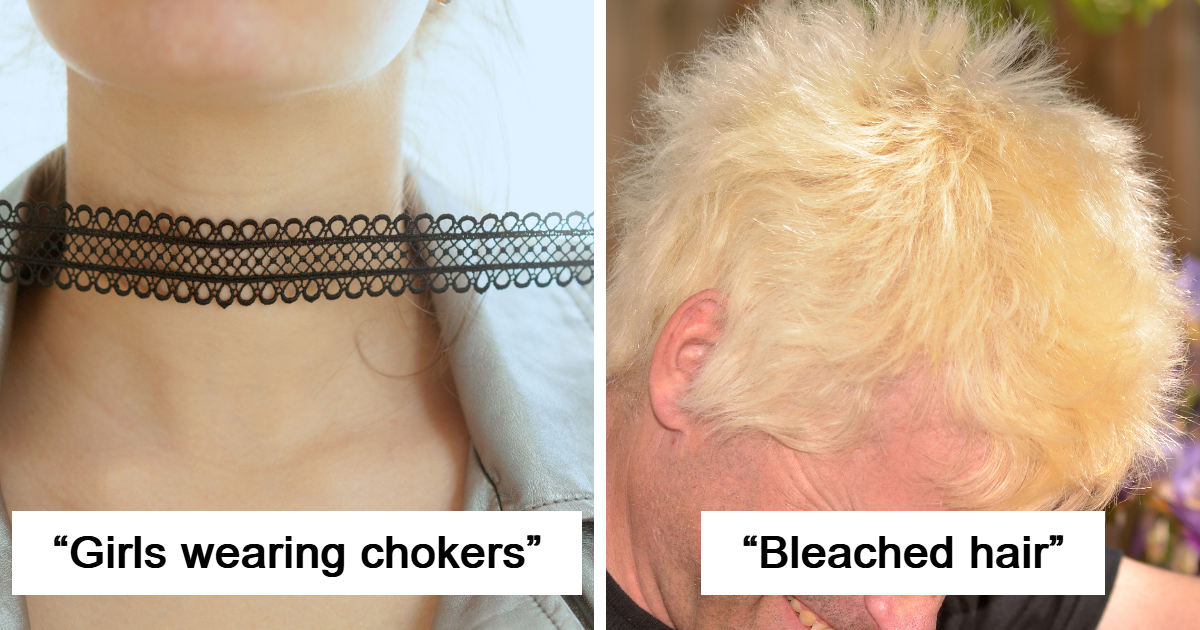
8. Chokers And Puka Shell Necklaces
Whether black velvet, tattoo-style plastic, or beachy puka shell, necklaces in the ‘90s and ‘00s did not whisper. They announced an entire subculture. The best comeback version would mix them with modern minimal outfits for that perfect “I found this in my old drawer and somehow it works” effect.
9. Trucker Hats
The trucker hat had a ridiculous amount of cultural power in the early 2000s. Worn with oversized sunglasses and confidence that should have required a license, it became celebrity street-style armor. Today, it can return as casual, ironic, and surprisingly useful sun protection.
10. Tiny Baguette Bags
The baguette bag was proof that a purse did not need to hold much to matter. It carried lip gloss, a flip phone, maybe a gum wrapper, and a sense of purpose. As oversized totes dominate work life, the tiny shoulder bag feels refreshingly unserious.
11. Lisa Frank Everything
School supplies in the ‘90s had no interest in subtlety. Lisa Frank folders, stickers, and notebooks looked like a unicorn discovered neon and never recovered. In an age of beige planners and minimalist apps, rainbow dolphins and glitter tigers feel like a public service.
12. Trapper Keepers
The Trapper Keeper was not just a binder. It was an identity system. Opening that Velcro flap in class sounded like academic power. A comeback would be perfect for students, stationery lovers, and adults who still believe organization should come with a dramatic sound effect.
13. Tamagotchis
Digital pets taught responsibility, panic, and grief in a device smaller than a cookie. They beeped at the worst possible moment and made children feel like exhausted single parents. Their comeback works because they are cute, tactile, and gloriously low-tech compared with today’s endless apps.
14. Beanie Babies
Beanie Babies turned plush toys into a full financial philosophy. People protected tags like they were state secrets. While the investment frenzy should probably stay retired, the charm of collecting soft, oddly named animals deserves another moment—minus the retirement-value hysteria.
15. Pokémon Cards At Recess
Pokémon cards turned playgrounds into tiny trading floors. Kids learned negotiation, heartbreak, and the danger of lending anything shiny to someone named Brandon. The trend never truly disappeared, but the communal trading-card culture deserves more offline space again.
16. Saturday Morning Cartoons
Streaming gives us convenience, but Saturday morning cartoons gave us ritual. You woke up early, poured cereal, and watched whatever was on because choice was limited and somehow more exciting. Bringing back appointment viewing for kids could make entertainment feel special again.
17. Cereal Box Prizes
Finding a toy inside a cereal box was basically winning the breakfast lottery. It made grocery shopping feel like treasure hunting. Modern food safety and packaging rules may complicate things, but the spirit could return through collectible codes, mini merch, or surprise inserts.
18. Blockbuster Nights
Streaming is convenient, but it cannot replace wandering through a video store, judging movies by covers, and arguing over whether a comedy looked “too weird.” Blockbuster nights were less about the movie and more about the ceremony: the drive, the snacks, the browsing, the deadline.
19. Mall Hangouts
The mall was the original social network, except everyone had to wear shoes. Teens wandered, browsed, flirted awkwardly, ate pretzels, and spent two hours doing nothing with great importance. As malls evolve into mixed-use spaces, the social part is what deserves revival most.
20. Food Court Culture
Food courts were democratic chaos. Pizza, orange chicken, smoothies, cinnamon rolls, and fries existed in one sacred rectangle. Nobody needed reservations. Nobody photographed the table for 14 minutes. A good food court comeback would make casual eating fun again.
21. Physical Photo Albums
Phones hold thousands of photos, but printed albums hold stories. Flipping through actual pictures creates a slower, warmer kind of memory. A comeback for photo albums would rescue family moments from the digital swamp where screenshots, receipts, and blurry concert videos go to mingle.
22. Disposable Cameras
Disposable cameras made photography mysterious. You took 27 pictures and trusted destiny. Half came back blurry, one was perfect, and three featured someone’s finger. That unpredictability is exactly why people love them again: they make memories feel less edited and more alive.
23. Burned CDs And Mixtapes
Making a burned CD was romance, friendship, and illegal-ish technical skill in one shiny disc. The song order mattered. The title written in marker mattered. The tiny doodles mattered. Playlists are easier, but they rarely feel as personal as “Summer Mix 2003 FINAL final.”
24. CD Binders
The giant CD binder was a portable archive of personality. It lived under car seats, beside stereos, and in bedrooms full of posters. Bringing back physical music collections, even in smaller form, would make listening feel intentional instead of algorithmically served like emotional fast food.
25. iPods
The iPod changed how people carried music. It made a thousand songs feel like a private universe in your pocket. In the streaming era, an iPod-style comeback would appeal to anyone who wants music without notifications, ads, or the sudden urge to check email during a ballad.
26. Flip Phones
Flip phones had one unbeatable feature: dramatic closure. Ending a call by snapping a phone shut gave even a grocery-list conversation the energy of a legal thriller. As people seek digital detox tools, simple phones feel appealing again because they do less—beautifully.
27. AIM Away Messages
AIM away messages were poetry, performance, and passive aggression. You could quote song lyrics, hint at drama, or announce you were “brb” for four hours. Modern status updates exist, but none capture the theatrical genius of telling your crush you were sad through Dashboard Confessional lyrics.
28. Personal Blogs And Custom Profiles
Before social media became uniform, online spaces felt handcrafted. People customized profiles with glitter text, music, wallpapers, mood icons, and questionable HTML. A comeback of personal blogs and quirky digital spaces would make the internet feel less like a mall and more like a neighborhood.
29. MTV Music Video Countdowns
Music videos once felt like events. Shows like TRL turned pop culture into a daily gathering, mixing music, celebrity, fashion, and fan energy. A modern version could bring back shared music discovery in a way that feels more human than scrolling alone through endless clips.
30. Maximalist Bedroom Decor
The ‘90s and ‘00s bedroom had posters, lava lamps, bead curtains, inflatable chairs, glow-in-the-dark stars, and at least one object that made no sense. Minimalism is calming, but maximalist bedrooms told stories. The comeback version should celebrate personality over perfection.
What These Comebacks Really Say About Us
When people ask for ‘90s and ‘00s trends to return, they are not always asking for the exact products. Nobody truly needs dial-up internet back unless they enjoy rage as a lifestyle. What people miss is the emotional texture of the era.
They miss technology that had boundaries. A flip phone could call, text, and maybe take a photo that looked like it was captured through soup. Then it stopped. It did not follow you from room to room asking if you wanted breaking news, flash sales, and a reminder that someone from high school bought a boat.
They miss entertainment that felt communal. A TV episode aired, and everyone talked about it the next day. A music video premiered, and fans gathered around it like it was a national holiday. A new toy hit shelves, and suddenly every kid had a mission.
They also miss imperfection. Disposable photos were blurry. Burned CDs skipped. Lip gloss got sticky. The mall was full of weird lighting. But these flaws made experiences memorable. Today’s culture is often smoother, faster, and more convenient, but convenience can sand down the funny edges that make life feel specific.
How To Bring Back The Best Parts Without The Worst Parts
The smartest nostalgia does not copy the past exactly. It remixes it. Bring back butterfly clips, but let all ages wear them. Bring back cargo pants, but make them comfortable and inclusive. Bring back physical media, but keep the streaming option for when nobody wants to get up. Bring back mall culture, but make malls more community-centered, walkable, and interesting.
The ‘90s and ‘00s were magical partly because they were transitional. People had enough technology to feel connected, but not so much that every quiet moment became content. They had trends that were silly, bold, and sometimes deeply questionable. But they also had shared rituals: browsing, trading, taping, printing, collecting, waiting.
That is the real comeback people want. Not just the clothes. Not just the toys. The rituals.
Personal Experiences That Make These Trends Feel Magical
Part of the reason ‘90s and ‘00s nostalgia hits so hard is that the memories are physical. You did not just listen to music; you held the CD case, read the liner notes, and tried to keep the disc from getting scratched by a single dust particle with villain energy. You did not just watch a movie; you walked through aisles, picked up boxes, debated with friends, and made the final rental decision like a tiny committee with popcorn consequences.
Think about the experience of going to the mall as a teenager. You might not have had much money, but that barely mattered. The mall gave you scenery. You could smell pretzels from one direction and body spray from another. You could try on sunglasses you had no intention of buying. You could sit near the fountain and act like you were waiting for something important, even if the only plan was “walk around again.” That kind of casual, low-pressure public space is harder to find now.
School trends carried their own magic. A fresh pack of gel pens could make homework feel briefly glamorous. A Lisa Frank folder made math worksheets look less like punishment. A Trapper Keeper gave students the illusion of having their lives together, even if the inside contained one permission slip, three loose stickers, and a crushed granola bar. These objects were small, but they gave ordinary routines color and personality.
Then there was the emotional drama of early digital life. AIM away messages turned ordinary evenings into mysterious broadcasts. You could tell everyone you were “out” even when you were clearly sitting at the computer waiting for one specific screen name to appear. Custom profiles and personal blogs encouraged people to experiment with identity, design, humor, and music. The internet felt less polished then, but also less standardized. It was messy in a way that felt owned by people rather than platforms.
Even boredom worked differently. Waiting for photos to be developed, waiting for a song to come on the radio, waiting for a friend to call the house phone—these pauses created anticipation. Today, nearly everything is instant. That is useful, of course. Nobody wants to wait three days to find out whether a photo came out when they can check immediately. But anticipation made memories feel bigger. The delay gave experiences room to breathe.
The best comeback would not be about pretending the past was flawless. It was not. Fashion could be uncomfortable, technology could be slow, and early internet culture had plenty of chaos. But the era offered a kind of playful friction that made people participate more actively. You had to choose the CD, decorate the binder, trade the card, print the photo, walk the mall, write the away message, and hope your Tamagotchi survived science class.
That is why these 30 trends still matter. They remind people of a time when style was fun, entertainment felt shared, and everyday objects had personality. In a world of endless feeds and perfect recommendations, a little glitter, a little plastic, a little analog inconvenience, and one dramatic flip phone snap might be exactly what we need.
Conclusion
The ‘90s and ‘00s were magical because they made ordinary life feel collectible. A school folder could be a fashion statement. A video rental could become a Friday-night tradition. A song burned onto a CD could say what a person was too shy to say out loud. Trends from those decades keep returning because they offer more than nostalgia; they offer color, ritual, humor, and human connection.
Not every trend needs a full revival. Some should come back carefully, some should come back ironically, and some should stay in the memory closet next to ultra-thin eyebrows and jeans that required emotional support. But the best parts of the era—playfulness, personality, offline friendship, and hands-on culture—are absolutely worth bringing into the present.