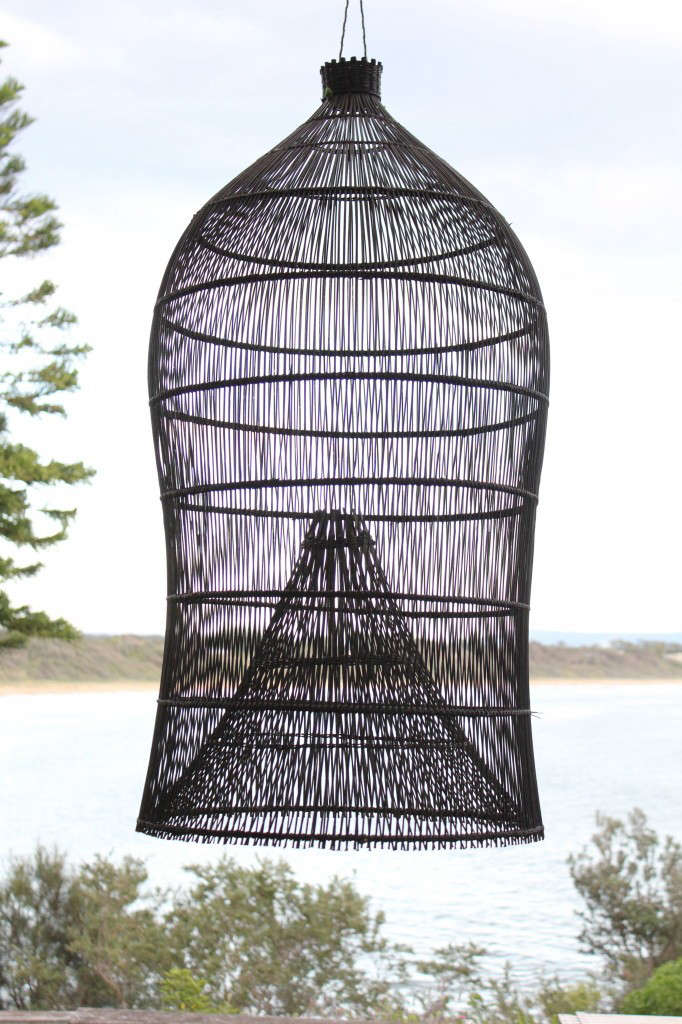

A Fish Trap Light Shade sounds like something you might find in a very stylish fisherman’s cottageright between the cast-iron skillet and the suspiciously decorative oar. In reality, it is one of the most charming lighting ideas in natural home decor: a woven lampshade inspired by traditional fish trap baskets, usually crafted from bamboo, rattan, cane, wicker, or other natural fibers.
Its appeal is easy to understand. The shape is sculptural without being fussy, rustic without looking dusty, and coastal without requiring you to own a boat, pronounce “starboard” correctly, or hang a net on the wall. A fish trap pendant light brings texture, warmth, and handmade character into a room while still feeling light and airy.
From boho apartments and beach houses to farmhouse kitchens and modern dining rooms, the woven fish trap lampshade has become a favorite for anyone who wants lighting that does more than simply say, “Yes, the bulb works.” It turns a practical fixture into a design featureone that glows softly, casts beautiful shadows, and makes a ceiling look much more interesting than a plain white disc ever could.
What Is a Fish Trap Light Shade?
A fish trap light shade is a lampshade modeled after the shape and construction of traditional woven fish traps. Historically, fish traps were basket-like tools made with bamboo, cane, reeds, willow, or rattan. Their structure allowed fish to swim into the trap through a narrow opening while making it difficult for them to escape. When that same woven form is repurposed for lighting, it becomes a dramatic pendant shade, ceiling lampshade, or decorative hanging lamp.
Most fish trap light shades have a tapered, conical, cylindrical, bell, or elongated basket shape. The open weave lets light pass through the sides, creating a warm patterned glow. Unlike a solid metal or ceramic shade, a woven shade does not block the light completely. Instead, it filters it. The result is softer, more atmospheric, and far less “interrogation room at the police station.”
These shades are often described with related terms such as bamboo pendant light, rattan lamp shade, wicker pendant shade, fish basket chandelier, boho hanging lamp, and natural fiber ceiling light. The exact name changes depending on the maker, but the design idea remains the same: traditional weaving meets modern interior lighting.
Why the Fish Trap Shape Works So Well in Home Decor
The beauty of a fish trap light shade is not just in the material; it is in the silhouette. Traditional fishing baskets were designed for function. They needed structure, airflow, openings, tension, and durability. Those practical features happen to translate beautifully into lighting.
It Adds Texture Without Visual Clutter
Texture is one of the easiest ways to make a room feel finished. Smooth walls, flat cabinets, plain countertops, and neutral furniture can look clean, but sometimes they also look like the room is waiting for a personality to arrive. A woven fish trap shade fixes that by adding natural texture overhead.
The woven pattern gives the eye something to notice without overwhelming the space. It can soften a modern kitchen, relax a formal dining room, or make a plain bedroom feel warmer. It is the design equivalent of rolling up your sleeves: casual, useful, and somehow more attractive.
It Creates a Warm, Diffused Glow
Lighting affects mood more than many people realize. A bright exposed bulb can feel harsh, while a woven shade softens the light and spreads it in a more flattering way. The gaps in the weave allow small ribbons of brightness to escape, creating shadow patterns on walls, ceilings, and tabletops.
This is especially effective in dining rooms, breakfast nooks, reading corners, patios, and bedroomsplaces where atmosphere matters as much as brightness. Nobody wants to eat pasta under lighting that makes the salad look like it owes someone money.
It Works With Many Interior Styles
A fish trap light shade is often associated with coastal or bohemian decor, but it is more flexible than that. In a farmhouse kitchen, it pairs beautifully with wood beams, white cabinets, stone counters, and antique brass hardware. In a minimalist room, it adds an organic element that keeps the space from feeling too cold. In a tropical or beach-inspired home, it looks like it has always belonged there.
It also works in Japandi interiors, rustic cabins, modern organic spaces, Scandinavian rooms, and casual restaurants. The trick is balance. Let the shade be the textured statement, then keep nearby elements simple: linen curtains, wood furniture, matte ceramics, greenery, or neutral rugs.
Materials: Bamboo, Rattan, Wicker, Cane, and Natural Fibers
Shopping for a fish trap light shade can become confusing because sellers often use material names loosely. A listing may say rattan, bamboo, wicker, cane, or natural fiber, sometimes all in one breath, as if the shade is filling out a dating profile. Understanding the basics helps you choose better.
Bamboo
Bamboo is a fast-growing grass with a hollow structure. It is strong, lightweight, and often used in Asian-inspired or tropical decor. Bamboo fish trap shades tend to have a clean, linear look because the strips can be cut thin and woven into flexible patterns.
Rattan
Rattan comes from climbing palms and is known for being solid, flexible, and durable. It is widely used in furniture, baskets, and lighting because it can be bent, wrapped, and woven into graceful shapes. Rattan light shades usually feel warm, organic, and slightly more refined than rougher reed or twig designs.
Wicker
Wicker is not a material. It is a weaving technique. A wicker shade may be made from rattan, bamboo, willow, seagrass, synthetic fibers, or other materials. So when you see “wicker fish trap shade,” think of the weave style, not the plant itself.
Cane and Other Fibers
Cane usually refers to the outer bark of rattan, often woven into fine mesh patterns. Seagrass, raffia, jute, and reed may also appear in natural lampshades. These materials can make a shade feel softer, more rustic, or more artisanal depending on how tightly they are woven.
Best Rooms for a Fish Trap Light Shade
A fish trap light shade is surprisingly versatile, but it shines brightestyes, we are allowing that punin spaces where texture and atmosphere are welcome.
Kitchen Islands
Two or three fish trap pendant lights over a kitchen island can create a strong focal point. Choose medium-sized shades for standard islands and larger shades for open kitchens with high ceilings. Keep spacing even so the arrangement looks intentional rather than like the lights wandered in separately and forgot to introduce themselves.
Dining Rooms
A large woven fish trap shade over a dining table can replace a traditional chandelier. It feels relaxed but still dramatic. For round tables, a single oversized shade works well. For long rectangular tables, try two smaller pendants or one elongated basket-style pendant.
Bedrooms
In a bedroom, fish trap shades create a calm, resort-like feeling. They look especially good with white bedding, light wood furniture, woven rugs, and linen textures. A pair of small hanging shades can even replace bedside table lamps if installed safely and at the right height.
Entryways and Hallways
An entryway is the first impression of a home, and a woven shade says, “Welcome, we have taste and possibly excellent snacks.” A fish trap light shade adds personality without taking up floor space, making it useful for smaller foyers and hallways.
Covered Patios and Sunrooms
Natural fiber lighting looks wonderful outdoors, but only use a fish trap shade outside if the fixture is rated for damp or wet locations. Covered patios, screened porches, and sunrooms are usually better choices than fully exposed areas. Rain, humidity, and direct sun can age natural fibers quickly.
How to Choose the Right Size
Size matters with pendant lighting. Too small, and the shade looks timid. Too large, and it may feel like a decorative lobster pot has taken over the ceiling.
For a kitchen island, choose shades that suit both the island width and ceiling height. A small island may need two compact pendants, while a long island can handle three. Over a dining table, the shade should feel visually connected to the table without blocking conversation. As a general design starting point, many pendants are hung around 30 to 36 inches above a tabletop or counter, but the final height depends on ceiling height, shade size, and sightlines.
For living rooms or bedrooms, consider the diameter of the room and the furniture below. A large open-weave shade can look airy even when oversized, while a tightly woven shade may feel heavier. When in doubt, use painter’s tape or a cardboard mock-up to visualize the width before buying. It is not glamorous, but neither is returning a lampshade the size of a small hot-air balloon.
Bulb Choice and Safety Tips
Because fish trap light shades are often made from natural fibers, bulb choice matters. The safest and most practical option is usually an LED bulb. LEDs use less energy than incandescent bulbs, last longer, and produce less heat. That makes them a smart match for woven shades, especially in dining rooms, bedrooms, and kitchens where lights may stay on for hours.
Always check the fixture’s maximum wattage rating and follow it. Do not assume that a shade can handle any bulb just because it looks breezy and open. If the label says to use a certain maximum wattage, respect it. Lighting safety is one area where “close enough” is not a personality trait; it is a problem.
For hardwired pendants, use a qualified electrician unless you have proper electrical experience. Look for fixtures that meet recognized safety standards, and make sure the shade is attached securely. If you are using a plug-in pendant, keep cords neat, avoid pinching them, and do not run them where they can be damaged.
Best Bulb Color for a Fish Trap Shade
The right color temperature can make or break the mood. Warm white bulbs, usually around 2700K to 3000K, work beautifully with rattan, bamboo, and wicker because they enhance the golden tones of the fibers. This creates a cozy glow that feels inviting in dining areas, bedrooms, and living rooms.
For kitchens, you may prefer a slightly brighter neutral white, around 3000K to 3500K, especially if the pendant lights are part of your task lighting. Avoid very cool blue-white bulbs unless you want your peaceful woven pendant to feel like it is auditioning for a hospital hallway.
Dimmable LEDs are a great upgrade. Bright for cooking, softer for dinner, dim for movie night, and barely glowing for those late trips to the kitchen when you are pretending not to eat leftover cake.
Cleaning and Maintenance
Natural fiber shades are easy to love and fairly easy to maintain. Dust is the main enemy. Use a feather duster, microfiber cloth, or vacuum brush attachment to clean the weave gently. For deeper cleaning, wipe lightly with a barely damp cloth, then let the shade dry completely.
Avoid soaking bamboo, rattan, or wicker. Too much moisture can cause swelling, staining, or warping. Also avoid harsh chemicals, which can damage the finish or discolor the fibers. If the shade is in a kitchen, it may collect grease over time, so clean it regularly before dust and oil become an unpleasant little partnership.
Keep natural shades away from constant direct sunlight if possible. Sun exposure can fade and dry out fibers. In humid areas, make sure the room has airflow to reduce the chance of mildew. A well-cared-for fish trap light shade can remain beautiful for years while aging into a relaxed, lived-in patina.
Styling Ideas for Different Homes
Coastal Style
Pair a fish trap shade with white walls, pale blue accents, light oak, striped textiles, and ceramic vases. Keep the palette breezy and natural. The goal is “quiet beach house,” not “souvenir shop during a hurricane.”
Bohemian Style
Layer the shade with patterned rugs, plants, macrame, vintage furniture, and warm metals. A large woven pendant can anchor the room while letting the rest of the decor stay playful.
Modern Organic Style
Use a clean-lined fish trap light shade in a neutral room with stone, plaster, wood, linen, and matte black or brass accents. The shade adds softness to crisp architecture.
Farmhouse Style
Choose a wider basket pendant over a wood table or kitchen island. Pair it with shaker cabinets, black hardware, natural wood stools, and simple ceramics.
Buying Checklist
Before buying a fish trap light shade, check the dimensions, material, bulb compatibility, hanging hardware, cord length, canopy finish, and installation type. Confirm whether the shade is sold alone or as a complete pendant kit. Some listings include only the woven basket, while others include the socket, cord, ceiling canopy, and mounting hardware.
Also check whether the shade is handmade. Handmade pieces may have small variations in color, shape, and weave. That is part of their charm. A perfectly identical handmade shade is a little suspicious anyway, like a “homemade” pie still wearing a supermarket barcode.
Experience Notes: Living With a Fish Trap Light Shade
One of the best things about a fish trap light shade is how quickly it changes the feeling of a room. A plain ceiling fixture may technically provide light, but it rarely provides atmosphere. Replacing it with a woven fish trap pendant can make the same space feel warmer, calmer, and more intentionally designed.
In a dining area, the difference is immediate. During the day, the shade acts like a sculptural basket floating above the table. At night, it becomes softer and more dramatic. The weave throws subtle lines across nearby walls, and the table feels more intimate. Even a simple meal looks a bit more special under warm filtered light. Leftovers gain confidence. Soup becomes photogenic. Everyone wins.
In a kitchen, a pair of fish trap shades can soften hard surfaces. Kitchens often contain stone, tile, metal, glass, and painted cabinetry. Those materials are practical, but they can feel cold. Natural woven lighting balances that with warmth and texture. It is especially effective over islands, where the pendants become both task lights and visual anchors.
Bedrooms benefit from the relaxed mood. A fish trap shade makes a bedroom feel less like a box with a mattress and more like a retreat. Paired with linen bedding, a jute rug, and warm wood furniture, it creates a quiet vacation feeling without requiring airport security or tiny shampoo bottles.
There are practical lessons, too. First, scale is important. A shade that looks medium-sized online can feel huge in a small room. Always measure. Second, bulb choice matters more than expected. A clear exposed bulb can create stronger shadows, while a frosted bulb gives a gentler glow. Third, cleaning is easier when done often. A quick dusting every week or two keeps the weave fresh and prevents the shade from becoming a high-altitude dust museum.
Another real-life consideration is visibility. Because the shade has an open weave, the bulb and socket may be partly visible. That can look great if the bulb is attractive and the hardware is neat. It can look less great if the bulb is harsh, oversized, or oddly colored. A simple frosted globe LED usually works well for a balanced look.
The fish trap light shade also teaches a useful design lesson: handmade texture has personality. It does not need to be perfect. Tiny variations in the weave, natural color shifts, and slight asymmetry make the piece feel human. In a world full of flat-pack sameness, that little bit of irregularity is refreshing. It says, “Someone made this,” not “A warehouse robot sneezed and a lamp appeared.”
Overall, living with a fish trap light shade is about enjoying the blend of craft and comfort. It is functional, but it is not boring. It is decorative, but not precious. It works hard, glows beautifully, and quietly reminds the room that natural materials never really go out of style.
Conclusion
A Fish Trap Light Shade is more than a trendy pendant. It is a design bridge between traditional craft and modern home styling. Inspired by woven fishing baskets, it brings natural texture, warm light, and sculptural shape into everyday spaces. Whether made from bamboo, rattan, wicker, cane, or mixed fibers, it can make a room feel more relaxed, layered, and memorable.
For the best result, choose the right size, use an LED bulb, follow fixture wattage limits, and match the shade to your room’s style. Keep it clean, protect it from excess moisture, and let its handmade character shine. A good fish trap light shade does not just illuminate a roomit gives the ceiling a reason to participate.
Note: This article is prepared as clean publishable HTML body content. External source links and citation markers are intentionally omitted from the article copy for a smoother publishing experience.